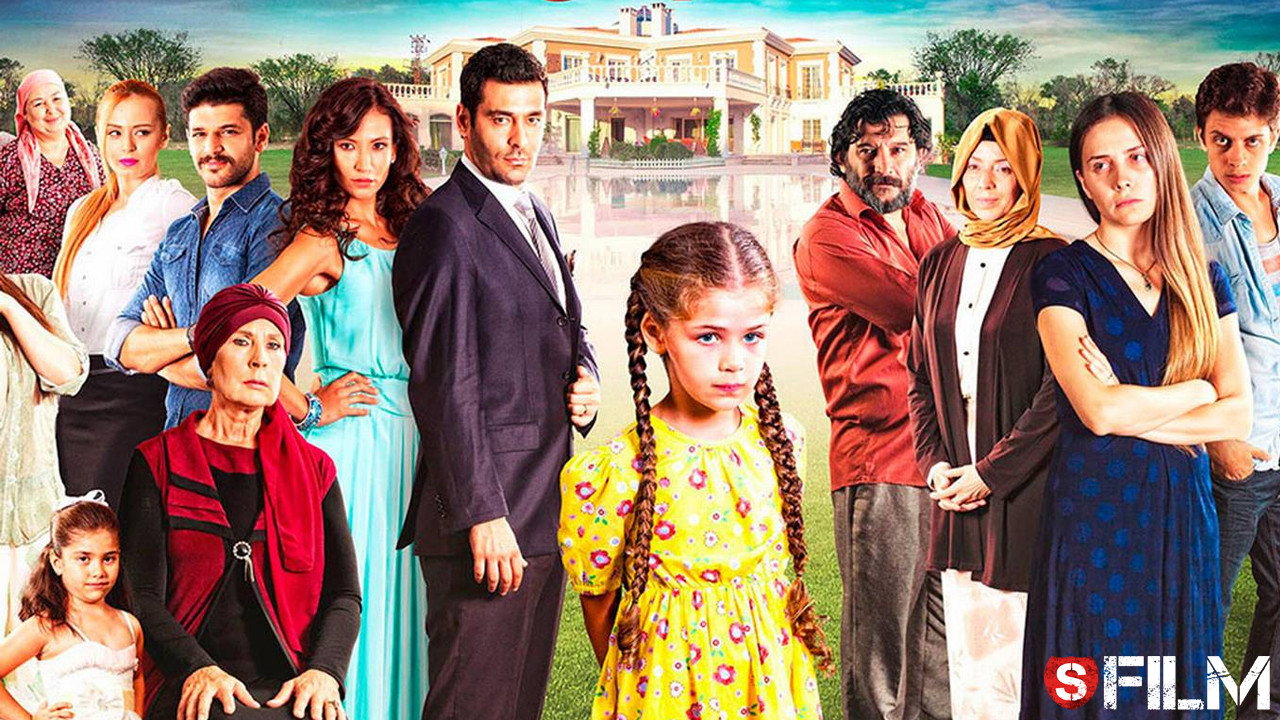

Elif (Kanal D, 2014-2019) is the kind of series that earns the word phenomenon. At its core it follows a small orphaned girl caught between powerful families, buried secrets, and a mother who cannot reach her. But the real pull is something older than plot: the show runs on grief, on the particular Turkish melodrama tradition where every revelation tears the wound open again just as it was starting to close. Fans who stayed through five seasons were not watching for resolution. They were watching because the show understood that love and class and identity are not problems with solutions, only pressures that reshape people over time. If that combination of gut-punch emotion, slow-burn mystery, and sweeping family saga is what you love, the works below will find you in the same place.
Essential Elif
The series itself, and the Turkish productions that share its creative DNA most directly.

Class, Secrets, and Family Wars on Screen
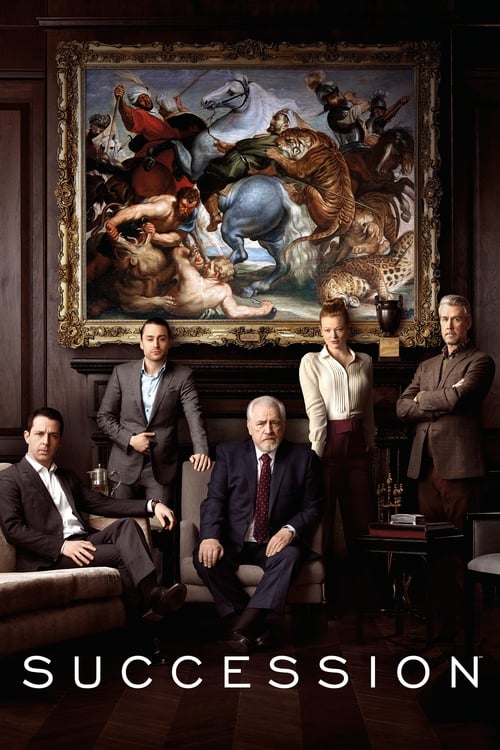
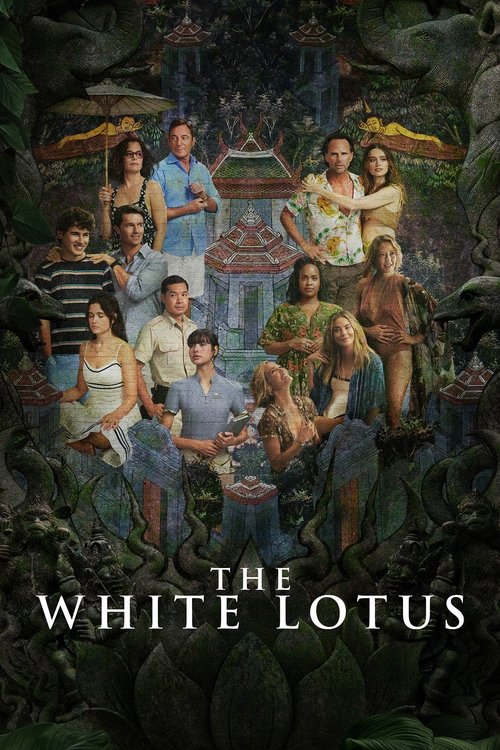
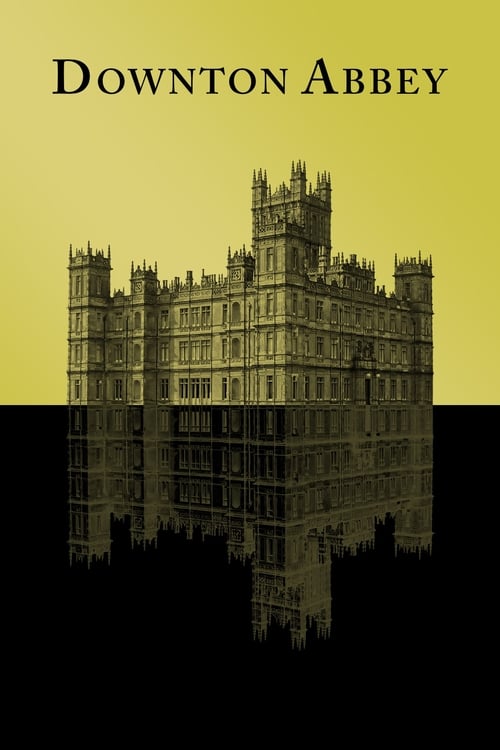
Series that place an outsider inside a wealthy or powerful family and let the cracks spread slowly.





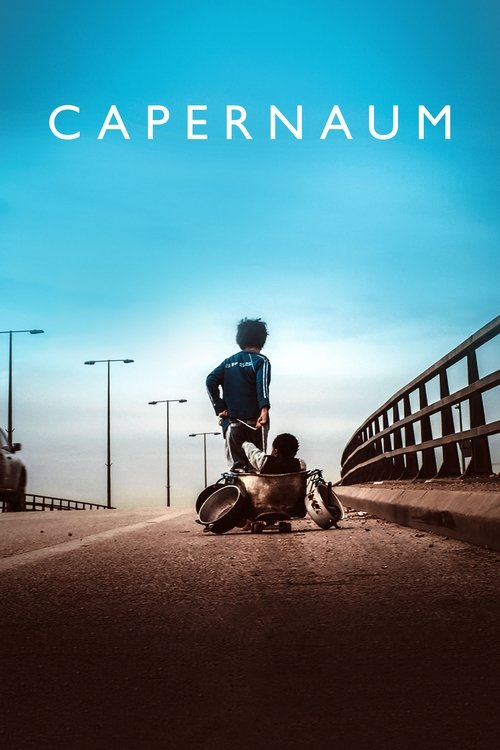
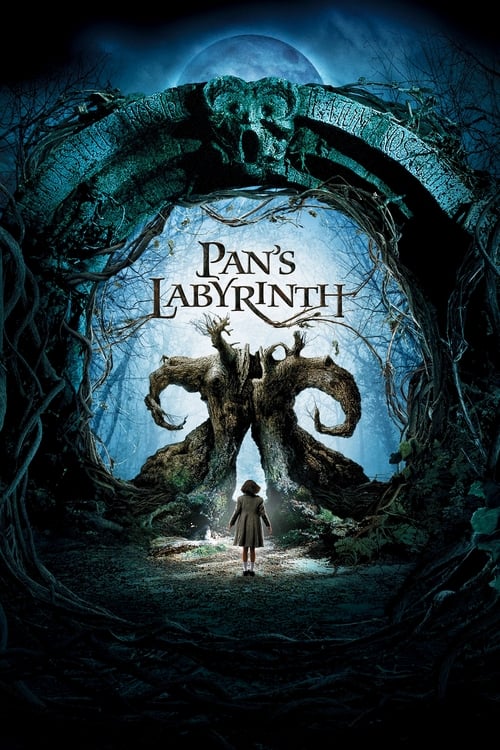
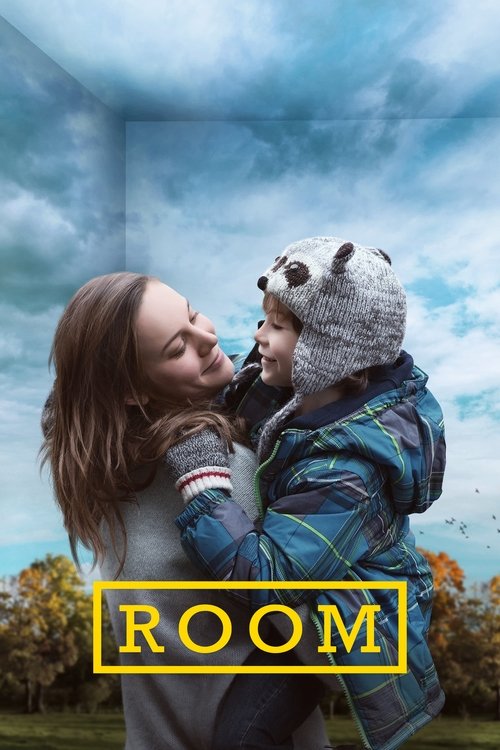
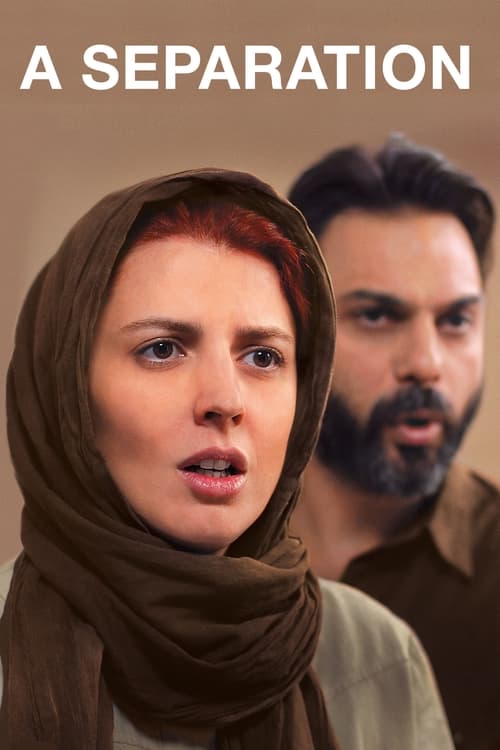
Films About Children Caught Between Worlds
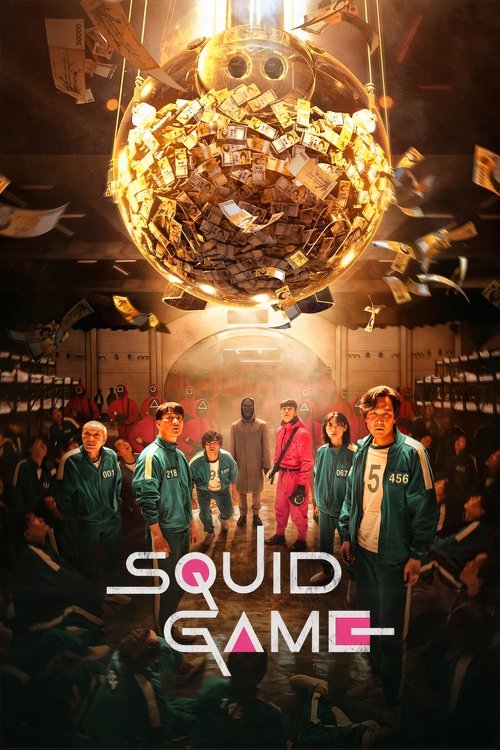
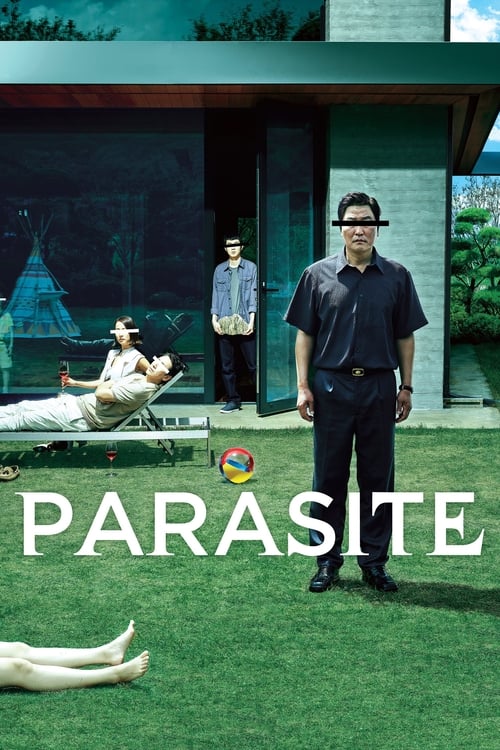
Cinema that puts a child at the center of adult cruelty, longing, and social fracture.





The Books Behind the Feeling
Novels that carry the same emotional intensity: orphans, inheritance, hidden identity, and the slow violence of family.


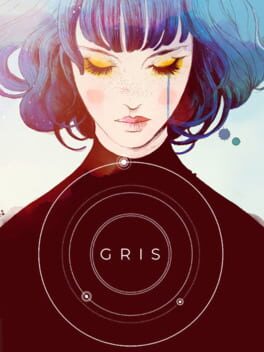
Games About Identity, Belonging, and Hidden Pasts
Games that share Elif's preoccupation with who you are, where you come from, and what you owe the people who shaped you.
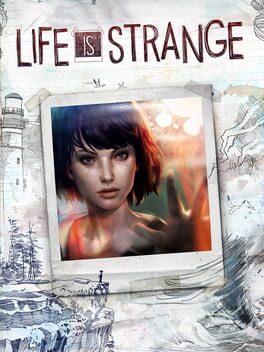

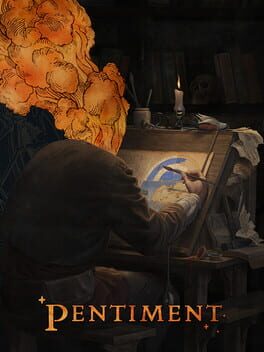
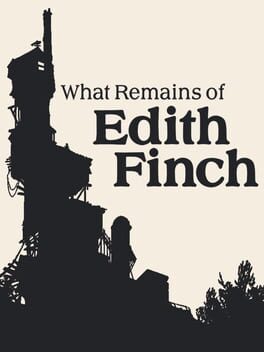
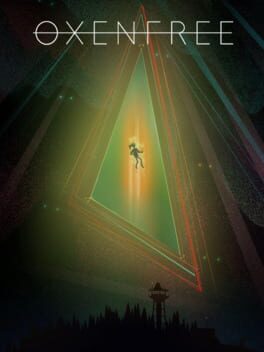



Turkish melodrama is not a guilty pleasure. It is a genre.
Western critics who condescend to dizi drama as soap opera are applying the wrong framework. The long-form Turkish series tradition draws on literary melodrama, classical tragedy, and the cultural weight of community and shame in ways that most prestige television actively avoids. Elif, like the best of the dizi form, is not trying to be understated. It is trying to be true about the size of feeling. That is a different artistic project, and it deserves to be read on its own terms.
The child at the center is the moral conscience, not the victim.
What separates Elif from lesser family dramas is that Elif herself is not merely a plot device to trigger adult conflict. She carries a clarity about right and wrong that the adults around her have lost, and the series is most alive when her perspective exposes the self-deceptions of the wealthy family she enters. It is the same structural move Dickens made with Oliver, and it works for the same reason: innocence in a corrupt environment is not passive, it is a form of indictment.
Orhan Pamuk is the literary ancestor you should read alongside any Turkish screen drama.
The specific texture of Istanbul, the layering of old money and new aspiration, the way European influence and Ottoman inheritance coexist uneasily in the same family household: Pamuk wrote the architecture that Turkish television drama inhabits. Reading The Museum of Innocence or Snow before or after a dizi marathon is not homework. It is context that makes the images richer.
Grief narratives need slowness, and long-form television is the right container.
The emotional work Elif does requires time. A two-hour film cannot let a separation breathe for sixteen episodes, cannot make you feel the weight of years passing in a relationship before it fractures. The dizi format, often running 100-plus episodes over multiple seasons, earns its emotional payoffs in a way that compressed storytelling structurally cannot. When critics call these shows slow, they are describing the method, not the flaw.
The Dizi Era: Key Moments in Turkish TV Drama
- 2003Forbidden Love (Ask-i Memnu) adapts a classic Ottoman novel for television, establishing the template for prestige family melodrama.
- 2005Noor (Gumus) becomes the first Turkish series to air across the Arab world, opening the export market that would carry Elif to millions of new viewers.
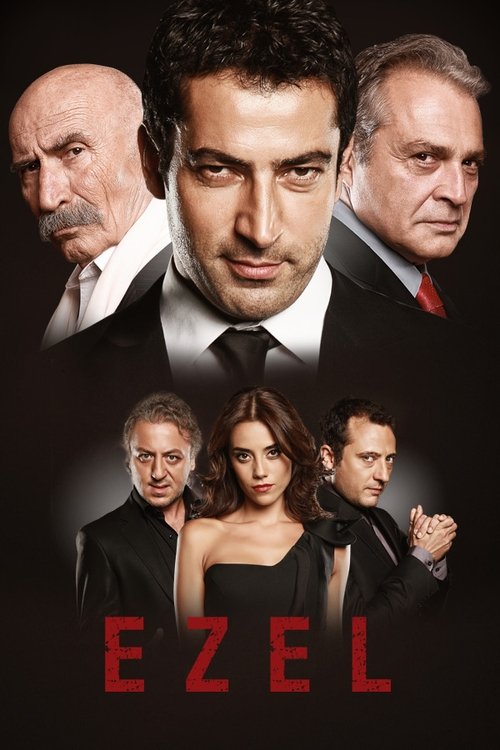
- 2008Ezel launches a new strand of Turkish genre television, fusing revenge thriller with melodrama and proving the dizi could cross over beyond romance audiences. Ezel
- 2011Magnificent Century (Muhtesem Yuzyil) breaks viewership records and sparks a period-drama wave, proving the international appetite for Turkish storytelling at scale.
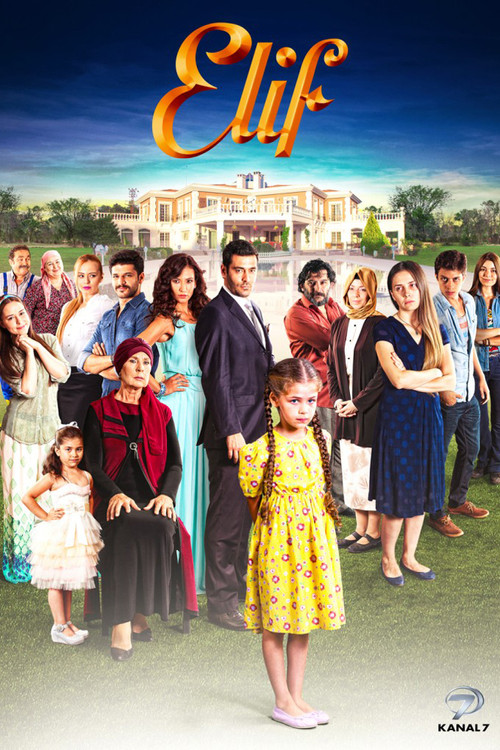
- 2014Elif premieres on Kanal D and runs for five seasons, becoming one of the most-exported Turkish series of the decade. Elif
- 2016Kara Para Ask (Black Money Love) reaches audiences across the Middle East and the Balkans, expanding the genre's footprint beyond romance into crime.
- 2019Elif concludes its run after more than 700 episodes, a landmark for a child-led Turkish drama series.
The best melodrama does not ask you to suspend disbelief. It asks you to remember that you have already felt this.CrossBinge editors