
Emo is not a haircut or a punchline. At its core, it is a genre built on emotional honesty: guitar music that refused to hide its feelings behind cool posturing. From the post-hardcore experiments of Rites of Spring and Embrace in mid-80s Washington D.C., through the Midwestern indie-rock poetry of Cap'n Jazz and American Football in the 90s, to the arena-scale confessionals of My Chemical Romance and Fall Out Boy in the 2000s, the thread is consistent. Vulnerability as a creative act. Lyrics that read like diary pages. Arrangements that build and collapse the way grief actually does. If you love emo, you love music that takes emotional extremity seriously, and this guide follows that feeling across every medium that has ever channeled it.
Essential Emo
The albums that define the genre across its three major waves
Documentaries and Concert Films
The story of emo on screen, from the stage to the archive


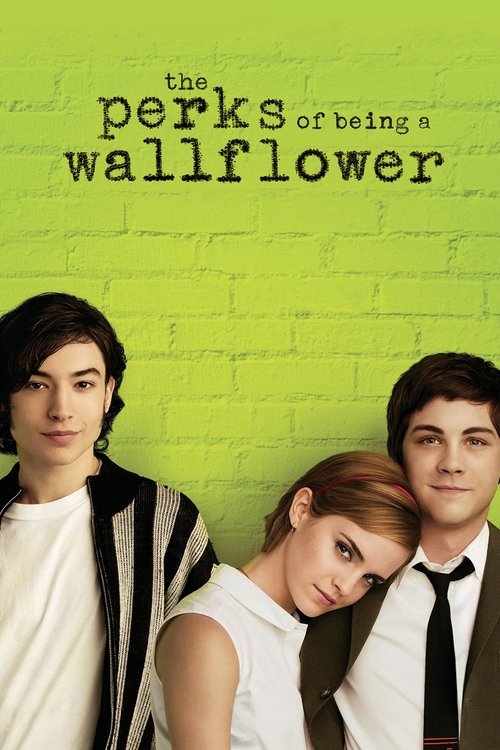
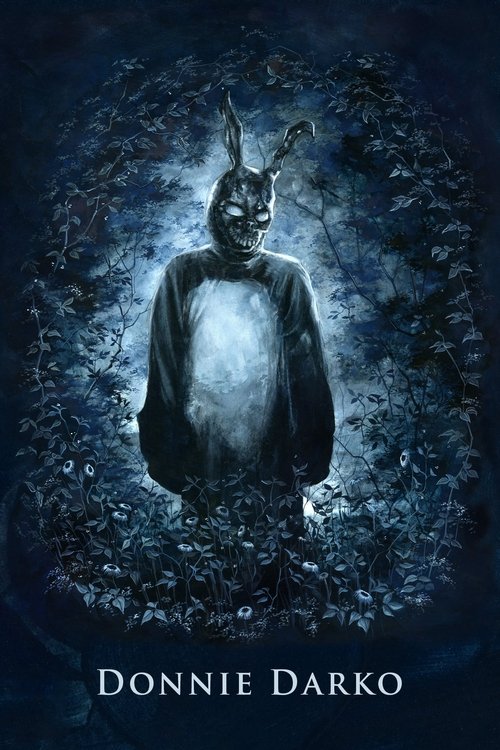
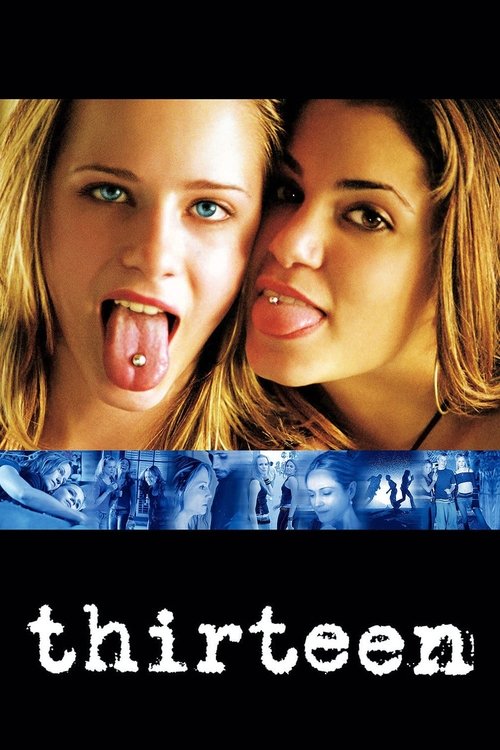
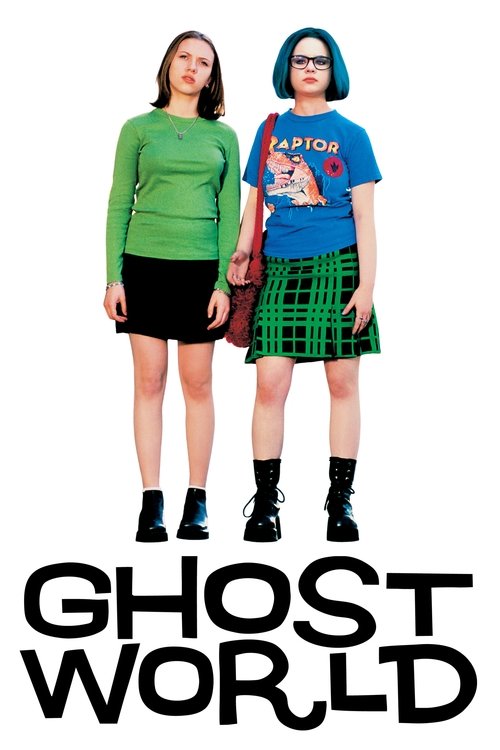
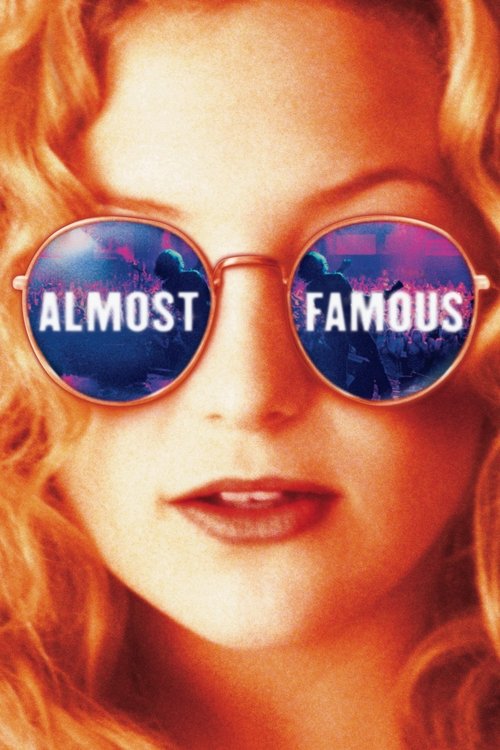
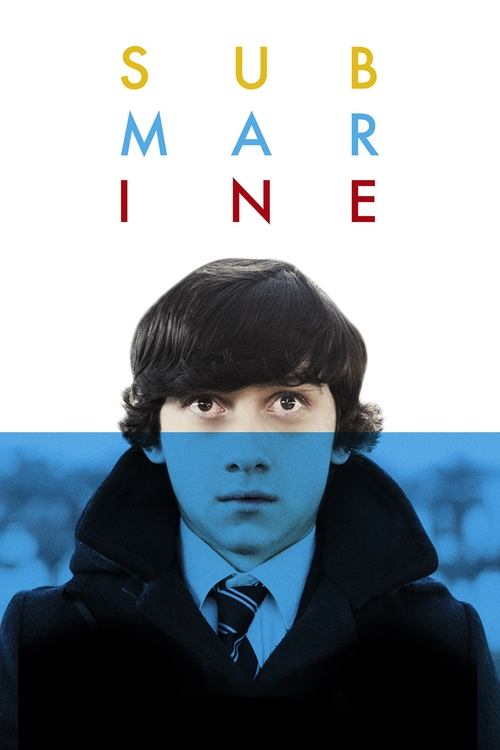
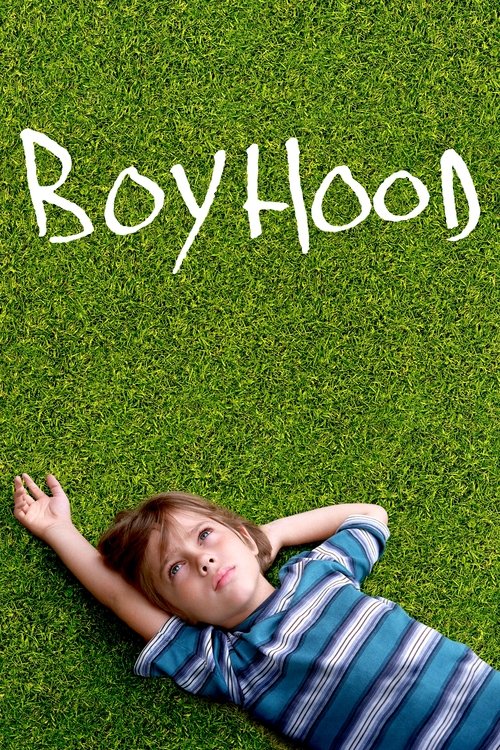
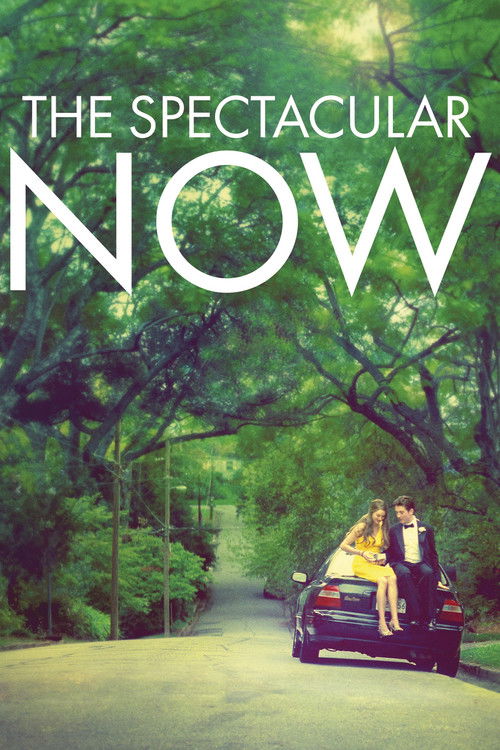
Films with the Same Emotional Register
Movies that carry emo's signature: raw feeling, suburban restlessness, the weight of adolescence
TV Series That Chase the Same Feeling
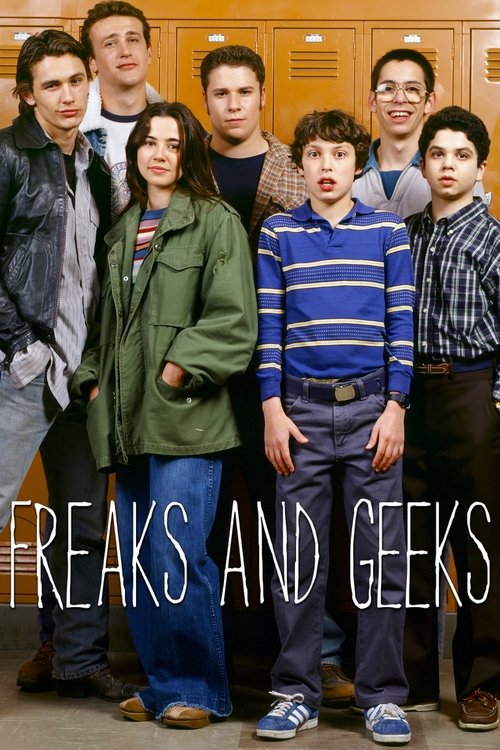
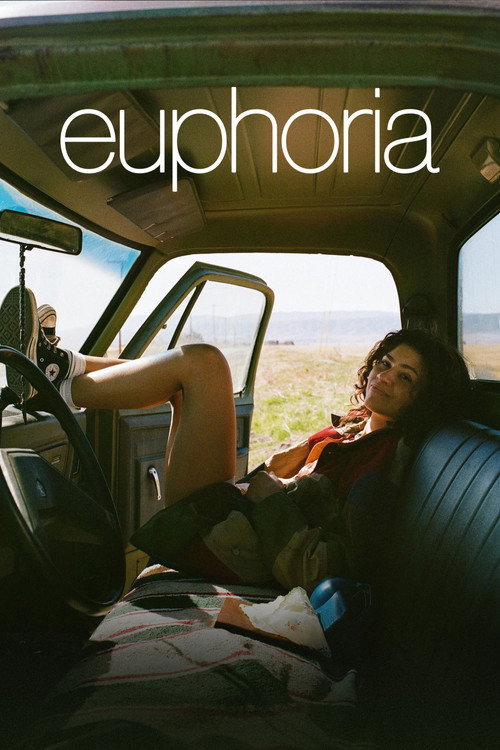
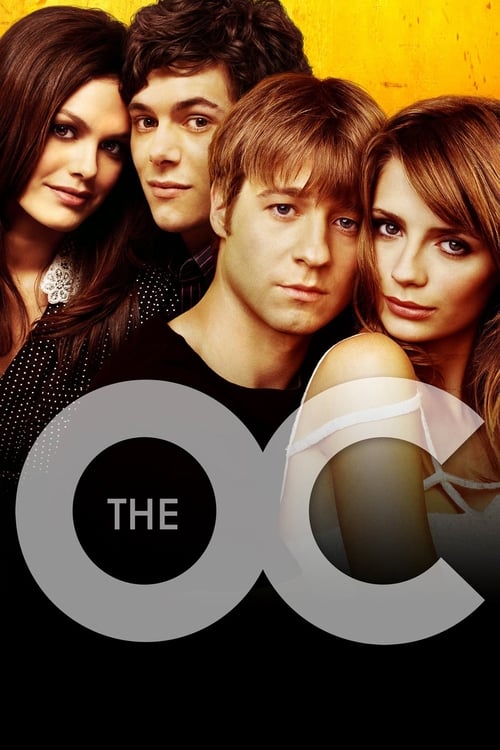
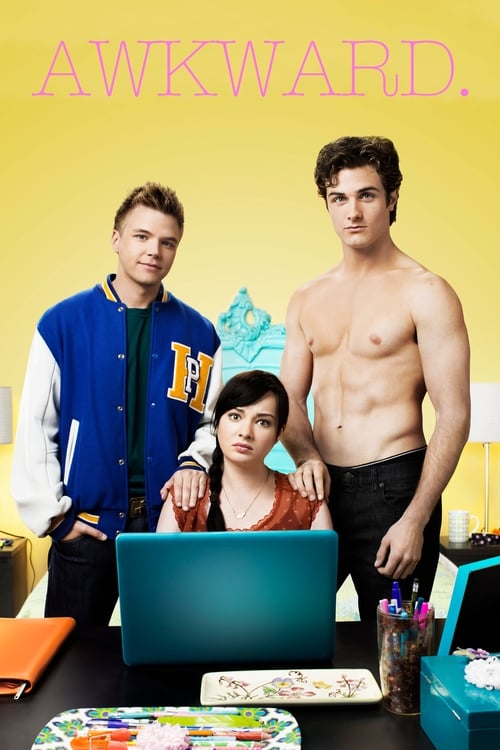
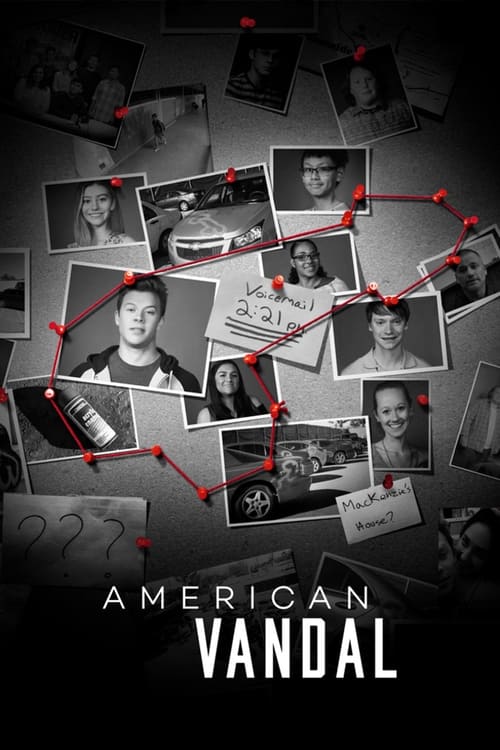
Shows where the emotional intensity of adolescence is never played for laughs
Novels That Read Like Emo Lyrics
Books where the interior life is the whole point, written with the same unguarded honesty


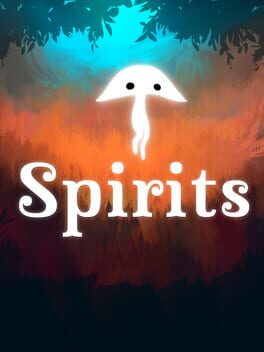
Games That Hit Different
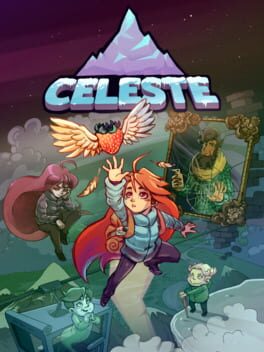
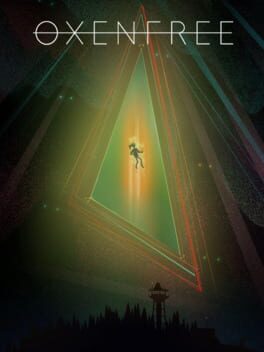
Games where the emotional stakes feel personal, the world is charged with longing, or music is the whole point
The Midwest Invented the Feeling
Cap'n Jazz, American Football, Sunny Day Real Estate, The Promise Ring: what the Midwestern emo scene of the 90s built was not a sound so much as a posture toward the world. These bands played music that was technically complex, emotionally chaotic, and almost willfully obscure. They were not trying to get on the radio. They were trying to describe something precise about what it felt like to be young and uncertain in a landscape that offered no particular glamour. That specificity is why the records still sound so true.
My Chemical Romance Were a Rock Opera Band First
The Black Parade is not just an emo album. It is a concept album in the tradition of Pink Floyd and David Bowie: a dying patient imagines the parade that will carry him away, and Gerard Way uses that framework to write about cancer, fear, the Catholic guilt of a New Jersey upbringing, and what it means to matter to people. Calling it a pop-punk record is like calling Tommy a guitar album. The grandeur was intentional, and it earned every bit of it.
Pinkerton Was Too Honest for 1996
Rivers Cuomo wrote Pinkerton in a dorm room at Harvard, processing a failed relationship with a Japanese woman he had never actually met in person, a hip surgery, and a creeping self-loathing about his own fame. The result was so uncomfortably confessional that it was initially dismissed as a creative failure. Within a decade it had been recognized as one of the defining documents of a generation's approach to making music. Its influence on every emo record that followed is immeasurable.
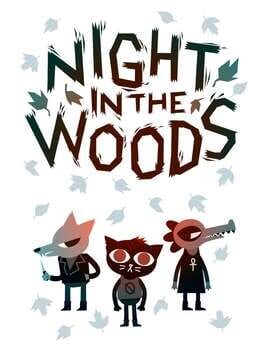
Night in the Woods Understands the Post-Grad Void
Mae Borowski drops out of college, comes back to a dying rust-belt town, hangs out with old friends, and tries to figure out what happened to her and what happens next. Night in the Woods is the only video game that credibly occupies the same emotional register as an emo record: the specific anxiety of early adulthood, the pull of nostalgia for a childhood home that no longer fits, the terrifying sense that the world has moved on without asking your permission. It is also very funny, which the best emo records often are.
Emo: A Timeline
- 1985Rites of Spring release their debut LP in Washington D.C., establishing the template: post-hardcore intensity, confessional lyrics, emotional directness.
- 1994Sunny Day Real Estate releases Diary, bringing the sound to a wider indie audience and pointing the way toward the Midwest wave.
- 1995Cap'n Jazz releases Analphabetapolothology; their angular, chaotic approach seeds the entire math-emo subgenre.
- 1996Weezer's Pinkerton arrives and is initially poorly received; it will be reassessed as a foundational text. Pinkerton
- 1998American Football records their debut LP in Urbana, Illinois; the record's intimacy and complexity define Midwest emo's peak. American Football
- 2003Thursday's War All the Time and Saves the Day's In Reverie push emo toward a harder, more ambitious sound. War All the Time
- 2005Fall Out Boy's From Under the Cork Tree and My Chemical Romance's Three Cheers for Sweet Revenge make emo a mainstream phenomenon. From Under the Cork Tree
- 2006My Chemical Romance releases The Black Parade; the genre peaks commercially and critically. The Black Parade
- 2012The so-called 'emo revival' begins as bands like The World Is a Beautiful Place and American Football reunite; the genre reclaims its underground credibility.
- 2018Phoebe Bridgers, boygenius, and Soccer Mommy carry forward emo's confessional lineage in indie-folk and singer-songwriter contexts.
More heartbreak and teenage feeling
For Fans of Pop Punk
Explore the For Fans of Pop Punk guide →I'm not okay, and I never claimed to be. That honesty is the whole point.The logic of every emo record ever made