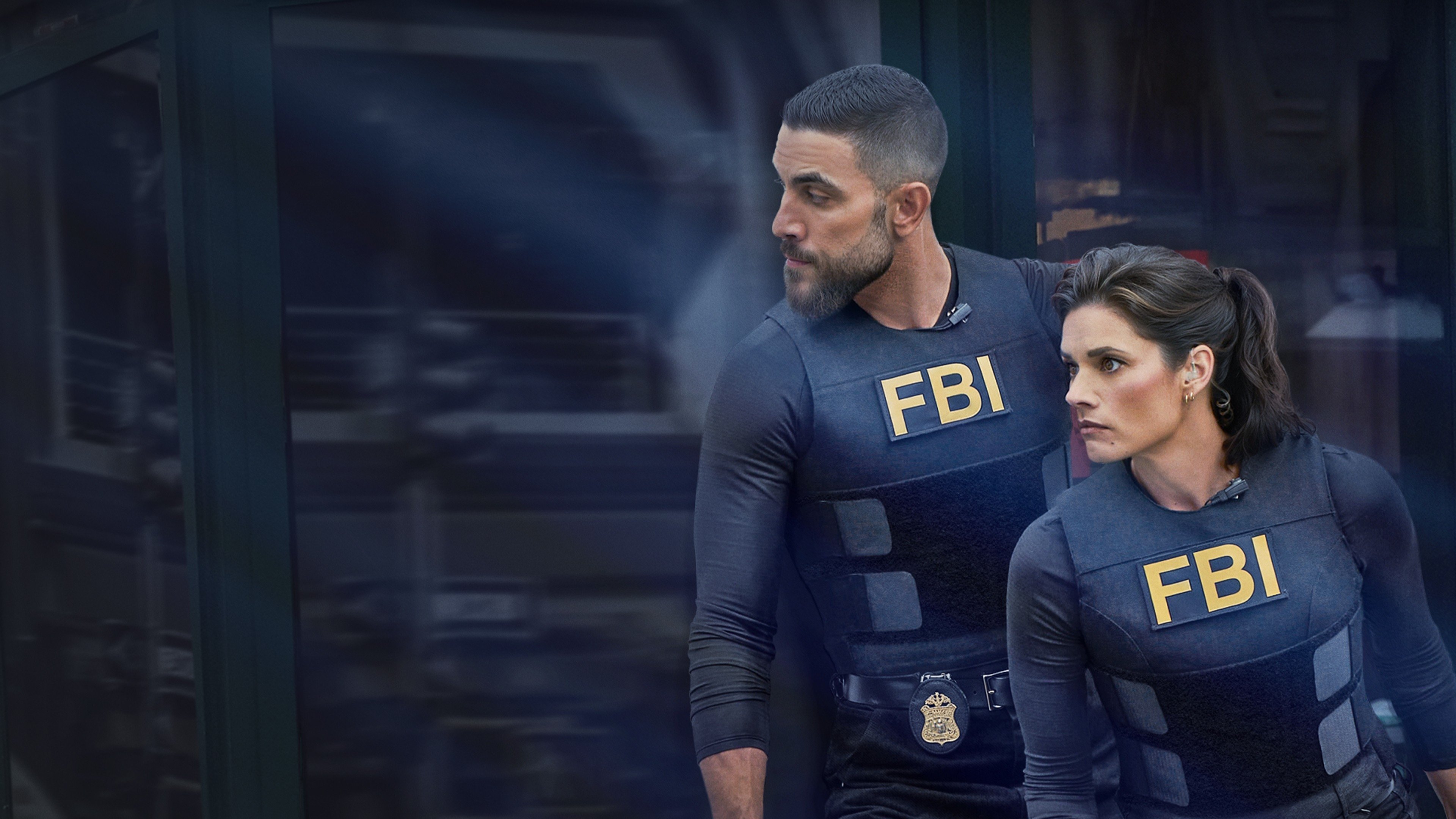

Dick Wolf's FBI (2018) plants itself firmly in the procedural tradition he perfected with Law & Order, but upgrades the blueprint: federal jurisdiction, New York City as a living backdrop, and a cast-driven rhythm that makes the weekly case feel both urgent and personal. What keeps fans coming back is the formula done with conviction: tight 42-minute plots, characters who trust each other without being naive, and crimes that carry real-world weight without tipping into exploitation. The series anchors the Wolf Entertainment franchise alongside FBI: International and FBI: Most Wanted, turning Tuesday night into a three-hour block of federal casework. If you respond to that particular frequency, where competence is the hero and the institution is complicated but worth believing in, the shows, films, books, and games below are tuned to the same channel.
Essential FBI
The Wolf federal universe, start to finish
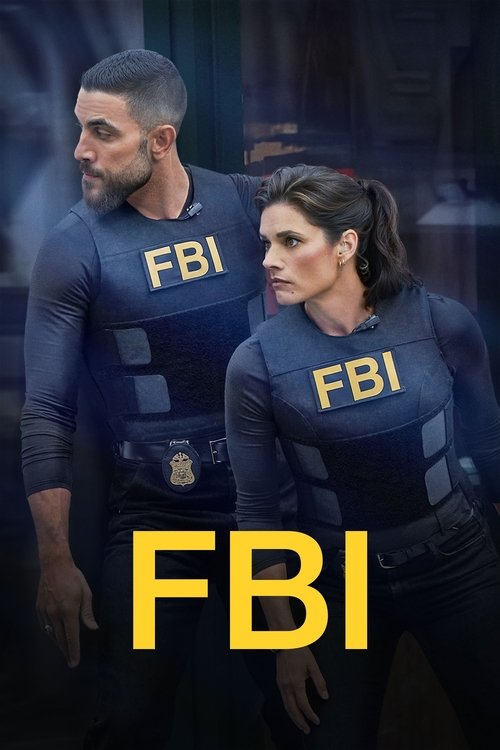
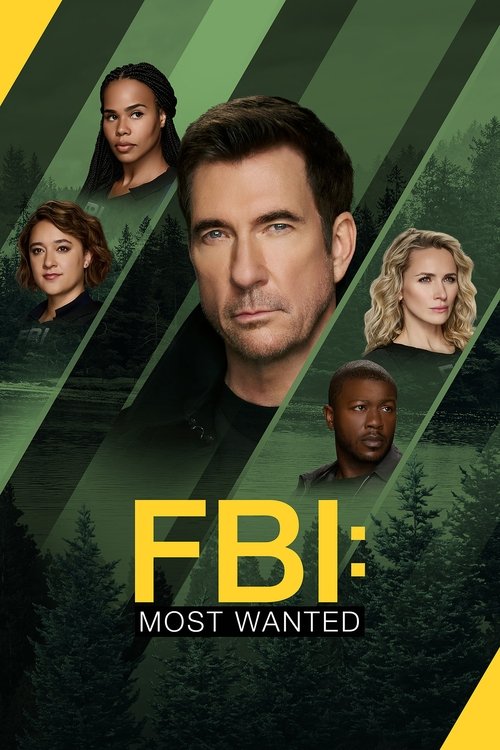
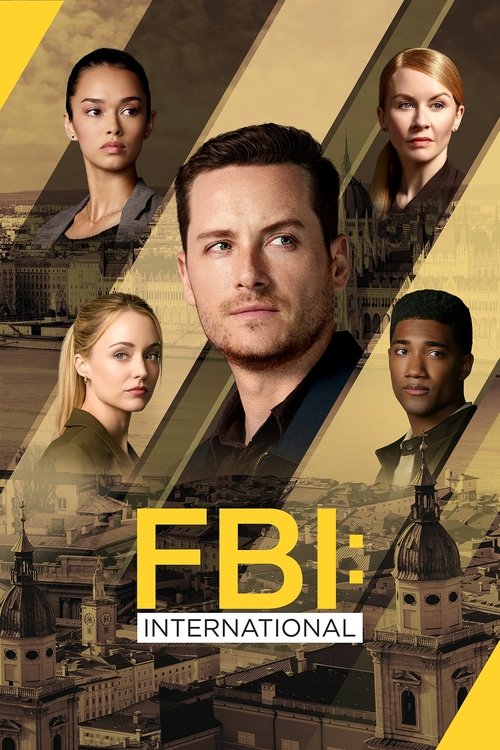
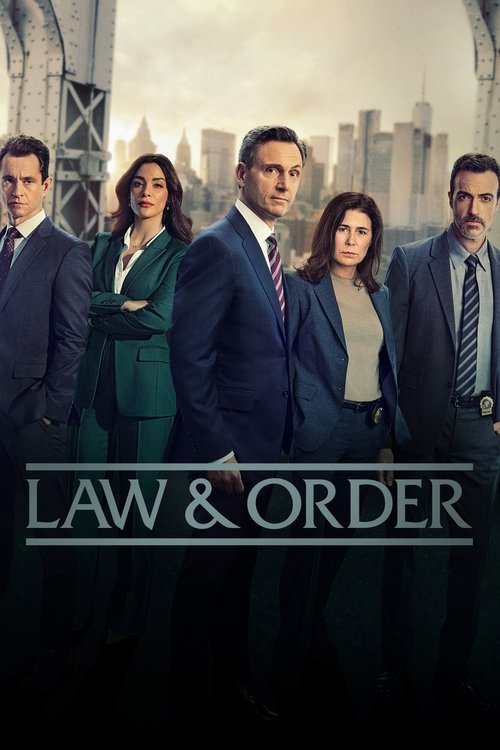
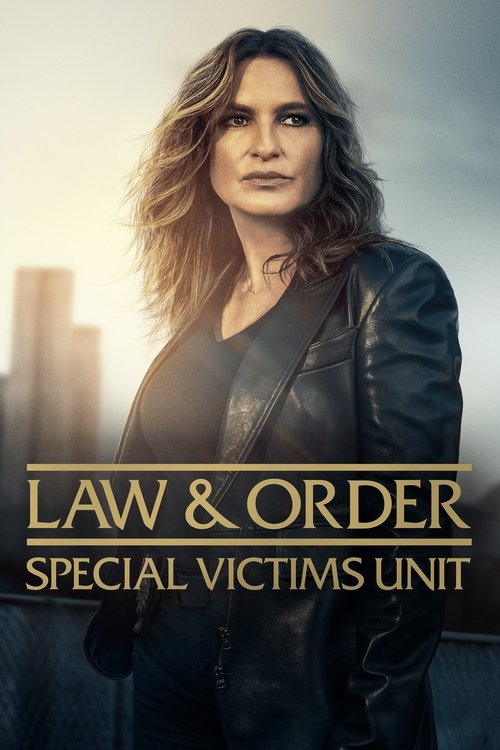
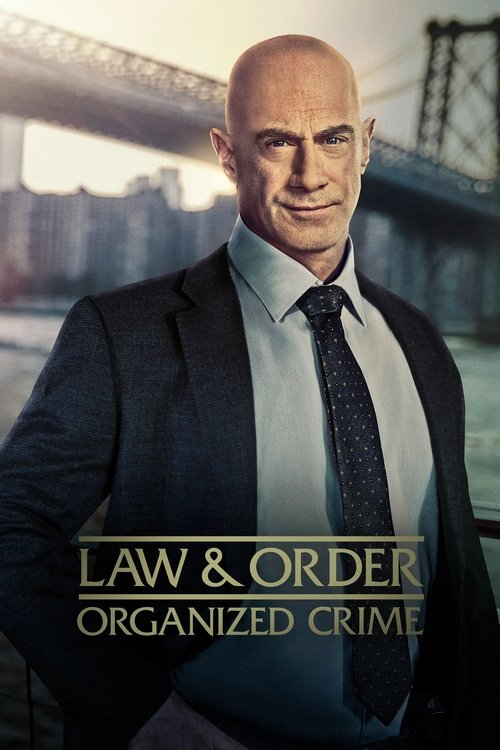
Federal Procedurals Worth Your Tuesday Night
TV series that run on the same engine: ensemble casts, institutional stakes, cases that matter
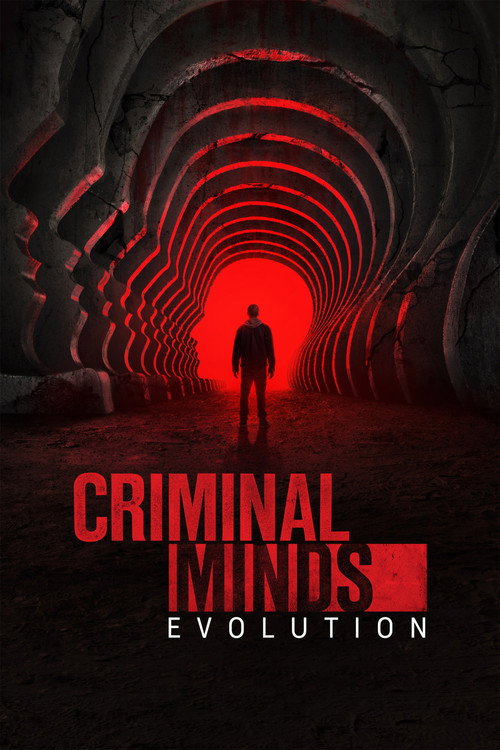
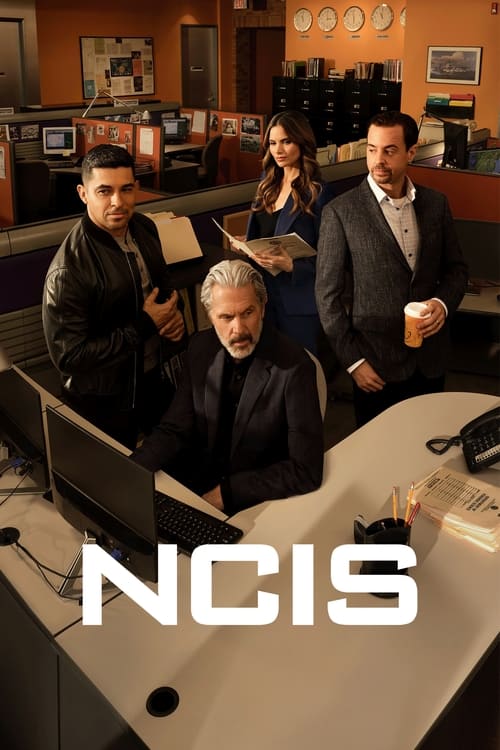

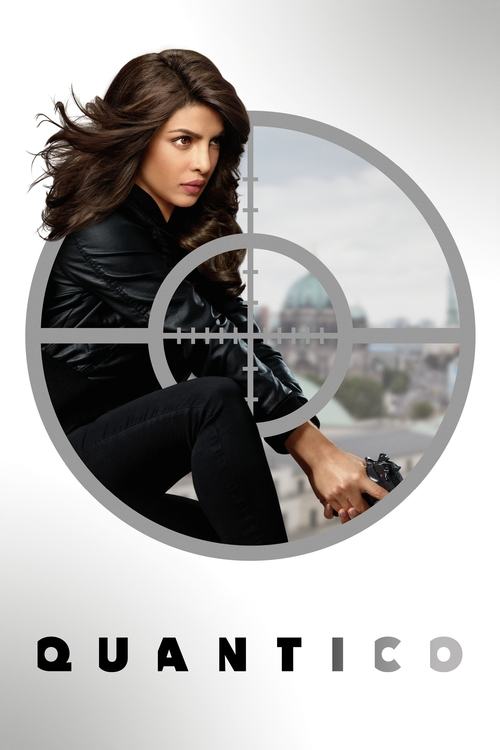
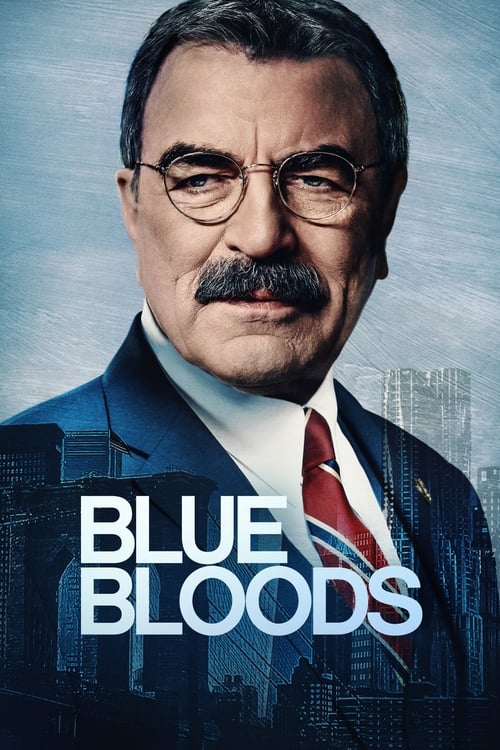
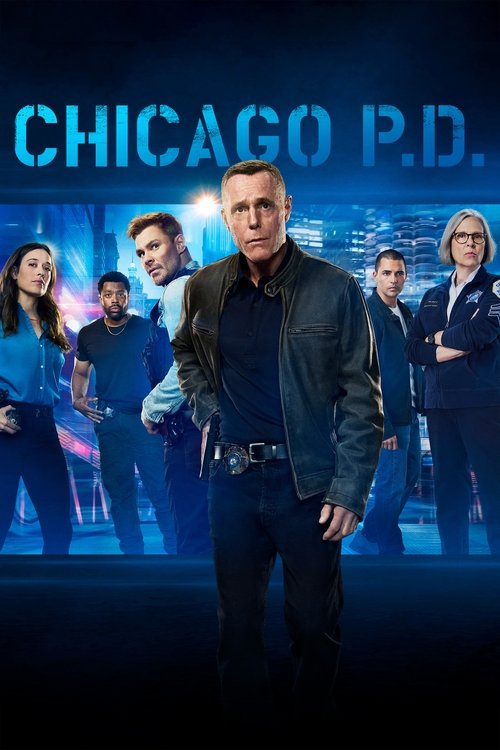
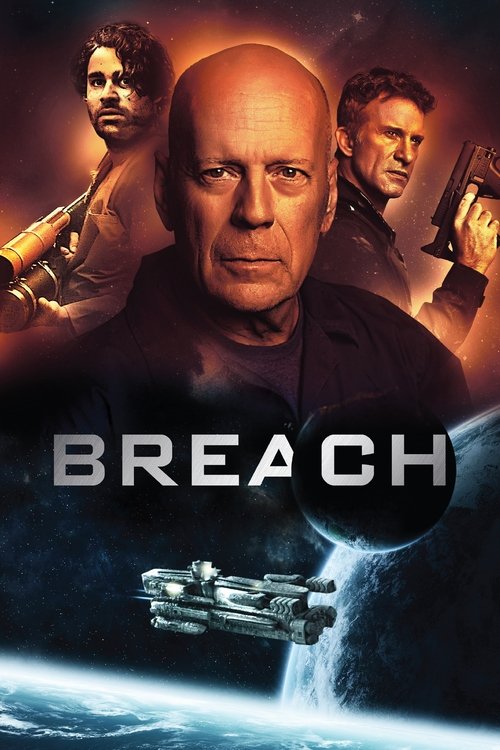
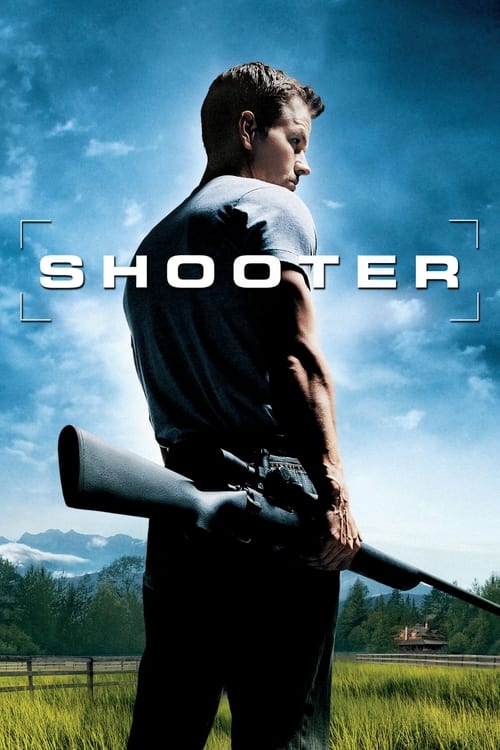
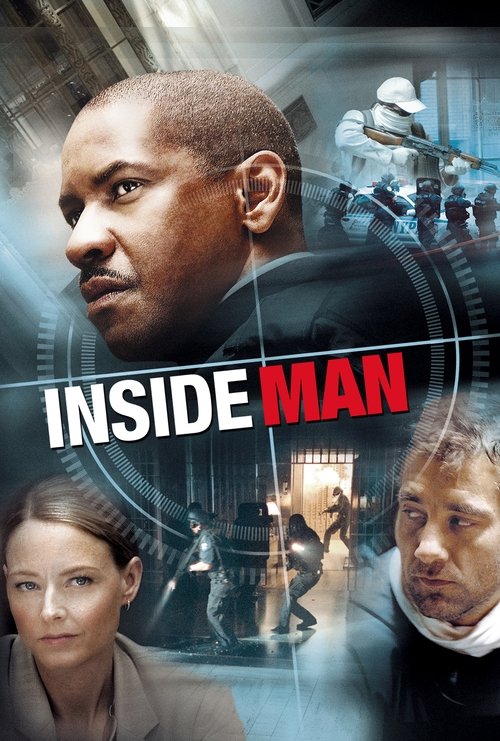
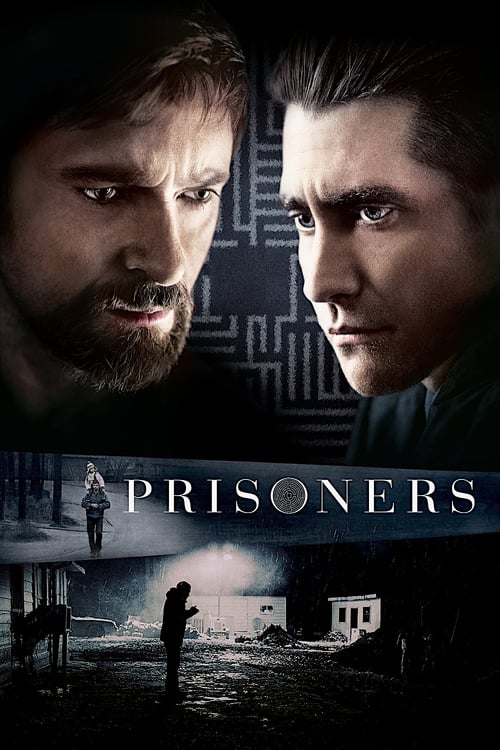
Federal Cases on Film
Movies that put the bureau front and center, from procedural thrillers to institutional character studies
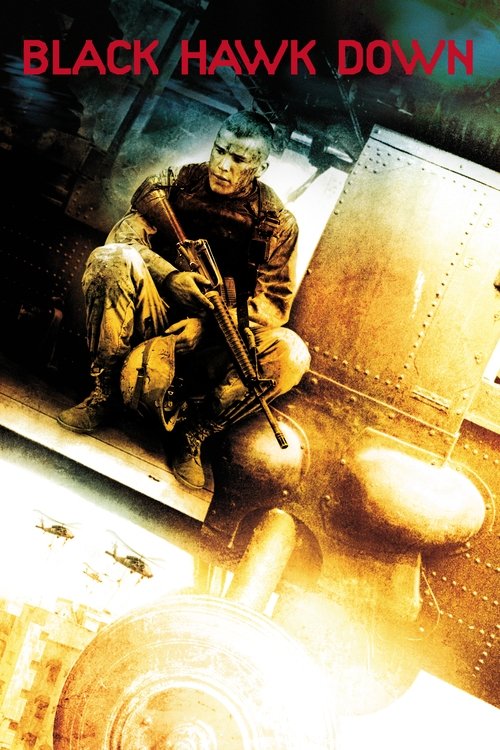
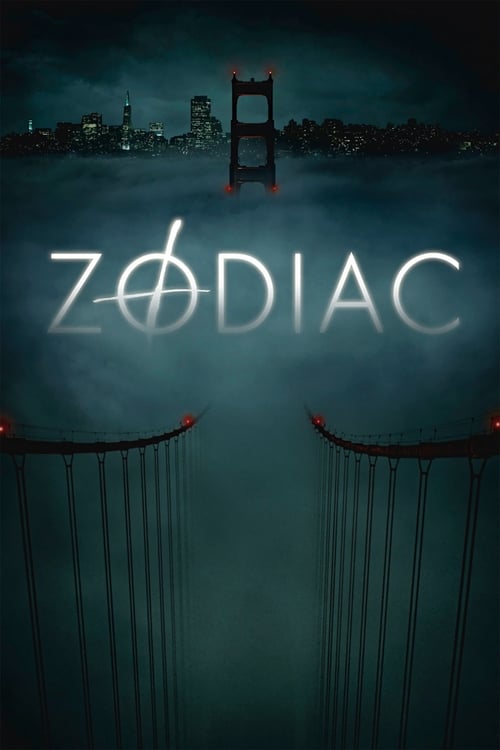



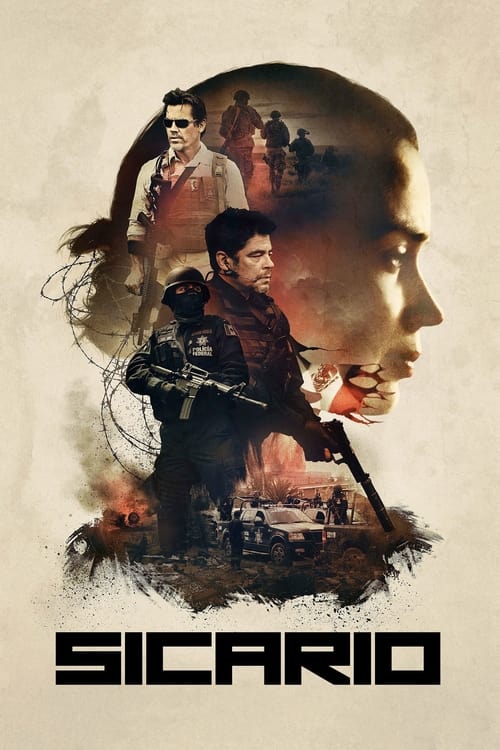
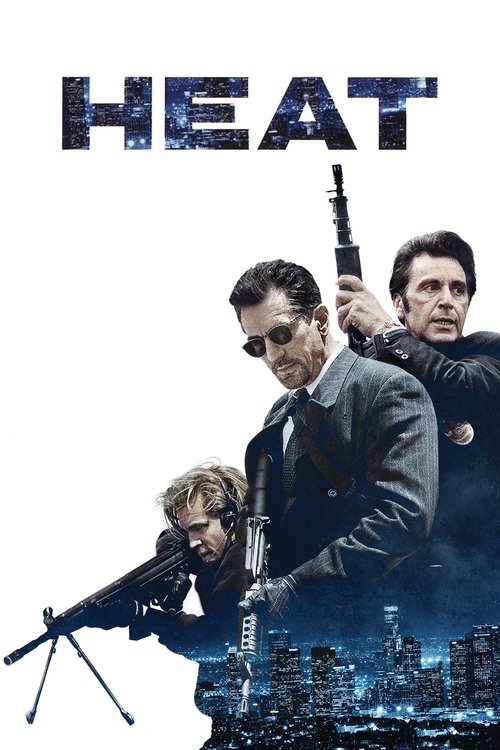
The Page Files: Crime Fiction Behind the Cases
Novels and series that give FBI-style procedure the room it deserves on the page


Investigations You Control
Games where the work is reading evidence, building cases, and making judgment calls under pressure




The procedural is not a lesser form
Critics who dismiss network procedurals as disposable overlook what they actually accomplish. A well-run 42-minute case demands economy that prestige dramas rarely match: setup, complication, reversal, and resolution with no room for padding. FBI runs that structure with professional confidence. Maggie Bell and OA Zidan are not deep-psychology antiheroes, they are competent people in a complicated institution, and that is a valid dramatic subject. The show earns its audience loyalty by respecting their intelligence rather than slow-burning through three seasons of mythology.
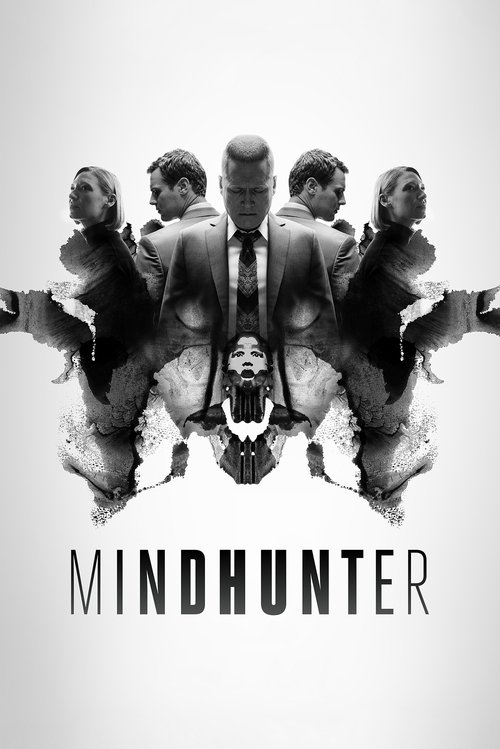
Mindhunter went places the franchise never will, and that is the point
FBI and Mindhunter are both federal procedurals, but they are tuned entirely differently. Where FBI solves the case in 42 minutes and trusts resolution, Mindhunter is interested in the unsolvable: how does violence form inside a person, and can understanding it ever really stop it? Watching both back to back clarifies what each one is doing. FBI is about institutional competence under pressure. Mindhunter is about the limits of that competence and the psychological cost of trying anyway. Neither is wrong about what procedural drama can be.
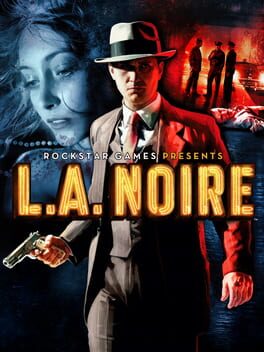
L.A. Noire is the only game that nails investigative TV's actual skill
Most crime games are about combat or stealth. L.A. Noire is about reading faces, weighing testimony, and committing to a judgment you might be wrong about. That is the skill FBI actually depicts: two agents in a room with a witness, deciding what is true. The interrogation scenes in L.A. Noire carry the same tension as the best FBI interview sequences, and the cases (some brutal by 1940s standards) share that ripped-from-reality weight. If you have wondered what it would feel like to be on the other side of the desk, this is the game.
Thomas Harris wrote the FBI's mythology before the FBI knew it needed one
Silence of the Lambs and Red Dragon introduced the behavioral profiling unit to popular culture nearly a decade before Criminal Minds or any Wolf procedural existed. Harris's Clarice Starling and Will Graham are the ur-text for every federal agent character who followed: smart, methodical, and paying a psychological price for looking too closely at evil. The books are tighter and stranger than any of their adaptations, and they hold up because Harris is genuinely interested in the work rather than just the horror.
The Federal Procedural on Screen: Key Dates
- 1988Unsolved Mysteries brings FBI cold cases to prime time Unsolved Mysteries
- 1993The X-Files introduces a paranoid, mythology-heavy FBI The X-Files
- 1999The Sopranos shifts prestige TV to crime without the badge, forcing procedurals to sharpen up The Sopranos
- 2005Criminal Minds launches the behavioral profiling procedural as its own subgenre Criminal Minds
- 2008The Wire, already landmark, enters cultural consensus as the ceiling for crime TV The Wire
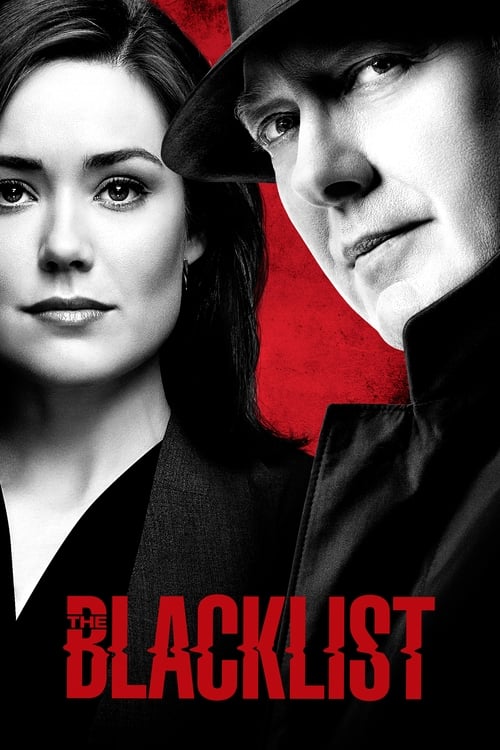
- 2013The Blacklist debuts, pairing federal procedure with serialized mythology The Blacklist
- 2017Mindhunter reframes the FBI origin story as psychological character study MINDHUNTER
- 2018FBI premieres, anchoring a new Dick Wolf franchise on CBS FBI
- 2020FBI: Most Wanted spins off, expanding the universe with fugitive tracking FBI: Most Wanted
- 2021FBI: International takes federal procedure to European settings FBI: International
The bureau is not the hero. The people inside it are. That distinction is everything.CrossBinge editors