

Fifty Shades Freed delivers what the trilogy always promised: the fantasy of total surrender given entirely on your own terms. Anastasia and Christian's story concludes in a world of private jets, Aspen chalets, and a marriage that still crackles with power games and jealousy. What fans are really chasing is that specific cocktail: glossy aspirational wealth, a dominant lead who is also emotionally fractured, explicit sensuality that sits just inside the mainstream, and the payoff of a love story where both characters change each other. The franchise crossed every medium, from fan fiction posted online to a global bestselling novel, a blockbuster film series, and a score that made Beyonce's voice feel illicit. The works below follow each of those threads.
The Fifty Shades Trilogy
The complete arc, from the Red Room to the happy ending
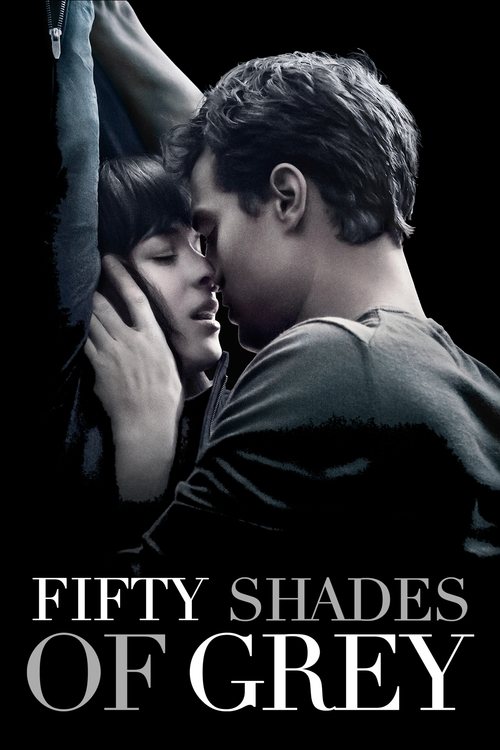
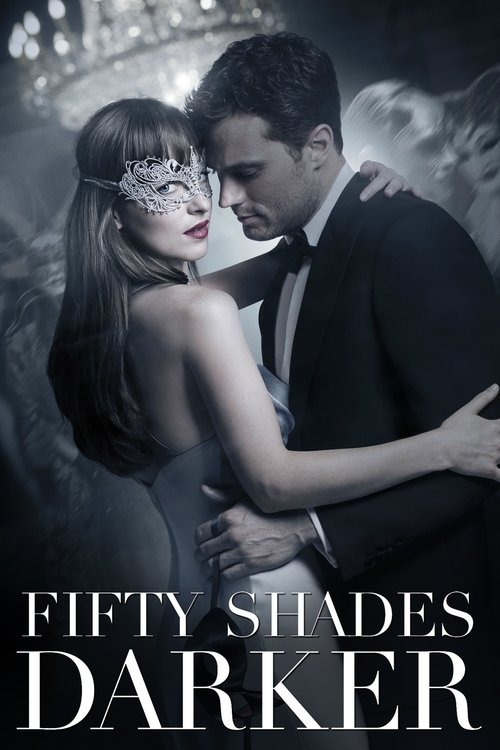
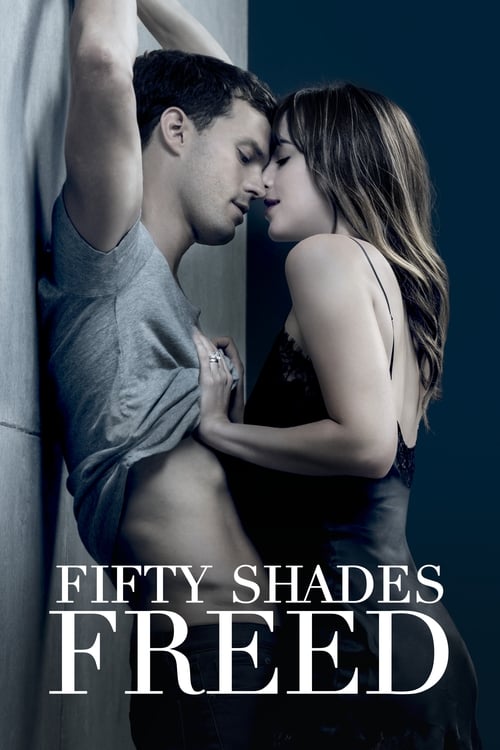
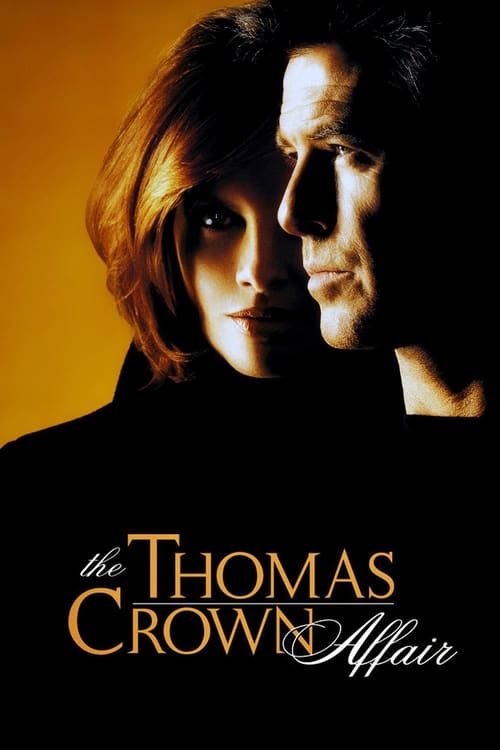
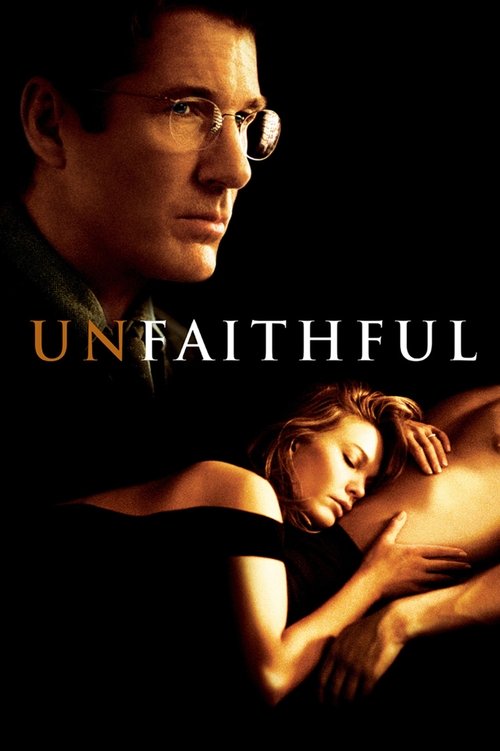
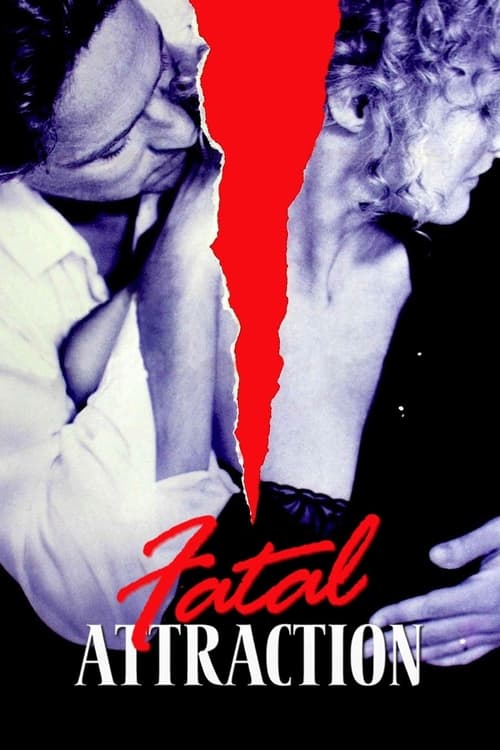
The Erotic Thriller Playbook
Films that mix dangerous attraction, wealth, and suspense the same way

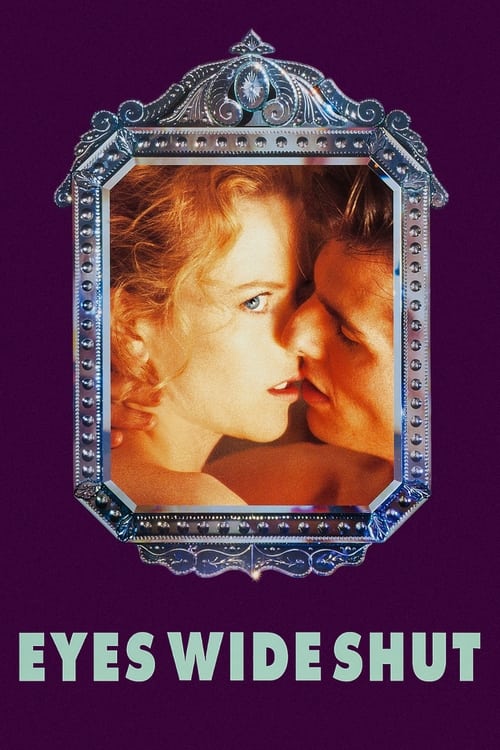


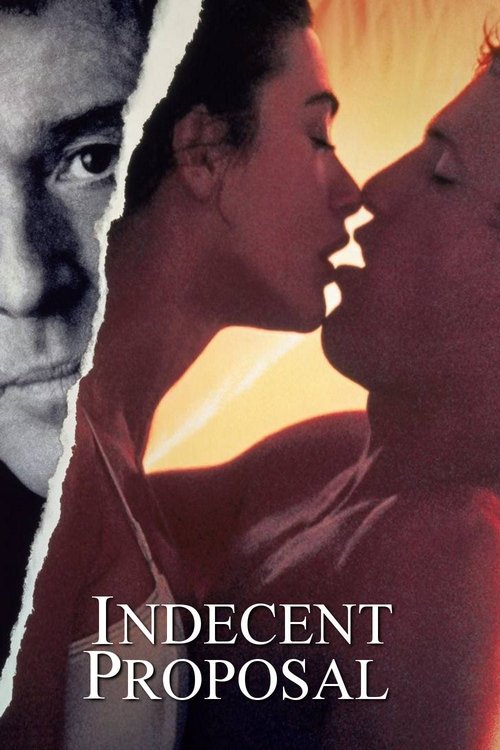


Billionaire Obsession on Screen
TV series where wealth, control, and complicated love collide

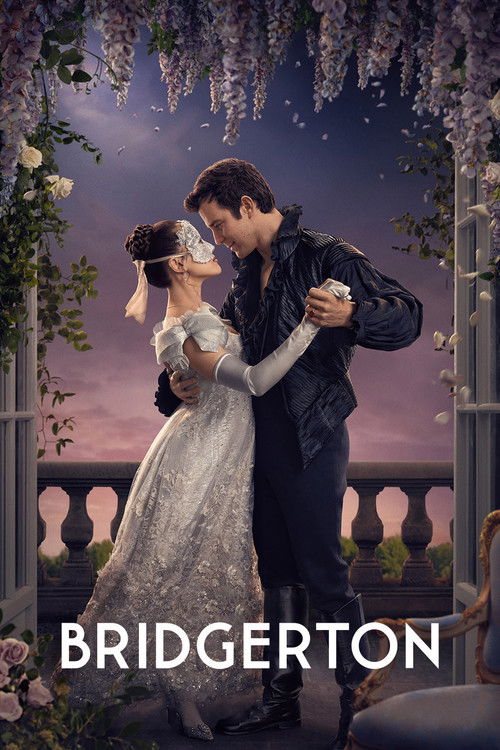


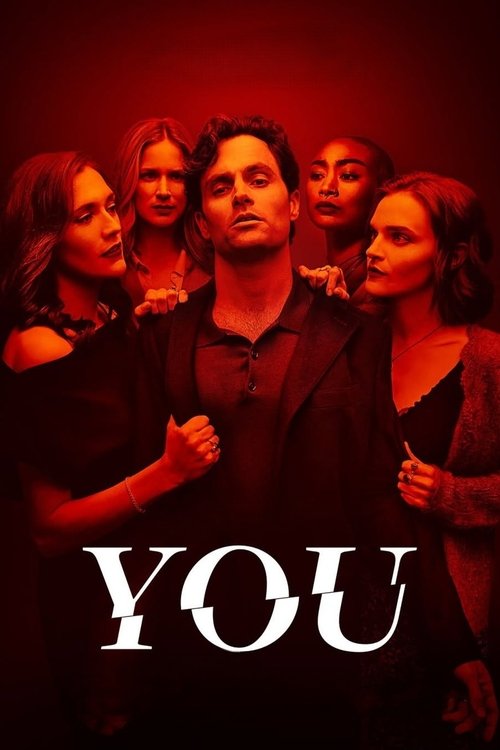
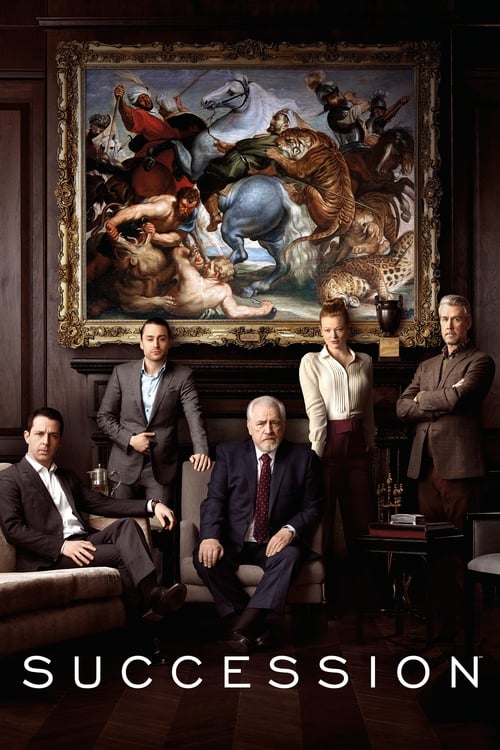


The Romance That Started It All
Novels that share Fifty Shades' roots in fan fiction, BDSM romance, and the alpha-billionaire formula


Soundtracks That Feel Like Foreplay
Albums and scores built from the same seductive, cinematic tension
Games of Desire and Control
Games where power dynamics, psychological tension, and intimate choices drive the story


The real fantasy is not the billionaire, it is the certainty of being chosen
What Fifty Shades Freed understands, and what its critics miss, is that the appeal was never really about the helicopters or the penthouse. It is about a protagonist who doubts her own worth and ends the story knowing, without reservation, that she is the one person in the world someone powerful cannot live without. That emotional logic is why readers who had never been near a BDSM contract wept at the ending. The same emotional logic powers Bridgerton, Outlander, and every Colleen Hoover novel that went viral in a supermarket book club.
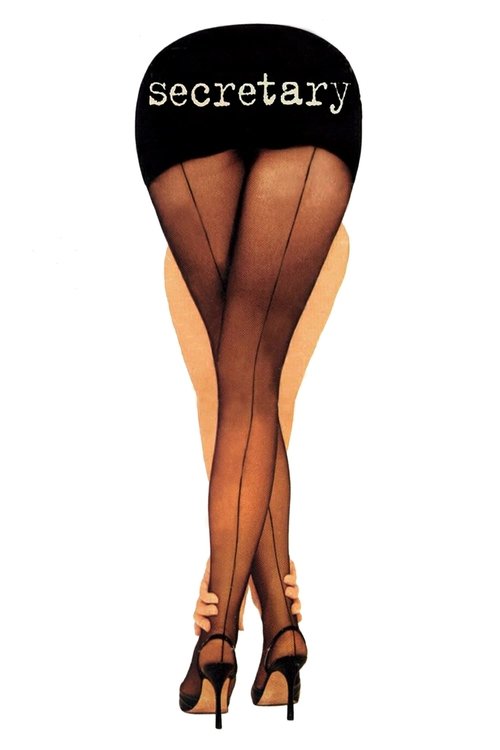
Secretary did this first, and more honestly
Steven Shainberg's 2002 film Secretary arrived a full decade before Fifty Shades and handled submission, shame, and erotic power with far more psychological precision. Maggie Gyllenhaal's Lee Holloway is not a passive ingenue waiting to be saved; she pursues her own desire with open eyes and eventually claims it. If Fifty Shades Freed felt like the Hollywood-safe version of a harder idea, Secretary is the harder idea itself.
Normal People is the antidote and the companion at once
Sally Rooney's Connell and Marianne cycle through dominance and vulnerability in ways that feel quietly devastating rather than operatically glamorous. Where Christian Grey lives in a fantasy of total control, Connell cannot even bring himself to tell his friends he has a girlfriend. Both stories are about people who find it easier to be naked than to be emotionally open. Watching or reading Normal People after Freed feels like switching from a studio film to a documentary about the same subject.
From Fan Fiction to Global Phenomenon
- 2005Stephenie Meyer publishes Twilight, the spark for Fifty Shades' origin as fan fiction Twilight
- 2011E.L. James posts the story online under the title Master of the Universe, a Twilight AU fan fic
- 2012Fifty Shades of Grey is published by Vintage Books and becomes the fastest-selling paperback of all time in the UK
- 2012Fifty Shades Darker and Fifty Shades Freed follow within months, completing the trilogy
- 2015The film adaptation opens on Valentine's Day weekend to a record-breaking global debut Fifty Shades of Grey
- 2017Fifty Shades Darker released, deeper into the thriller elements of the story Fifty Shades Darker
- 2018Fifty Shades Freed closes the trilogy on screen, grossing over $370 million worldwide Fifty Shades Freed
- 2021The Freed retelling from Ana's perspective published as a novel
Anastasia Steele walked into a glass office to interview a billionaire and walked out having changed her entire life. Fifty Shades Freed is the story of what she chose to do with that change.CrossBinge editors