André Aciman's Find Me (2019) is not a conventional sequel. It does not give you the reunion you waited for, at least not the way you expected it. Instead it opens with Elio's father Samuel on a train from Rome to Florence, falling into conversation with a young woman named Miranda, and the novel spends most of its pages in that suspended, sunlit state where two people sense they are about to change each other's lives. The book is organized around three moments of encounter: the train, a concert hall, a late-night city. What unites them is the feeling Aciman has always been most interested in: the awareness that a person could love someone absolutely, and still not be sure they are doing it right, or that the object of that love will stay. Fans of Find Me are chasing something specific: prose that feels like memory being reconstructed in real time, desire that is philosophical before it is physical, and the unsettling beauty of lives that are mostly interior. The through-line a reader loves is not plot but perception, the long, looping sentence that keeps revising itself because the feeling it describes refuses to settle.
Start Here: André Aciman
The novels and essays that form the complete Aciman world


We read to know we are not alone, but Aciman writes to remind us that being alone is also a kind of intimacy, the one we carry everywhere.On Find Me
The Train Compartment and the Concert Hall: Kindred Novels
Literary fiction about desire, memory, and the people we almost had


On Screen: Longing Made Visible
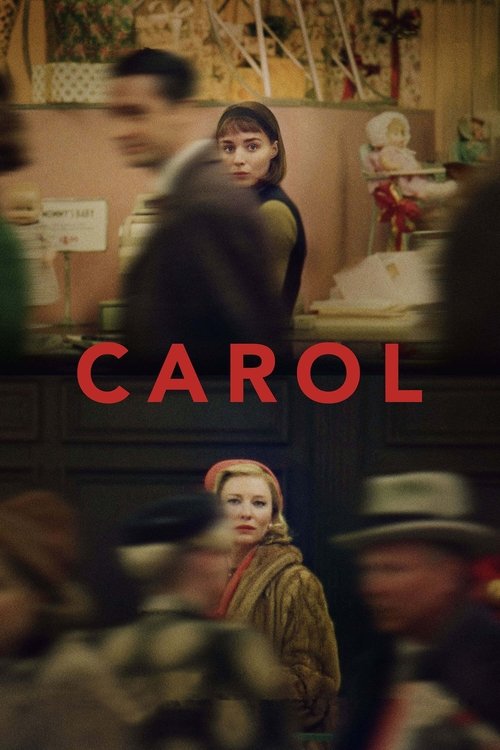
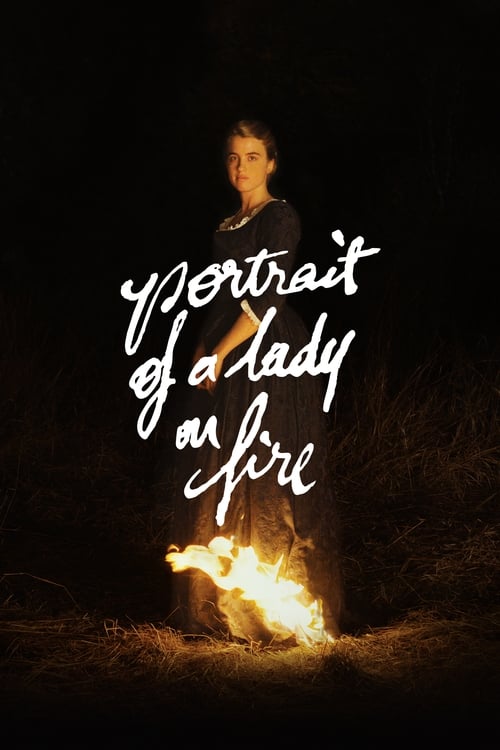
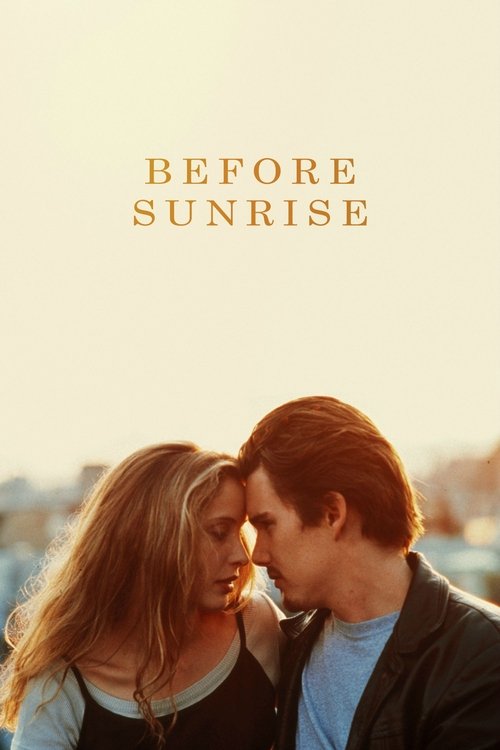
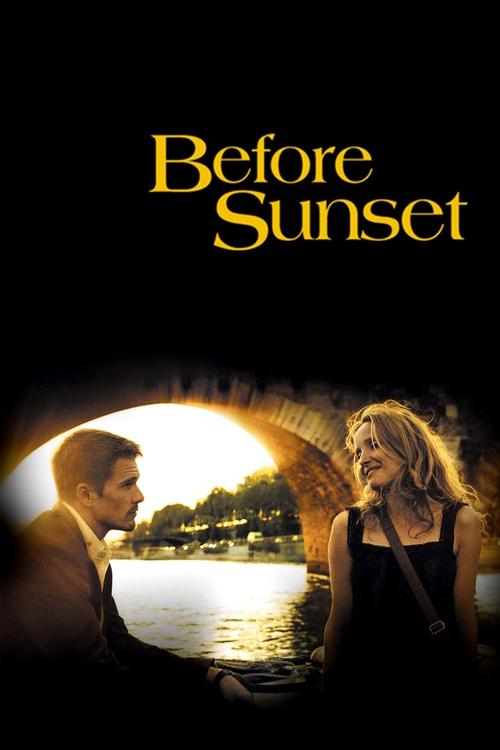
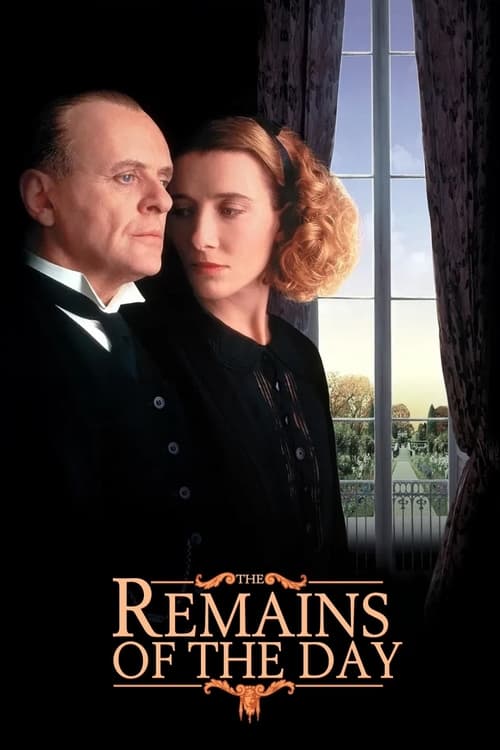
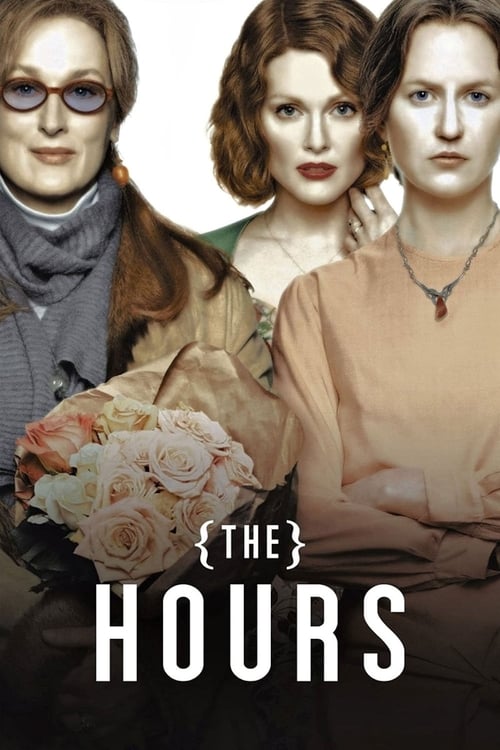
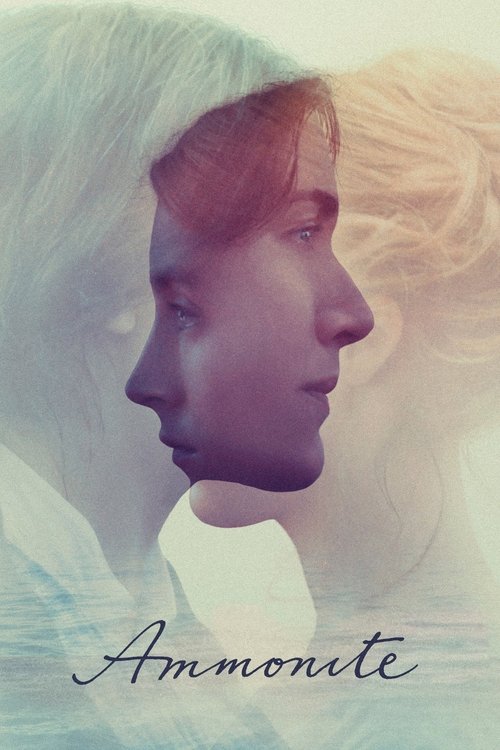
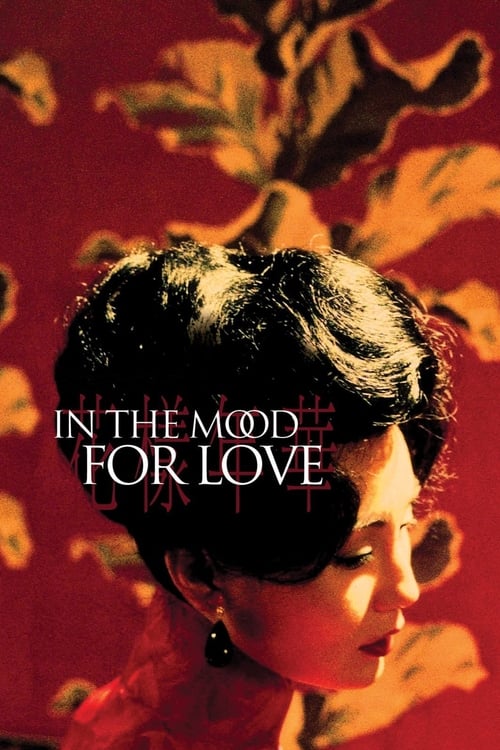
Films that share Find Me's ache for the unreachable, the remembered, and the interior life


Series for the Long Slow Burn
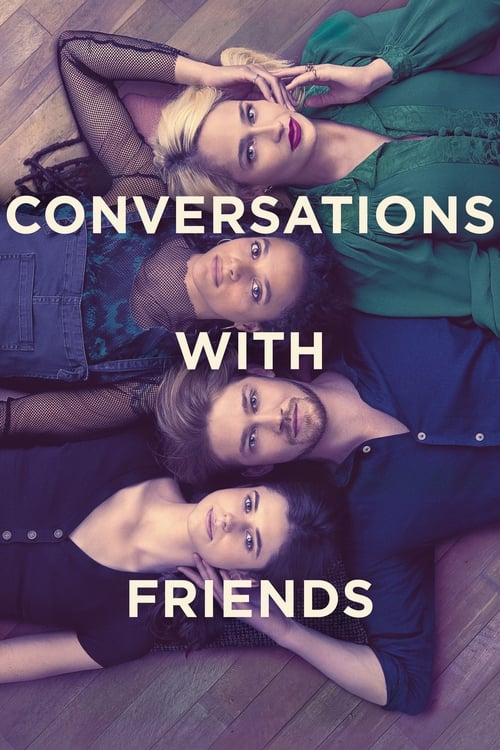
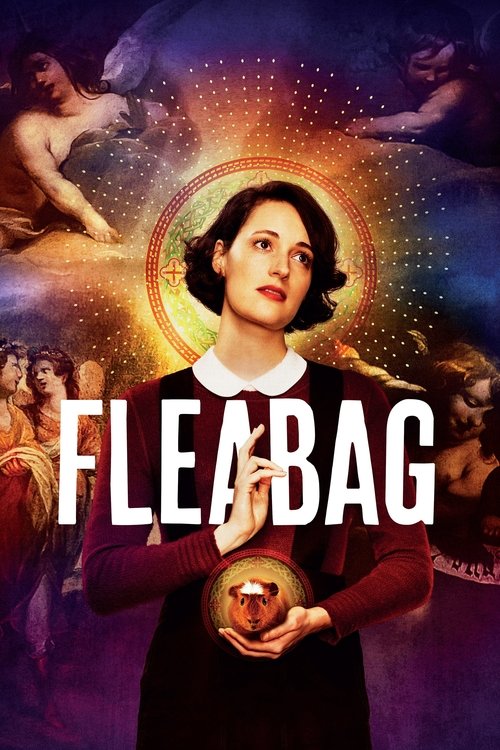
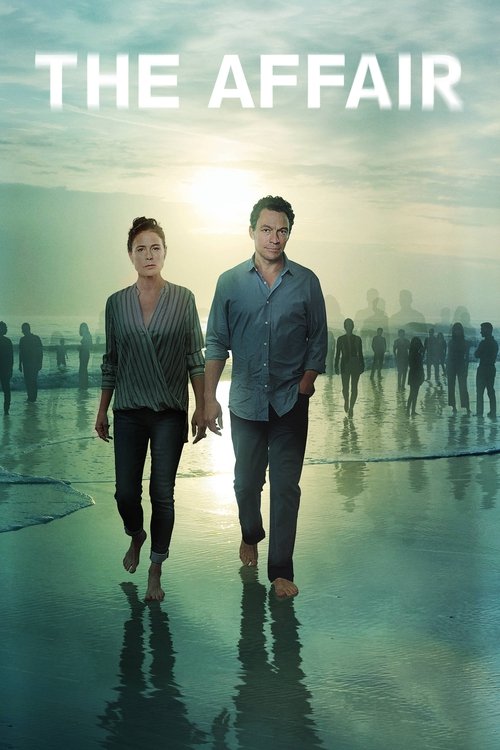
Television that respects the interior life and trusts the audience to sit with feeling
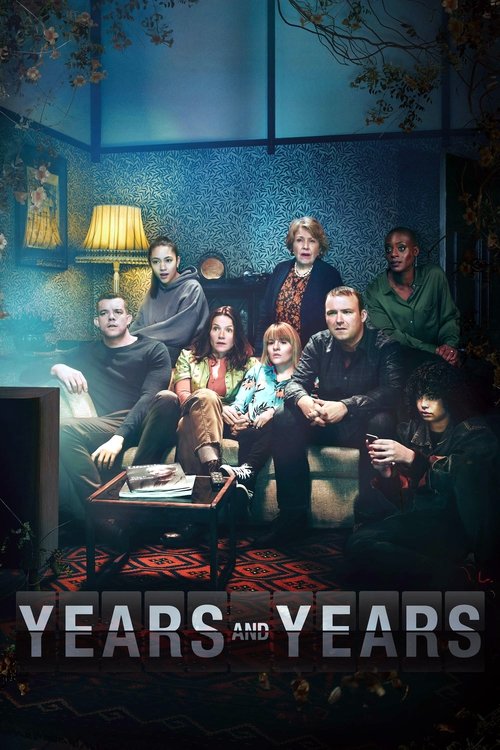
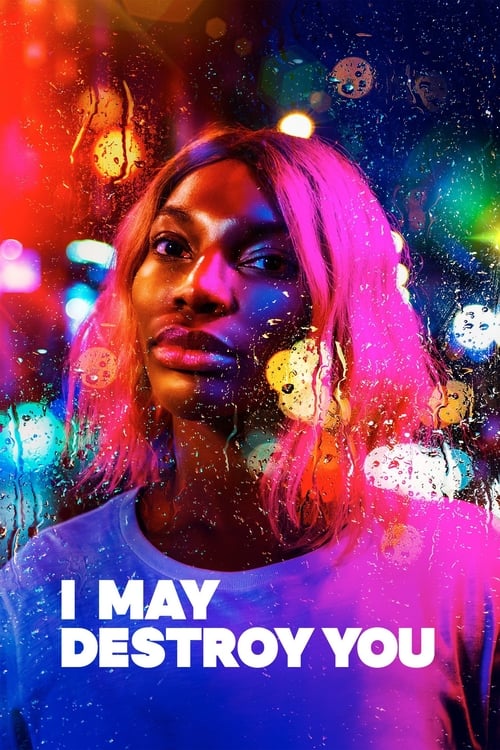
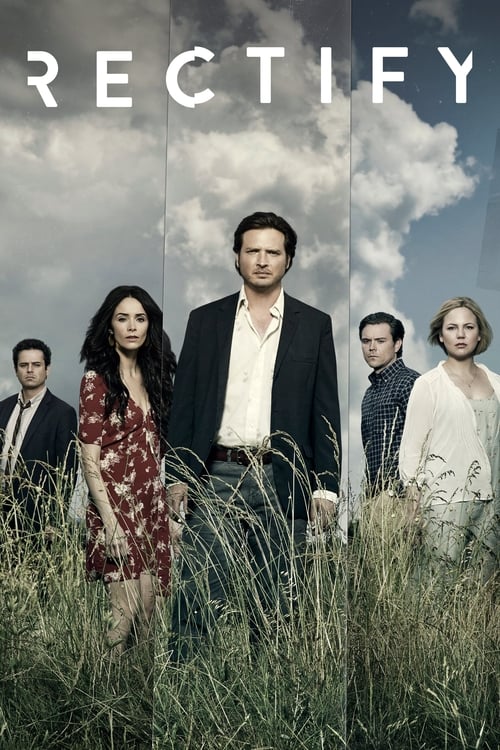


Find Me Works Because It Refuses to Deliver
Aciman structures the novel as a series of deferred gratifications. The character you spent an entire first book wanting to see again appears only at the end, briefly, tenderly, inconclusively. Readers who expected a resolution were frustrated; readers who understood what Aciman is actually doing found it devastating. The point is that desire does not resolve. It migrates. It finds new objects and carries the old ones inside them. The father falls for Miranda the way Elio fell for Oliver, and the echo is the argument. This is not a failure of plot but a theory of how we love.
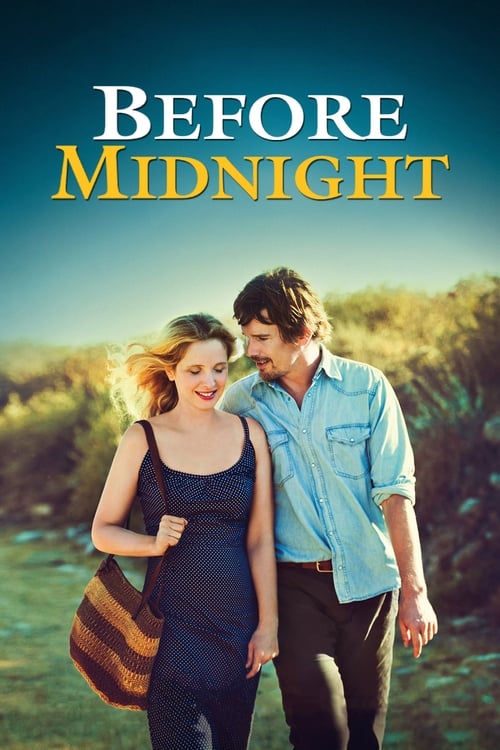
The Before Trilogy Is the Closest Film Has Come to Aciman
Richard Linklater's Before films and Aciman's prose share an obsession with the conversation as the primary unit of romance. Jesse and Celine, like Samuel and Miranda, fall in love through sustained, unguarded talk: philosophy, music, mortality, the failure of previous relationships. Both understand that desire is largely linguistic, that we seduce and are seduced by the way a person constructs a sentence, handles an abstraction, admits a doubt. Before Sunset in particular, two people in a city they once loved together, time running out, is the cinema that comes closest to what Find Me feels like on the page.
Aciman and His Influences: A Lineage of Longing
- 1913Proust completes the structure of In Search of Lost Time; Aciman's debt to Proustian memory and recursive desire is explicit throughout his career
- 1956Giovanni's Room published; James Baldwin establishes the template for queer desire set against European cities Giovanni's Room
- 1973Aciman born in Alexandria, Egypt; the displacement and nostalgia that animate all his work take root in childhood
- 1980Brideshead Revisited televised, bringing Waugh's meditation on Catholic guilt and unrequited love to a mass audience Brideshead Revisited
- 1995Before Sunrise: Linklater invents the romantic-intellectual conversation film that parallels what Aciman will do in prose Before Sunrise
- 2007Call Me by Your Name published; immediately recognized as a major work of queer American literary fiction Call Me by Your Name
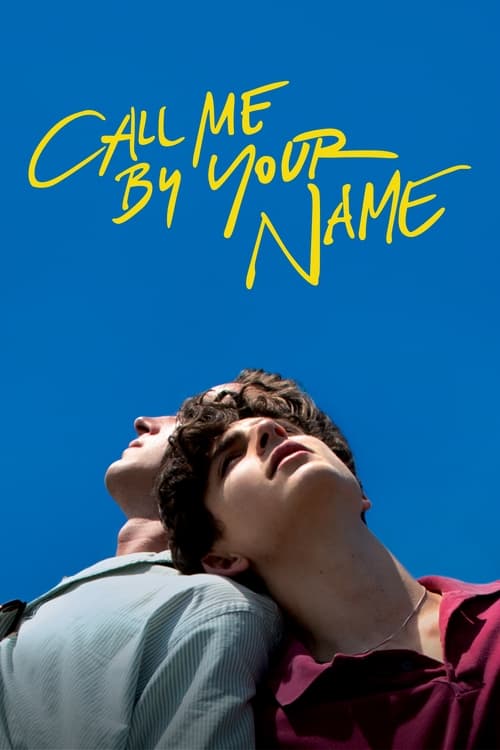
- 2017Luca Guadagnino's adaptation brings Crema, the peach scene, and Sufjan Stevens's score to global audiences Call Me by Your Name
- 2019Find Me published; Aciman continues the story with a structural detour that divides and rewards readers Find Me
Sally Rooney Writes the Same Argument in a Different Register
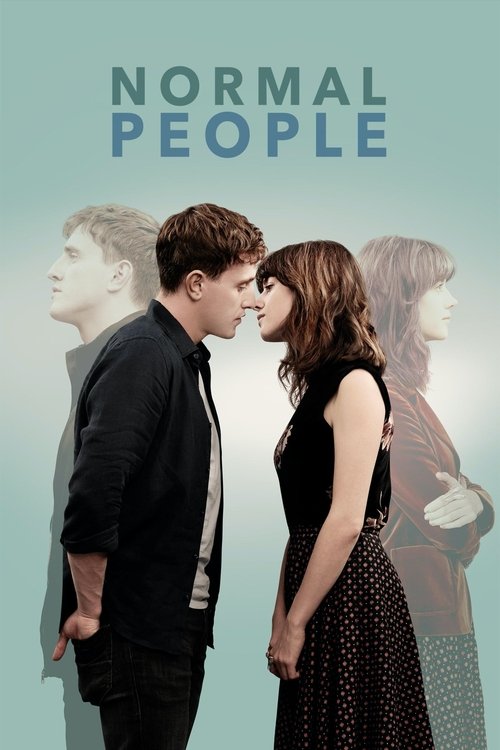
Sally Rooney and André Aciman are not obviously alike: Rooney is spare, political, self-consciously contemporary; Aciman is baroque, apolitical, preoccupied with the past. But both are essentially writing the same novel about people who cannot stop analysing their own feelings long enough to act on them, and who suspect that the analysis is itself a form of intimacy. Normal People's Connell and Marianne conduct their relationship mostly in the gap between what is said and what is meant, which is exactly where Elio lives. If you responded to the interiority of Find Me, Rooney's prose rewards the same patience.
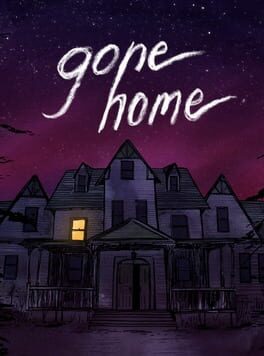
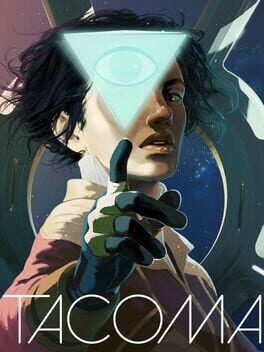
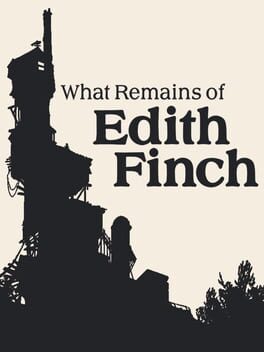
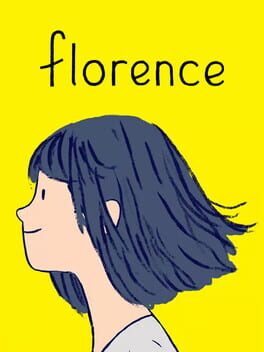
Games That Take Interiority Seriously
For players who want to sit with a feeling rather than escape from one



Italy Is Not a Setting; It Is an Argument
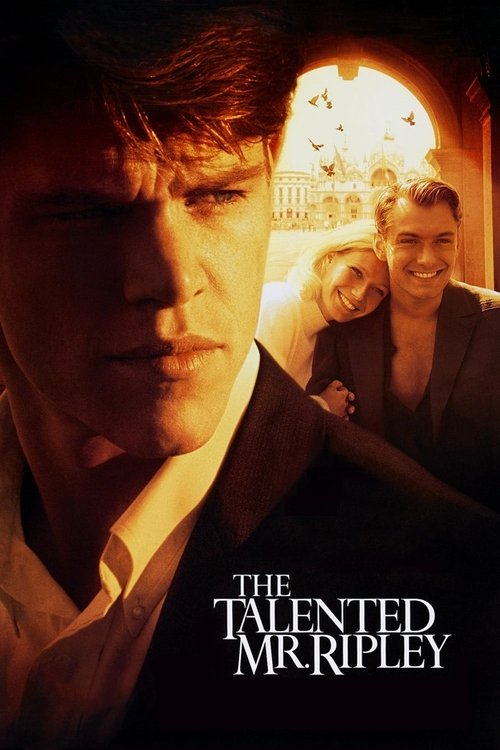
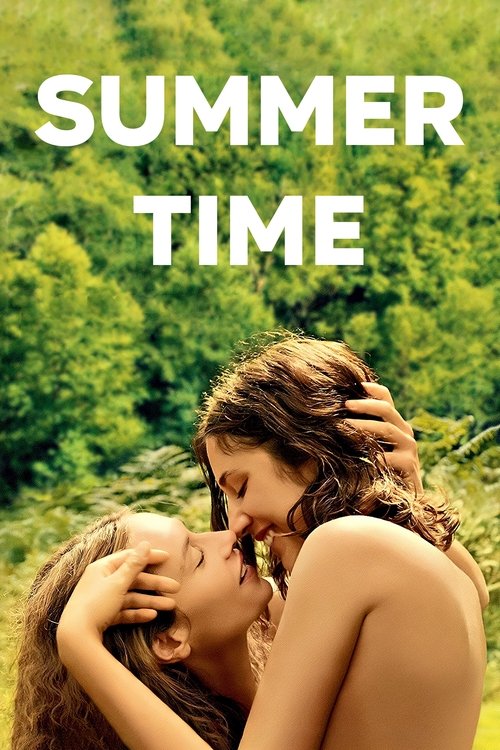
Aciman uses Italy the way Henry James used Europe: as a space where Americans and exiles become capable of feeling things they have suppressed at home. The Crema of Call Me by Your Name and the Rome-Florence train corridor of Find Me are landscapes of permission. The light, the heat, the apparent timelessness license a suspension of the ordinary self. Guadagnino's film understands this, which is why its look is so saturated and languid. Films set in Italy with a similar gravitational pull include The Talented Mr. Ripley and Summertime; both treat the country as a place where identity becomes temporarily fluid.