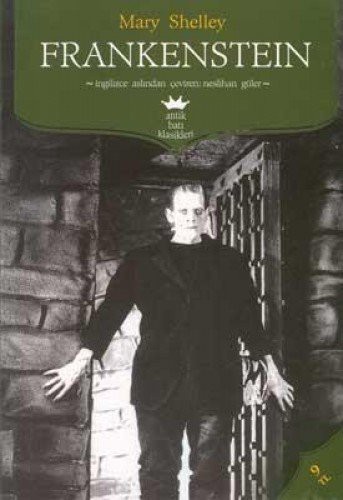

Mary Shelley wrote Frankenstein at nineteen, and she was thinking about something far older than horror: what happens when you bring something into existence and refuse to love it? The Creature is not the villain. He reads Milton, weeps at sunsets, and begs only for companionship. Victor Frankenstein is brilliant, obsessive, and catastrophically irresponsible. The novel's engine is not the lab or the lightning but the rupture between creator and created, and the grief that follows when knowledge outpaces conscience. Fans who chase that feeling are not looking for monsters. They are looking for stories about ambition without wisdom, about the person left behind by the person who was supposed to care for them, and about what it costs a world when genius refuses accountability.
Did I request thee, Maker, from my clay to mould me Man? Did I solicit thee from darkness to promote me?Mary Shelley, Frankenstein (epigraph, quoting Milton's Paradise Lost)
On Screen: Adaptations and Kindred Films
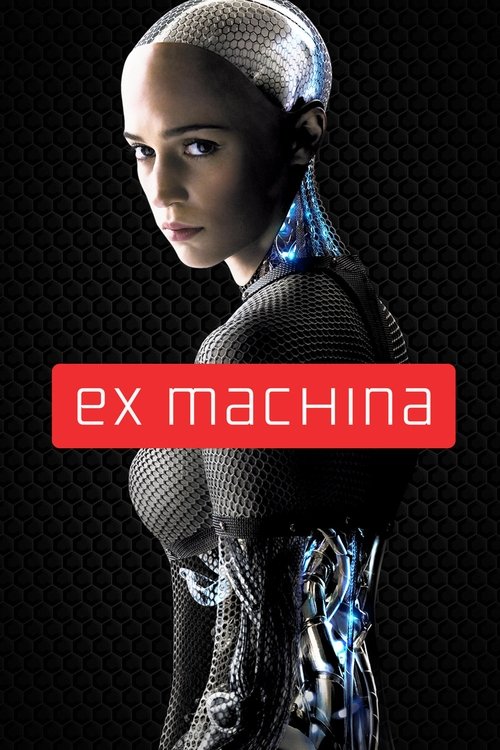
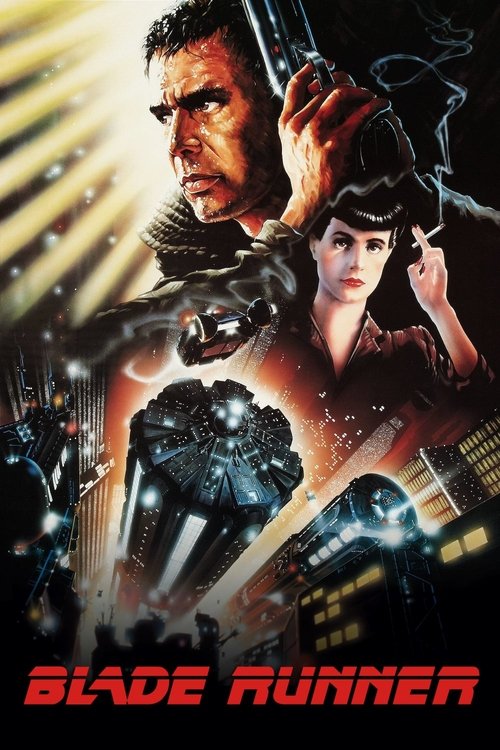
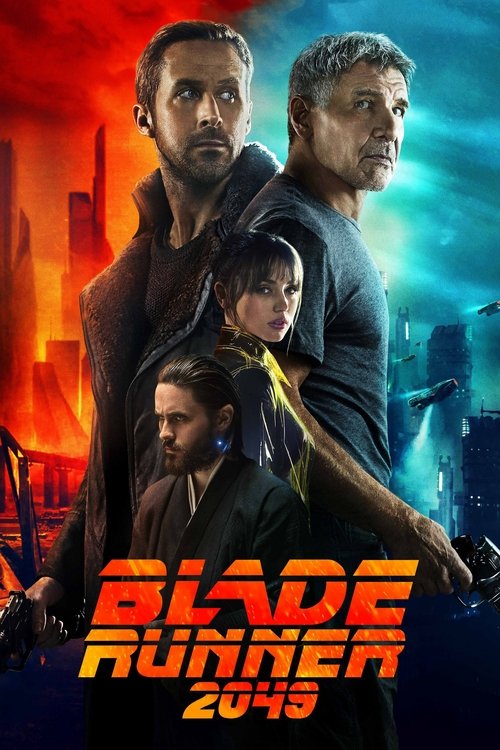
Cinema that wrestles with the same creator-creature fault line
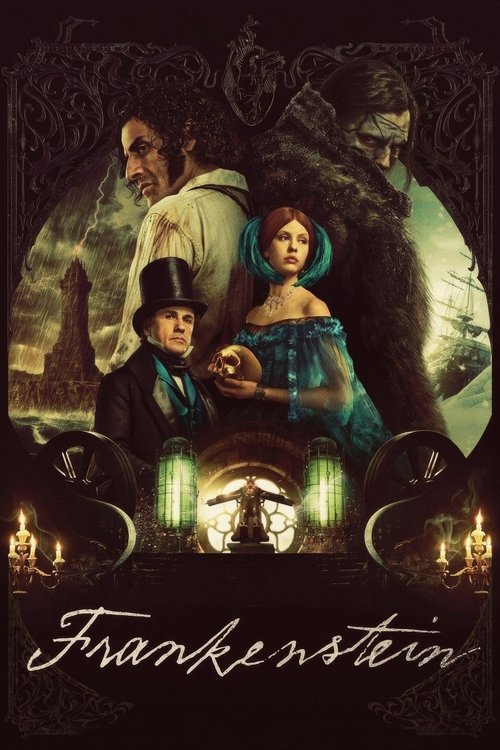
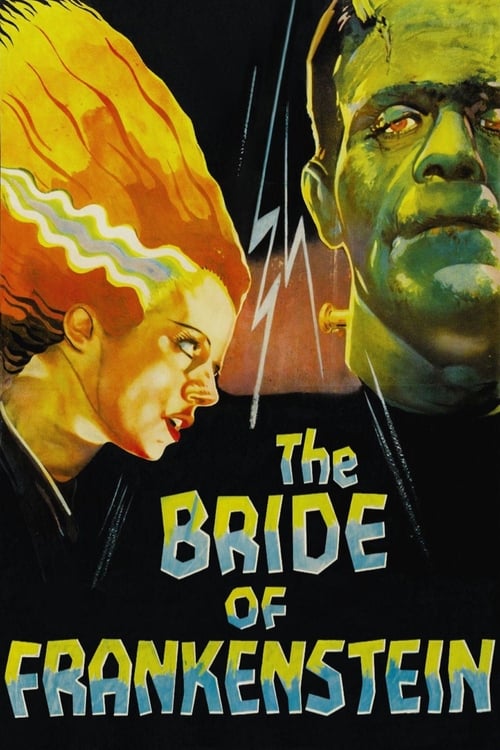
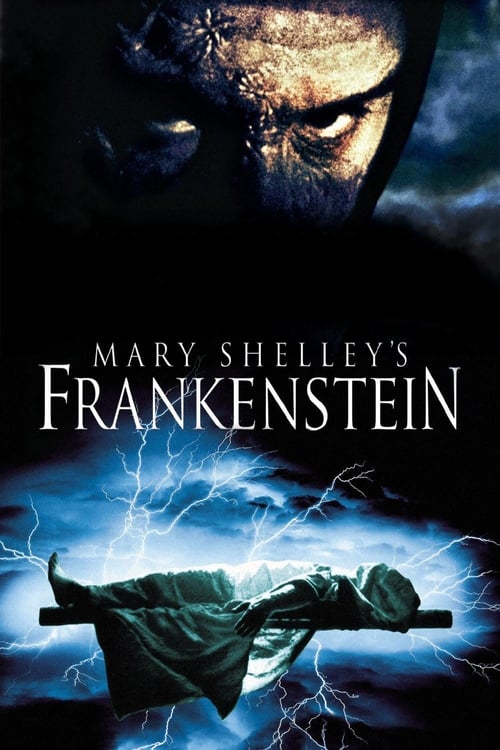
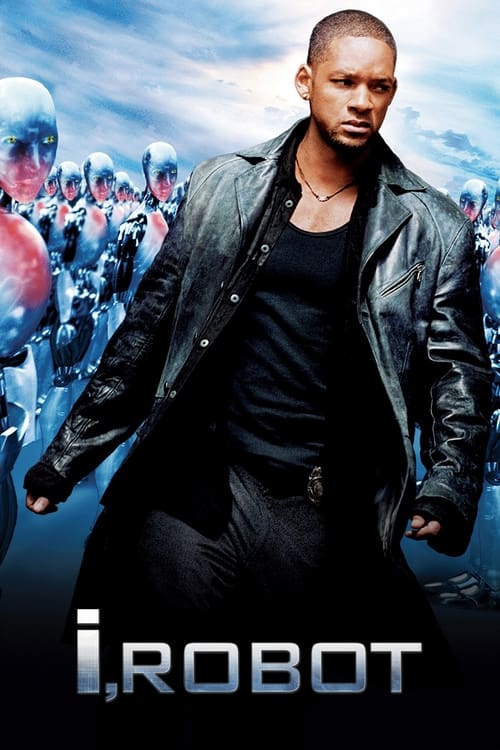
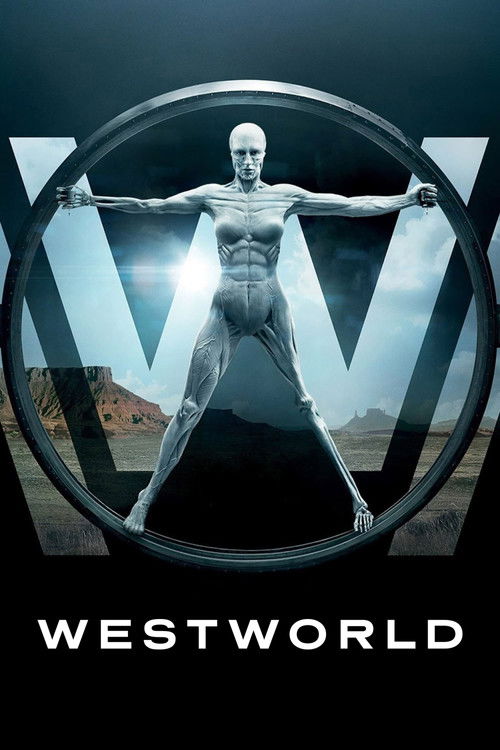
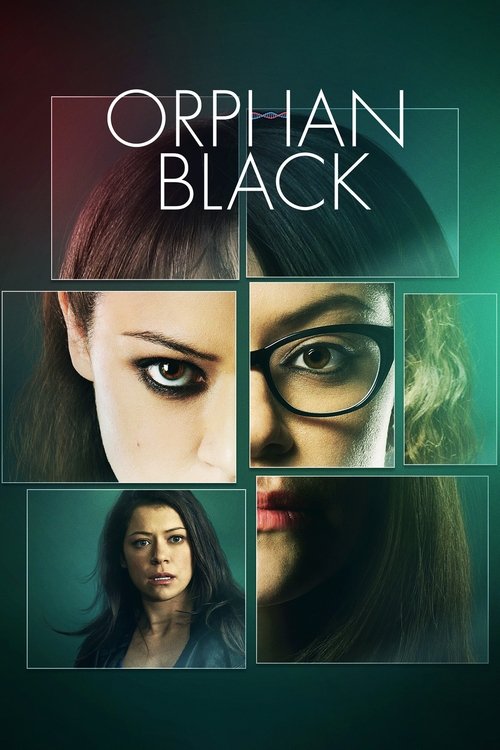
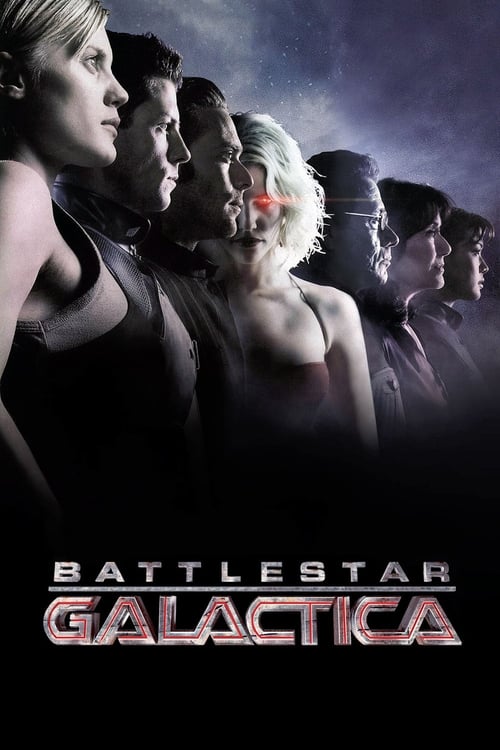
Series for the Long Obsession
TV that unpacks what we owe the lives we create or engineer
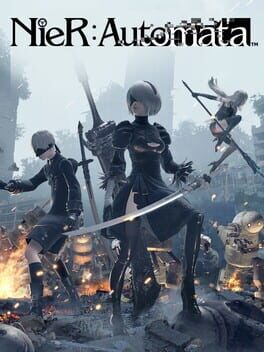
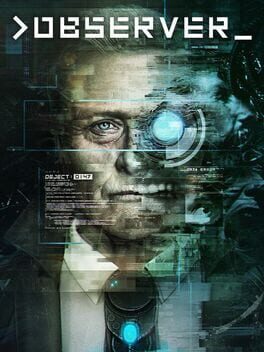
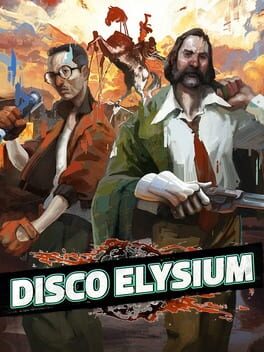
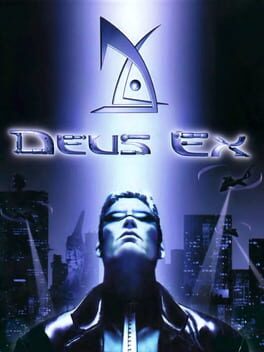
Games That Put You in the Creator's Chair
Play as the maker, the made, or the conscience caught between
Music: Scores and Albums for the Gothic Lab
Composers who found the same cold grandeur and ethical dread
The Creature Is the Hero, Not the Monster
Every adaptation that makes the Creature inarticulate and violent misses Shelley's point entirely. In the novel he is the most eloquent character, and the most wronged. He has read Goethe and Plutarch. He asks for one thing: a companion. Victor refuses out of disgust, not reason. If any character in the book deserves the label 'monster,' Shelley's text makes the case that it is the one with the degree, not the one with the scars.
Victor Frankenstein Is the Template for the Reckless Genius
Walter White. Robert Ford. Eldon Tyrell. The tech founder who ships first and thinks later. Victor is the ancestor of every fictional and real figure who mistakes capability for permission. He can animate flesh so he does, then leaves the scene when the consequences arrive. Shelley wrote this character in 1818 and she had it exactly right: brilliance without responsibility does not end in triumph, it ends in pursuit, across ice, toward an ending nobody wanted.
Two Centuries of Creation Anxiety
- 1818Mary Shelley publishes Frankenstein anonymously, aged 20 Frankenstein
- 1831Shelley revises the novel for its first signed edition, softening Victor's culpability
- 1886Stevenson's Jekyll and Hyde reframes the split between respectable science and its consequences
- 1896H.G. Wells publishes The Island of Doctor Moreau, the first explicitly evolutionary take on the creator problem
- 1931Universal's Frankenstein makes Boris Karloff's Creature iconic and inadvertently inarticulate Frankenstein
- 1935Bride of Frankenstein gives the Creature a voice and then takes it away Bride of Frankenstein
- 19682001: A Space Odyssey replaces the biological Creature with HAL 9000, made of code 2001: A Space Odyssey
- 1982Blade Runner asks whether a made thing that feels is owed legal personhood Blade Runner
- 1994Mary Shelley's Frankenstein (Branagh/De Niro) attempts the full novel on screen Mary Shelley's Frankenstein
- 2013Orphan Black puts cloned women at the center, asking who owns a body you engineered Orphan Black
- 2015Ex Machina distills the creator-creature power dynamic to its coldest form Ex Machina
- 2015Kazuo Ishiguro's The Buried Giant; his Never Let Me Go (2005) remains the literary heir Never Let Me Go
- 2021Klara and the Sun asks whether love built from observation is still love Klara and the Sun
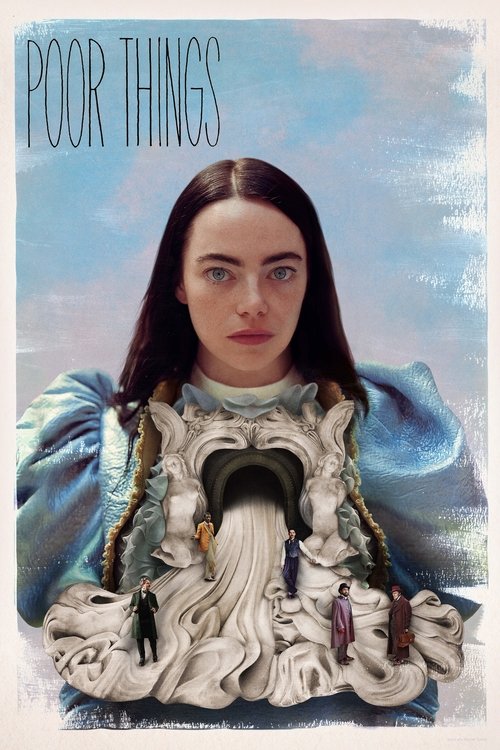
- 2023Poor Things reimagines Frankenstein from the Creature's perspective as a woman reclaiming herself Poor Things