
Arcade Fire recorded Funeral in Montreal during a year when several members of the band's extended family died. That biographical fact matters less than what it produced: a debut album that felt, in 2004, like it had arrived from some parallel present where indie rock had never learned to play small. Win Butler and Régine Chassagne layered orchestral strings, hurdy-gurdies, glockenspiels, and sheer vocal force into eight tracks about the suburban childhood that forms you and the adulthood that unmakes everything you believed about it. The fan who keeps returning to Funeral is not chasing nostalgia for its own sake. They are chasing the feeling of scale applied to private grief, the sense that a song about a neighbourhood can suddenly feel like it is about the entire twentieth century. The works below share that quality: large ambition, communal energy, a belief that pop forms can hold serious emotional weight.
Essential Arcade Fire
The band's own albums, from the debut that changed everything to the restless experiments that followed.
If You Love Funeral: Records That Share the Cathedral
Albums that build the same sense of grandeur out of intimate, communal feeling.
The Suburbs Is Funeral's True Sequel, Not Its Inferior Copy
Critics in 2010 hedged their praise for The Suburbs by calling it more restrained than Funeral. That restraint was the point. Win Butler was writing about the specific loneliness of growing up in The Woodlands, Texas, and understatement served that subject. The album's scope is horizontal rather than vertical, sprawling across eighteen tracks the way a suburb sprawls across land. It won the Grammy for Album of the Year and has since been quietly reassessed as the band's most complete statement. Anyone who loves Funeral's suburban mythology owes The Suburbs a proper re-listen without the competitive framing.
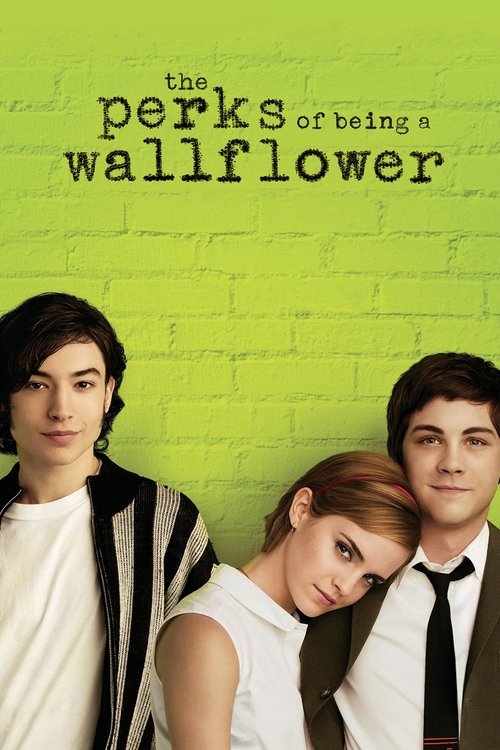
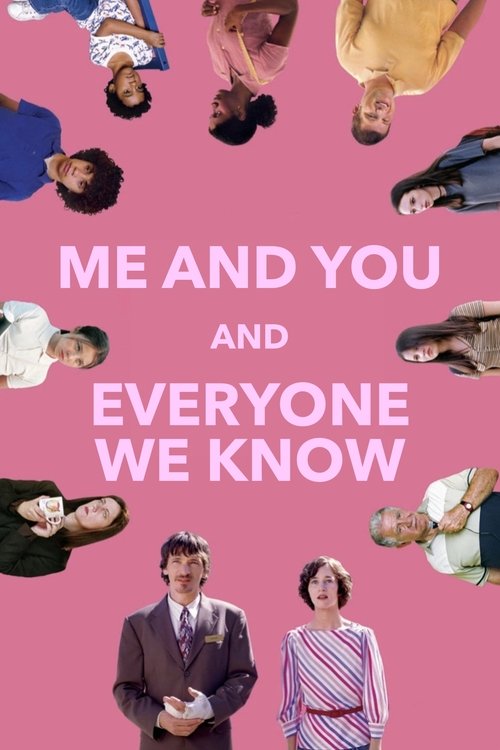
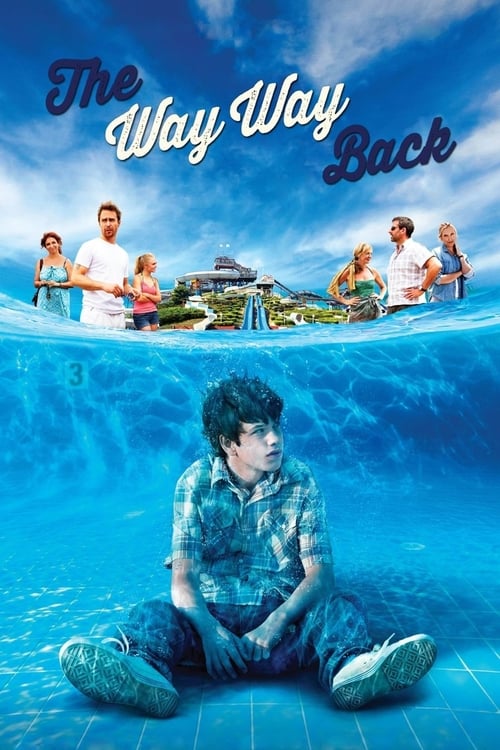
Films That Match the Energy
Cinema with the same tonal register: adolescence as mythology, grief as shared event, the built world as emotional landscape.
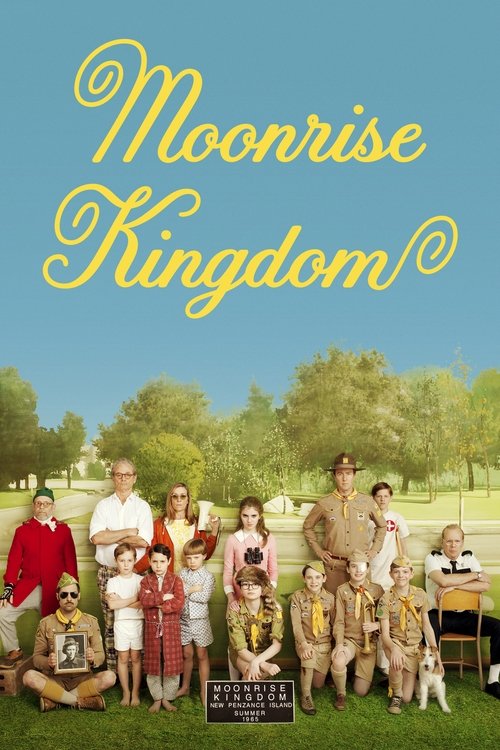

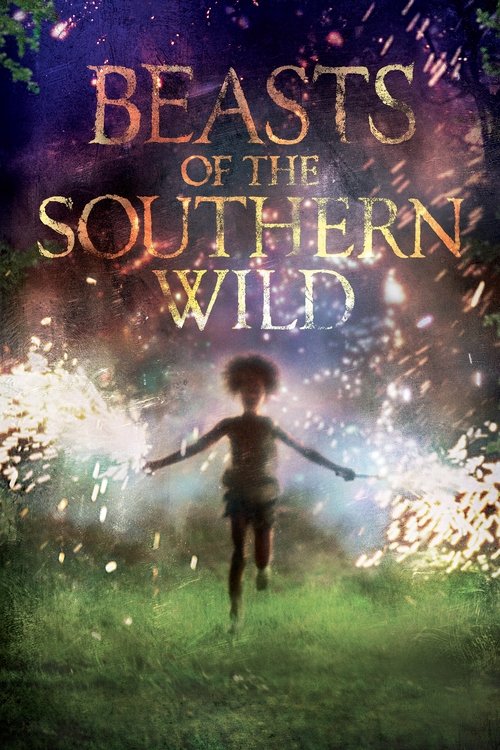
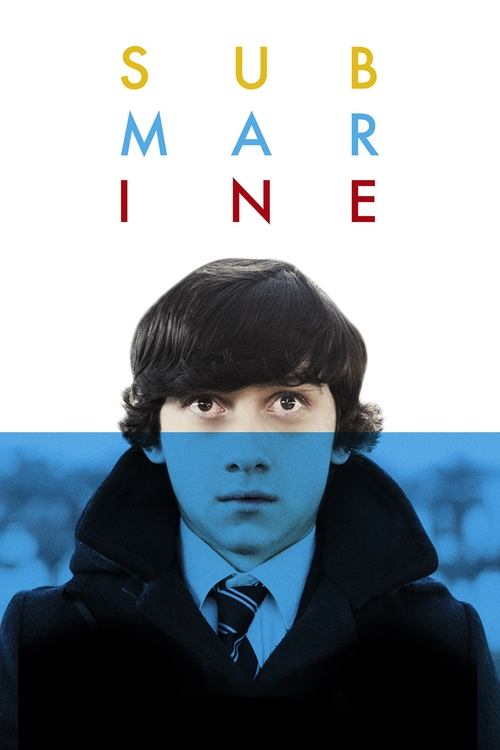
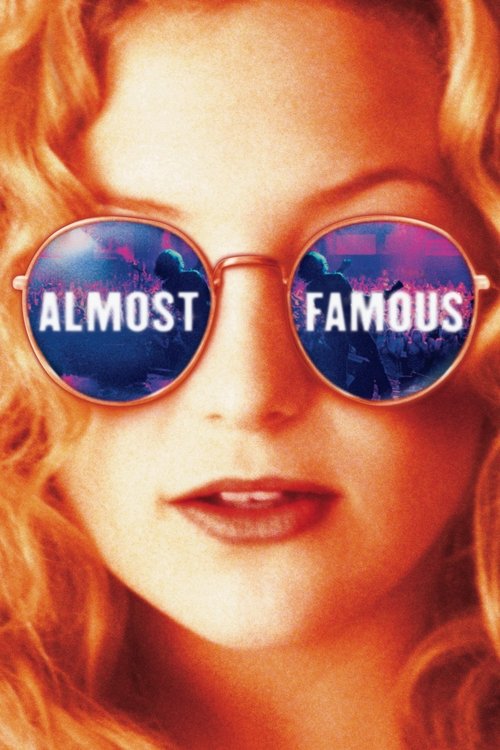


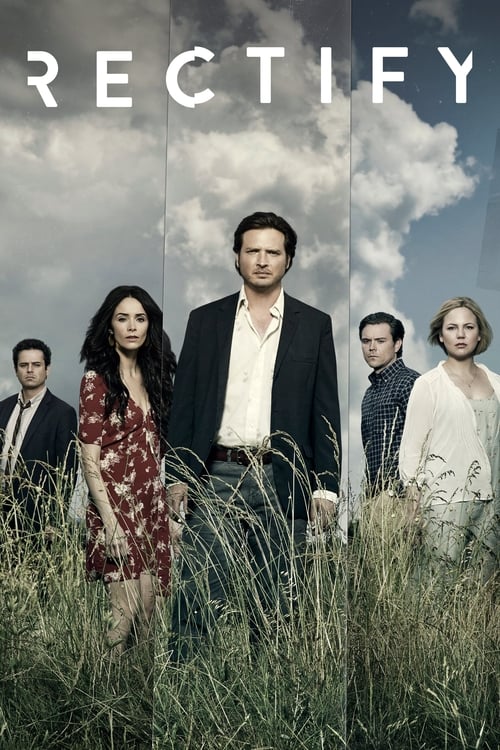
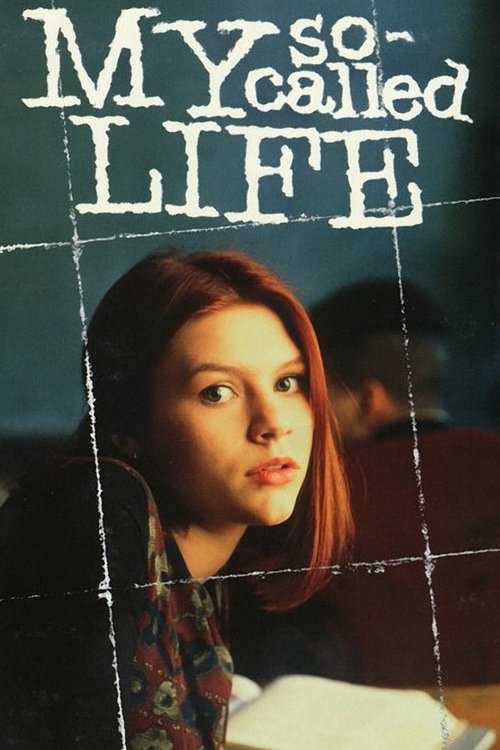
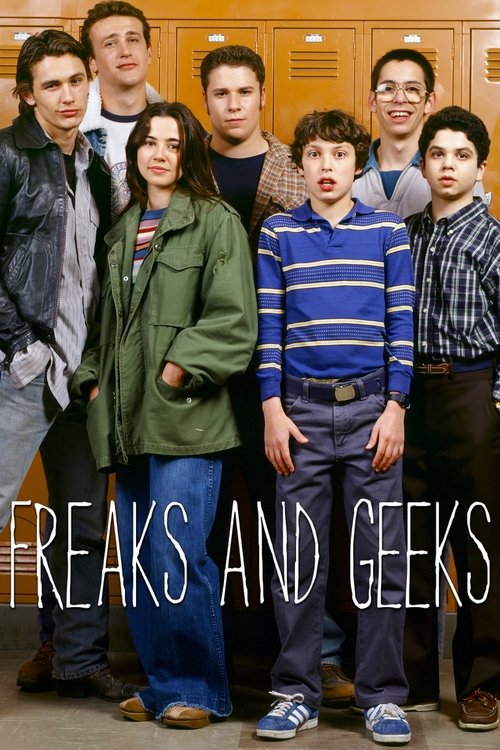
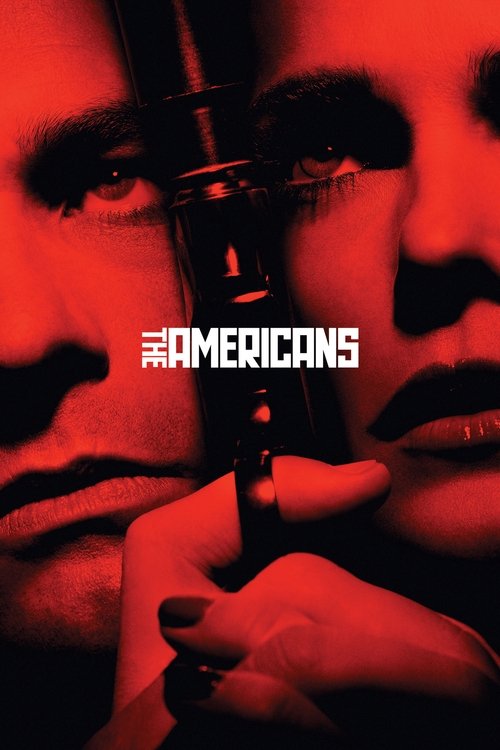
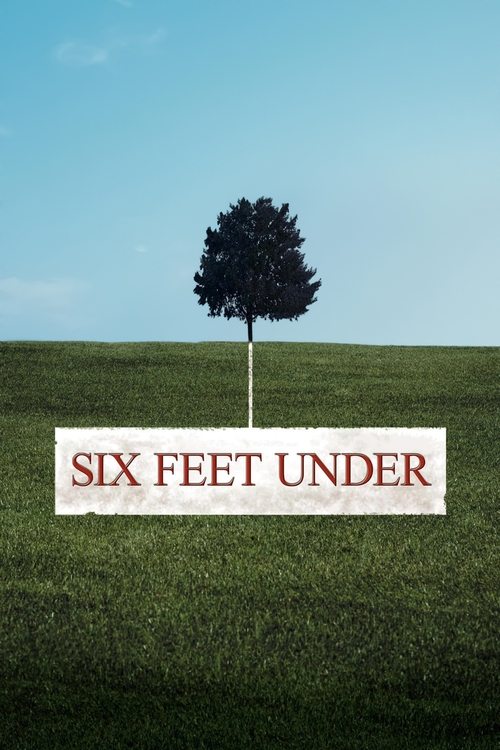
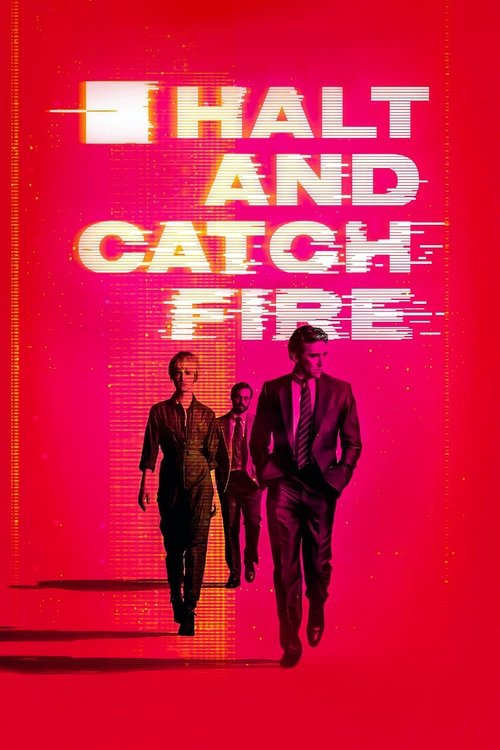
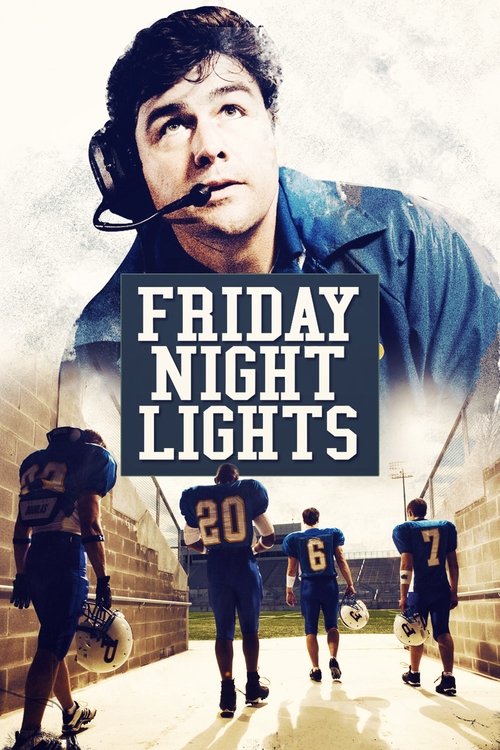
Television That Earns Its Scale
Series that trust their audience to feel big things without ironic distance.

Music Documentaries and Concert Films
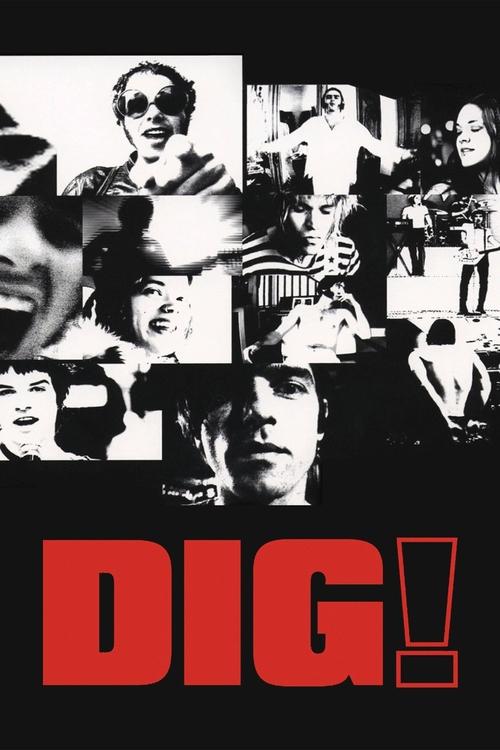
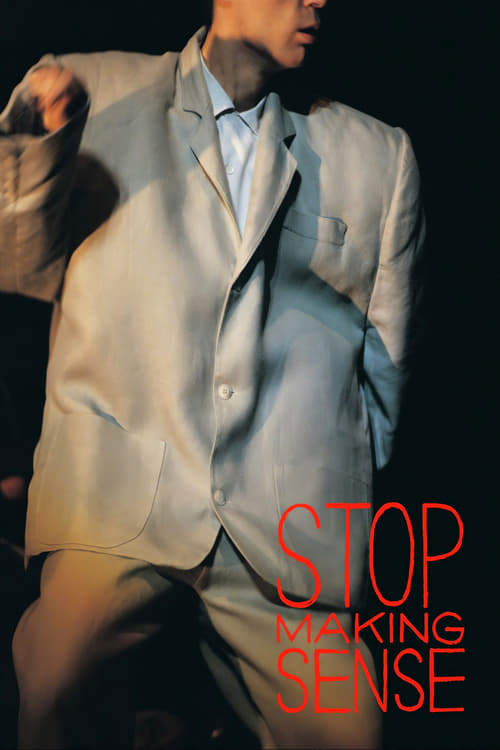
Films about the creative act and the community that sustains it.


Novels That Carry the Same Weight
Fiction about childhood's end, collective loss, and the places that shape a self.


Win Butler Was Writing About Grief Before He Knew How to Name It
The album's title and its biographical context are well-documented, but Funeral's real emotional achievement is that it does not sound like an album about death. It sounds like an album about the way childhood ends: not a single event but an accumulation of small losses that you register only in retrospect. "Wake Up" was written as a lullaby for an infant niece. "Neighborhood #1 (Tunnels)" imagines two adolescents escaping their parents' houses through snow. The grief is structural, not confessional. That is why the record travels so well across time and culture: it describes a feeling that precedes any specific loss.
We used to wait / Now we're screaming sing the chorus again.Arcade Fire, "The Suburbs"
The World That Made Funeral
- 1995Mogwai release their debut single; post-rock begins building the template for wordless emotional enormity that Arcade Fire will translate into song.
- 1998Neutral Milk Hotel release In the Aeroplane over the Sea, proving that baroque indie instrumentation and raw vulnerability can coexist on a record aimed at no one and beloved by everyone. In the Aeroplane Over the Sea
- 2001Interpol form and begin playing New York lofts; the post-punk revival gives indie rock its cold grandeur back. Turn On the Bright Lights
- 2003Arcade Fire self-release their debut EP on CD-R out of Montreal. Win Butler and Régine Chassagne are already performing with the large ensemble format that will define the band.
- 2004Funeral is released on Merge Records in September. Pitchfork gives it a 9.7; the record spreads by word of mouth through the blogosphere at a speed that felt unprecedented for an independent release. Funeral
- 2005The band performs on Saturday Night Live and sell out venues that dwarf what any of their peer indie acts could fill. The communal, orchestral live show becomes as central to the myth as the album. Funeral
- 2007Neon Bible arrives, grander and angrier, confirming the band will not repeat themselves. Neon Bible
- 2010The Suburbs wins the Grammy for Album of the Year, a first for an independent-label artist in the category, and signals that the scale Funeral established has reached the mainstream. The Suburbs
"Wake Up" Is the Great Crowd Song of Its Decade
There is a specific joy that belongs to hearing a large crowd sing a song that was not designed to be a stadium anthem. "Wake Up" happened to a generation at shows where it was played as the encore closer, with the houselights up and several hundred or several thousand people singing a children's chorus together without irony. It is not a political song or a protest song, but it functions like one: it asks you to choose wakefulness, to choose presence, to choose the people around you. That is a harder ask than it sounds. The song is now over twenty years old and it still works in that room, which is a more reliable measure of quality than any review.