
Released in 2008 as a surprise download-first experiment, Nine Inch Nails' Ghosts I–IV is 36 instrumental tracks built from repetition, decay, and negative space. Trent Reznor shed the aggression of his earlier work and let the machines breathe. The result is closer to Harold Budd than industrial rock: heavily textured loops that feel both ancient and synthetic, records you play through a whole room rather than in your ears alone. Fans of Ghosts are chasing a specific sensation: the feeling of sound as atmosphere, art that is patient enough to sit with discomfort and find beauty there. What follows maps that appetite across film, television, books, games, and music.
Essential Nine Inch Nails
The arc from aggression to atmosphere, including the ambient turn that produced Ghosts.
Kindred Ambient and Electronic Records
Albums that share the same devotion to texture, space, and patient unease.
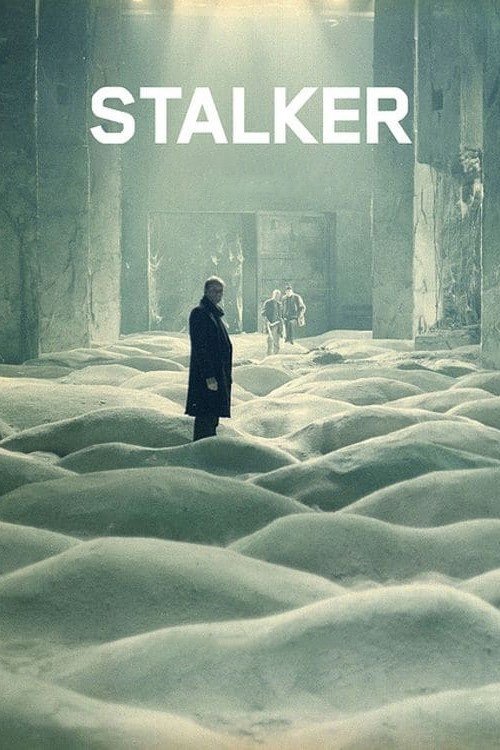
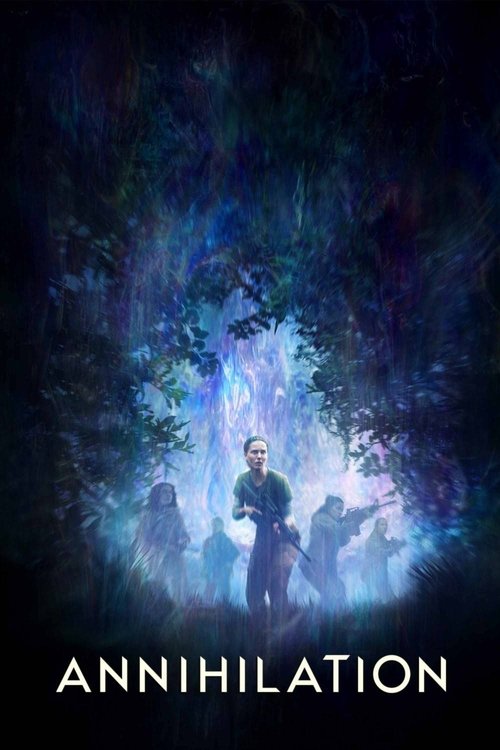
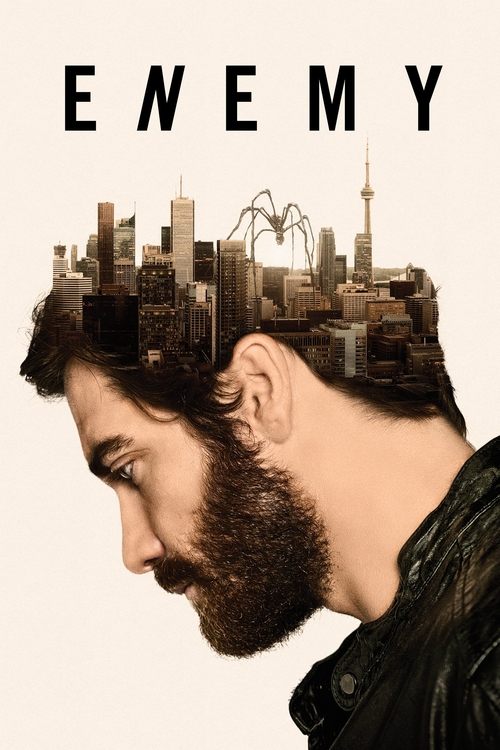
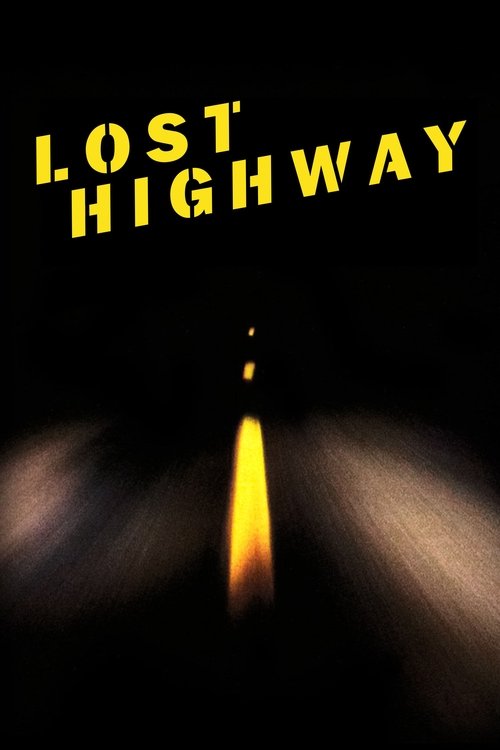
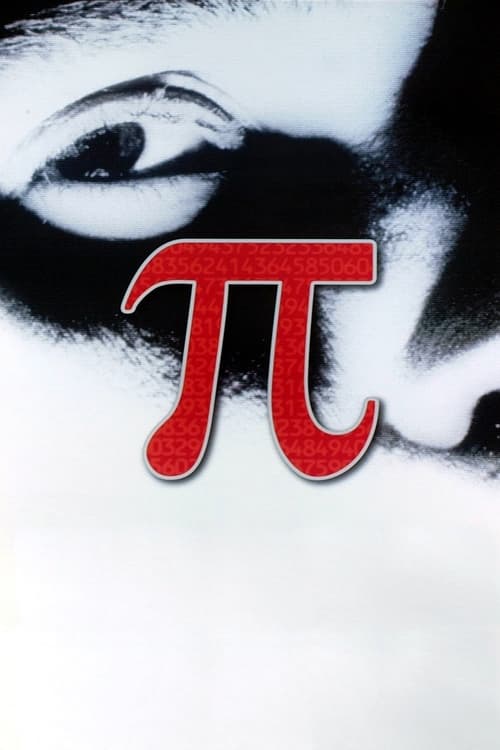
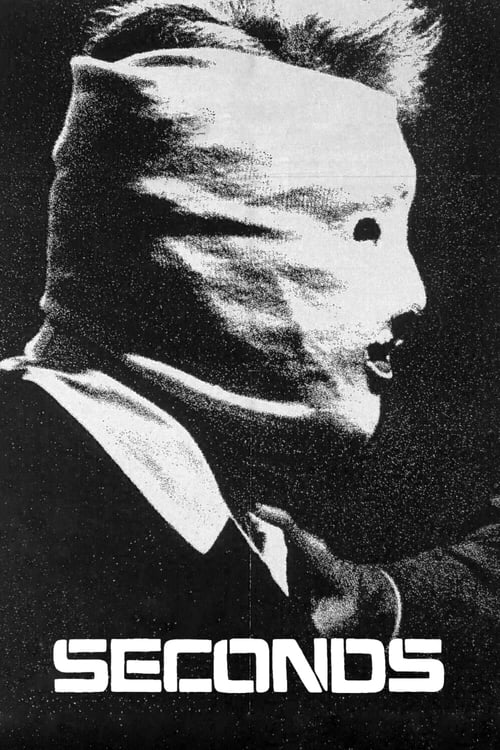
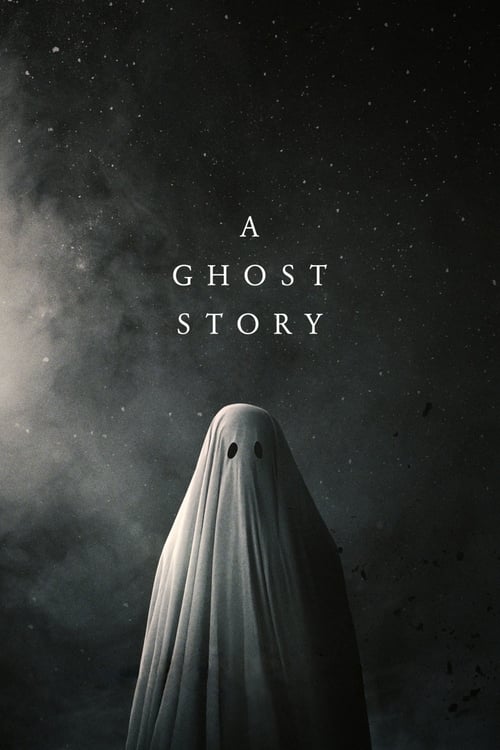
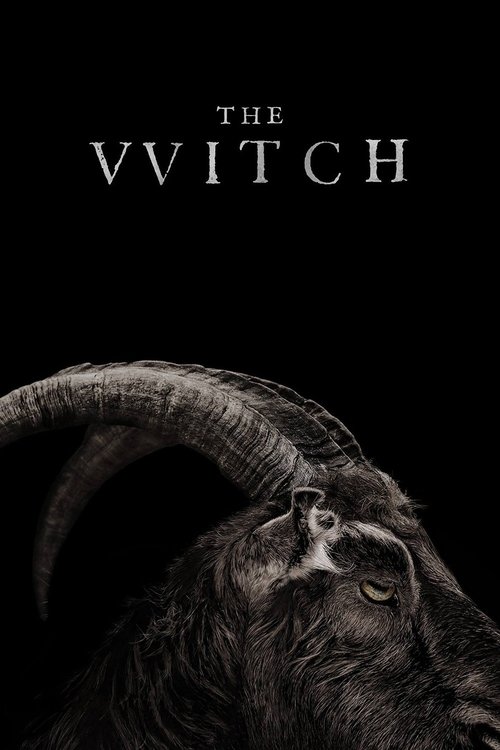
Films That Sound Like Ghosts
Cinema that uses score and silence as a primary storytelling language, not a backdrop.


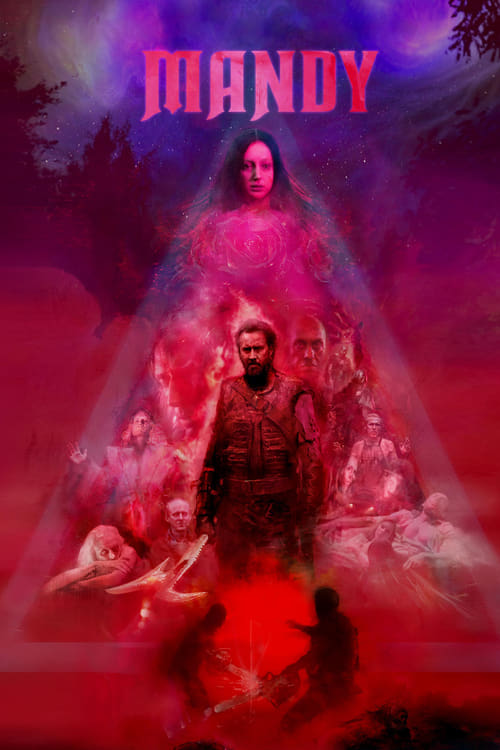
Television Built on Dread and Texture
Series where the ambient atmosphere does as much work as any character or plot.
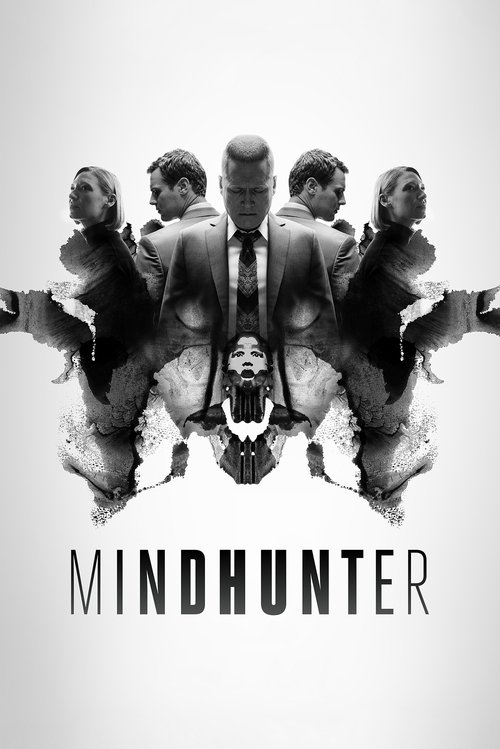

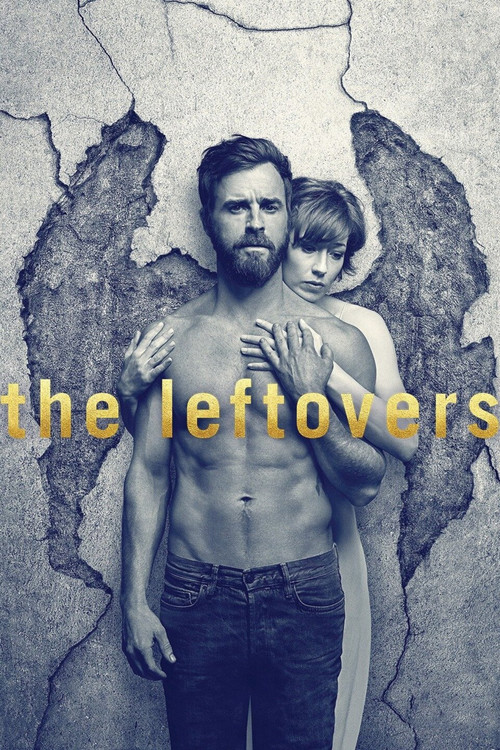
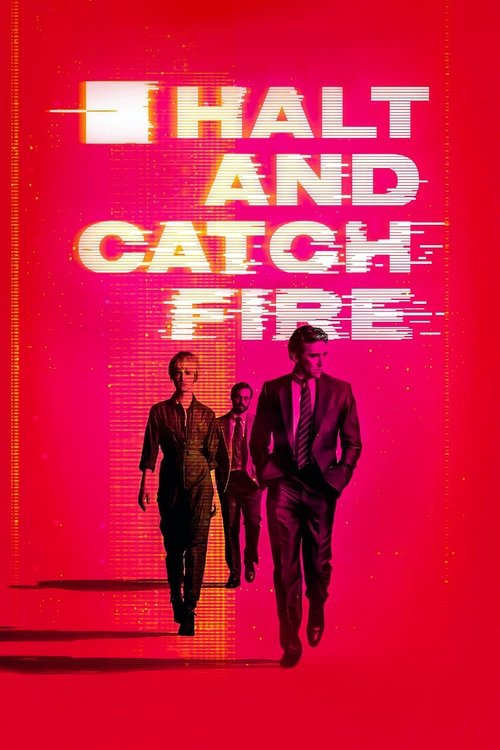
Books for the Patient and the Unsettled
Fiction and non-fiction that rewards slow immersion and tolerates ambiguity, the literary equivalent of Ghosts.


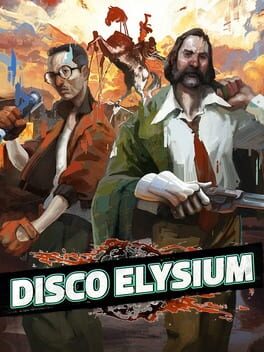
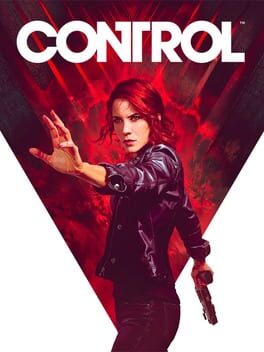
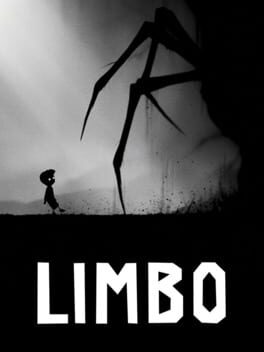
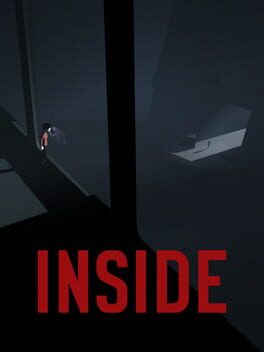
Games That Use Sound as Landscape
Titles where the audio design is inseparable from the experience, and silence is a deliberate choice.

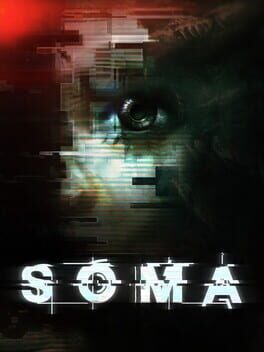
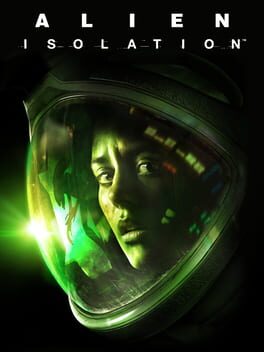
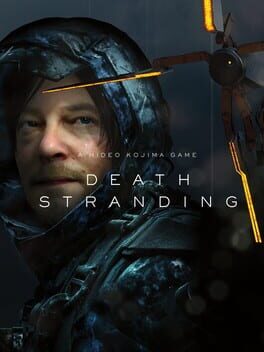
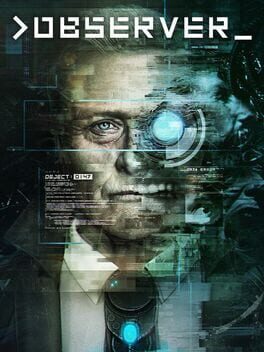
Ghosts Invented the Pay-What-You-Want Moment Before Anyone Knew What That Meant
Reznor released Ghosts I–IV on a self-funded CC license in February 2008, weeks before the conversation about digital music distribution had caught up to what he was already doing. The nine-dollar download tier, the deluxe ultra-limited box, the free first part: it was a fully worked-out model dressed up as an impulse. Radiohead had done the pay-what-you-want thing with In Rainbows four months earlier, but Reznor added the open license and used the release to quietly prove that industrial music's most commercially antagonistic figure was also its most strategically literate.
The Best Reznor Score Is the One Nobody Talks About
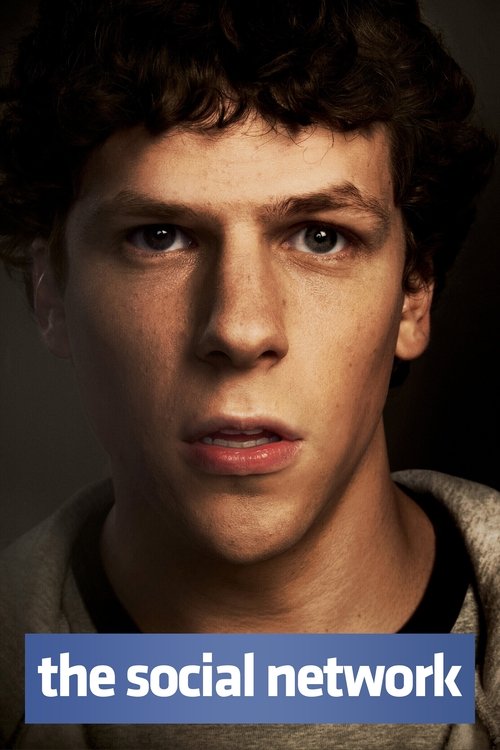
Everyone cites The Social Network as the Reznor-Ross score that redefined what Hollywood could ask of its composers. Correct, and yet the work on Ghosts preceded it and shaped everything that followed. The repetitive, slightly-off-kilter loops Reznor built for that album are the DNA of the score work, not the other way around. Listening to Ghosts after The Social Network clarifies what the film score was doing: it was applying an established aesthetic to a narrative problem, not inventing a new one.
Ambient Music's Reputation Problem Is Real, and Mostly Unearned
The word 'ambient' still gets used as a dismissal, a shorthand for music you ignore. Brian Eno's original definition was more demanding than that: music designed to be as ignorable as it is interesting. Ghosts sits in this tradition without apology, and the critical undervaluation of the record in the NIN catalog reflects the genre's reputation problem more than any deficiency in the work. The albums that last in this mode, Eno's own Discreet Music, Biosphere's Substrata, Reznor's Ghosts, are not easy listening. They require something closer to attention than background music does.
Pandemic Ghosts V and VI Were the Right Record for the Wrong Reason
Reznor and Ross released Ghosts V: Together and Ghosts VI: Locusts in March 2020, free, as a direct response to quarantine. The impulse was generous and the timing was uncanny. But the records stand independent of the biographical context: Together is the gentler, more melodic companion; Locusts is corrosive and harsh. Taken as a pair they are the most complete statement of what the Ghosts aesthetic can sustain, and they would matter as much without the pandemic framing as with it.
Nine Inch Nails: From Industrial to Atmosphere
- 1989Pretty Hate Machine introduces Reznor's synthesizer-and-rage signature to alternative radio. Pretty Hate Machine
- 1992Broken EP and the violence of early 1990s industrial; critical and commercial breakthrough.
- 1994The Downward Spiral becomes a landmark of 1990s rock, concept album as psychological descent. The Downward Spiral
- 1999The Fragile expands the palette: quieter passages, orchestral thinking, longer forms. The Fragile
- 2005With Teeth, a leaner return after hiatus, signals appetite for shorter, more direct statements. With Teeth
- 2007Year Zero: a concept album delivered as an alternate-reality game, prescient about surveillance and control. Year Zero
- 2008Ghosts I-IV released independently under a Creative Commons license, no label, no promotion cycle.
- 2010Reznor and Atticus Ross score The Social Network, beginning the film-score chapter. The Social Network
- 2013Hesitation Marks, a comeback album built on anxiety and restraint. Hesitation Marks
- 2018Bad Witch: NIN reduced to an EP-length burst of noise and disintegration. Bad Witch
- 2020Ghosts V and VI released free during global lockdown, completing the ambient arc started in 2008. Ghosts V: Together
The goal was to make music that could exist in any space, at any volume, and still feel like it was doing something specific.Trent Reznor, on the Ghosts sessions