

Nanno does not arrive to teach. She arrives to collect. Girl from Nowhere: The Reset (Netflix, 2026) is a reboot of the cult Thai anthology that made Southeast Asia's streaming audience gasp and rewatch and screenshot every gleeful, unsettling frame. A new universe, a new actress (Becky Armstrong), the same supernatural transfer student drifting from school to school, turning each institution's cruelty back on itself. The show does not ask you to feel sorry for the guilty. It asks you to feel the specific, dark pleasure of watching power abuse power until it devours itself, and then to sit with the discomfort that you enjoyed it. That tension, between catharsis and complicity, is the through-line every fan of this franchise chases. It lives in anthologies that weaponize social commentary, in revenge films where the victim rewrites the ending, in books that refuse to make female rage palatable, and in games that force you to judge while being judged. Everything below connects to that wire.
Dark Schools, Broken Systems
Series where the institution is the villain and someone is keeping score.




When the Villain Has a Point
Films built on moral inversions where punishment is the spectacle.








Games That Put You in the Judge's Seat
Interactive experiences where moral choice is the engine and nothing is clearly clean.






The reboot earns its reset by not explaining Nanno
Every reboot instinct says: give the audience an origin. Tell them where Nanno came from, what she is, why she cares. The Reset resists this, and the refusal is the point. Nanno's power comes from unknowability. Once she has a backstory she has motivations you can weigh, sympathize with or reject. As long as she has none, she functions as something older: a reckoning that exists because the world keeps producing people who deserve one. Becky Armstrong carries this ambiguity with precision, giving you a performance with genuine menace and occasional flickers of something almost like boredom, which is scarier than rage.

The Glory is the closest Korean equivalent, and it goes further
Where Girl from Nowhere distributes punishment across episodic strangers, The Glory concentrates everything into one woman's meticulously patient revenge against the specific people who destroyed her. It is slower, angrier, and more structurally cruel because you watch the guilty live well for a very long time before the ground shifts. Song Hye-kyo plays Moon Dong-eun with the controlled affect of someone who has decided to feel nothing until it is time to feel everything, which makes the eventual settling of accounts devastating rather than cathartic. The two shows make excellent back-to-back viewing because they take opposing routes to the same conviction: the system will not protect you, so something extraordinary has to.
Persona 5 is the game version of this show's DNA
A group of high school outcasts discovers a supernatural means of forcing adults in positions of power to confess their crimes and change. The Phantom Thieves do not kill; they humiliate and extract remorse in the most theatrical way possible. The game is also an anthology, moving from abuser to abuser, each arc its own contained moral case study. The main difference is that Persona 5 lets you choose your level of complicity. Girl from Nowhere: The Reset does not. Nanno decides. That asymmetry is part of what makes the show more unsettling than anything you can pause.
Lady Vengeance remains the film this genre never surpassed
Park Chan-wook's third vengeance film turns the genre's satisfactions inside out. Geum-ja Lee is meticulous, poised, and genuinely kind in small ways, which makes the architecture of her revenge more disturbing than any spectacle could be. The film also does something Girl from Nowhere rarely needs to: it makes you feel the cost. By the final act, Geum-ja gets what she planned for, and the camera holds on her face long enough to confirm that revenge and peace are not the same room. That gap is the thing serious genre work keeps returning to.
A Short History of the Supernatural Reckoner in Asian Drama
- 1998Ringu redefines the vengeful supernatural feminine in Japanese horror, separating grudge from motivation. Ring
- 2003Park Chan-wook's Oldboy (and the vengeance trilogy it anchors) establishes the modern Korean template for moral punishment as spectacle. Oldboy
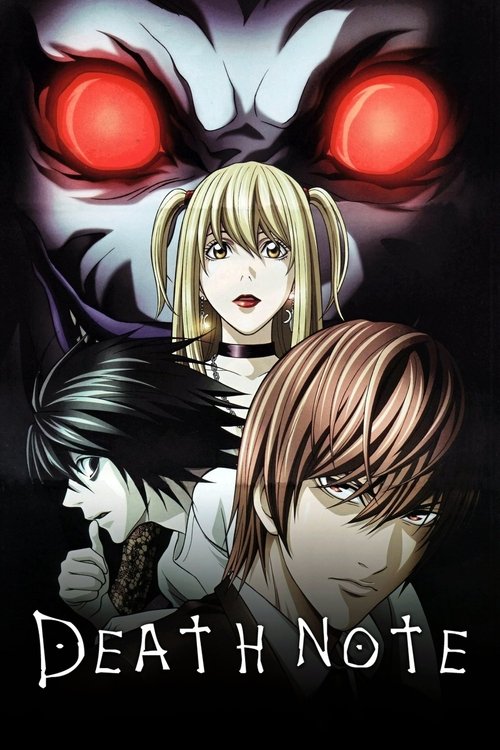
- 2003Death Note manga begins: a teenager given supernatural power to kill the guilty and the question of whether justice survives its own enforcement. Death Note
- 2018Girl from Nowhere season 1 premieres on GMMTV, quietly building one of Southeast Asia's most devoted genre fandoms. Girl from Nowhere
- 2021Season 2 introduces Yuri, raising the stakes by giving Nanno a rival who wants punishment without the philosophy.
- 2022The Glory begins shooting; Song Hye-kyo's casting reframes what K-drama audiences expect from a revenge protagonist. The Glory
- 2026Girl from Nowhere: The Reset relaunches the franchise in a new universe with Becky Armstrong, reaching 67 countries in the Netflix Top 10. Girl from Nowhere: The Reset
She does not punish the wicked because she loves the good. She punishes the wicked because they are there, and she can, and no one else will.On Nanno, Girl from Nowhere: The Reset