
Released in October 2012, good kid, m.A.A.d city is a short film disguised as an album. Kendrick Lamar narrates a single day in Compton, California, following a teenager caught between peer pressure, a stolen minivan, a girl named Sherane, and the first stirrings of genuine self-interrogation. The production moves from the hazy G-funk of Dr. Dre's protege work to neck-snapping trap percussion to slow, hymnal introspection, all inside a unified color palette that few rap albums before or since have matched. What fans are chasing is not just street realism but something rarer: moral seriousness worn lightly, cinematic scale held together by an artist who never lets the concept swamp the emotion. The through-line connecting everything in this guide is that same combination: vivid environment, a protagonist under pressure, and a sound that feels like place.
Kendrick Lamar: Essential Albums
The full arc of the most consequential rapper of his generation, from the Compton tapes to the Pulitzer.
Same DNA: West Coast Rap and Its Lineage
The albums that built the world good kid, m.A.A.d city grew out of, and the ones that carried it forward.
The Compton Movie: Films That Live in the Same Streets
Cinema built from the same concrete, the same heat, the same question of who gets to survive.
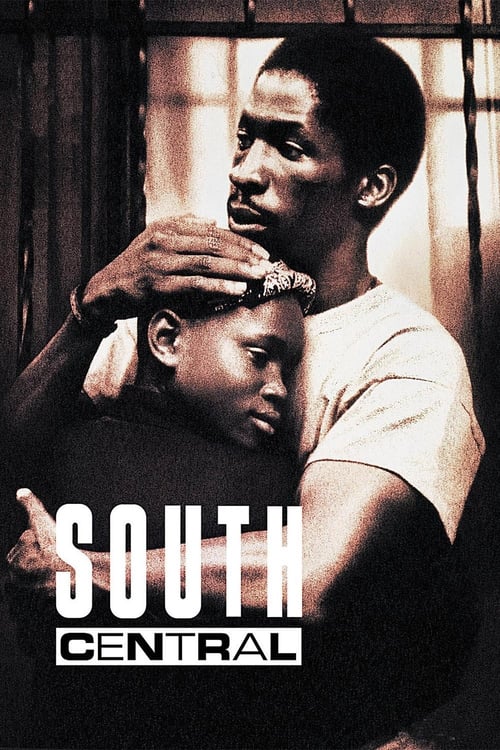
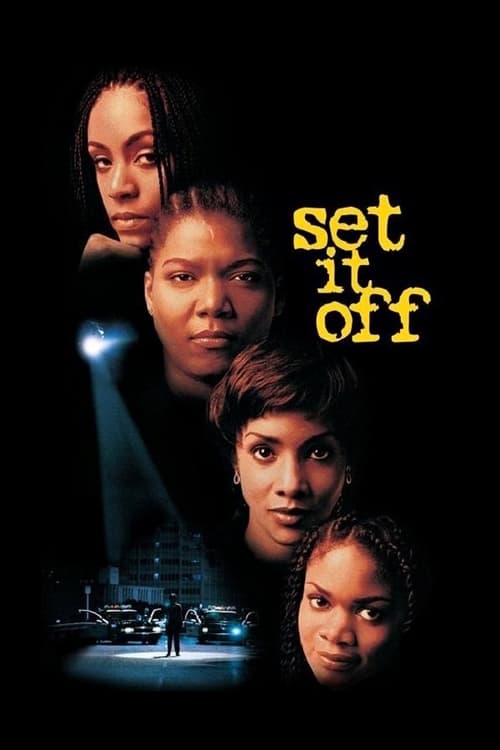
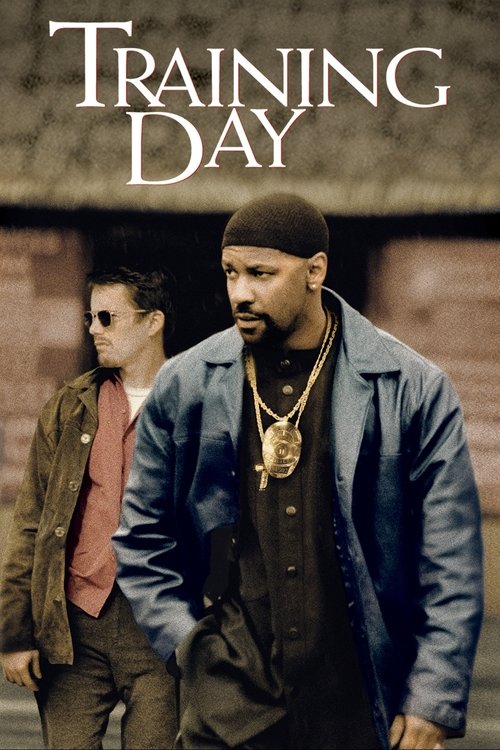
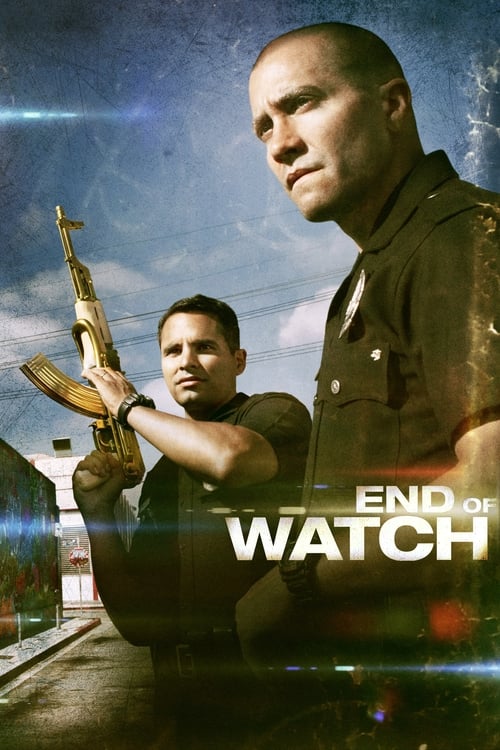
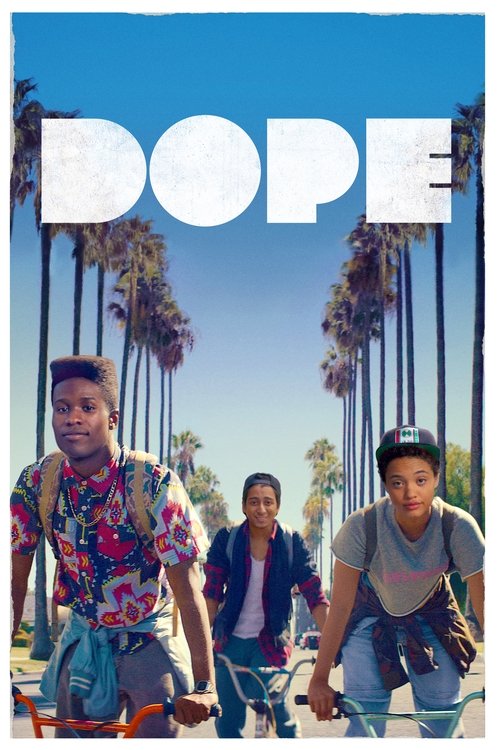
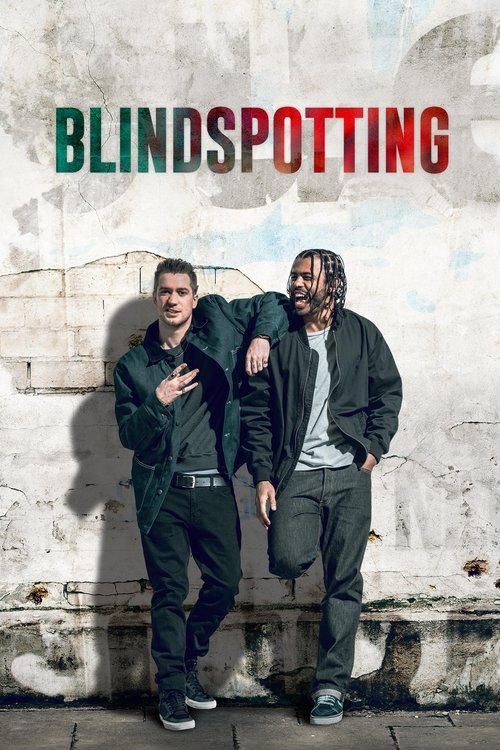
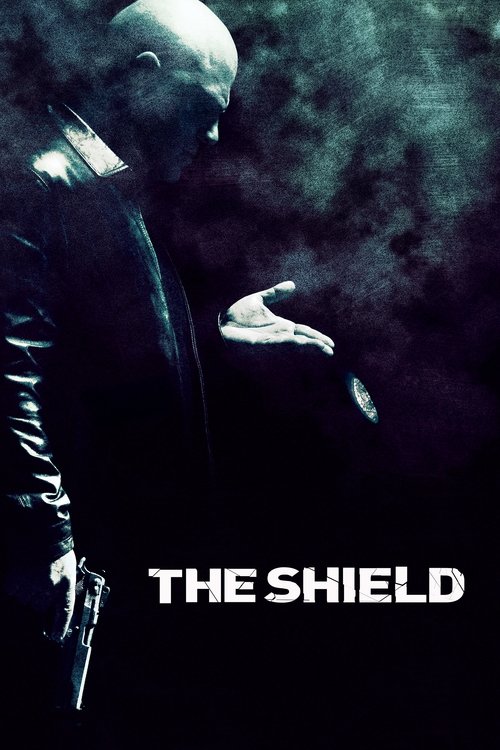
Long-Form Street Realism: TV Series
Television that takes the same patient, novelistic approach to neighborhood and consequence.
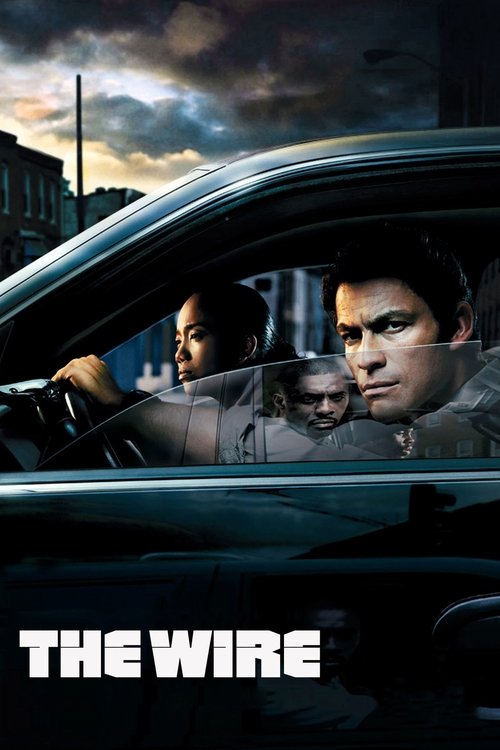




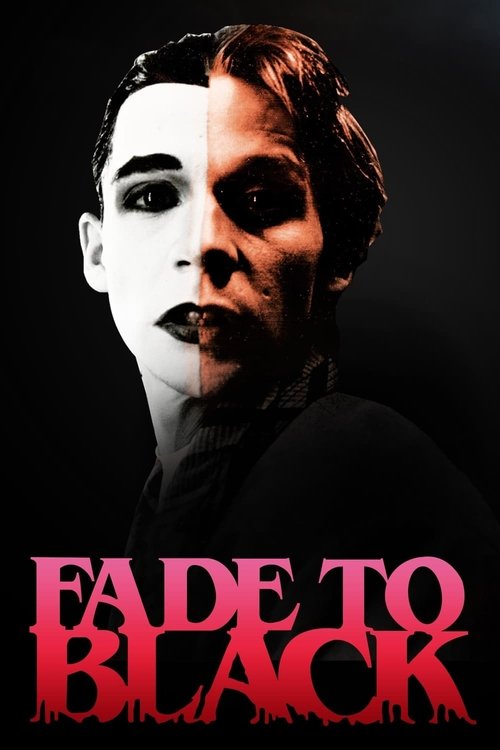
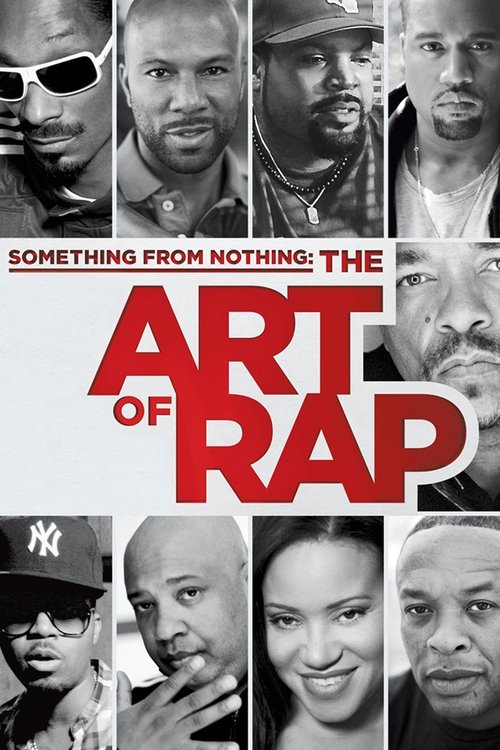
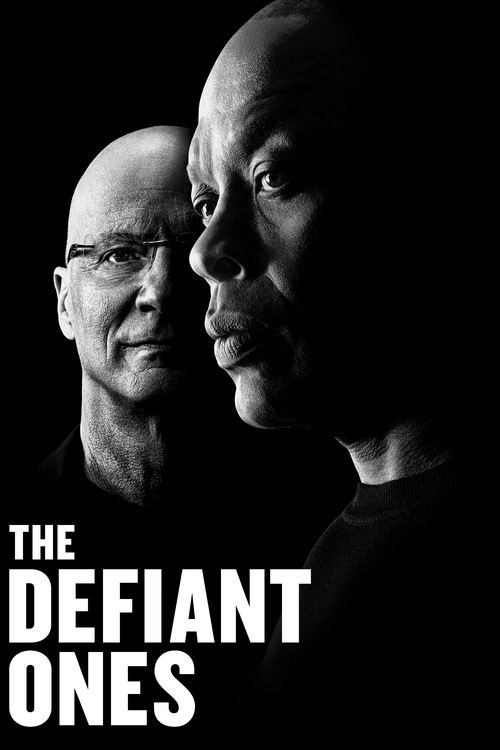
Rap on Film: Documentaries and Concert Films
The best non-fiction portraits of hip-hop culture, from the block to the stage.

Books That Run at the Same Temperature
Novels and memoirs with the same urgent interiority: a young person inside a system that is not built for them.


Illmatic is the closest album to what Kendrick actually made
Both records run under 40 minutes, treat a single neighborhood as their entire universe, and achieve their emotional power through specificity rather than scale. Nas was 19 when he wrote Illmatic; Kendrick was in his early twenties when he wrote good kid. The comparison is not a compliment handed down from a press release: it is a genuine structural kinship between two short, dense, place-bound records that sound nothing like each other and accomplish almost the same thing.
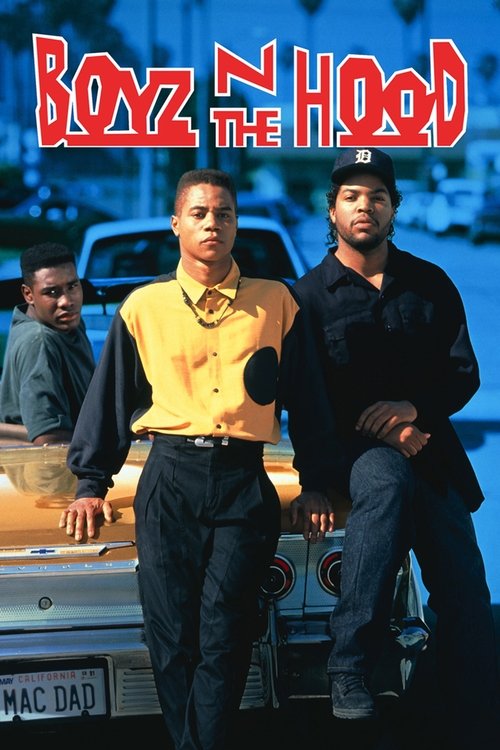
Boyz n the Hood is the film Kendrick's album implicitly scores
John Singleton's 1991 debut covers almost the same geography, the same coming-of-age crisis, and the same grief. You can map Doughboy onto K-Dot's crew with embarrassing ease. The album's interlude phone calls and the film's porch conversations are doing identical work: building the world through overheard social texture rather than plot. Neither work asks you to admire its protagonist's choices; both are honest about how the environment shapes the choice.
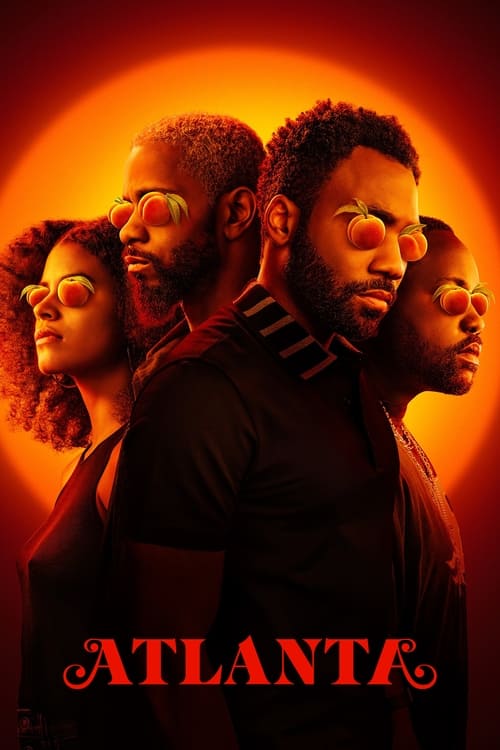
Atlanta is the television show that inherited Kendrick's tonal range
Donald Glover's series is the first TV drama that moves between deadpan street comedy, surrealist horror, and sincere emotional devastation as fluidly as good kid, m.A.A.d city moves between its moods within a single album side. Both works trust their audience to hold contradictions: things can be funny and then lethal and then tender without a gear-change announcement. That tonal confidence is rarer than it looks.
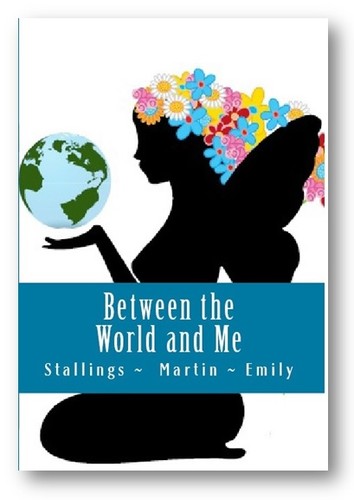
Between the World and Me reads like a letter Kendrick could have sent
Ta-Nehisi Coates addressed his 2015 book to his teenage son, framing Black American life through the body as site of risk. Kendrick's album is addressed to nobody and everybody from the same position: a young man narrating his own vulnerability in real time. Both works refuse consolation and refuse despair simultaneously, which is the hard position and the honest one.
The Compton Sound: A Short History
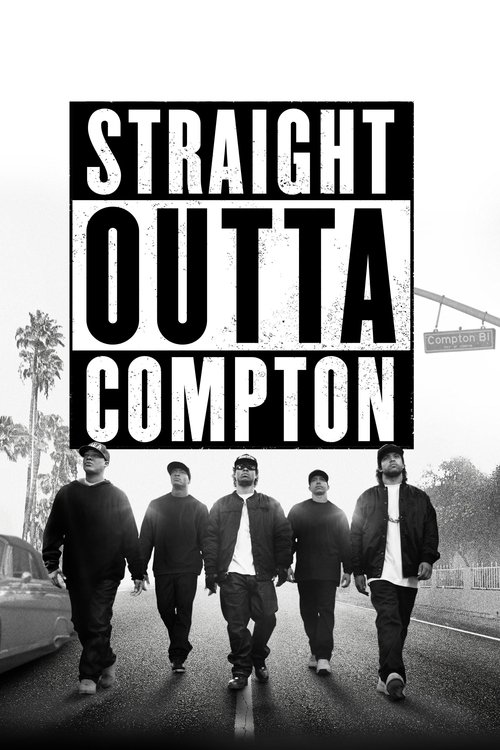
- 1988N.W.A releases Straight Outta Compton, placing the city on the global rap map for the first time. Straight Outta Compton
- 1992Dr. Dre's The Chronic invents G-funk, wrapping street realism in low-riders and synthesizer haze. The Chronic
- 1992John Singleton's Boyz n the Hood wins Compton its first major film prestige, landing Singleton an Oscar nomination. Boyz n the Hood
- 1994Nas records Illmatic in New York, establishing the template of the dense, place-bound short album. Illmatic
- 2001Dr. Dre releases 2001, the last great monument of classic West Coast rap production. 2001
- 2011Kendrick Lamar releases Section.80, his major-label debut, announcing a new voice with a sociological lens. Section.80
- 2012good kid, m.A.A.d city drops in October and reshapes what a rap album can be structurally and narratively. good kid, m.A.A.d city
- 2015To Pimp a Butterfly extends the project into jazz, soul, and political philosophy, winning a Pulitzer in 2018. To Pimp a Butterfly
- 2016Snowfall premieres on FX, becoming the most sustained television portrait of Compton's crack era. Snowfall
- 2017DAMN. wins the Pulitzer Prize for Music, the first non-classical, non-jazz album to do so. DAMN.
The city of Compton is a character with a psychology. The album does not describe the city; it lets the city speak through the kid who cannot yet leave it.CrossBinge