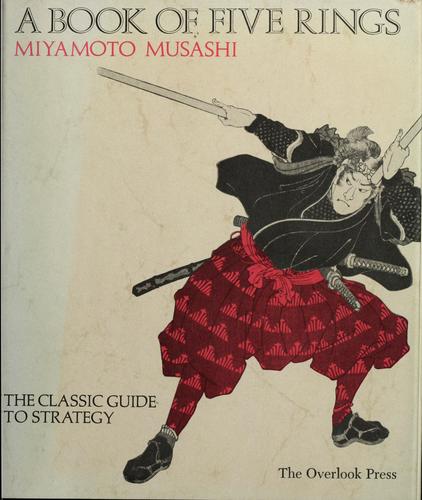

Gorin no sho (The Book of Five Rings) is not a self-help book dressed in a samurai costume. Written by Miyamoto Musashi in 1645 as he sat alone in a cave near the end of his life, it is a martial philosopher's attempt to extract the universal principles beneath every act of combat: timing, perception, the emptying of the mind under pressure. The reader who loves it is after something specific. Not rules, but principles. Not the romanticism of the sword, but the cold geometry of how masters think and decide when there is no room for error. That through-line, the pursuit of a perfected, economical way of engaging with any challenge, is what unites everything below.
The Canon of Strategic Wisdom
Works by and about Musashi and the texts that shaped the same tradition


Philosophy as a Way of Life
Books that use a single practitioner's discipline to illuminate universal principles


Screen Portraits of the Lone Master
Films that live inside the same stillness: the lone practitioner, the perfected technique, the cost of total commitment

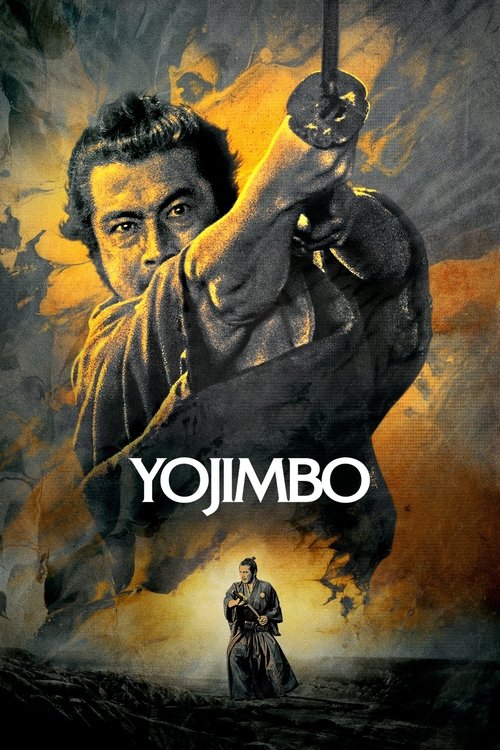
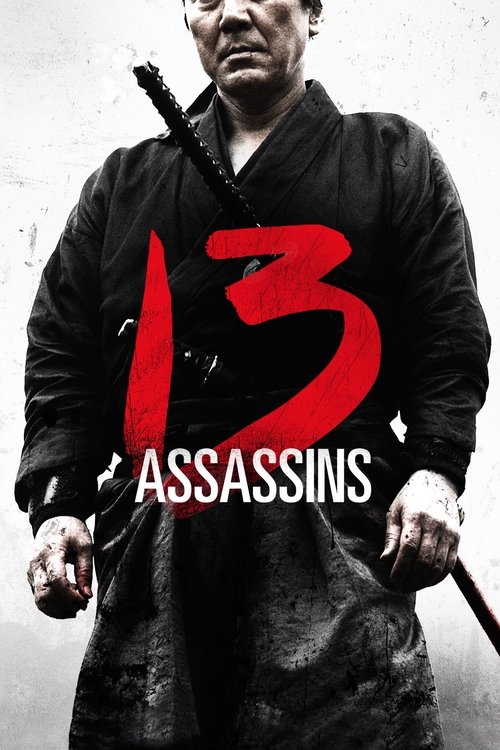




The Long Game: Series About Mastery and Honor
Television that gives the single-minded pursuit of excellence the space to breathe across many hours






Games That Reward the Patient Strategist
Games where reading your opponent, choosing your moment, and mastering a system matters far more than reflexes alone


The Lone Master Is a More Honest Fantasy Than the Chosen Hero
Musashi's authority in the text comes from practice, loss, and accumulated revision, not from birth or prophecy. There are no gifts in Gorin no sho, only the slow correction of error over decades. This makes it a genuinely different kind of inspirational text. Harakiri, the 1962 Kobayashi film, strips that fantasy of its romance without sentimentality: the samurai ideal is shown as both beautiful and ruthlessly exclusive of ordinary human life. The two works are best read against each other.
Sekiro Is the Closest Any Game Has Come to the Book's Core Argument
Sekiro: Shadows Die Twice mechanically enforces the principle Musashi returns to most often: timing and posture break an opponent before strength does. Players who try to overpower enemies fail. Players who learn to read rhythm, absorb pressure and respond at the correct instant succeed. FromSoftware built an entire game design around a single idea from a 400-year-old manuscript, and it holds.
Inoue Takehiko's Vagabond Is the Best Visual Adaptation of Musashi's Psychology
The manga Vagabond (also produced as an anime series) uses Musashi's life as a canvas for something closer to the book's actual interior quality than any film adaptation manages. The art slows time in fights the way Musashi's prose does. Long stretches pass without combat; the preparation, the doubt, the stilling of the mind are given full weight. It is faithful to the spirit rather than the biography, which is exactly the right instinct.
A Short History of the Tradition Gorin no sho Belongs To
- 500Sun Tzu's Art of War circulates widely in Chinese military culture, establishing the template of strategic philosophy as written text
- 1600Battle of Sekigahara; Japan enters the Edo period; the role of the samurai begins its long transformation from warrior to bureaucrat
- 1612Musashi's legendary duel with Sasaki Kojiro at Ganryujima, the event that closes his career as a duelist Samurai III: Duel at Ganryu Island
- 1643Musashi enters Reigando cave to write Gorin no sho; completes it two years before his death
- 1645Gorin no sho completed; Musashi dies the same year, passing the manuscript to his student Terao Magonojo
- 1974Victor Harris publishes the first widely read English translation, bringing Musashi's ideas to Western business and martial arts audiences
- 1982Musashi's ideas enter Western corporate culture via translations marketed explicitly to executives
- 1998Inoue Takehiko begins Vagabond, the definitive manga retelling of Musashi's life Vagabond
- 2020Ghost of Tsushima released; its combat and philosophy draw directly from the Bushido tradition Musashi helped codify
- 2024Shogun (FX/Hulu) premieres to wide acclaim, returning Western audiences to Sengoku-era Japan
Think lightly of yourself and deeply of the world.Miyamoto Musashi, Gorin no sho (1645)