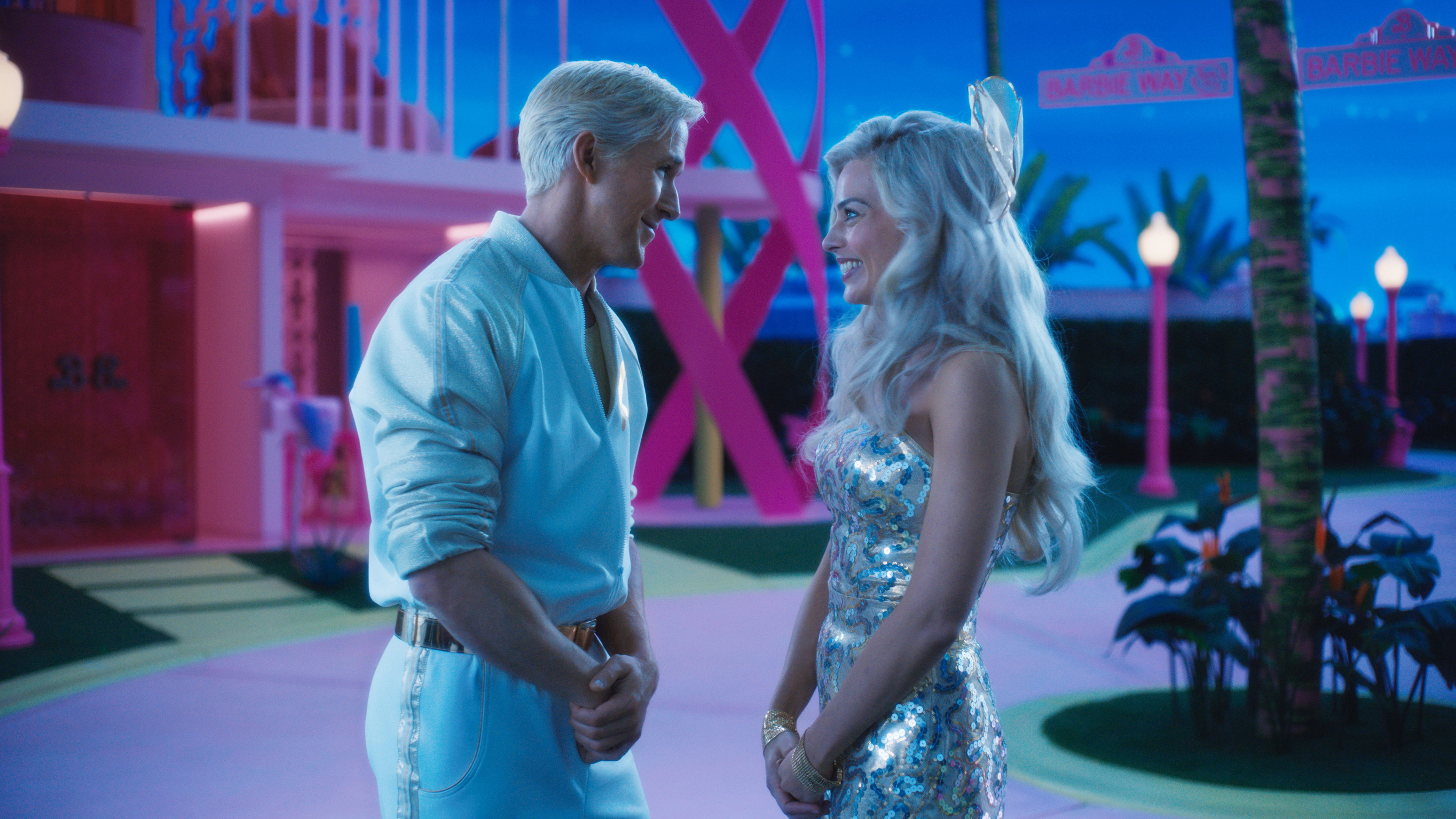

Greta Gerwig arrived as an actress in the mumblecore orbit of the late 2000s, improvising her way through Joe Swanberg collaborations before crystallizing something entirely her own as writer-director. Her films are about women figuring out who they are under the weight of who everyone else wants them to be. Lady Bird, Little Women, Barbie: each one balances genuine warmth with structural daring, finding sorrow and absurdity inside the rituals of growing up and growing into a self. Gerwig's particular mode is one of affectionate irony: she takes her characters' inner lives absolutely seriously while holding the social world around them at a gently satirical distance. If that frequency hits you, there is a wide trail through film, fiction, and more that shares it.
Essential Greta Gerwig
Her own films, from debut to phenomenon

Same Vibe, Different Directors
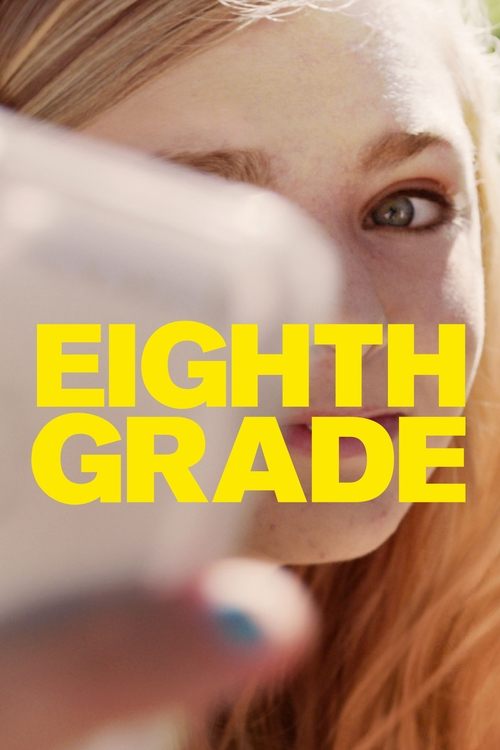
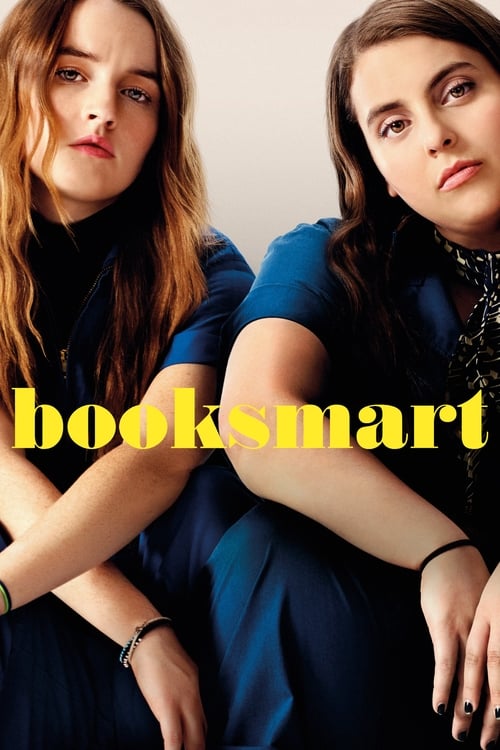
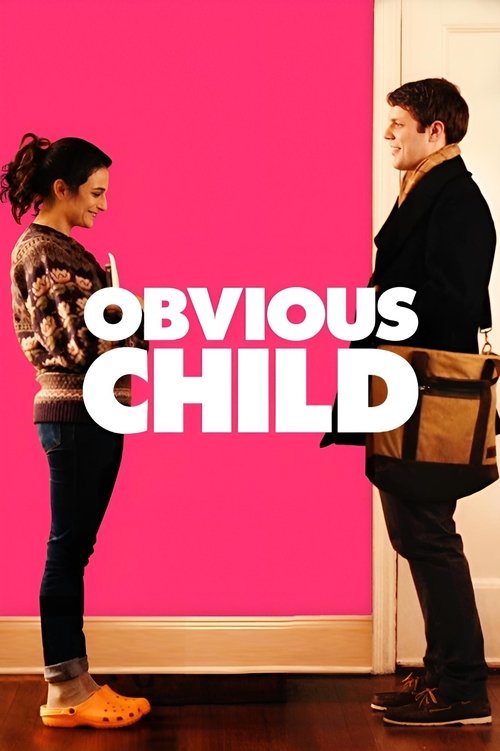
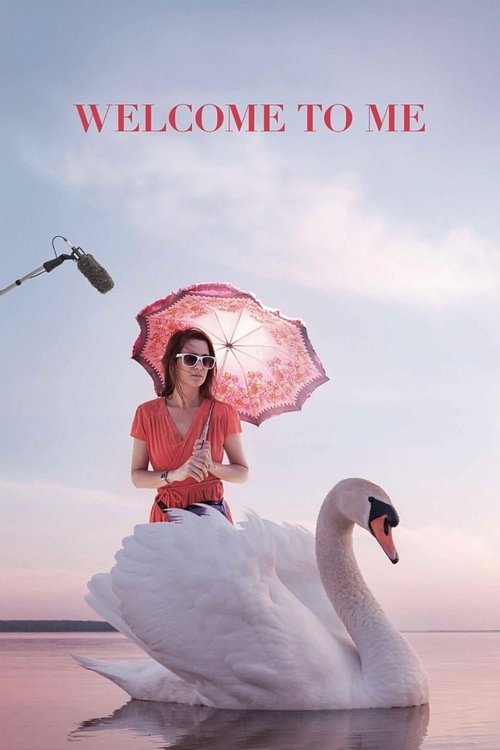
Films that share Gerwig's warmth, irony, and eye for female interiority


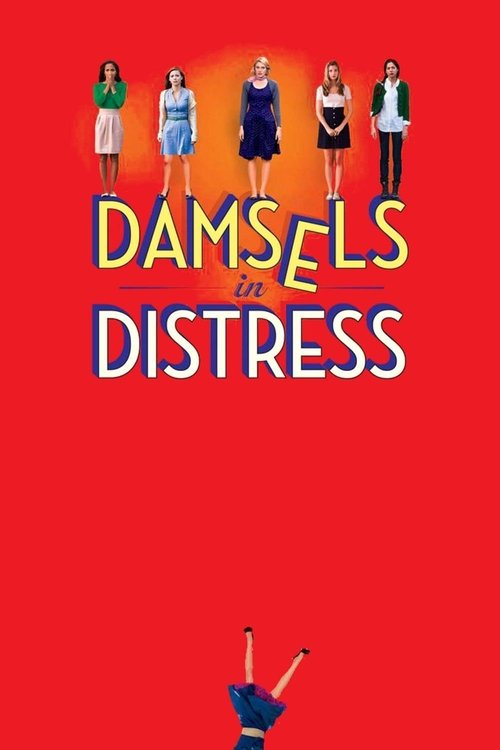

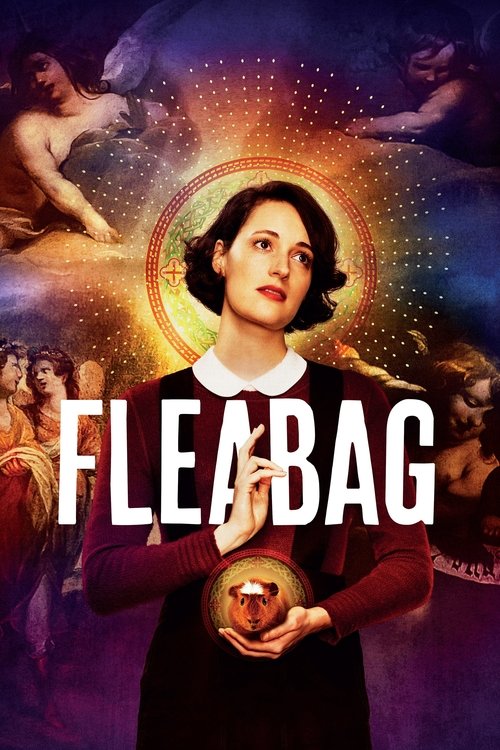
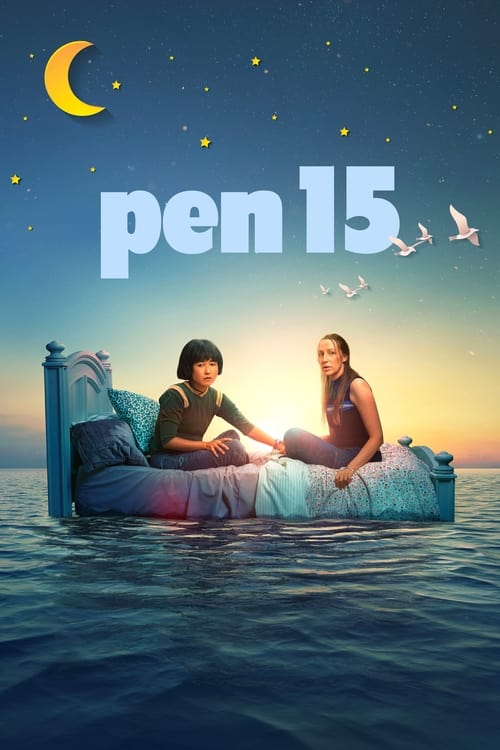
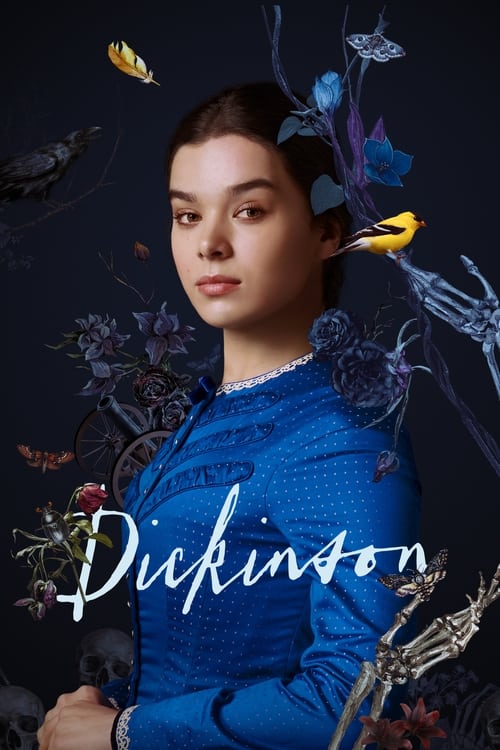
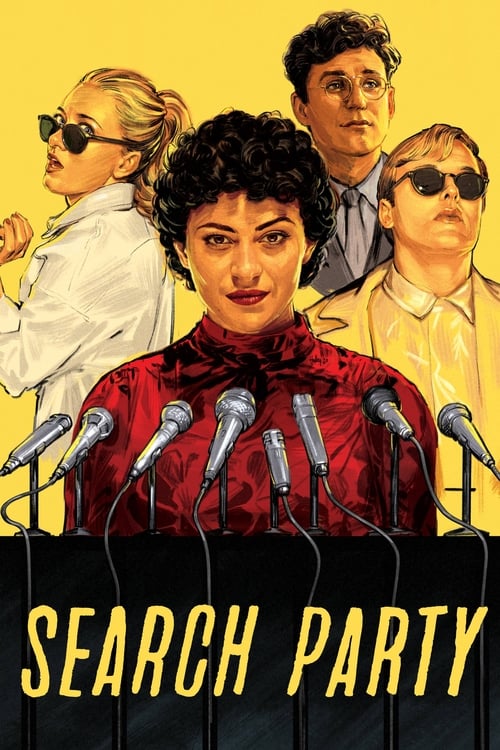
Series That Get It
Television that shares the self-interrogating, emotionally direct mode
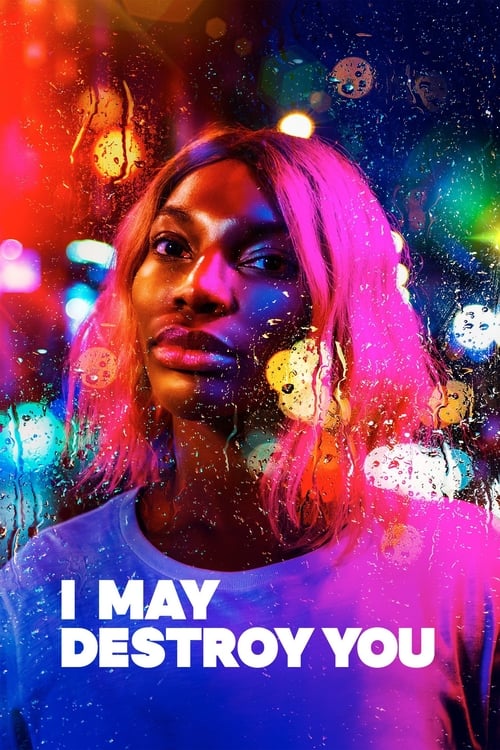
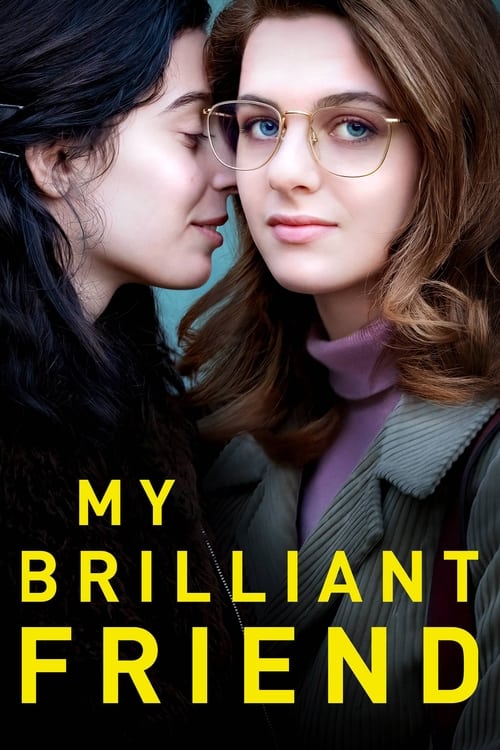
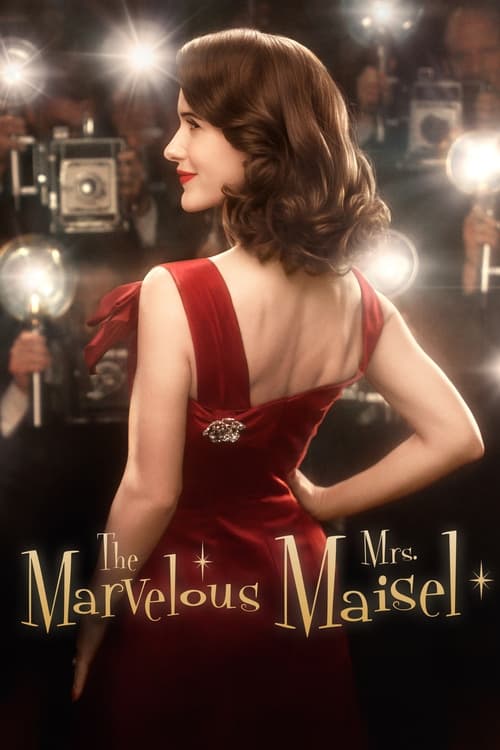
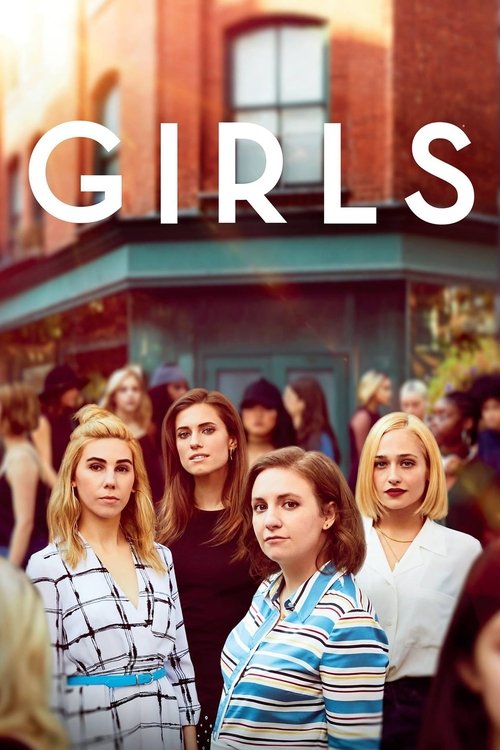
The Books She Reaches For
Novels and source material that share Gerwig's preoccupations: girlhood, ambition, self-invention


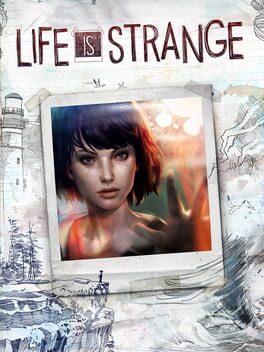
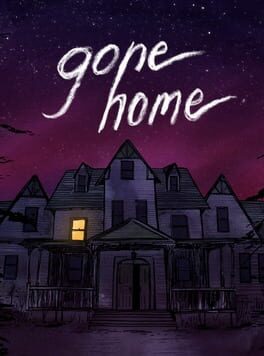
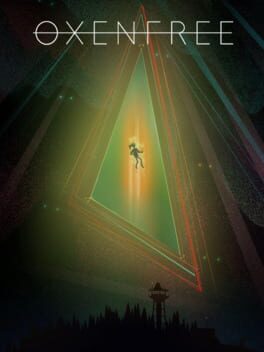
Games with That Energy
Games about identity, self-creation, and the absurdity of social systems

The Scores and Sounds
Music from and around Gerwig's world
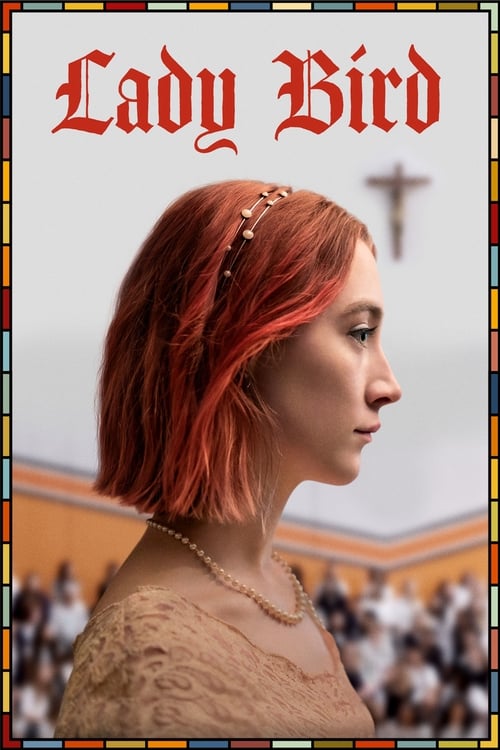
Lady Bird Is a Perfect Film
Not perfect in the sense of flawless or safe. Perfect in the sense that every element earns its place: the Sacramento location as character, the mother-daughter dialectic as the film's real romance, the Sacramento location earning the film's final emotional release. Gerwig shoots adolescent yearning without condescension and without false glamour. The result is the rare coming-of-age film that works on you differently at different ages.
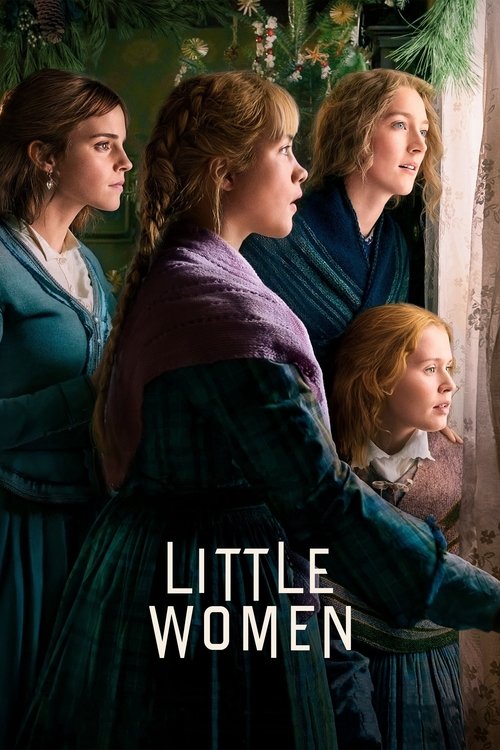
The Little Women Problem, Solved
Louisa May Alcott's novel had been filmed faithfully many times. Gerwig's version restructures the timeline and makes the meta-argument explicit: Jo March is writing the book you are watching. The structural gambit elevates an already beloved story into something that comments on the economics of female authorship and the way women's stories get classified as minor. It stands as the rare literary adaptation that makes you understand the source better.
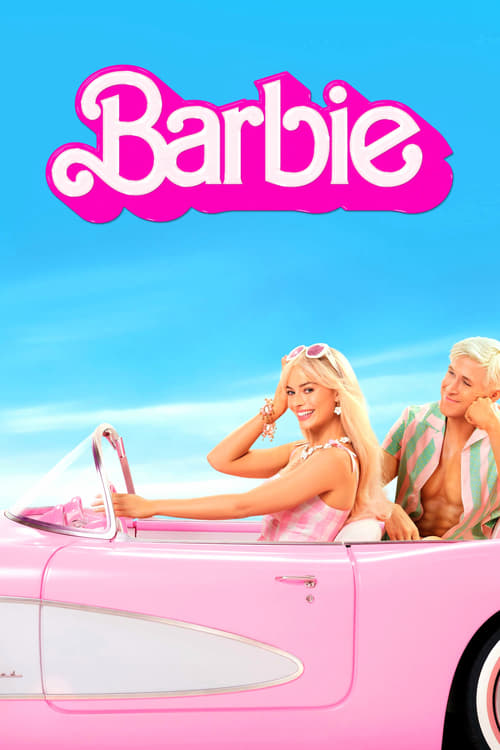
Barbie Works Because It Takes the Toy Seriously
The easy move would have been ironic distance: a knowing wink about how silly this all is. Instead, Gerwig commits to Barbie's existential crisis as a genuine philosophical problem. The result is a film about idealized images of women, the gap between aspiration and reality, and what it means to choose mortality. It is also very funny. The tonal control required to hold all of that together at blockbuster scale is underrated.
Frances Ha: The Mumblecore That Transcended Mumblecore
Shot in black and white, structured loosely, and built on a performance by Gerwig herself, Frances Ha captures a specific feeling: the years when the plan you had for your life starts to feel like someone else's plan. The film is deeply funny about that feeling and also genuinely sad about it, sometimes in the same shot. Noah Baumbach co-wrote it, but the sensibility is distinctly Gerwig.
Greta Gerwig: A Timeline
- 2006Early acting work in mumblecore films with Joe Swanberg
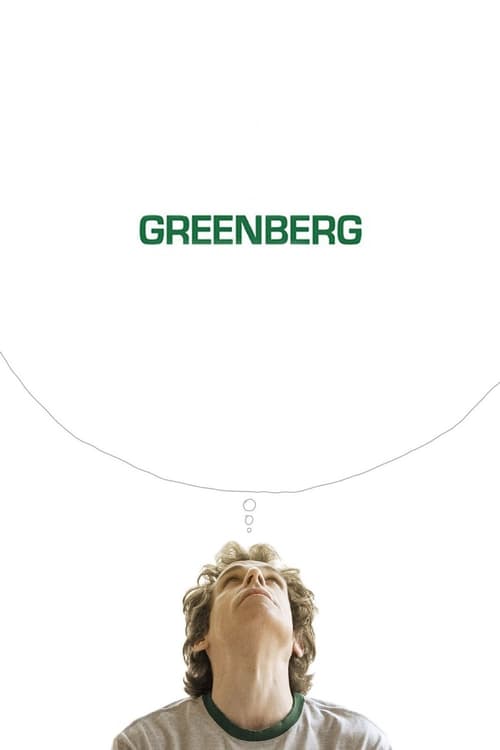
- 2010Greenberg Greenberg
- 2012Frances Ha (co-written with Noah Baumbach) Frances Ha
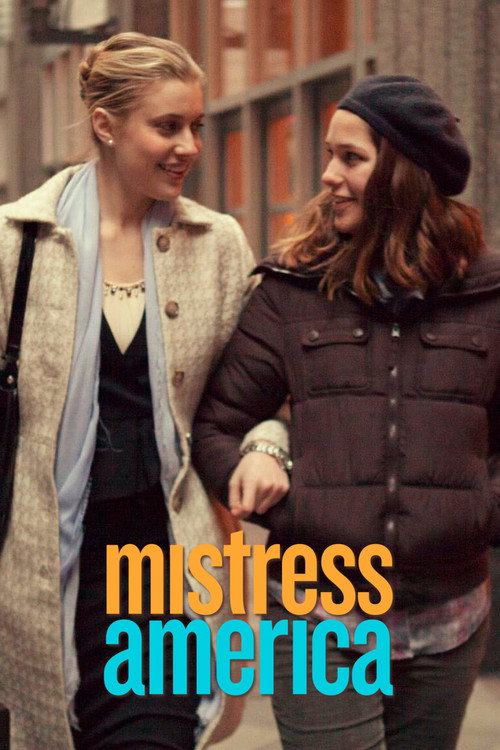
- 2015Mistress America (co-written with Baumbach) Mistress America
- 2017Lady Bird: solo directorial debut Lady Bird
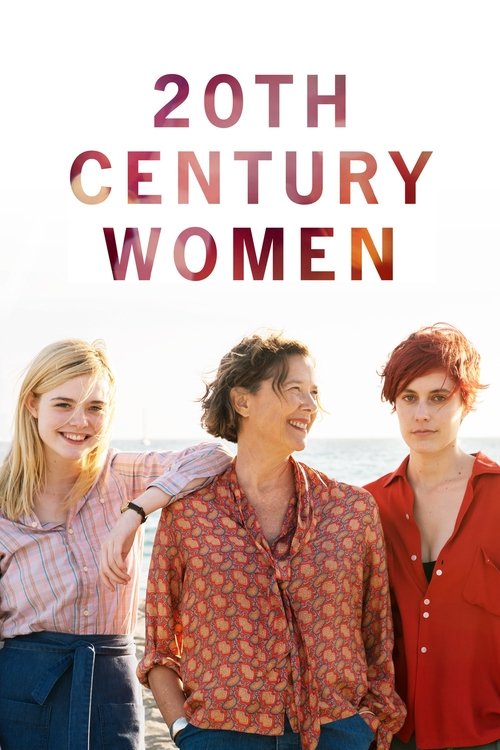
- 2019Little Women: structural reinvention of Alcott Little Women
- 2023Barbie: global phenomenon, Kenough Barbie
Girlhood, coming of age, and indie voices
For Fans of Saoirse Ronan
Explore the For Fans of Saoirse Ronan guide →She makes films that feel like a conversation with someone who has read everything and felt everything and still cannot quite figure out what to do about it.CrossBinge