
Guitar Hero did something absurd: it handed a plastic toy to people who had never touched a real instrument and made them feel the physical rush of performing rock music. The five colored fret buttons, the strum bar, the tilt-sensor whammy of the solo -- none of it was technically playing guitar, but all of it was emotionally true. From the 2005 original through the plastic-instrument arms race with Rock Band, the spin-offs (DJ Hero, Band Hero), and the streaming-era resurrection of Guitar Hero Live, the franchise built a cathedral out of licensed rock. What it sold was not skill; it was the feeling of being inside the music, the moment when the crowd noise swells and the notes lock into rhythm and you are, briefly, the person on the stage. Fans who love that feeling -- the intersection of music fandom, rhythm perfection, and theatrical performance -- will find it echoed across rhythm games, music documentaries, concert films, and rock-driven drama.
Essential Guitar Hero
The core rhythm-game franchise and its closest kin
If You Love the Rhythm
Games that capture the same note-perfect, music-locked flow state

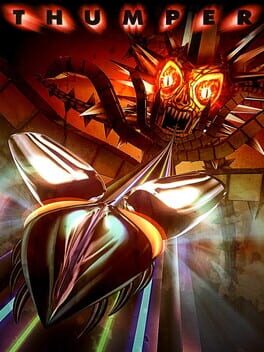
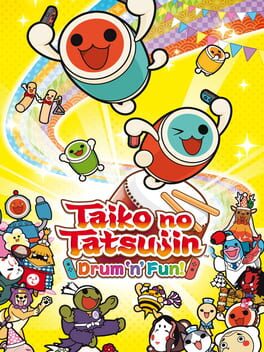
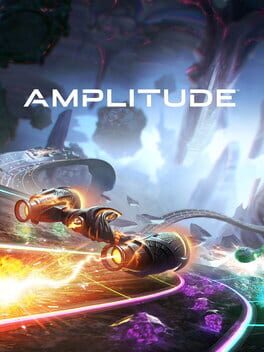
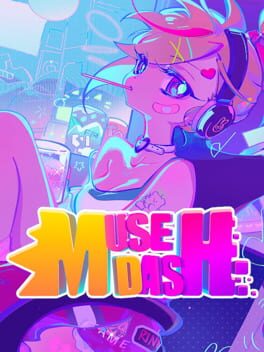

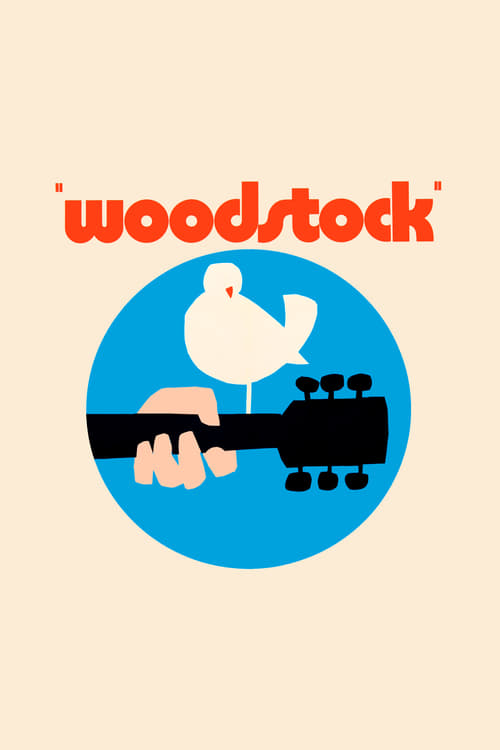
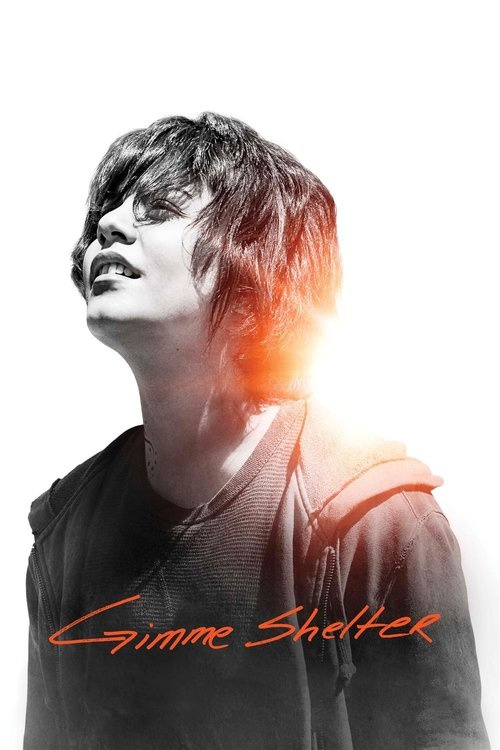
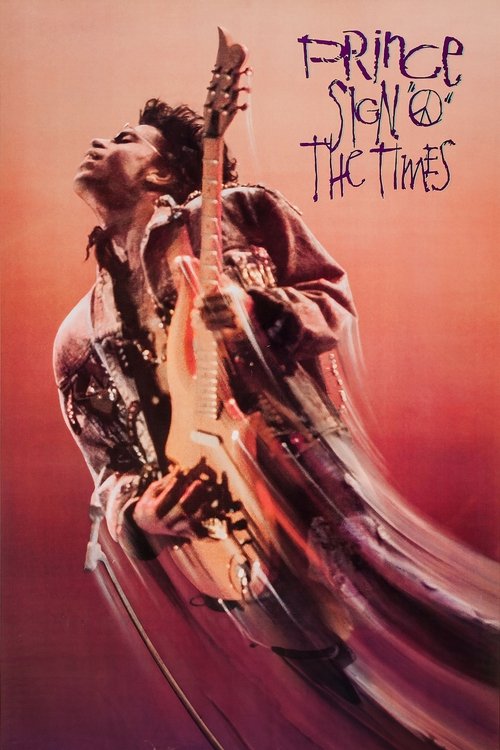
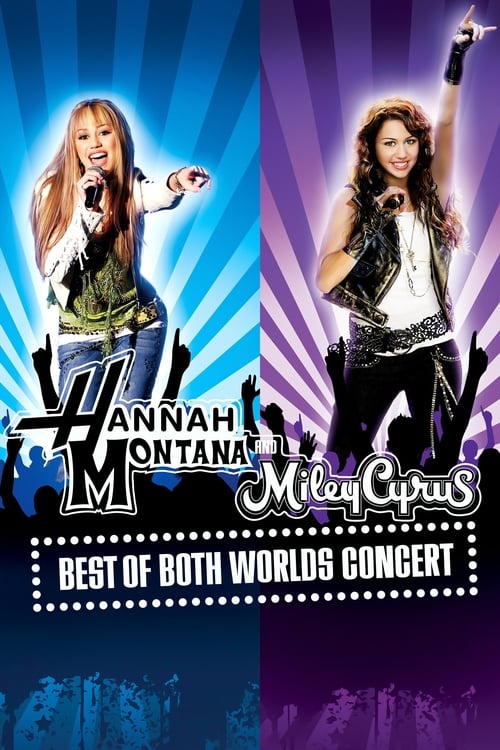
Concert Films: The Crowd You Wanted to Be In
The greatest live performances captured on screen

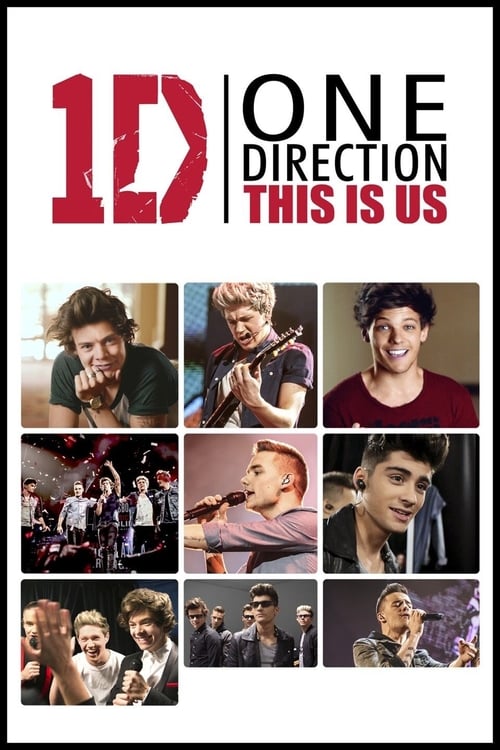
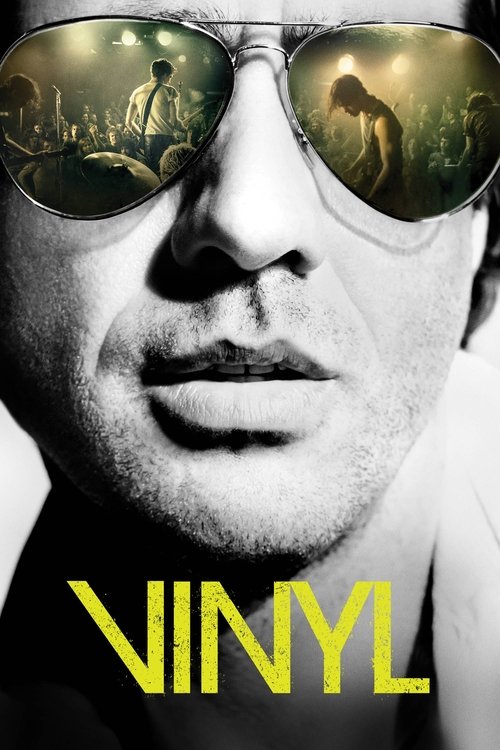
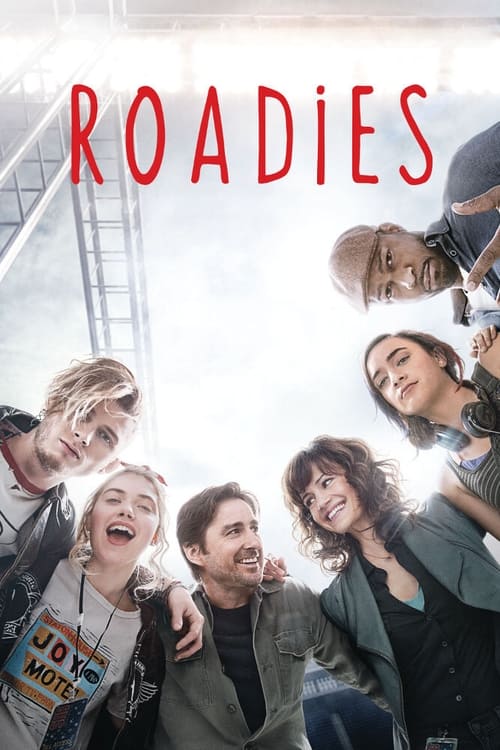
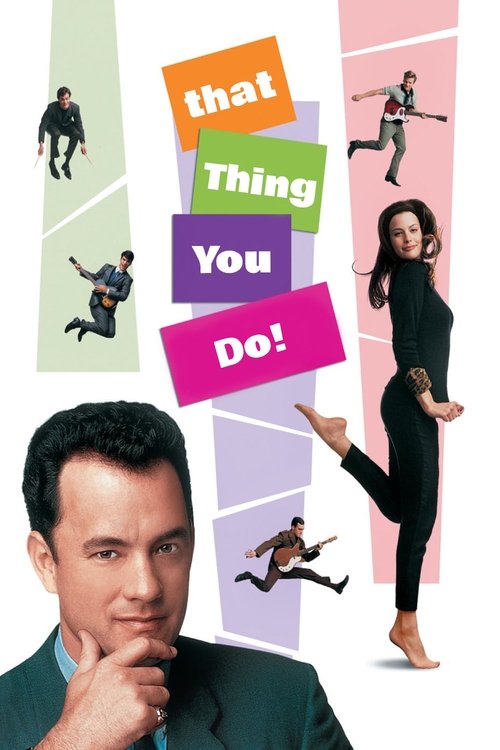
Rock on Screen: Films and Series with the Same DNA
Stories where music is the engine -- the obsession, the escape, the war
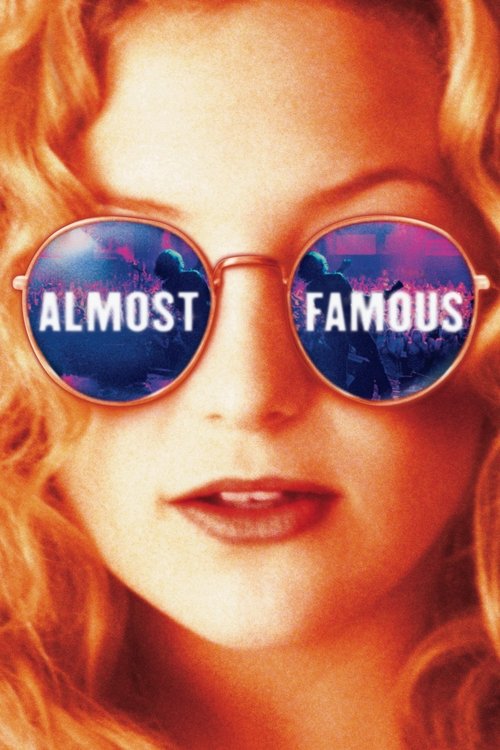


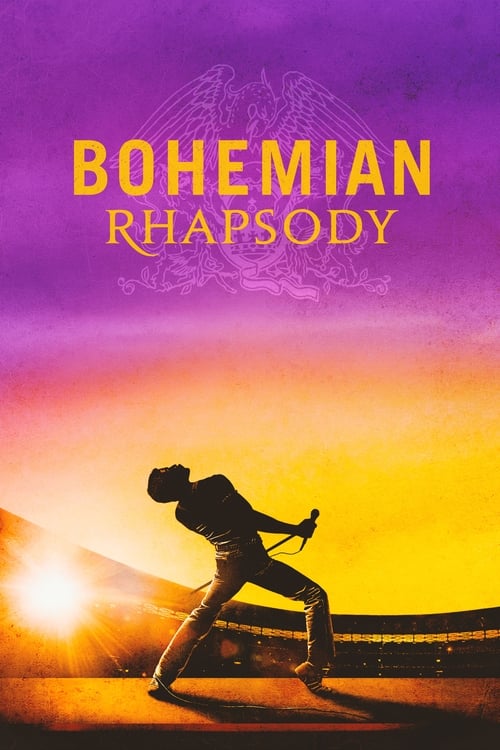
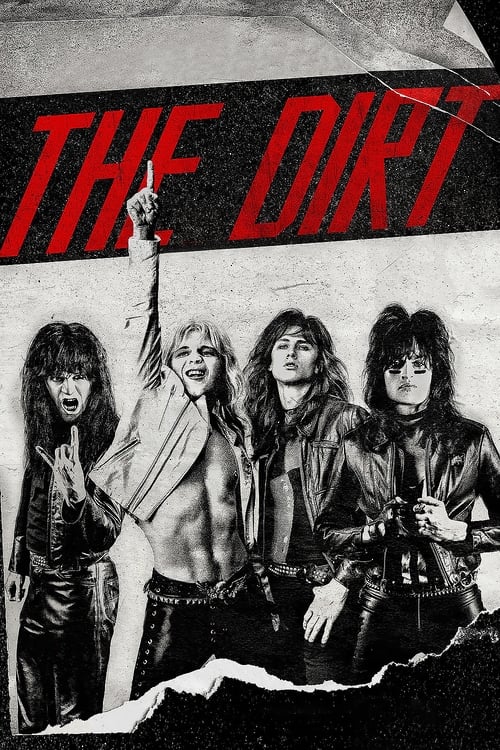
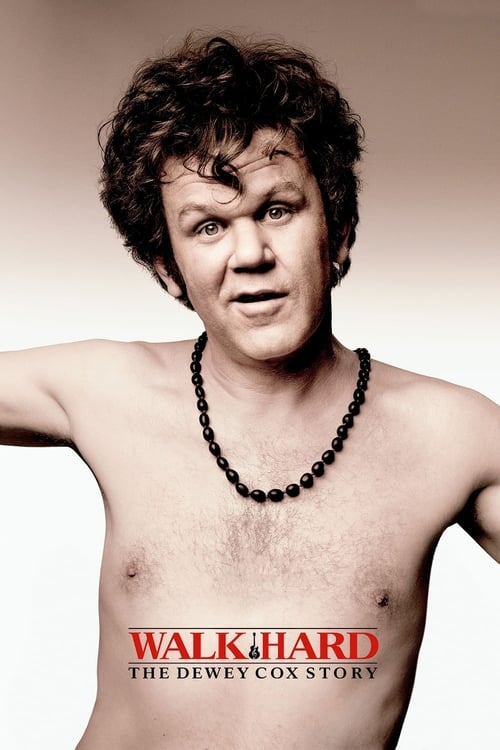
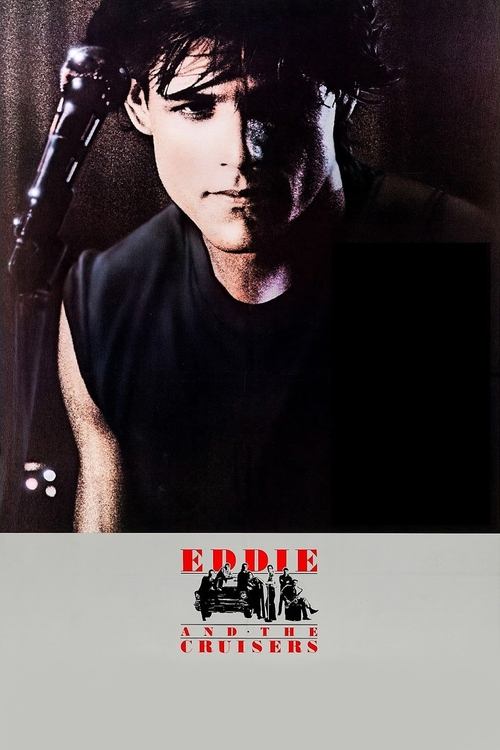
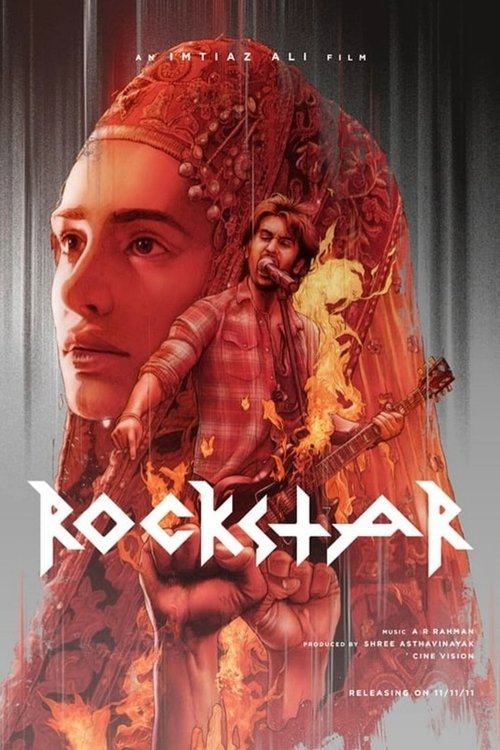
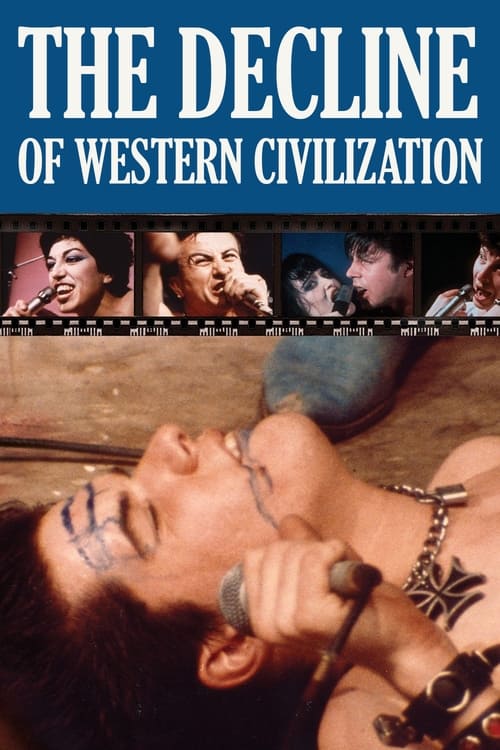
Music Documentaries: Behind the Riff
The real stories of the bands whose songs you shredded on plastic

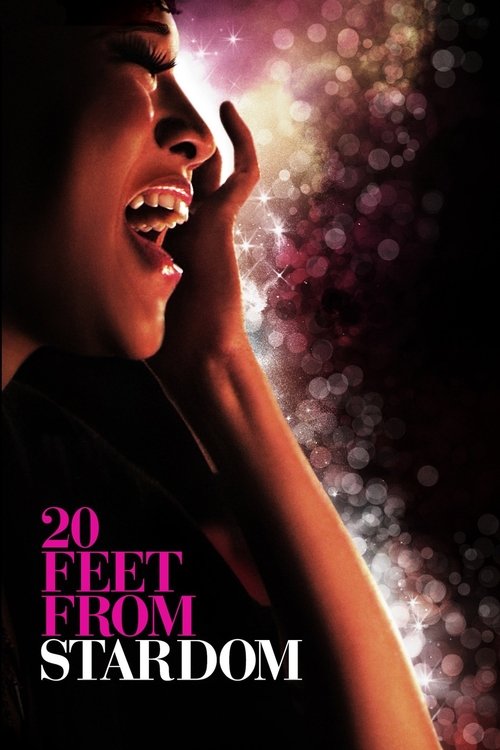
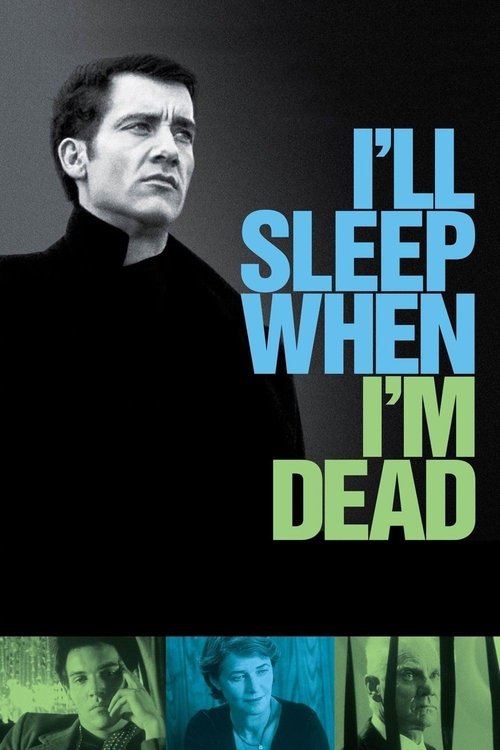
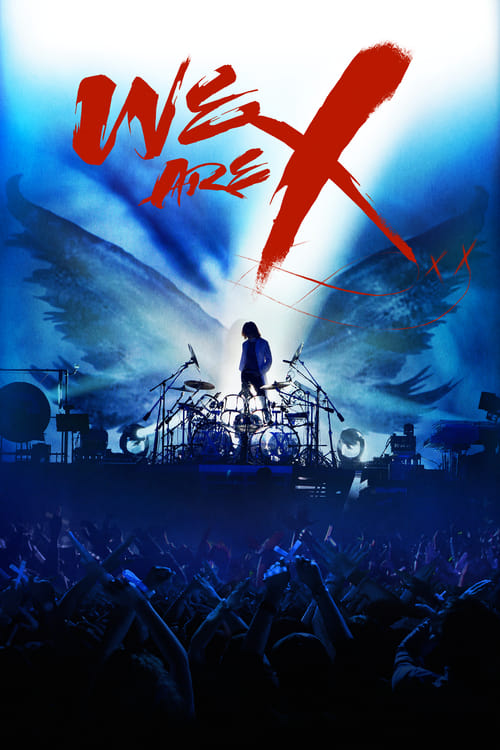
Books for the Guitar Hero Fan
Rock history, music obsession, and the culture that made the soundtrack



Guitar Hero Didn't Kill Rock -- It Made Fans
When Guitar Hero peaked, critics worried it was a substitute for real music. The opposite happened. Millions of players went out and bought actual guitars, discovered Led Zeppelin and Rage Against the Machine for the first time through the tracklist, and built lifelong fandoms out of a five-button plastic toy. The franchise was always a discovery engine dressed as a game. The backcatalog licensing choices were often hipper than mainstream radio, and every blistering boss battle with Through the Fire and Flames or Knights of Cydonia was also a recruitment ad for the real band.
Rock Band 3 Peaked the Genre -- and Nobody Topped It
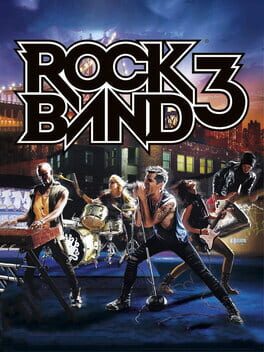
Rock Band 3 introduced a pro mode that used real guitar fingering, a full 25-key Keytar, and three-part harmonies. It was the moment the franchise stopped being an arcade abstraction and started being an actual music education tool. The song library was enormous. The online multiplayer was seamless. If you played it seriously, you could transfer genuine skills to a real instrument. That it coincided with the market oversaturation that crashed the plastic-instrument genre is one of the great commercial tragedies in gaming history: the best version of the idea arrived just as the idea burned out.
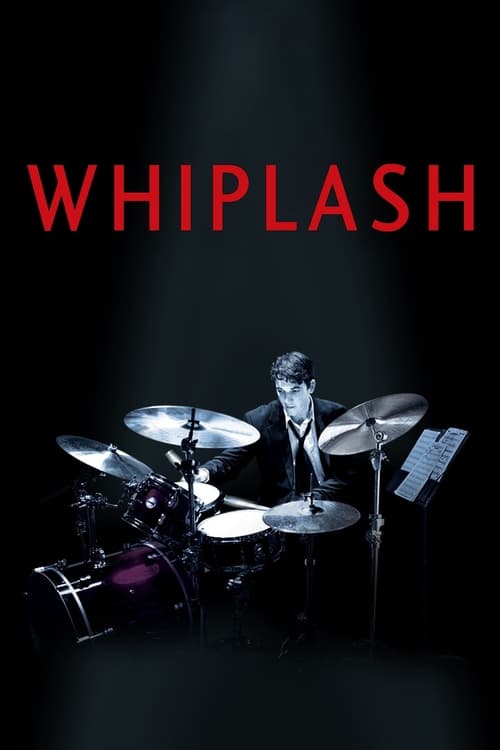
Whiplash Is Guitar Hero's Spiritual Dark Side
Both Guitar Hero and Whiplash are about the obsessive pursuit of musical perfection -- one wraps it in colored dots and crowd cheers, the other strips it down to blood, exhaustion, and the complicated psychology of a teacher who breaks his students to build them back stronger. They share an engine: the idea that music mastery is physical, repetitive, almost athletic. Watch Whiplash right after finishing a brutal Expert run and the continuity is obvious. The crowd noise is just quieter in Damien Chazelle's version.
A Brief History of the Plastic Guitar Era
- 2005Guitar Hero launches on PS2, a Harmonix/RedOctane joint built on the Frequency engine. Nobody expects it to matter. Guitar Hero 5
- 2006Guitar Hero II ships, adds co-op and bass guitar parts. The franchise earns its first real fanbase.
- 2007Activision buys RedOctane; EA signs Harmonix's new game Rock Band. The genre war begins. Rock Band
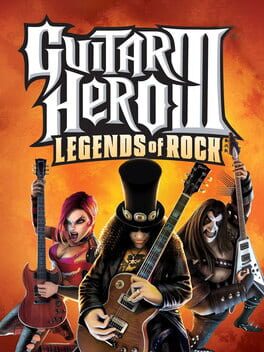
- 2007Guitar Hero III: Legends of Rock goes multiplatform and mainstream. Through the Fire and Flames becomes the internet's test of human limits. Guitar Hero III: Legends of Rock
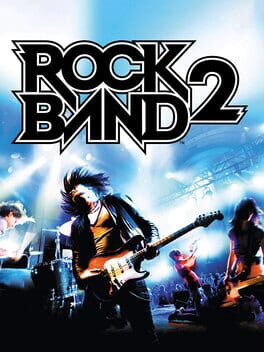
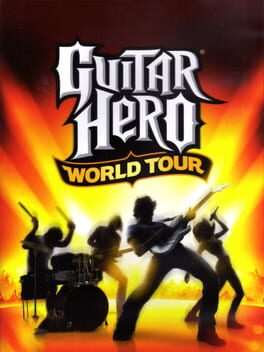
- 2008Rock Band 2 and Guitar Hero: World Tour add full band peripherals. The living room becomes a concert stage. Guitar Hero World Tour
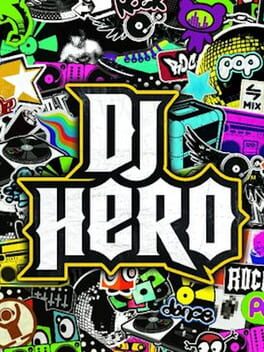
- 2009DJ Hero reframes the genre around turntablism and hip-hop mashups. A brilliant spin-off that arrives too late in the cycle. DJ Hero
- 2010Rock Band 3 launches with pro mode and keys. The genre's artistic peak, commercially too late. Rock Band 3
- 2011Market collapses. Both Guitar Hero and Rock Band cease major releases. The peripheral closet fills up.
- 2015Guitar Hero Live and Rock Band 4 attempt revivals. Guitar Hero Live's live-action crowd system is genuinely new; it still doesn't stick. Guitar Hero Live
Rock gods and arena anthems
For Fans of Led Zeppelin
Explore the For Fans of Led Zeppelin guide →The plastic guitar was never about pretending to play music. It was about feeling what it means to be inside a song.CrossBinge