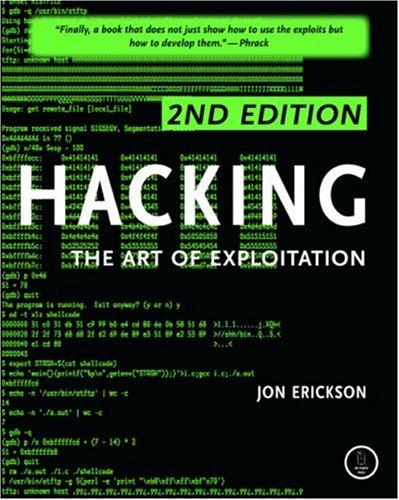

Hacking culture is not really about computers. It is about the compulsion to understand how things work at a level most people never bother to reach, and then to use that understanding to do something the system never expected. The best hacker fiction captures a specific feeling: the vertigo of seeing infrastructure as a set of seams and levers, the loneliness of knowing what you know, and the moral weight of choosing what to do with it. From the phone phreaks of the 1970s to ransomware gangs and state-sponsored intrusion, the canon spans paranoid thrillers, counterculture manifestos, gonzo cyberpunk novels, and prestige television. What ties them together is not technical accuracy but the texture of systems thinking as a way of life.
Hacking on Screen
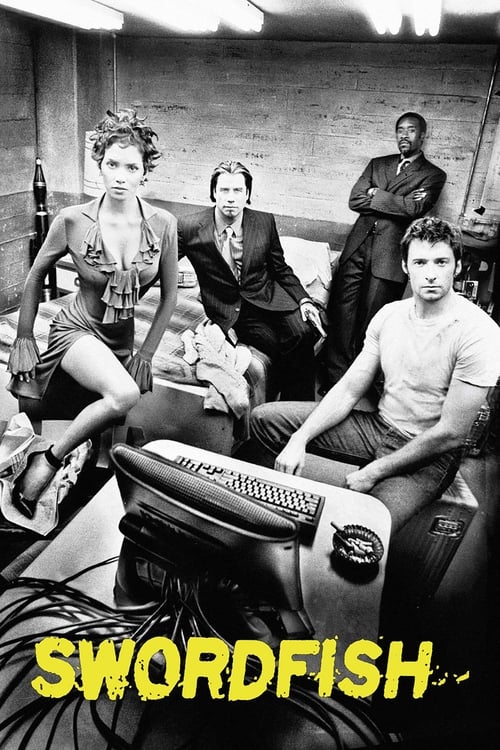
Films that get the subculture right, or at least get the feeling right.


Series for the Paranoid and Plugged In
Television that takes the hacker worldview seriously, from bedroom operations to state-level cyberwar.

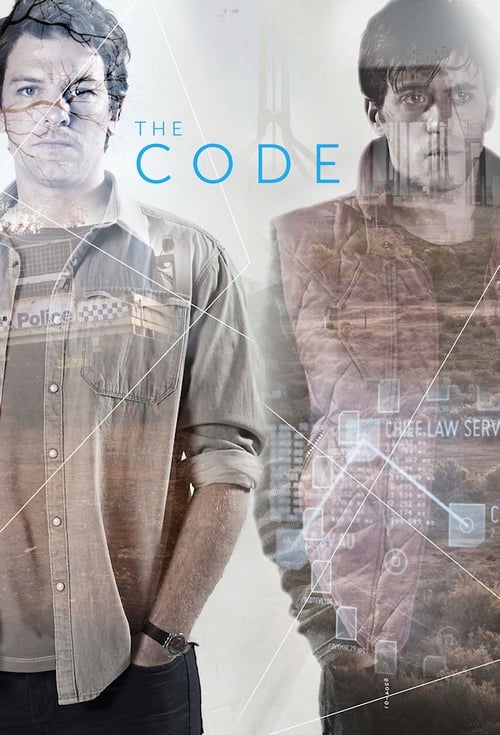
Games Where Knowing the System Is the Point
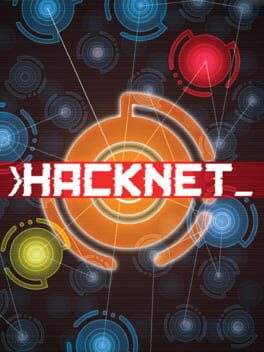
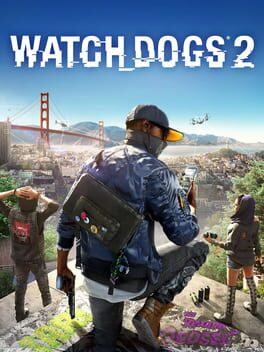
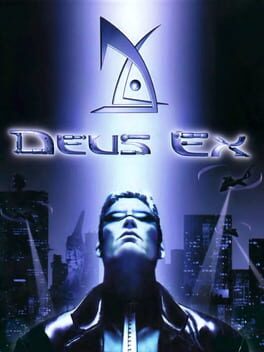
Games that make you think like a hacker, whether through social engineering, network infiltration, or pure systems mastery.


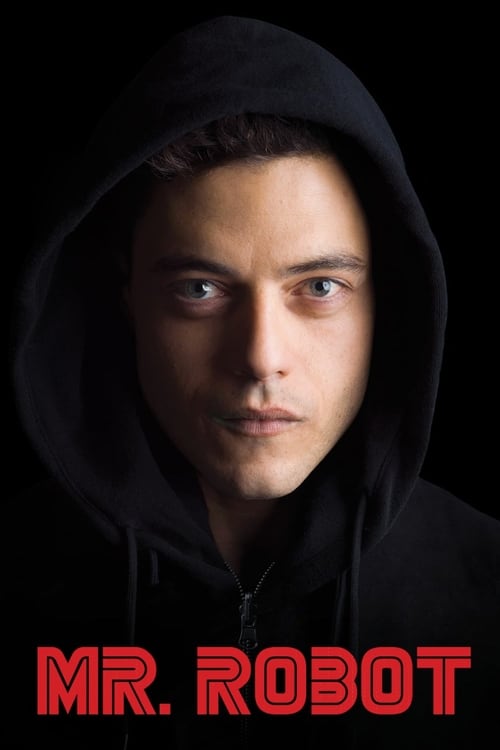
Mr. Robot is the most accurate depiction of hacking ever made for mainstream audiences
Creator Sam Esmail hired actual security researchers as consultants and refused to use fake terminal output. The result is a show where the exploits, the social engineering, the OPSEC failures, and the psychological toll all ring true in ways that Hollywood almost never attempts. The technical accuracy is not the point by itself; it earns the audience's trust so the emotional story can land without the usual genre compromise.
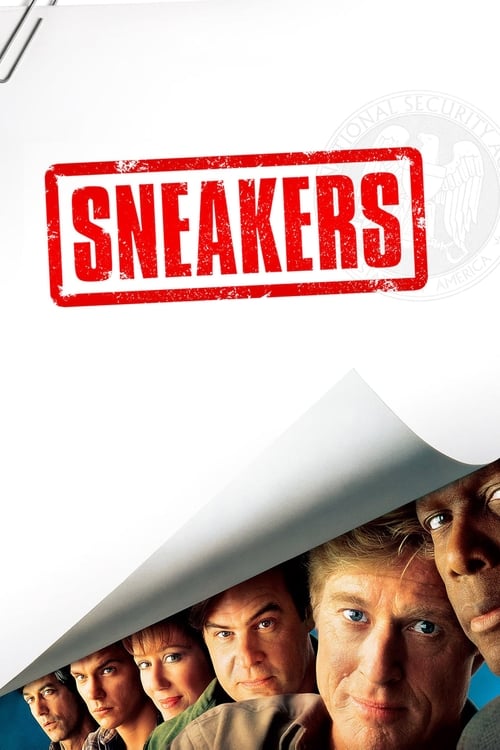
Sneakers (1992) is still the best ensemble hacker film
It has Robert Redford, Sidney Poitier, Dan Aykroyd, River Phoenix, and Ben Kingsley, a MacGuffin that is essentially a universal decryption device, and a plot that understood social engineering before the term was mainstream. It is funny, tense, and structurally generous to its whole cast. Later films got flashier tools but rarely matched its sense of teamwork or its sly awareness of who actually benefits from security and who gets locked out.
A History of Hacking Culture in Media
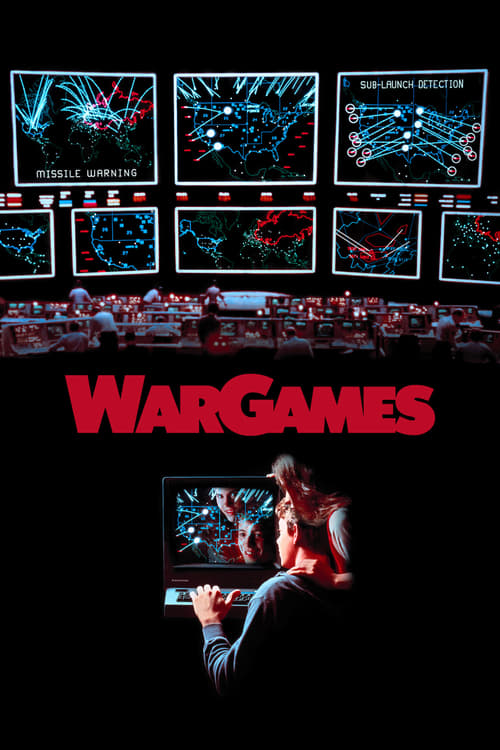
- 1983A teenager nearly starts a nuclear war by dialing into a military computer WarGames
- 1984William Gibson coins cyberspace and defines the aesthetic of the genre Neuromancer
- 1989Clifford Stoll publishes his account of hunting a KGB-linked hacker across ARPANET
- 1992Sneakers brings the ensemble social-engineering heist to mainstream cinema Sneakers
- 1992Neal Stephenson imagines a Metaverse owned by corporate franchises Snow Crash
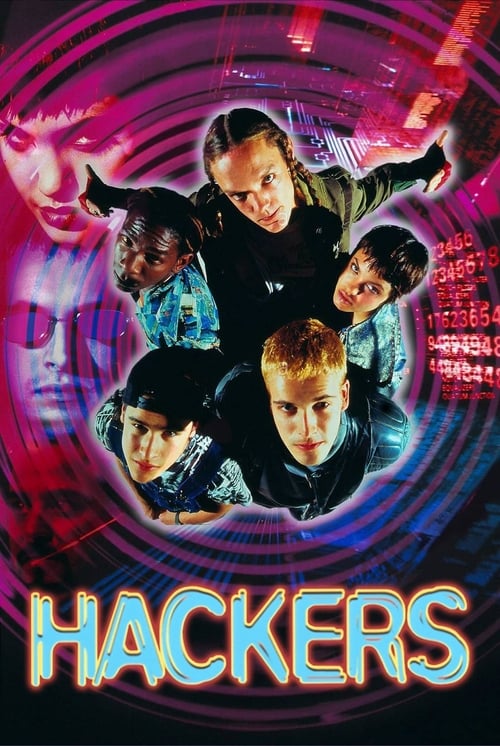
- 1995Hackers makes the subculture a fashion moment; the soundtrack becomes an artifact Hackers
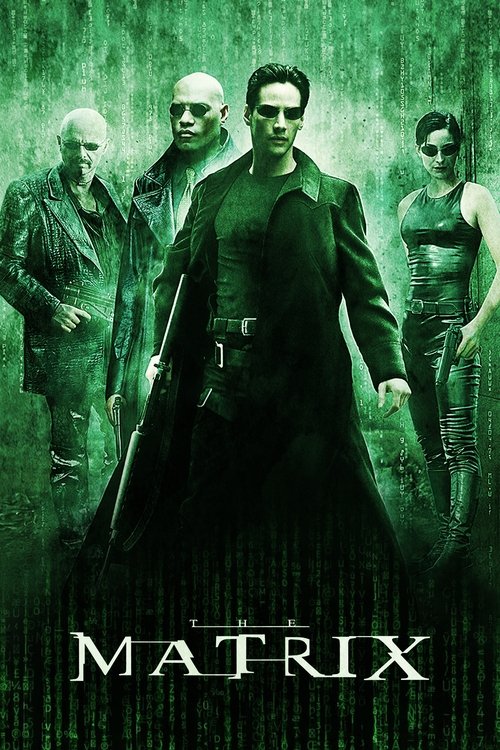
- 1999The Matrix reframes hacking as philosophical and physical liberation The Matrix
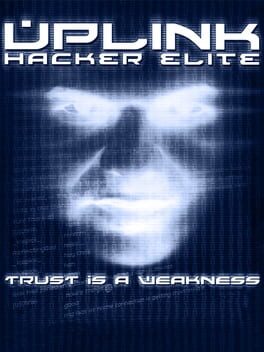
- 2001Uplink lets players actually feel like a remote-access operator Uplink
- 2013Edward Snowden's disclosures make the surveillance state legible to the public
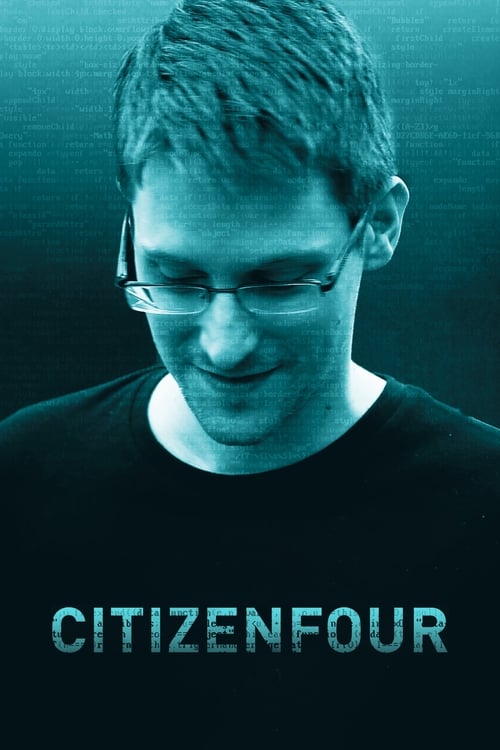
- 2014Laura Poitras documents the Snowden disclosures in real time Citizenfour
- 2015Mr. Robot premieres and raises the standard for technical realism on television Mr. Robot
- 2016Hacknet makes terminal-based network infiltration a satisfying game loop Hacknet
- 2022Kim Zetter's Sandworm traces nation-state cyberwar from Ukraine to global infrastructure
The hacker is someone who discovers a flaw in a system and, instead of ignoring it or reporting it quietly, cannot resist seeing exactly how deep it goes.Steven Levy, Hackers: Heroes of the Computer Revolution