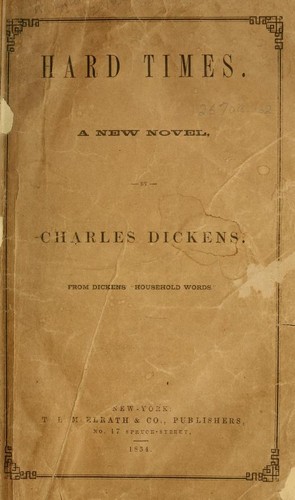

Hard Times (1854) is Dickens at his most compressed and furious. Set in the fictional mill town of Coketown, it strips away the sprawling sentiment of his longer novels and aims directly at one target: a society that reduces human beings to economic units. Thomas Gradgrind's philosophy of "Facts, Facts, Facts" is not a cartoon villain's creed but a recognizable ideology, the logic of efficiency applied to childhood, labor, and love. What fans chase in Dickens's shortest novel is that particular anger, the feeling of a writer who genuinely cannot accept that the world is organized this way. They want fiction that indicts a system without letting individuals off the hook, that uses satire as a scalpel rather than a comedy prop, and that finds tenderness precisely where the cold machinery of progress would deny it exists.
The Industrial Conscience: Victorian Novels of Work and Class
Novels that share Hard Times's core argument: that the economic order exacts a human cost its beneficiaries prefer not to count.


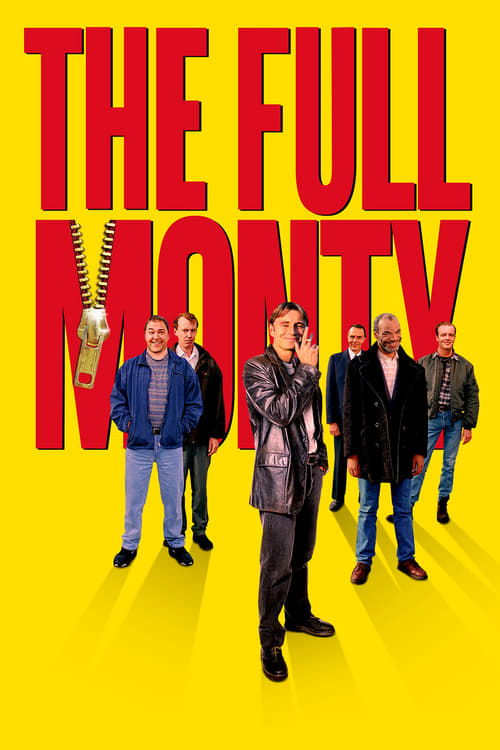
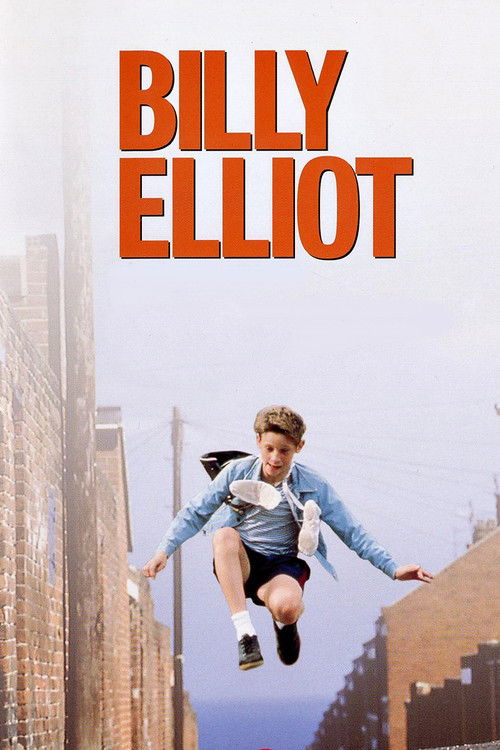
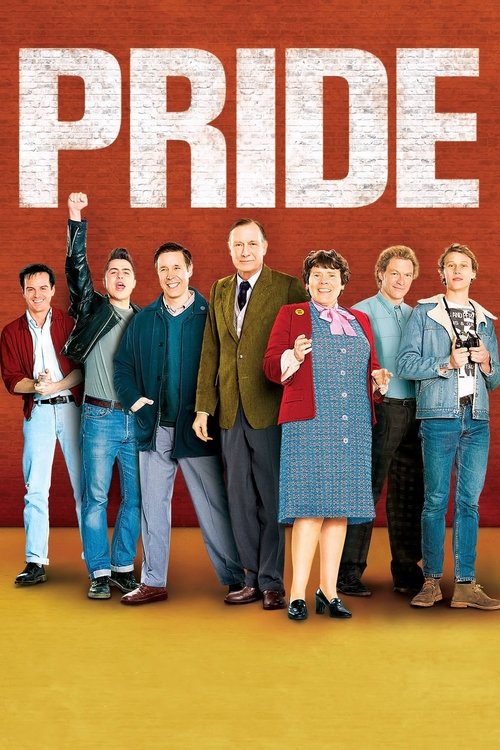
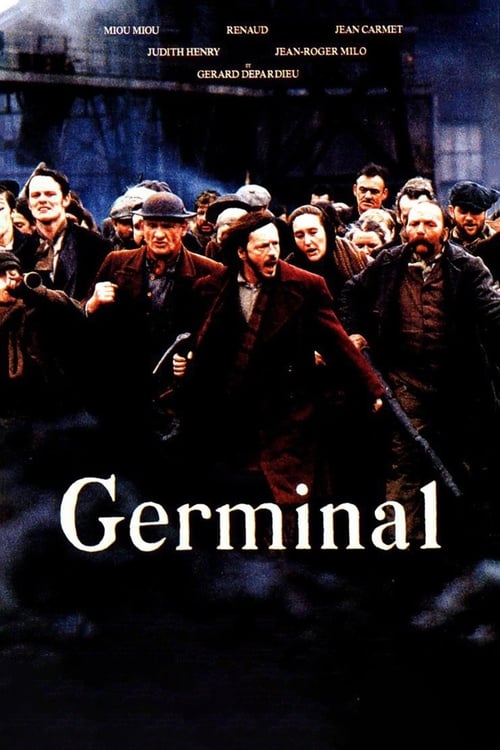
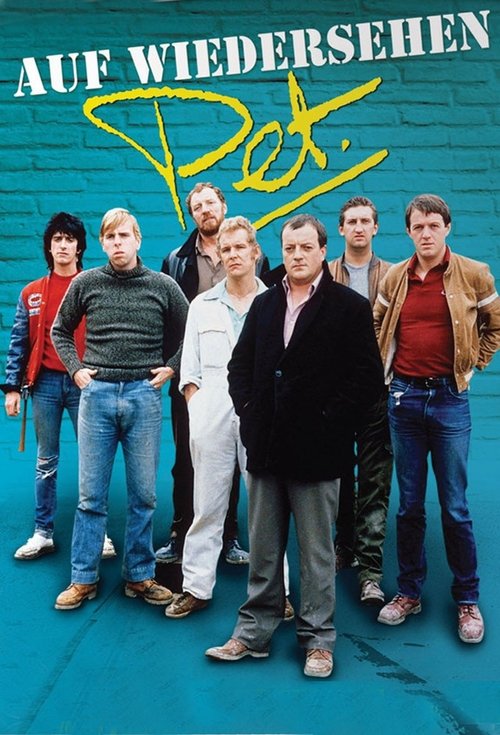
Coketown on Screen: Adaptations and Kindred Films
Films that carry the same charge: institutions that crush, individuals who resist, and the question of who gets to count as fully human.
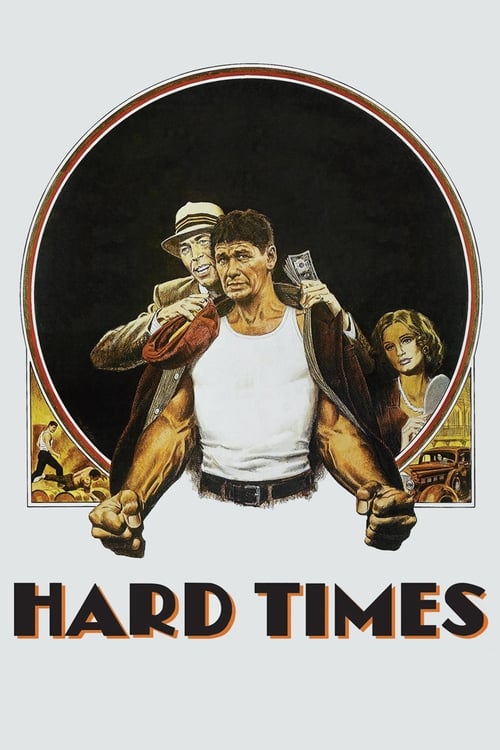




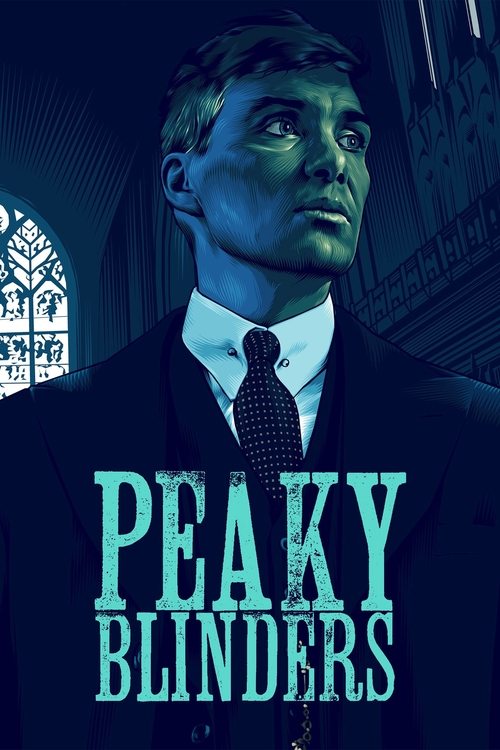
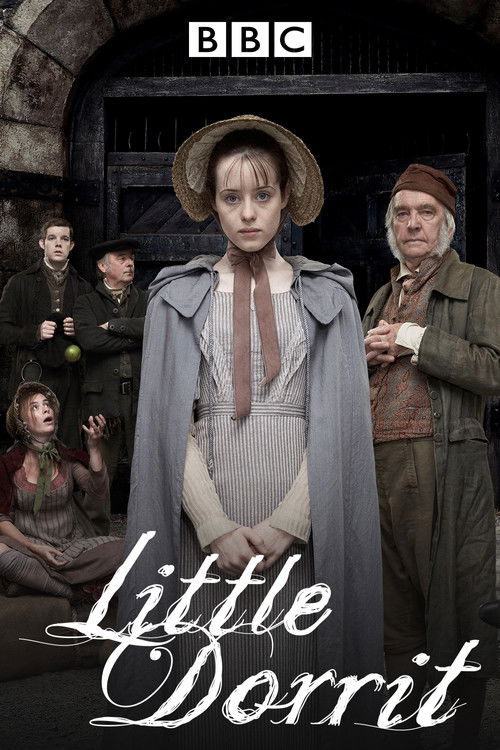
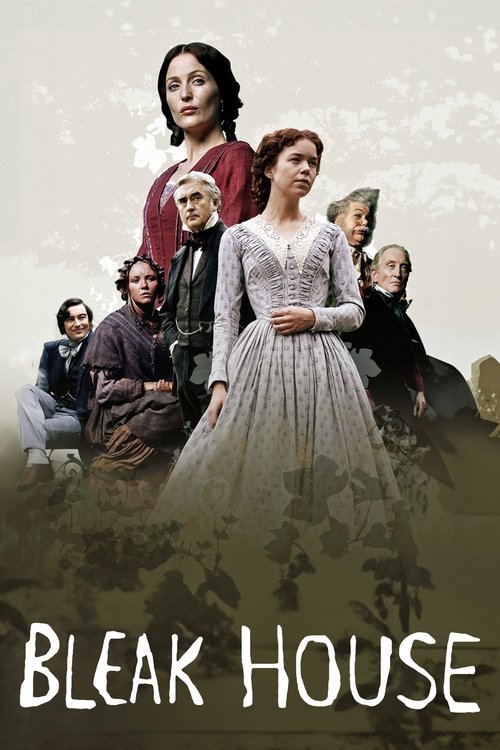
The Long View: TV Drama About Class, Labor, and Dignity
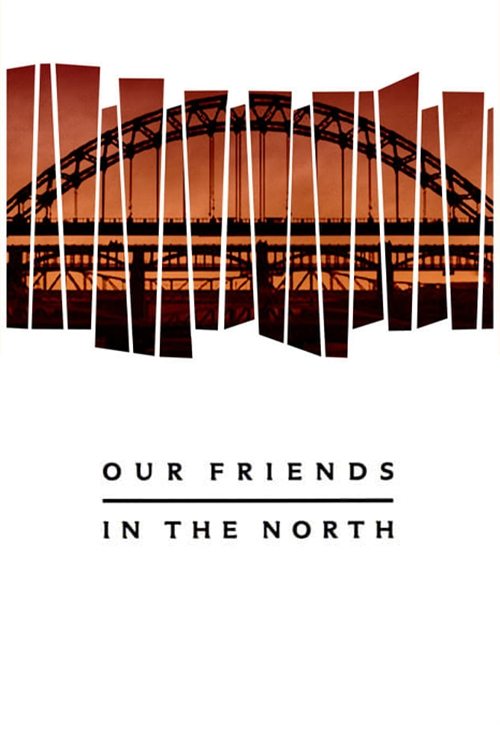
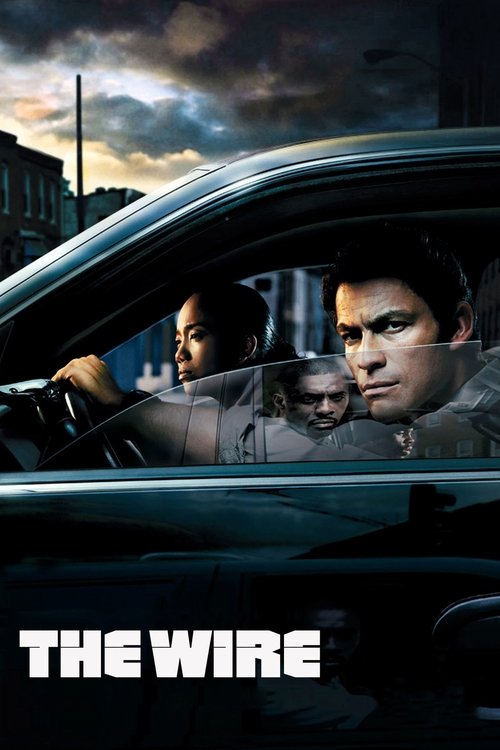
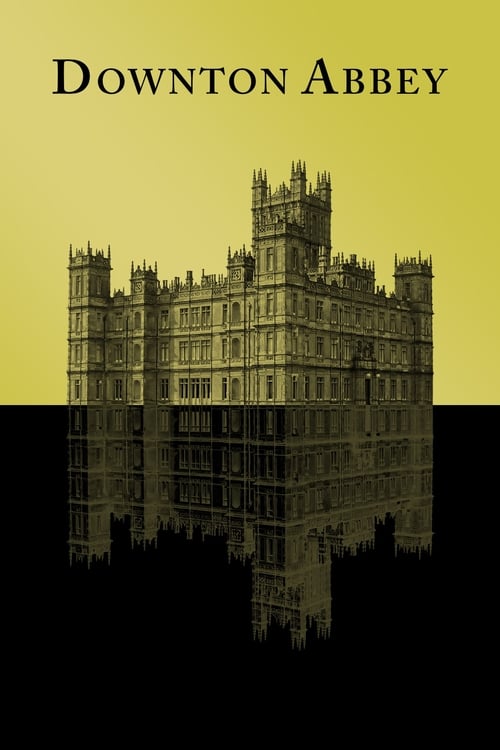
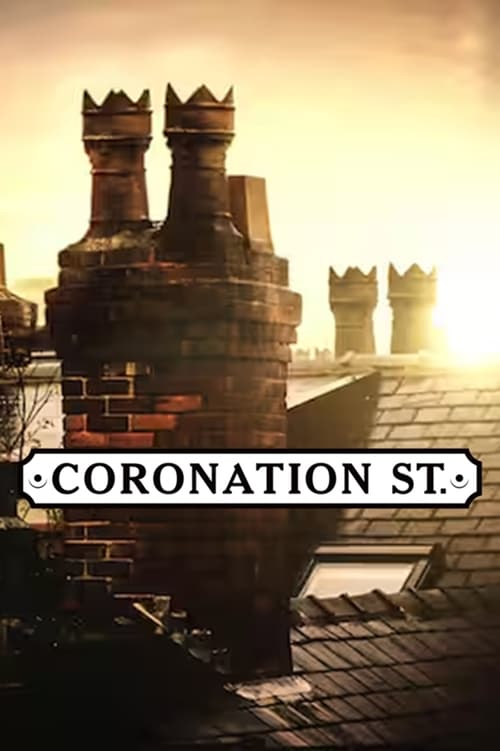
Series that use the serial form (as Dickens himself used serialization) to let systemic injustice accumulate weight over time.

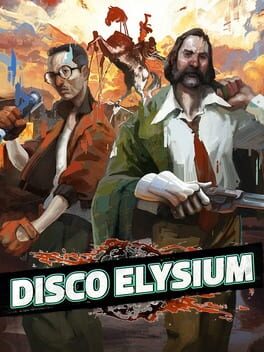
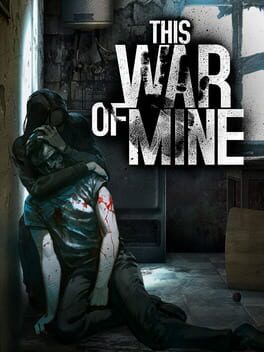
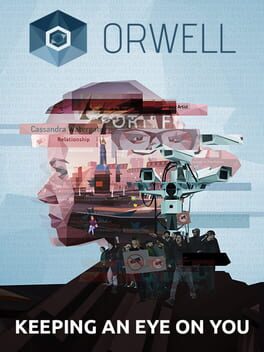
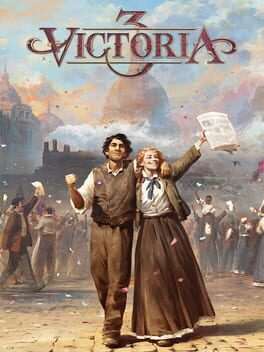
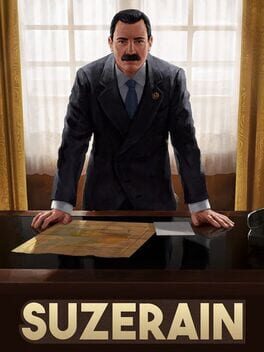
Systems Built to Grind: Games About Labor, Power, and Resistance
Games that make you feel the pressure of an indifferent machine, whether economic, political, or bureaucratic.



The Sound of Protest: Music From the Industrial Tradition
Records and scores shaped by working-class life, solidarity, and the friction between human feeling and mechanical repetition.
The Circus Is Not an Escape: It Is the Alternative
Sleary's circus is often read as the sentimental relief valve in Hard Times, the warm world that redeems the cold one. But Dickens is making a harder claim: that art, improvisation, and collective spectacle are not luxuries grafted onto a functioning society. They are what a society is for. Without them, the Gradgrind system produces not efficiency but Bitzer, a human being who has optimized himself into something no longer recognizably human.

The Short Dickens Is the Necessary Dickens
Readers who bounce off Bleak House or Little Dorrit because of sheer length often find Hard Times a revelation: a Dickens who has decided that every word must earn its place. The compression forces a clarity of argument that his longer books, richer and stranger as they are, can afford to let meander. It is the best entry point for a skeptical reader and the book that most directly explains why the other books matter.


A Century and a Half of Industrial Critique
- 1845Engels publishes The Condition of the Working Class in England, the non-fiction document that shadows every Victorian industrial novel.
- 1848Elizabeth Gaskell's Mary Barton brings the Manchester cotton workers into fiction for the first time.
- 1854Hard Times serialized in Household Words; Dickens's shortest novel and his most concentrated polemic. Hard Times
- 1855Gaskell's North and South extends the debate, giving the mill-owner a more sympathetic hearing than Dickens allowed Bounderby. North and South
- 1885Zola's Germinal: the fullest French equivalent, set in the northern coalfields, with no Sleary's circus to soften the ending. Germinal
- 1906Upton Sinclair's The Jungle transplants the argument to the Chicago meatpacking industry and prompts actual food-safety legislation. The Jungle
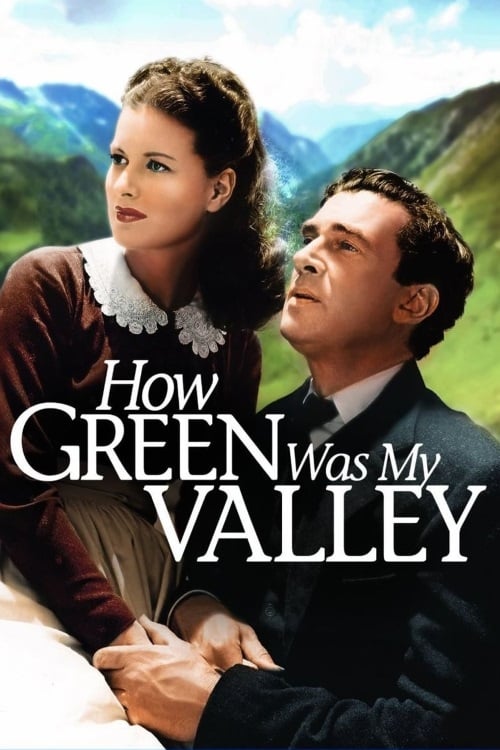
- 1941John Ford films How Green Was My Valley, the elegiac Welsh-mining counterpart on screen. How Green Was My Valley
- 1977Hard Times adapted for BBC television, bringing Gradgrind's schoolroom to a mass audience.
- 1996Brassed Off: post-Thatcher pit closures, a brass band, and a fury close to Dickens's own. Brassed Off
- 2013Papers, Please gamifies bureaucratic complicity, making the player live inside a system rather than observe it. Papers, Please
- 2019Disco Elysium: the most Dickensian video game ever made, a dying industrial port town filtered through a detective's fractured consciousness. Disco Elysium
Now, what I want is, Facts. Teach these boys and girls nothing but Facts. Facts alone are wanted in life.Thomas Gradgrind, Hard Times (1854)