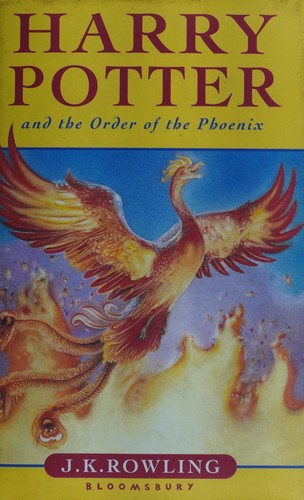

Order of the Phoenix is the book in the series where everything gets harder and nothing gets easier. Harry returns to Hogwarts carrying trauma no one wants to hear about, faces a Ministry actively working to discredit him, and watches an institution he loved reveal its capacity for cowardice and cruelty. The DADA classroom becomes a political battleground. Adults fail spectacularly. The kids build something underground.
What fans chase from this book is a specific, bracing feeling: the rage of being disbelieved by people with power, the solidarity of a small group that decides to train and resist anyway, and the grief of losing mentors before you are ready. It is the longest book in the series and the most politically alive. If you felt something unlock when Harry said "I've had enough" and founded Dumbledore's Army, the works below are tracking the same frequency.
The Harry Potter Novels: Where Order of the Phoenix Sits
The full series arc, for context on what makes Book Five the turning point


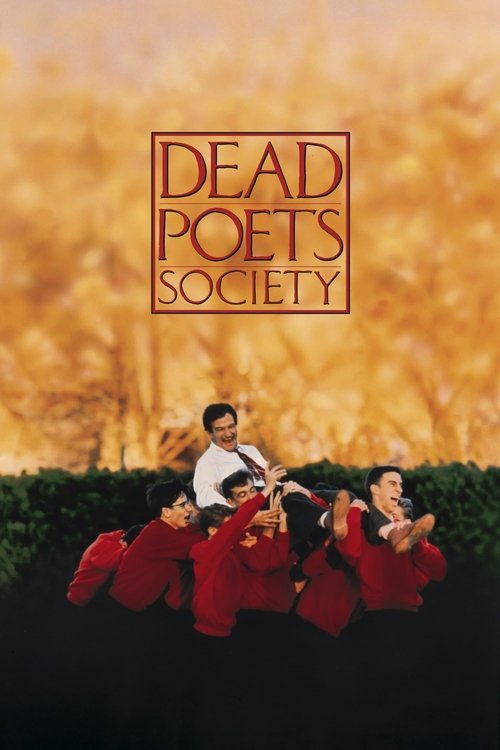
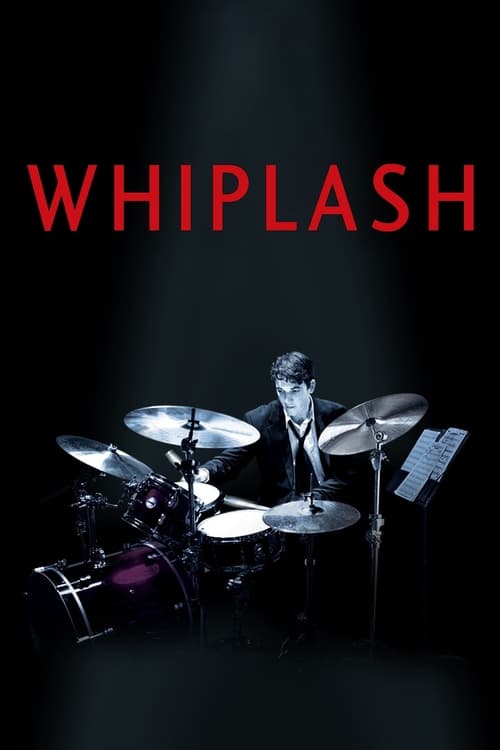
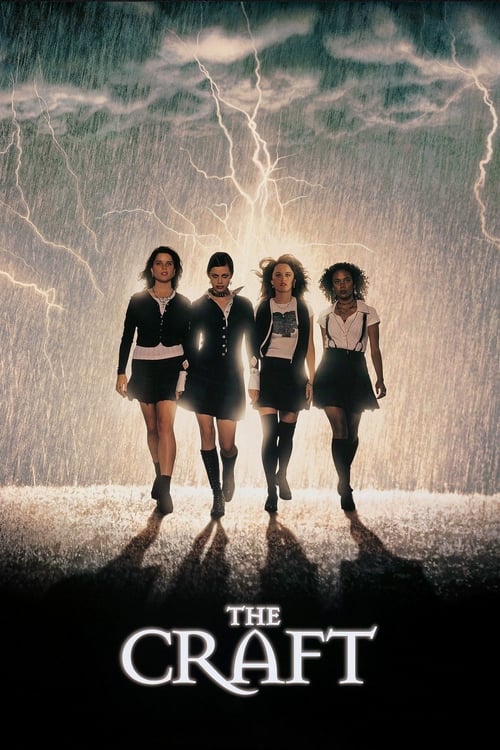
On Screen: Films with the Same Institutional-Dread Energy
Movies about systems failing the people inside them, and the small acts of defiance that follow




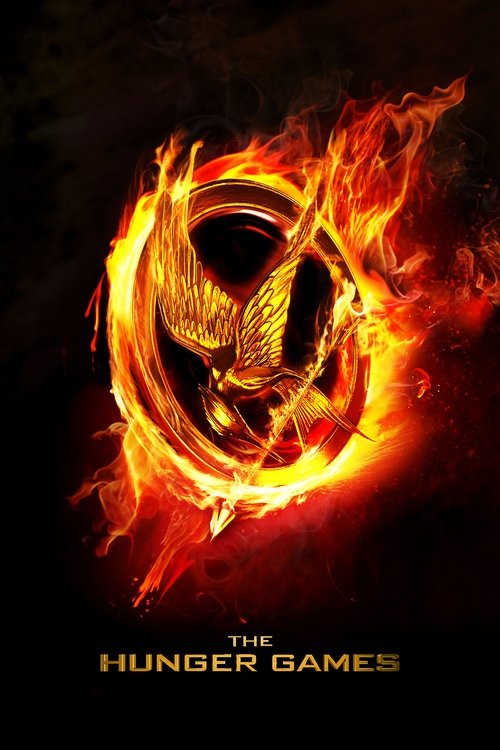

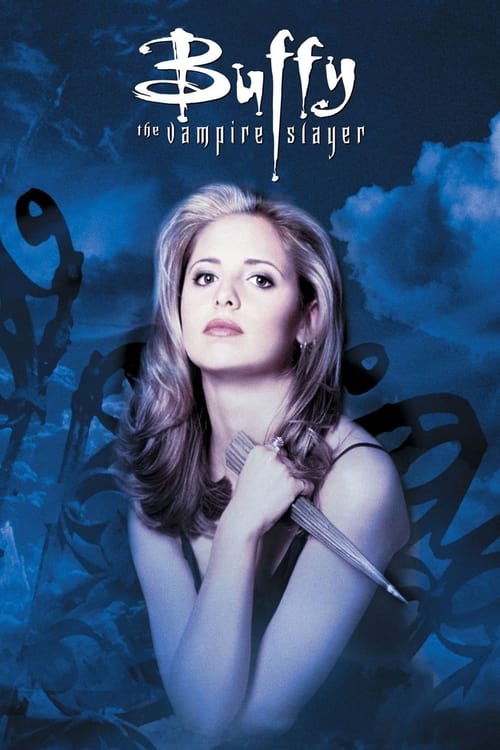
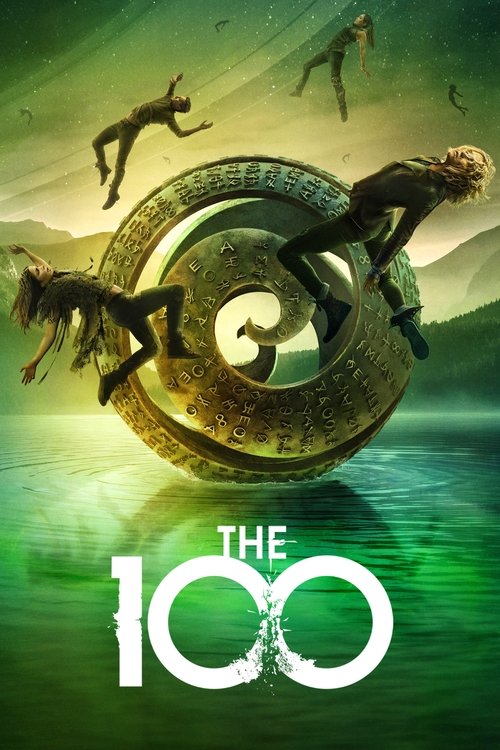
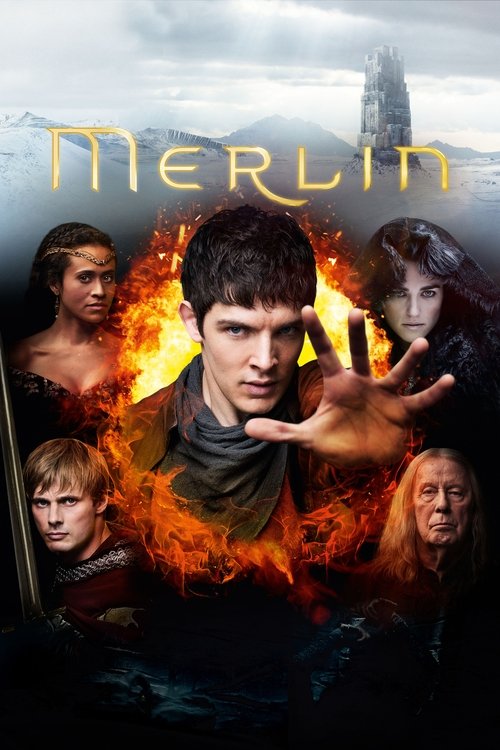
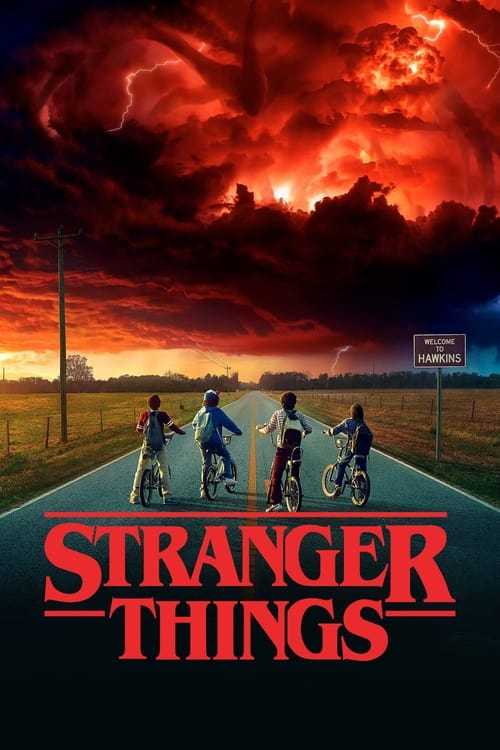
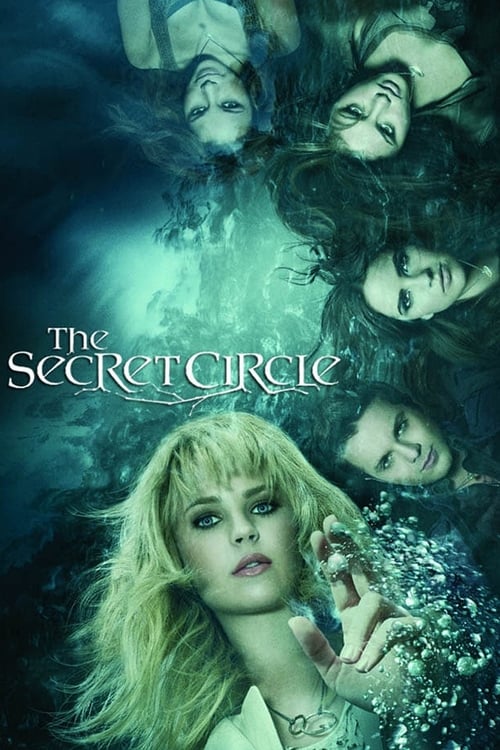
Series to Watch: Chosen Family Under Siege
TV shows built around a tight group resisting a powerful, dishonest institution





Games That Share the Underground-Resistance Feel
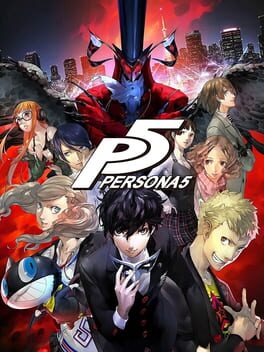
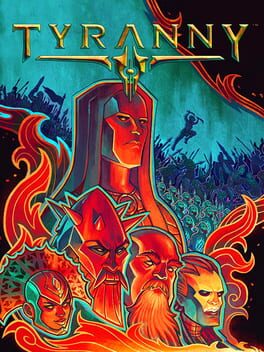
Playing as the underdog building power against an authority that refuses to acknowledge the threat


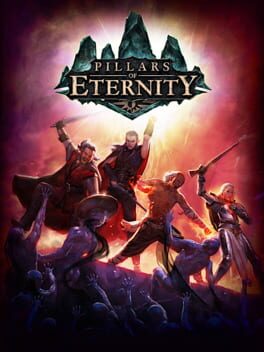
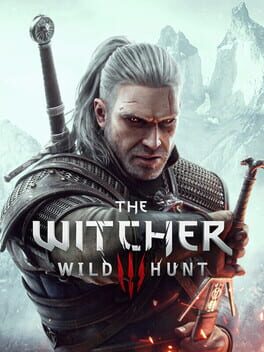
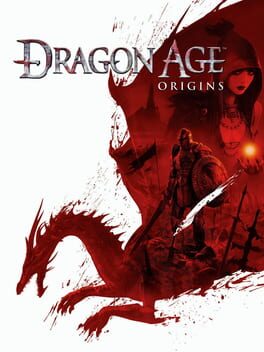

We've all got both light and dark inside us. What matters is the part we choose to act on. That's who we really are.Sirius Black, Harry Potter and the Order of the Phoenix
The Dumbledore's Army Scenes Are the Emotional Core, Not the Battle
The scenes in the Room of Requirement where Harry teaches his classmates to cast a Patronus are some of the warmest writing in the entire series, precisely because they are self-organized and unofficial. No adult sanctioned it. The students identified a gap and filled it themselves. The climactic battle at the Ministry is spectacular, but the DA sessions are where the book earns its emotional payoff. Persona 5 understands this rhythm exactly: the Phantom Thieves' attic sessions carry more weight than the palaces.
Harry's Anger in This Book Is Not a Flaw, It Is the Point
A common criticism of Order of the Phoenix is that Harry is too angry, too difficult, too much. That criticism misses what Rowling is doing. Harry has survived two life-threatening confrontations, watched a peer die, and returned to a world that prefers to call him a liar. His anger is proportionate. The book is partly about how institutions pathologize inconvenient grief. Avatar: The Last Airbender gives Zuko the same treatment: a character whose fury reads as difficult until the context makes it inevitable.
The Wizarding World in Order of the Phoenix: Key Dates
- 1945Dumbledore defeats Grindelwald, ending the first major dark-wizard war
- 1970The First Wizarding War begins as Voldemort rises to power
- 1981Voldemort falls after attacking the Potters; Harry survives
- 1995Voldemort returns at the end of Goblet of Fire, setting the stage for Order of the Phoenix Harry Potter and the Goblet of Fire
- 1995Order of the Phoenix: Dumbledore's Army founded; Sirius dies; Ministry finally acknowledges Voldemort's return Harry Potter and the Order of the Phoenix
- 2003Order of the Phoenix published (UK) Harry Potter and the Order of the Phoenix
- 2007Order of the Phoenix film released Harry Potter and the Order of the Phoenix