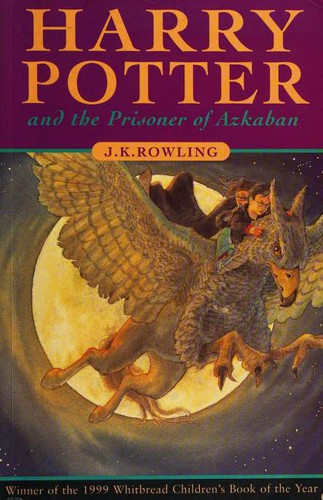

Prisoner of Azkaban is where Harry Potter grew up. The third book in J.K. Rowling's series is the one fans return to most, and for good reason: it introduced time travel with real consequences, a villain whose innocence is the twist, and the first genuine moral complexity the series had attempted. Dementors are not cartoonish evil; they are depression made visible. Sirius Black is not a savior; he is a broken man whose exoneration arrives too late to fix anything. The book trusts its young readers with ambiguity, with institutions that fail, with adults who are neither purely heroic nor purely corrupt. That tonal shift, from adventure story to something closer to a Gothic thriller with a schoolyard heart, is what fans are actually chasing when they reach for the next thing.
Books with the same dark, twisting heart
Novels that share its Gothic boarding-school atmosphere, moral reversals, and the weight of secrets kept from children.


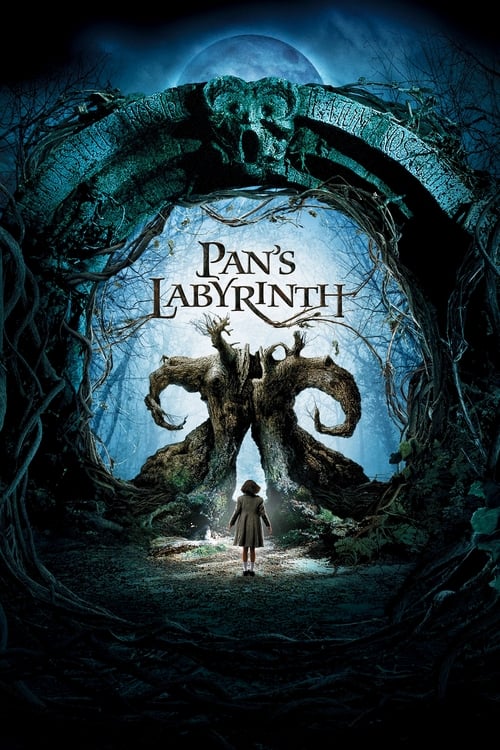
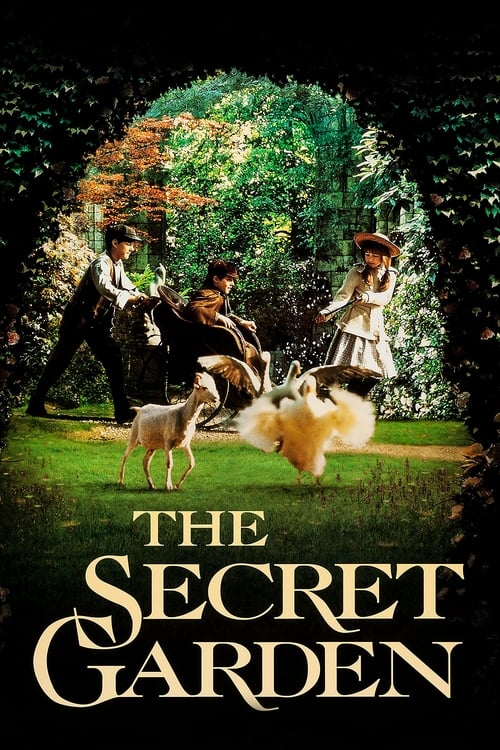
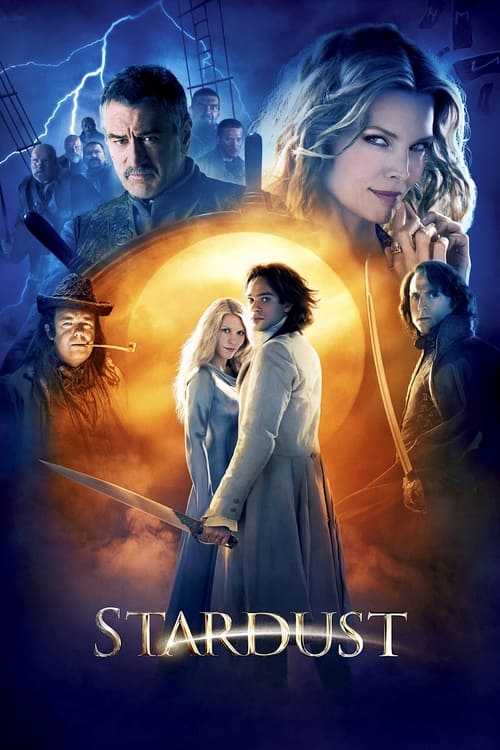
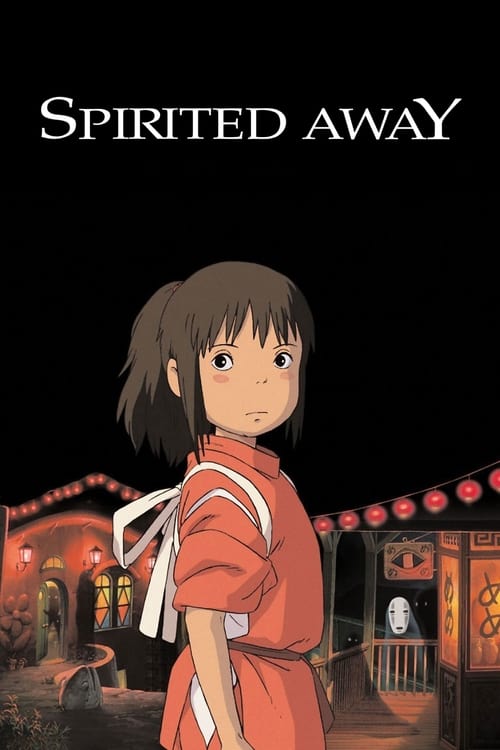
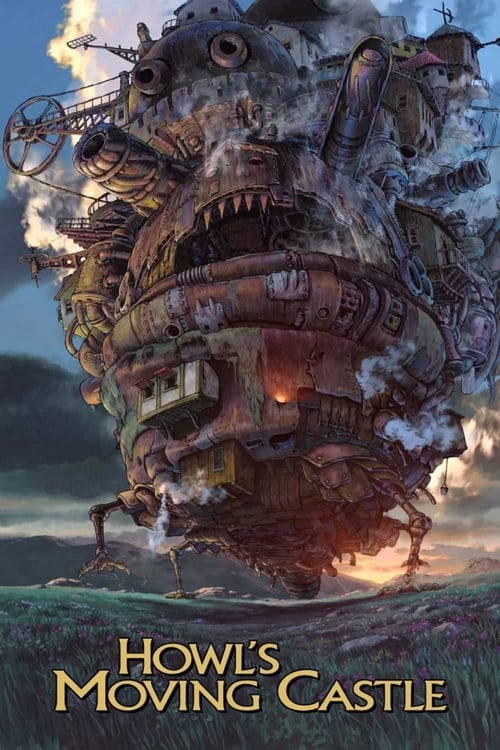
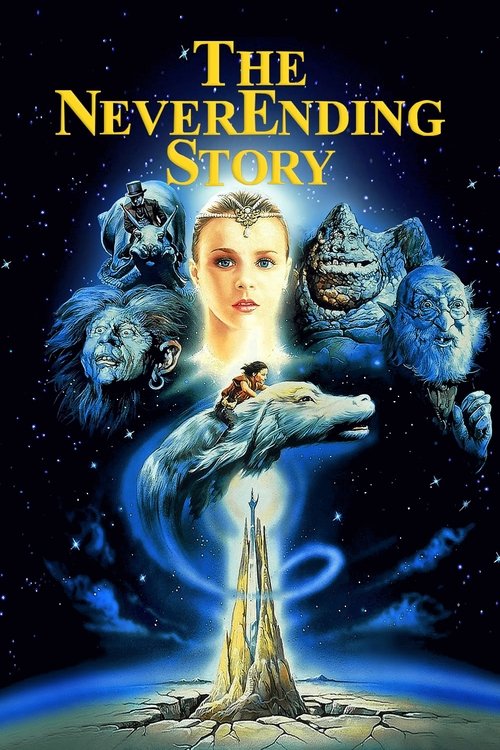
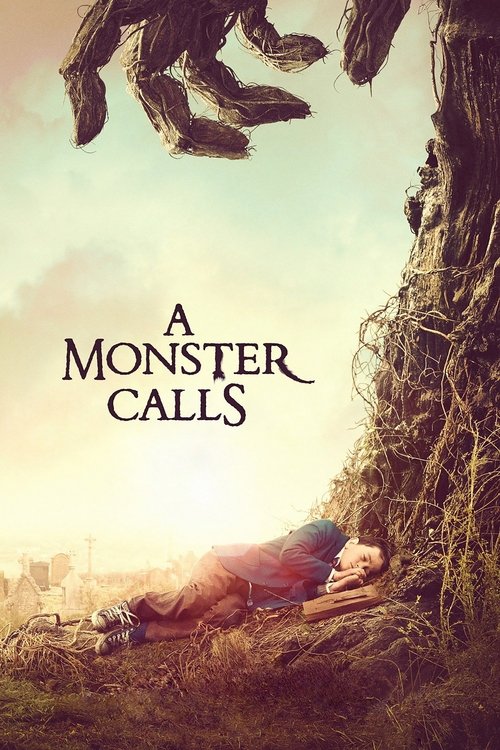
Films that live in the same shadowed register
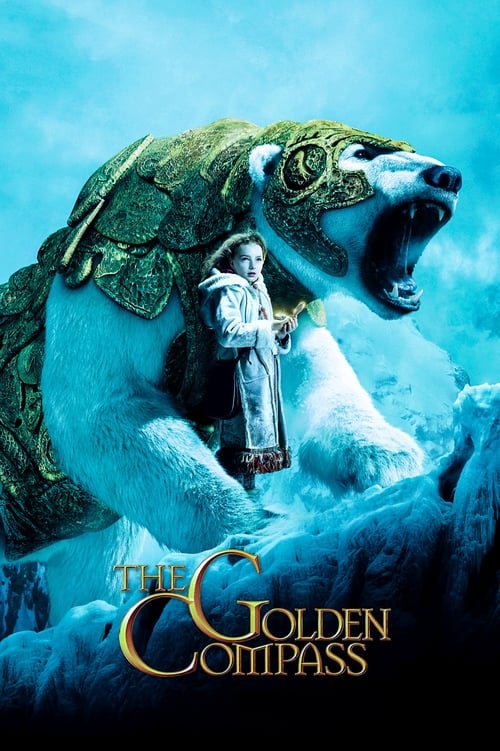
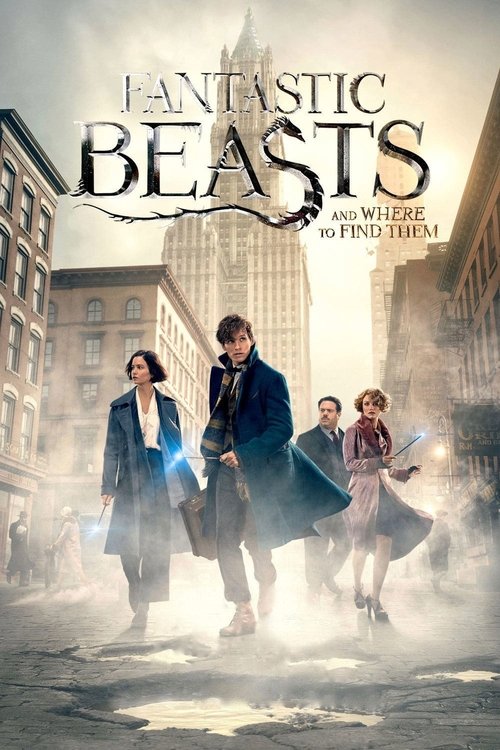
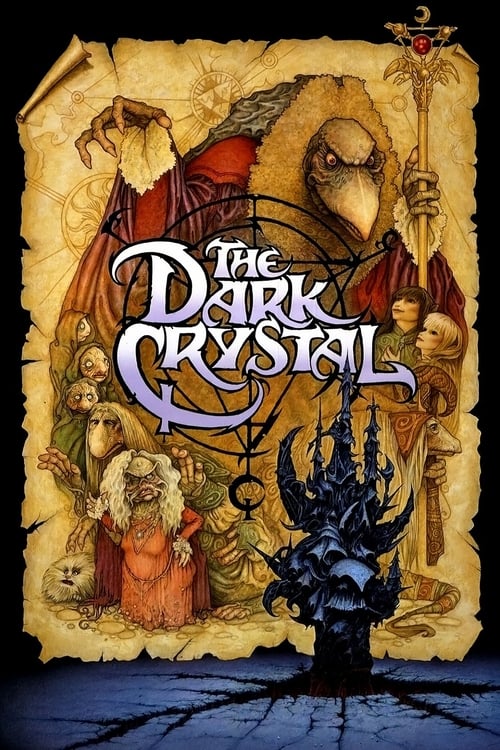
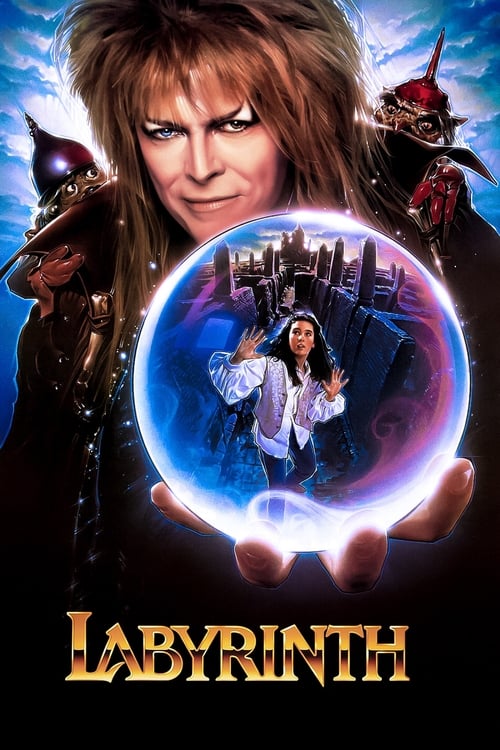
Movies that blend magic or mystery with the particular dread Cuaron brought to Hogwarts: beauty shot through with melancholy and real stakes.
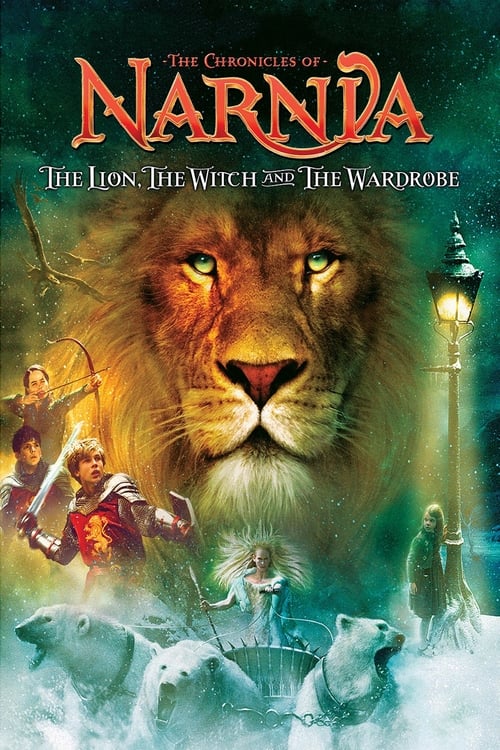
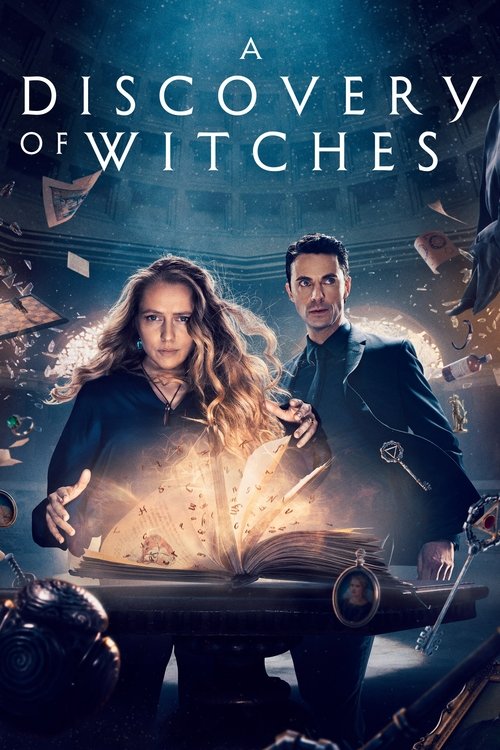
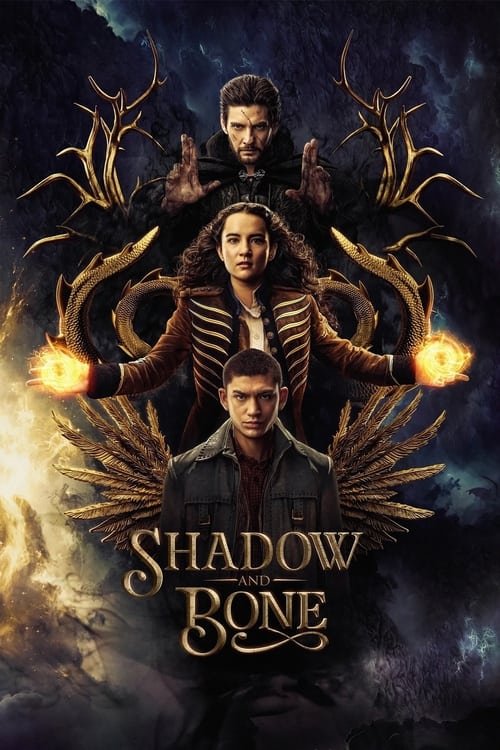
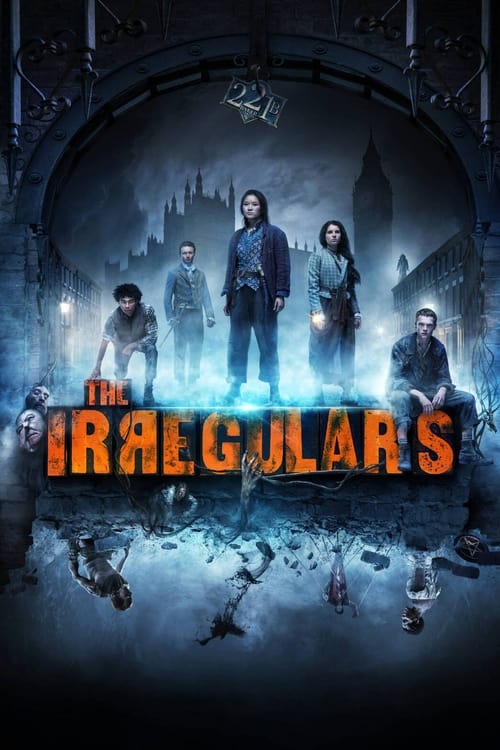
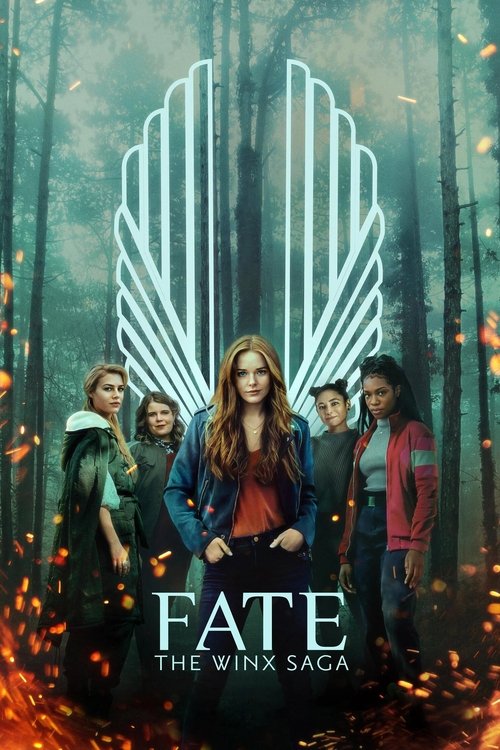
Series that carry the torch
Television that captures the feeling of a secret world with rules, a school or institution hiding something, and young protagonists outpacing the adults around them.
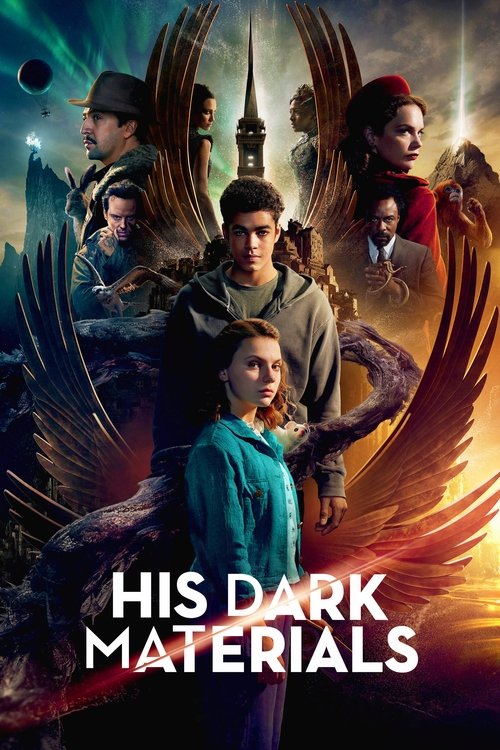
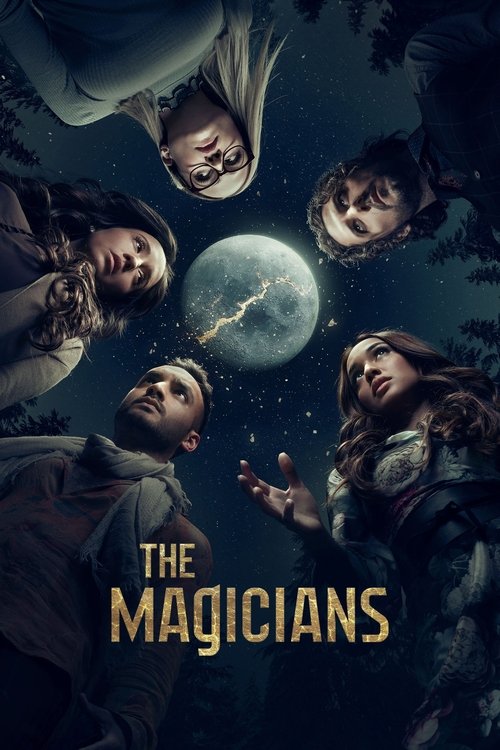
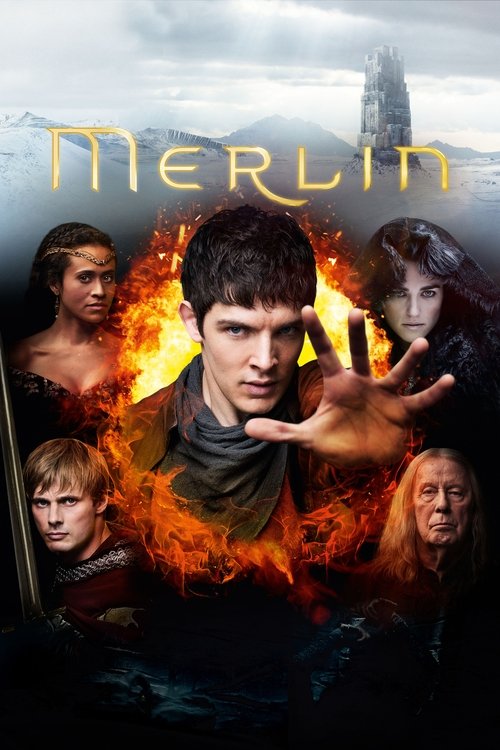
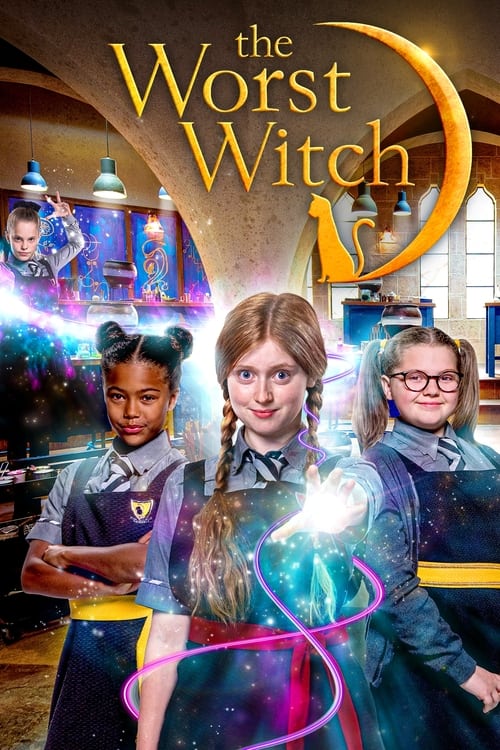
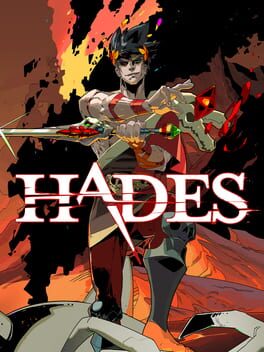
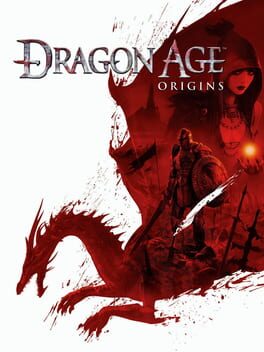
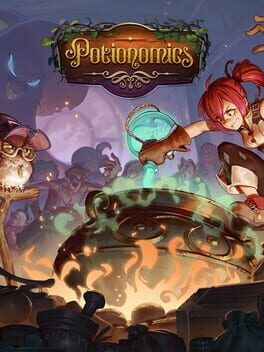
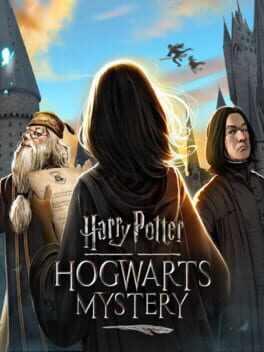
Games that inhabit a magical world with moral weight
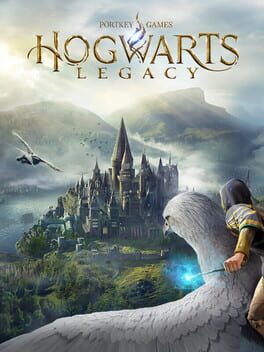
Games that give you a school, a secret history, or a world of spells where the rules matter and the lore runs deep.
Alfonso Cuaron did something Rowling never quite did on the page
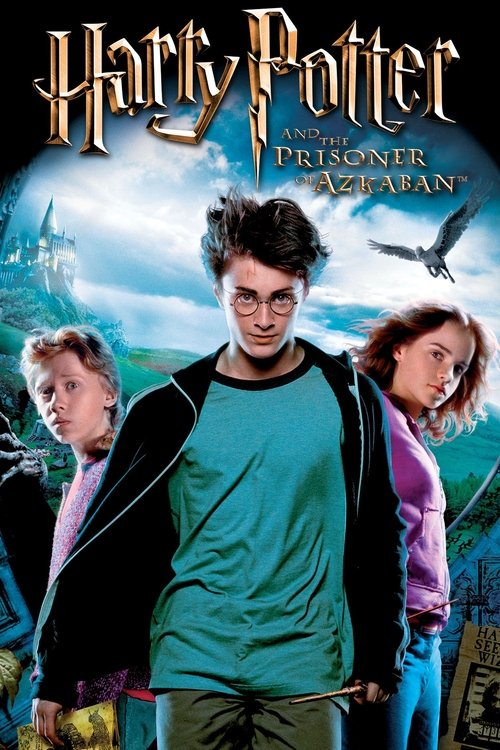
The film adaptation of Prisoner of Azkaban is the only Harry Potter movie that feels like it was made by someone with a distinct artistic vision. Cuaron stripped the visual palette to blues and browns, let scenes breathe, and used the Whomping Willow as a seasonal clock marking time's passage. The book is better in its plotting; the film is better in its atmosphere. Both are worth holding at once.
Time-travel stories earn their ending or they don't
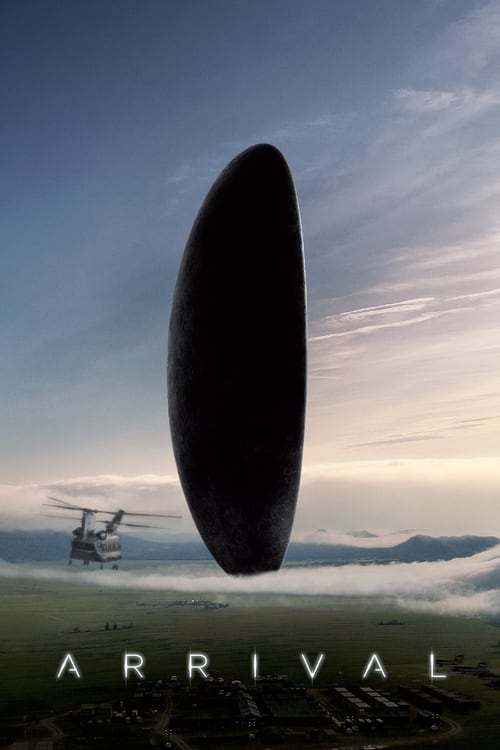
Prisoner of Azkaban uses time travel not as a plot escape hatch but as a closed loop: everything that happened always happened, and the second pass through events only clarifies what the first pass obscured. It is one of the cleanest time-travel structures in popular fiction, far more disciplined than most dedicated science fiction novels that tackle the same device. When you chase this feeling elsewhere, look for stories where the loop has real weight.

The world of Harry Potter through the years
- 1997Harry Potter and the Philosopher's Stone published; a children's series begins. Harry Potter and the Philosopher's Stone
- 1999Prisoner of Azkaban published; wins the Whitbread Children's Book Award and marks the series' tonal turn. Harry Potter and the Prisoner of Azkaban
- 2001The first film adaptation arrives; John Williams writes a score that defines the franchise.
- 2004Cuaron's film of Prisoner of Azkaban resets the visual language of the entire franchise. Harry Potter and the Prisoner of Azkaban
- 2007Harry Potter and the Deathly Hallows closes the series; the darkness seeded in Azkaban pays off fully. Harry Potter and the Deathly Hallows
- 2016Fantastic Beasts and Where to Find Them expands the wizarding world into a new era. Fantastic Beasts and Where to Find Them
- 2023Hogwarts Legacy gives players an open-world 1800s Hogwarts, the closest any game has come to inhabiting Rowling's architecture. Hogwarts Legacy
Happiness can be found even in the darkest of times, if one only remembers to turn on the light.Albus Dumbledore, Harry Potter and the Prisoner of Azkaban