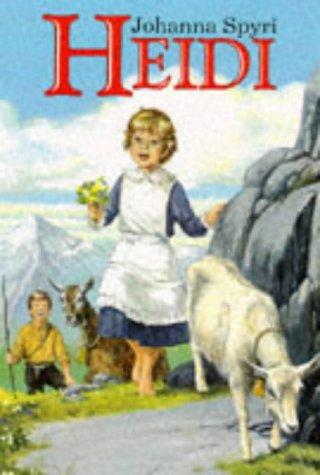

Johanna Spyri's 1881 novel sends a small girl from the city back to the Swiss Alps, and in doing so discovers something that most children's literature misses: the physical world heals. The mountains, the goats, the grandfather's hut, the smell of hay -- these are not backdrop, they are the cure. What fans of Heidi chase across other media is that same quality: a story where landscape becomes character, where a child's uncomplicated goodness dismantles adult bitterness, and where the longing for a home -- a real place, not an idea -- sits at the emotional centre of everything. It is a book about exile and return, about the harm that well-meaning institutions can do, and about the stubbornness of joy in unlikely conditions.
Essential Heidi
The core text and its most celebrated retellings across page and screen
Children Shaped by Wild Places
Novels where landscape does the emotional labour and a young protagonist is changed by it

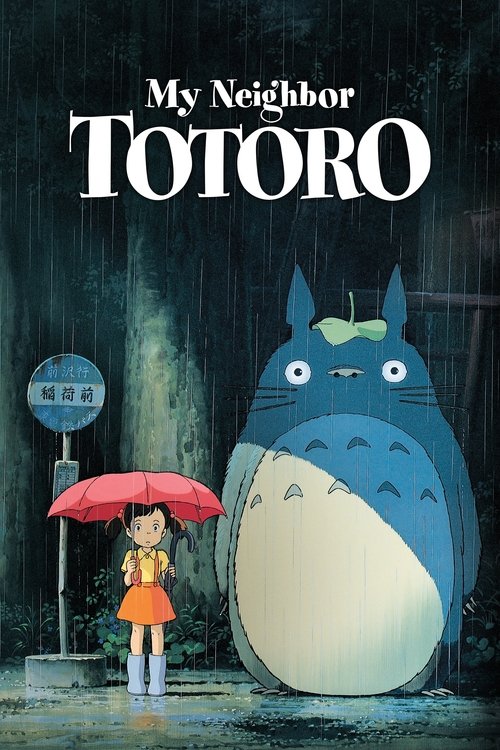




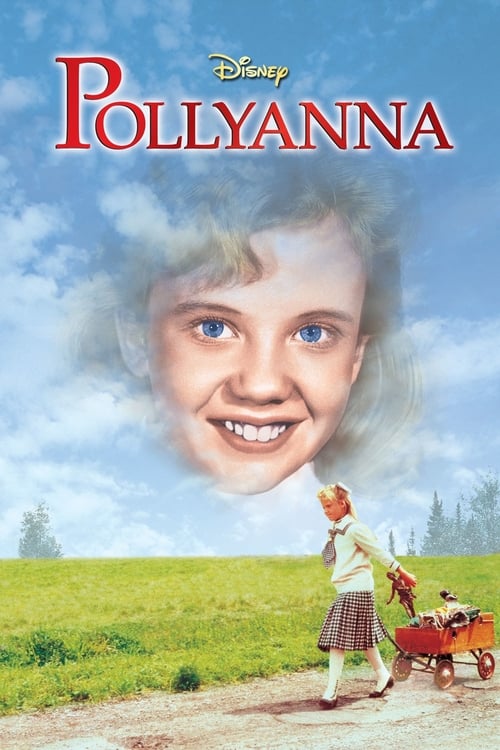
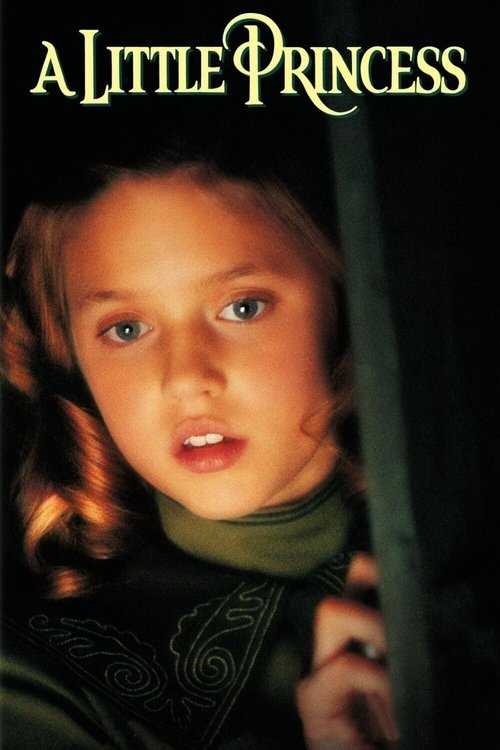
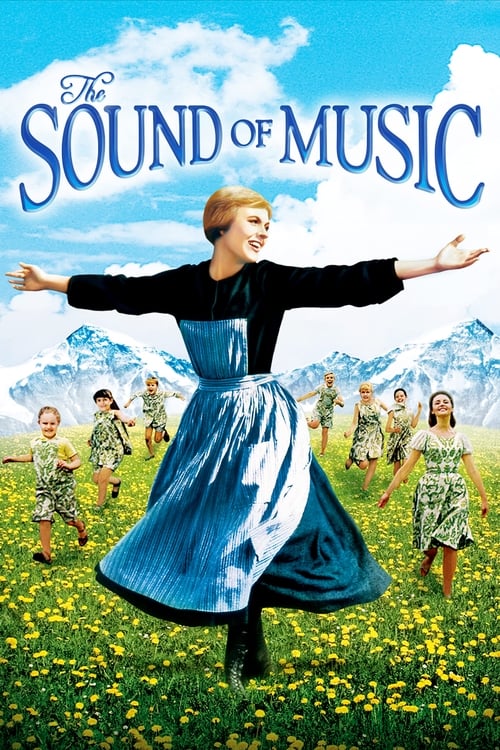
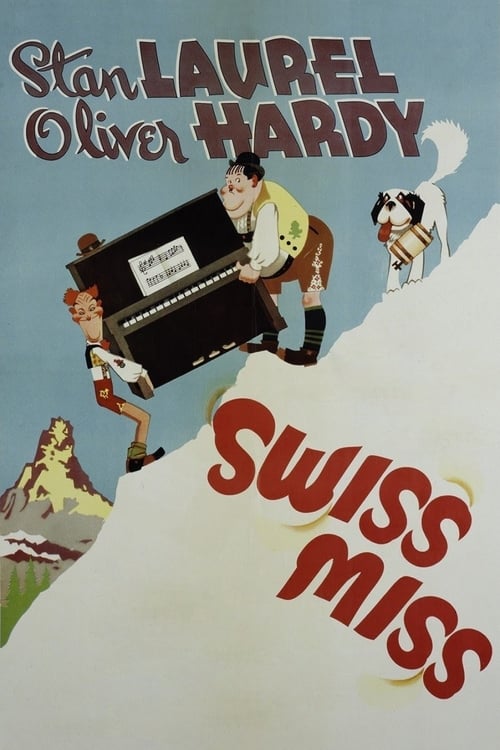
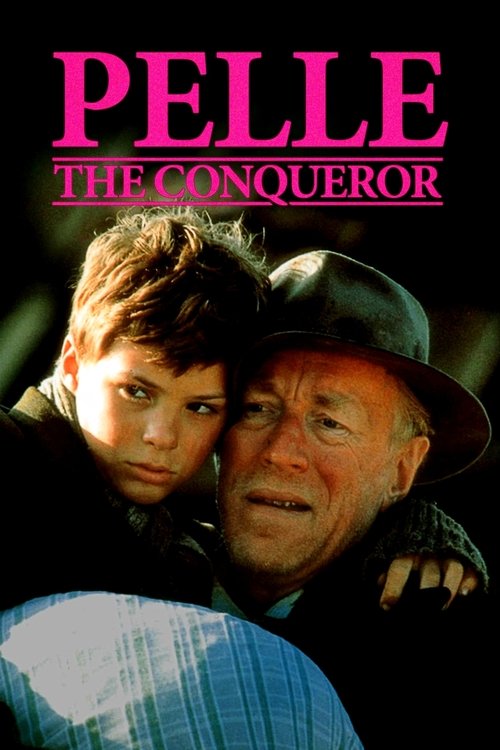
Films That Feel Like Coming Home
Movies where a child's displacement, return, or rescue carries the full weight of the story




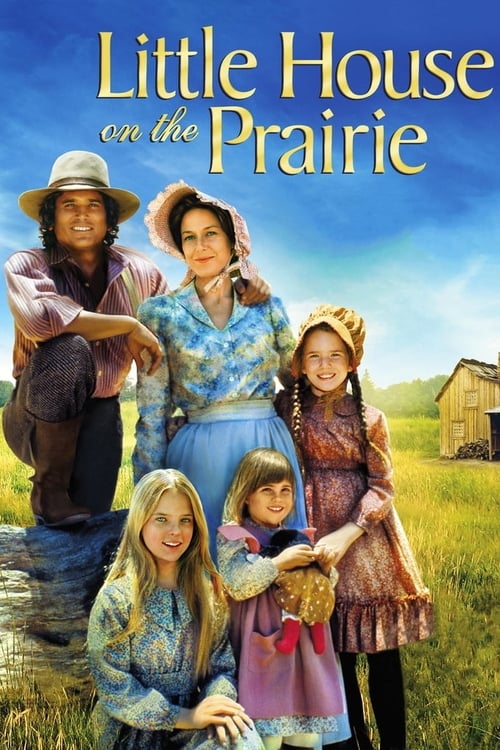
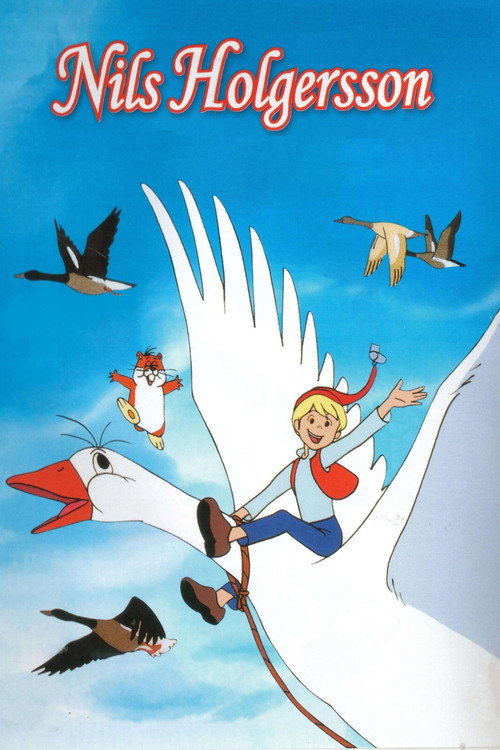
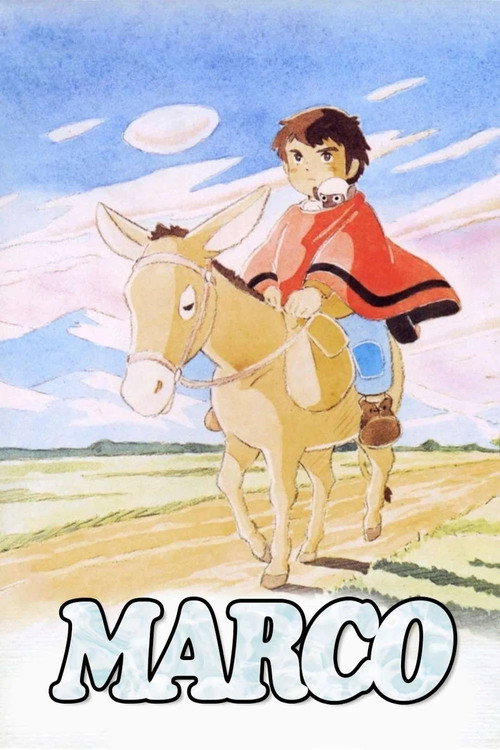
Series With That Alpine Warmth
Television that shares Heidi's slow pace, pastoral sincerity, and deep feeling for home

Games About Land, Home, and Belonging
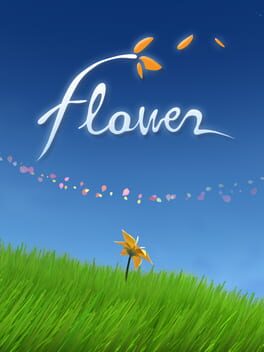
Games where the environment is the point and rebuilding a place or life is the throughline








Spyri understood that institutions damage children quietly
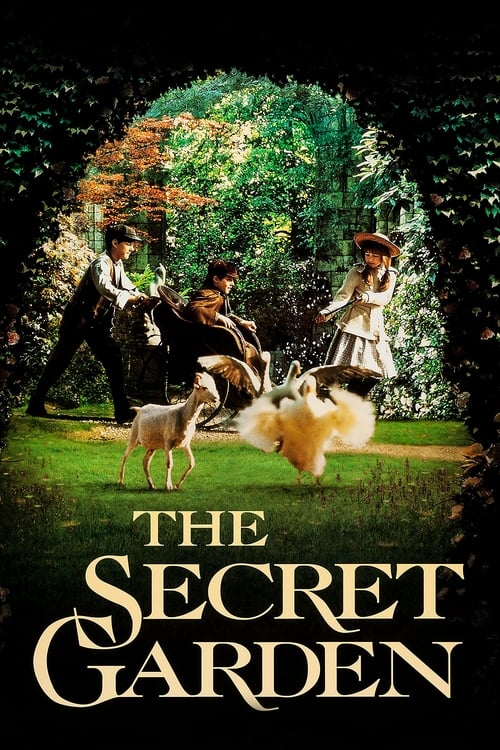
The Frankfurt sequences in the novel are genuinely unsettling if you read them as Spyri intended: a well-run household staffed by caring adults that nonetheless slowly kills Heidi through the absence of freedom and familiar ground. Long before anyone named the concept, Spyri wrote about what we now call institutional harm. The Secret Garden makes the same argument from a different angle, with a lonely manor standing in for the city apartment.
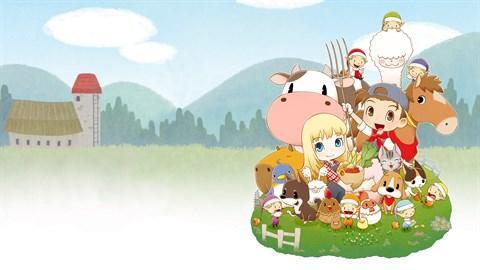
Stardew Valley is the closest a game has come to the book's core feeling
The premise -- leave an exhausting urban system, return to land, grow something, earn the trust of a community -- maps almost exactly onto what Heidi does across 200 pages. ConcernedApe's game earns its warmth the same way the novel does: slowly, through repeated small acts of care, in a landscape that responds to what you put into it.
Clara's recovery scene is the emotional peak of the story, not the grandfather's
Readers often cite Alm-Uncle's thaw as the novel's turning point, but Spyri saves her real ambition for Clara walking on the mountain. It is a scene about what nature restores that medicine cannot, written with complete conviction. Almost every adaptation stages it with care because it is, simply, one of the most quietly radical moments in 19th-century children's fiction.
Heidi Across 140 Years of Adaptation
- 1881Johanna Spyri publishes the original novel in two parts Heidi
- 1937Shirley Temple stars in the first major Hollywood version Heidi
- 1952First Swiss live-action film adaptation, shot on location in the Alps Heidi
- 1974Takahata and Miyazaki's 52-episode anime adaptation airs on Fuji TV
- 1993Jason Robards and Jane Seymour star in a widely-seen TV film Heidi
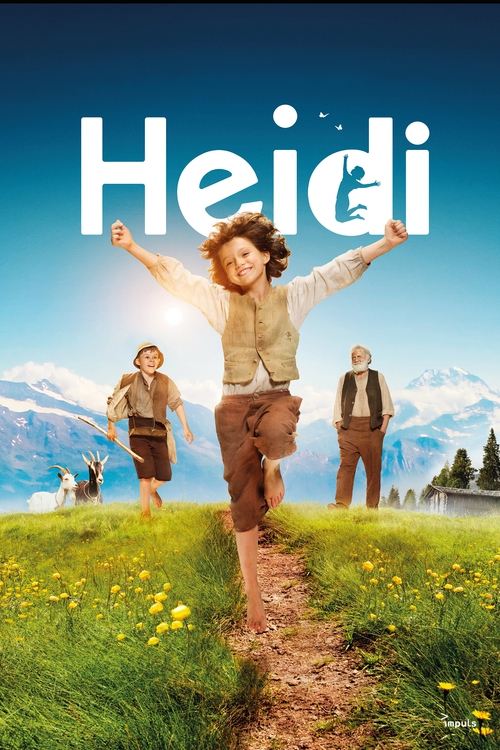
- 2015Swiss-German theatrical release brings Heidi back to cinema with Anuk Steffen Heidi
She had always a great longing to climb up into the high places where the wind blows, and to look out far below over the world.Johanna Spyri, Heidi (1881)