
Released in 1997, Homogenic is the record where Bjork stopped compromising between her worlds and fused them into something entirely new: Icelandic string arrangements colliding with heavily processed electronic beats, her voice pushed to its limits as both instrument and confessional. It is an album about grief, landscape, and survival, and its emotional logic is almost cinematic, each track a short film without images. Fans who return to it are chasing a very specific quality: the feeling of something intimate and vast at the same time, music that sounds like it was made outside normal human coordinates. The thread running through every recommendation here is that same tension between the raw and the constructed, the personal and the monumental.
Bjork: The Essential Records
The albums that trace the arc from pop outsider to avant-garde singular voice
Same Frequency: Albums That Share Homogenic's DNA
Electronic music with classical architecture, emotional extremity, and a sound all their own
I thought I could organise freedom. How Scandinavian of me.Bjork, Hunter (1997)
Films That Feel Like Homogenic
Visually extreme, emotionally raw cinema that operates on the same wavelength as the album
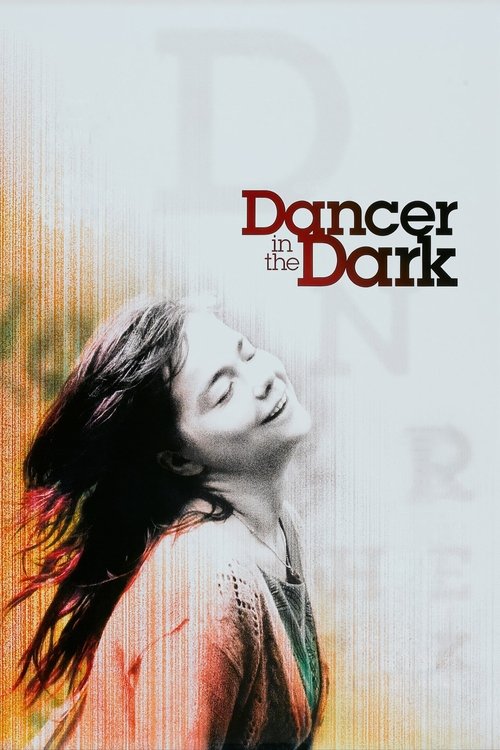
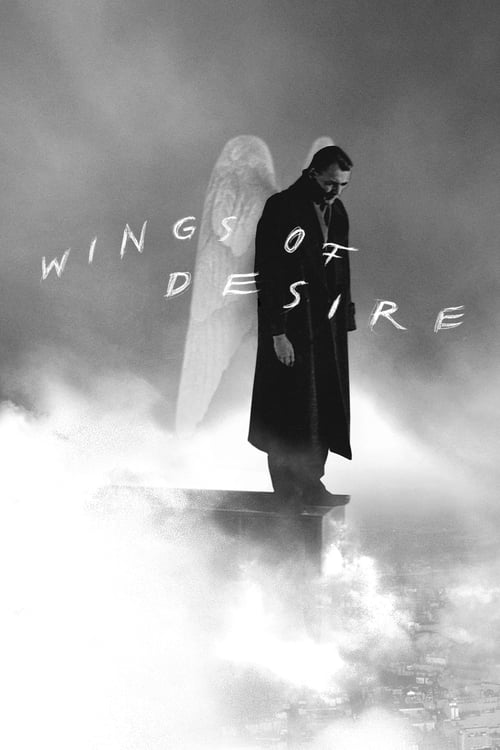


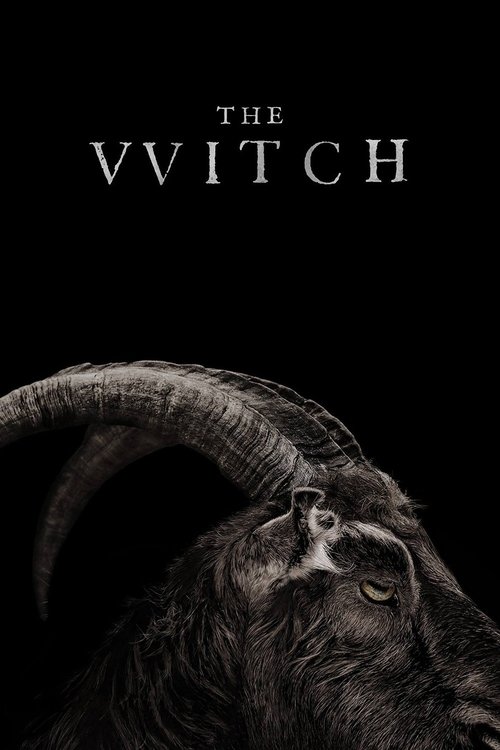
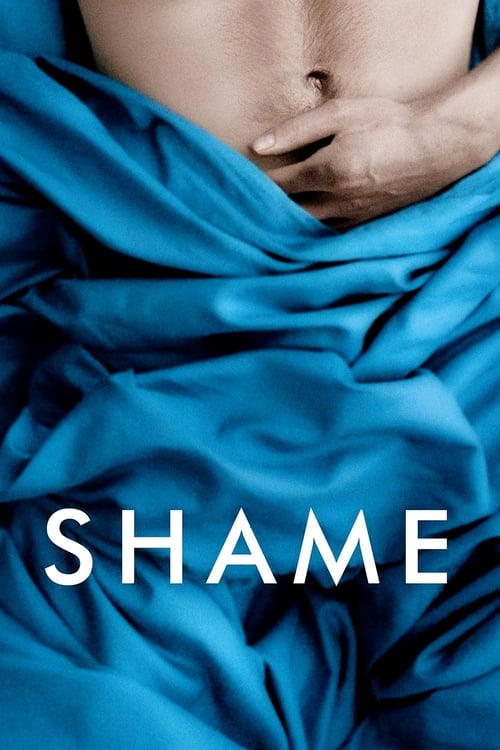
Dancer in the Dark Is the Film Homogenic Deserved
Lars von Trier cast Bjork in Dancer in the Dark as if the album's emotional logic demanded a visual counterpart, and the result is one of the most brutal and beautiful musicals ever made. She won the Palme d'Or at Cannes. The music she composed for the film is Homogenic's grief made even more literal. It is almost impossible to watch without the album playing somewhere in your head.
Series With the Same Atmospheric Intensity
Television that earns its darkness and builds worlds from mood as much as plot


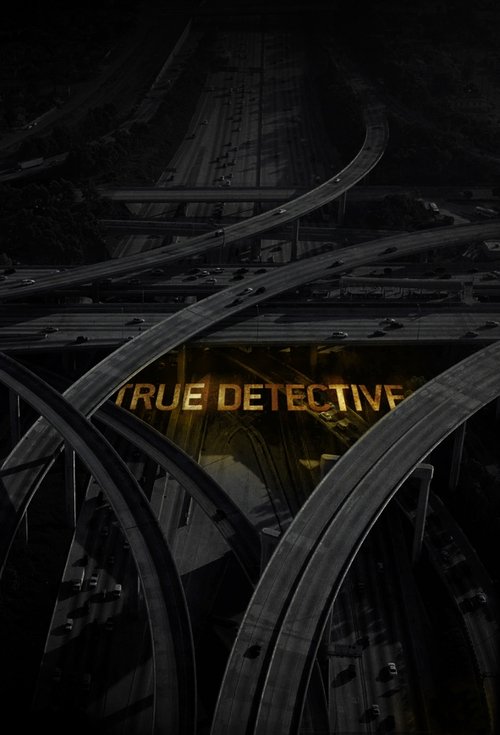
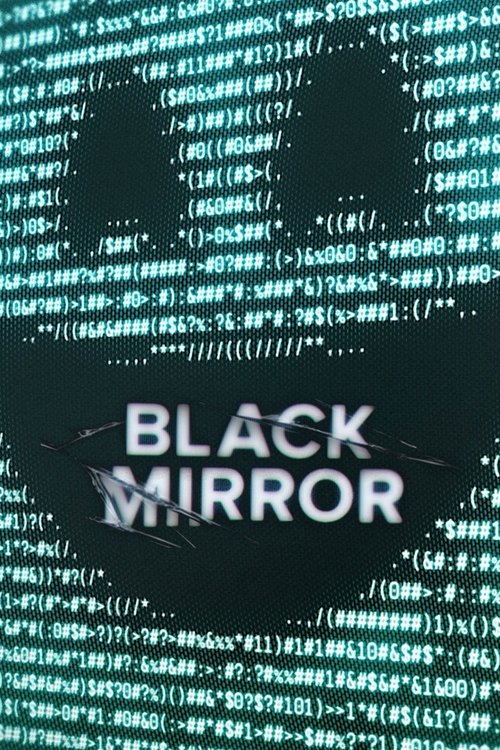

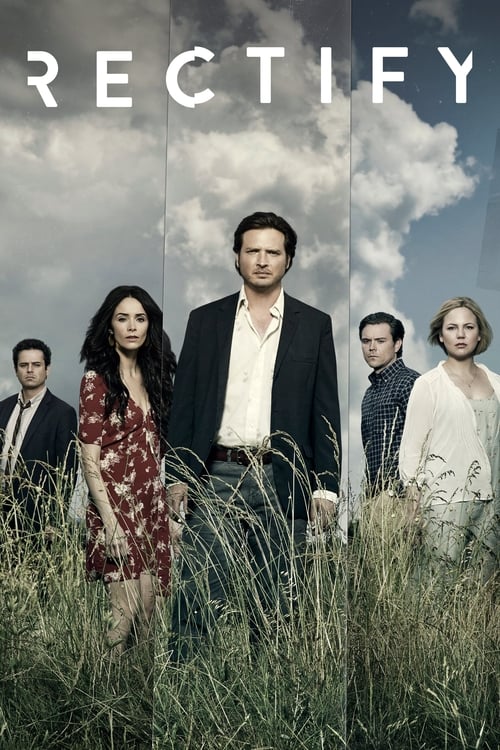
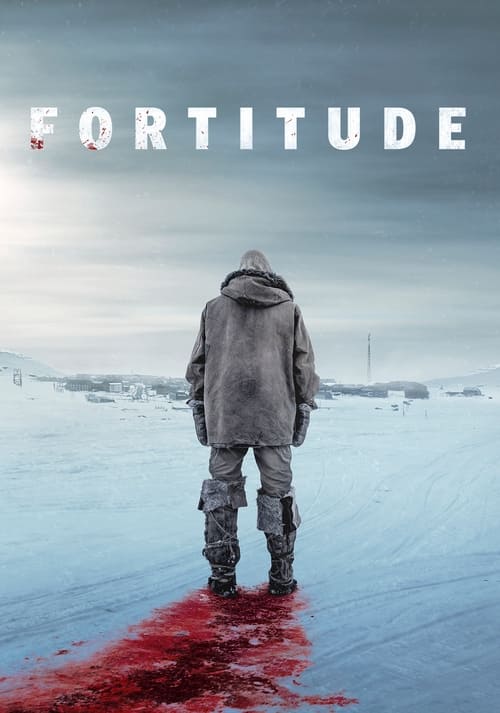
Books for the Homogenic State of Mind
Novels and essays that live in the same territory: landscape as emotion, grief as transformation


Bjork's Arc: From Sugarcubes to Singular Artist
- 1988The Sugarcubes release their debut, putting Bjork's voice on the international map
- 1993Debut launches her solo career: house, jazz, and electronic pop in a dizzying first statement Debut
- 1995Post pushes further into dance music and big-room production, collaborating with Tricky and Howie B Post
- 1997Homogenic arrives: strings, beats, and volcanic emotion fused into the most coherent artistic statement of her career Homogenic
- 2000Dancer in the Dark: Bjork acts, composes the score, and wins the Palme d'Or and Best Actress at Cannes Dancer in the Dark
- 2001Vespertine retreats entirely inward: harps, micro-beats, and whispered intimacy Vespertine
- 2004Medulla strips everything back to voice and bodily sound, an experiment in pure human instrument
- 2015Vulnicura processes the end of a long relationship with strings and raw candor, returning to Homogenic's emotional territory Vulnicura
The Strings Are the Argument
What separates Homogenic from every other electronic album of the late 1990s is the string arrangements by Evanthia Reboutsika and Bjork herself, performed by the Icelandic String Octet. They do not ornament the beats; they argue with them. The tension between the organic warmth of the strings and the aggression of Mark Bell's programmed rhythms is the album's entire emotional content made audible. It is composition as conflict, and it has never been replicated.