
"Hotel California" is the sound of paradise with a locked exit. Released in 1977 on the Eagles album of the same name, the song distills everything that made California rock's classic period so seductive and so uneasy: 12-string acoustic guitars shimmering under electric leads, voices stacked into something celestial, and lyrics that treat luxury as a slow trap. The album sits at the intersection of country-rock warmth, hard-rock edge, and pop precision, produced by Bill Szymczyk with a care that makes every sonic detail feel inevitable. Fans of "Hotel California" tend to chase a particular feeling: music that sounds effortless but is architecturally complex, that has melody you can hum and darkness you can feel. They love a big guitar solo, a song that builds, and an era (roughly 1971 to 1982) when rock musicians treated the album as a complete statement. This guide follows that thread across every medium.
Essential Eagles
The albums that make the case from start to finish
California Dreaming: Albums That Share the Feeling
Lush, layered, and shadowed by the same golden-state unease
We are all just prisoners here, of our own device.Don Henley and Glenn Frey, Hotel California (1977)
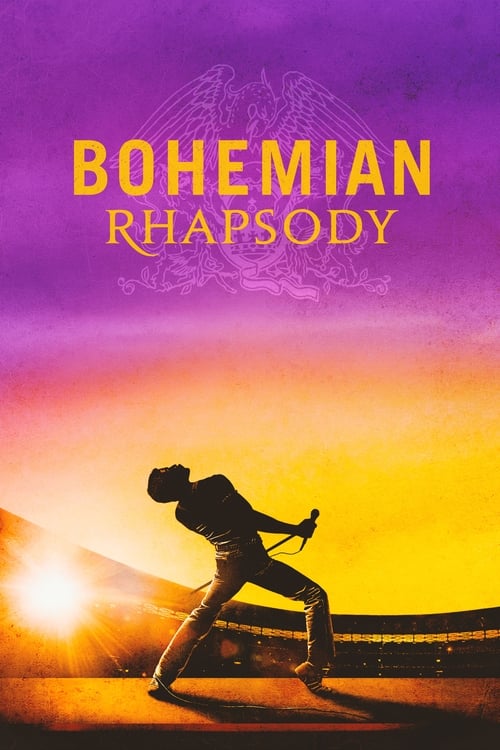
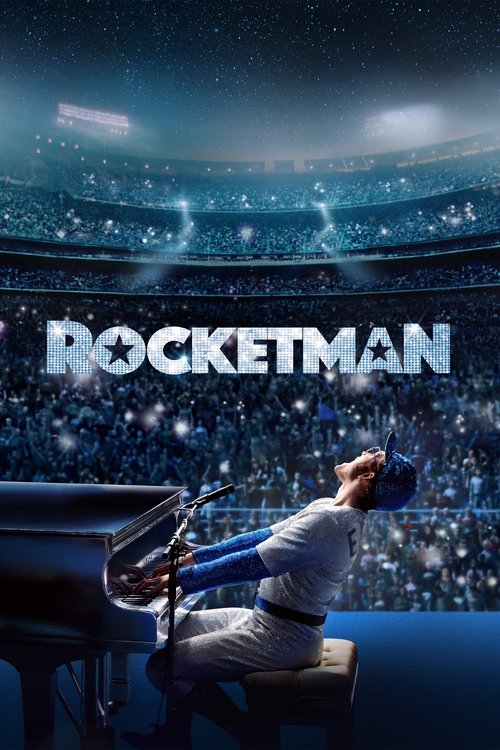
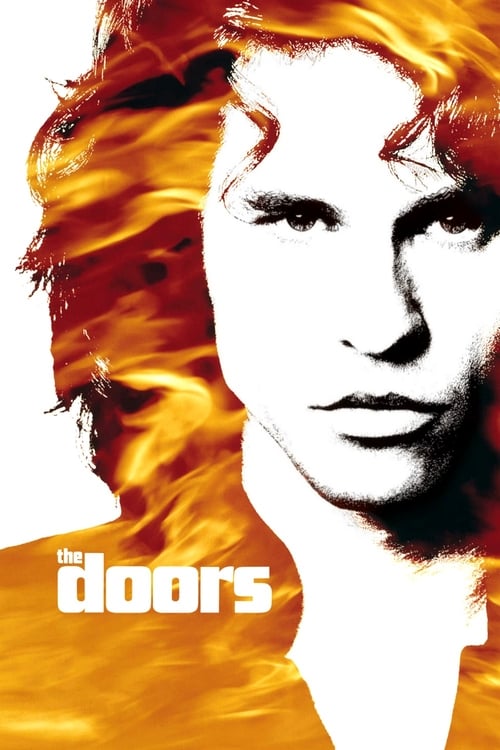
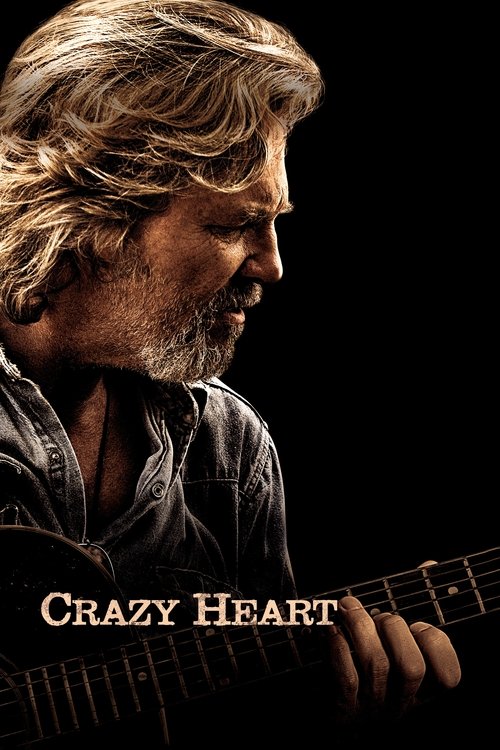
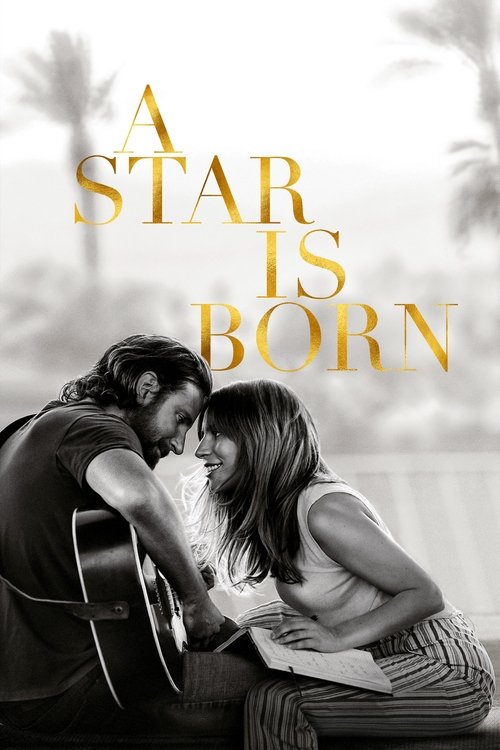
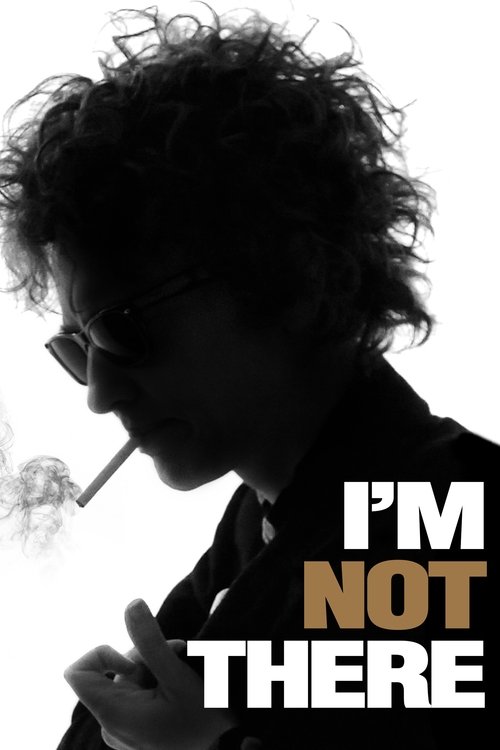
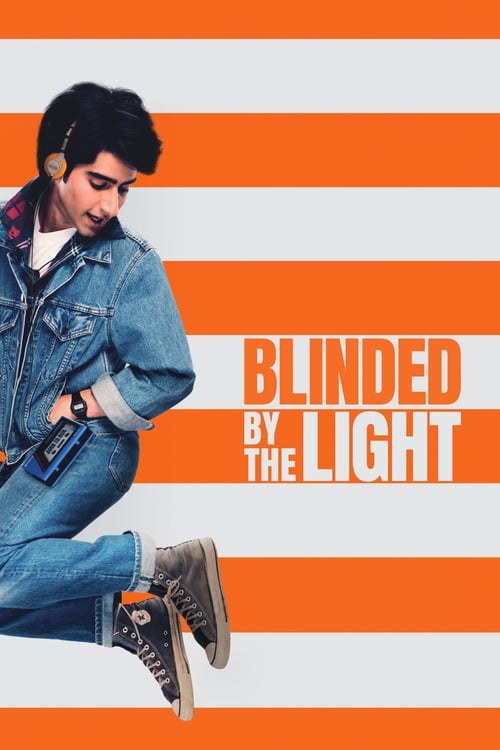
Biopics and Fiction Films with the Same Energy
Movies that live in the mythology of American rock and its costs

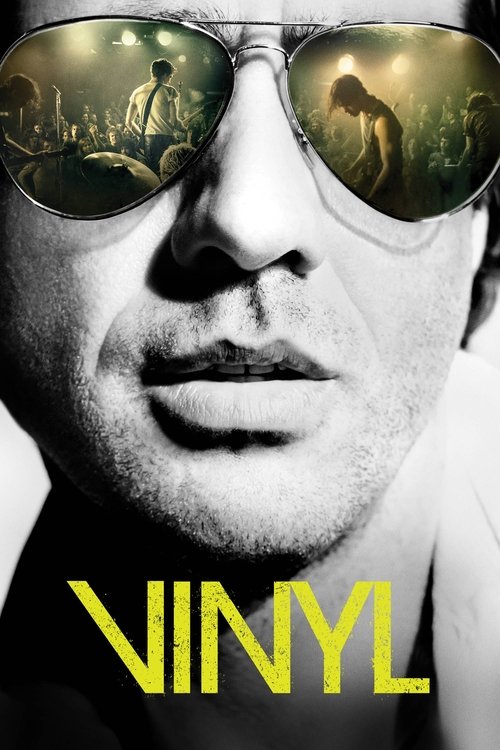
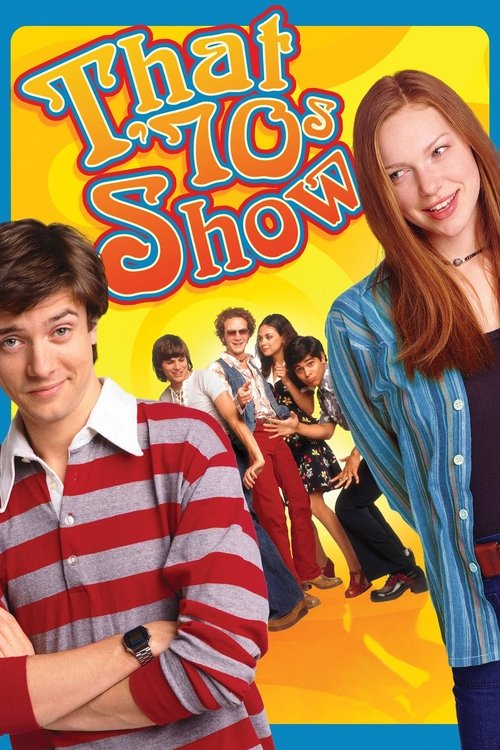
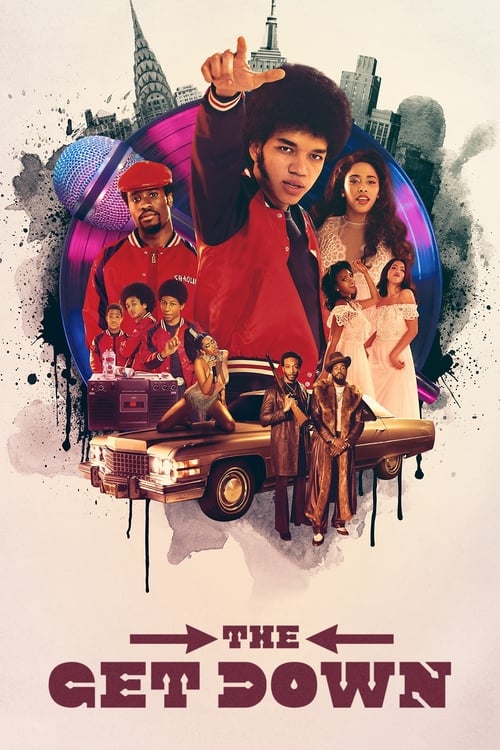
Series That Capture the Decade's Glamour and Rot
TV that inhabits the same 1970s California where success felt dangerous
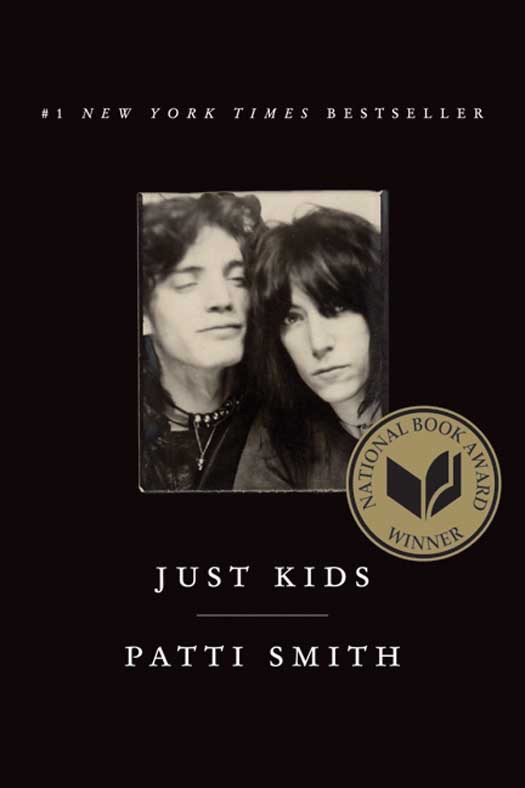
Books That Live Inside the Rock Dream
Memoirs, novels, and reportage for anyone who has memorized the guitar solo


The Guitar Outro Is the Point
The 55-second dual-guitar coda that closes "Hotel California" is not an indulgence. It is the thesis. Don Felder and Joe Walsh trade and overlap without competing, which is exactly what the song is about: two impulses (desire and dread, beauty and entrapment) coexisting without resolution. Every album on this list that earns its place does the same thing: it refuses to tidy up its contradictions. That is why "Rumours" hits harder than it should, why "Court and Spark" sounds both free and melancholy, why "Almost Famous" ends on an airplane that lands nowhere conclusive.
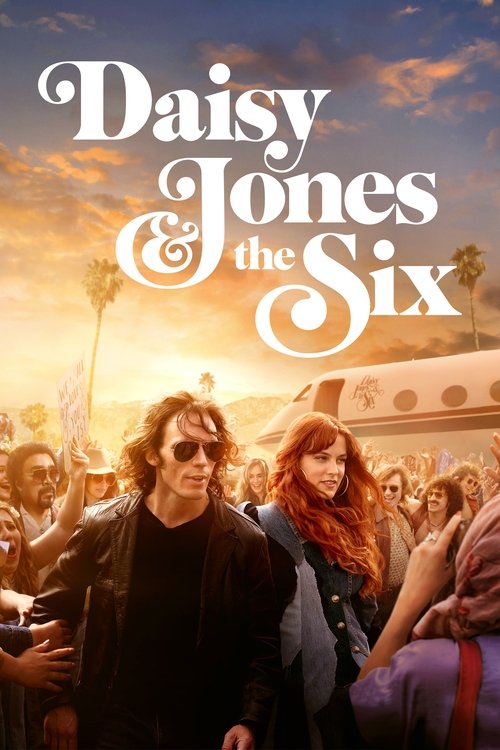
Daisy Jones Gets the Mythology Right
Taylor Jenkins Reid's novel (and the Reese Witherspoon-produced series adaptation) is not a roman a clef about Fleetwood Mac, but it benefits enormously from knowing exactly what it is channeling. The fictional Daisy Jones and the Six reproduce the specific creative tension of a band that makes a perfect record while falling apart, and the detail Reid gets right is that the music sounds easy to people who hear it. The novel is worth reading before watching the series: the oral-history format earns its structural trick in a way the TV version simply cannot replicate.
A Golden Era in Milestones
- 1971The Eagles form in Los Angeles, initially as Linda Ronstadt's backing band Eagles
- 1973Desperado frames the band as mythological outlaws; critics dismiss it, fans obsess over it Desperado
- 1975One of These Nights hits number one; the Eagles become the definitive American rock act One of These Nights
- 1976Fleetwood Mac release Rumours sessions; the California sound reaches its commercial and artistic peak Rumours
- 1977Hotel California released; the title track becomes a cultural shorthand for the entire era Hotel California
- 1979The Long Run: the album that strains under its own ambitions and leads to the band's dissolution The Long Run
- 1980The Eagles break up after a concert in Long Beach; the golden era formally closes
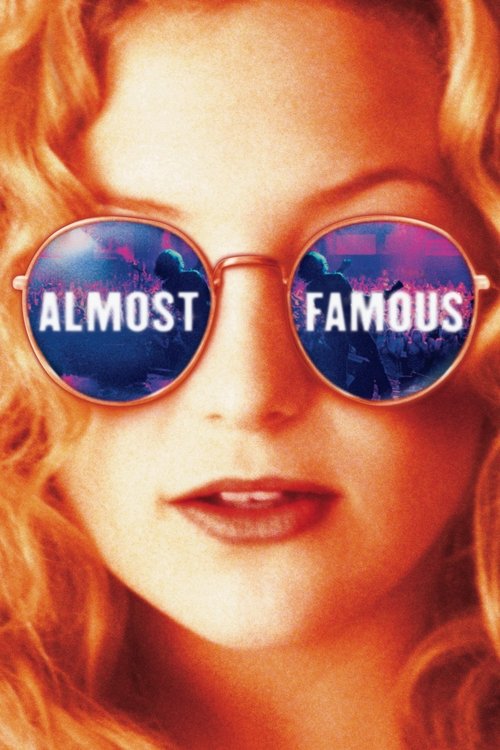
- 2000Cameron Crowe's Almost Famous canonizes the touring-rock mythology for a new generation Almost Famous
- 2013History of the Eagles documentary brings the full story to streaming audiences
- 2023Daisy Jones and The Six adapts the oral-history novel into a prestige streaming series Daisy Jones & the Six
"Almost Famous" Is the Best Album the Eagles Never Made
Cameron Crowe was a teenage Rolling Stone journalist in the mid-1970s, and "Almost Famous" is his memoir as a coming-of-age film. What makes it feel adjacent to Hotel California is not the cameos or the period detail but the emotional logic: a young person lets beauty and proximity to greatness override his judgment, and the people who seem most free are the most trapped. The film's soundtrack, curated by Crowe, does the same curatorial work this guide is trying to do: it places Elton John next to Led Zeppelin next to The Who and argues that they are all part of the same conversation.