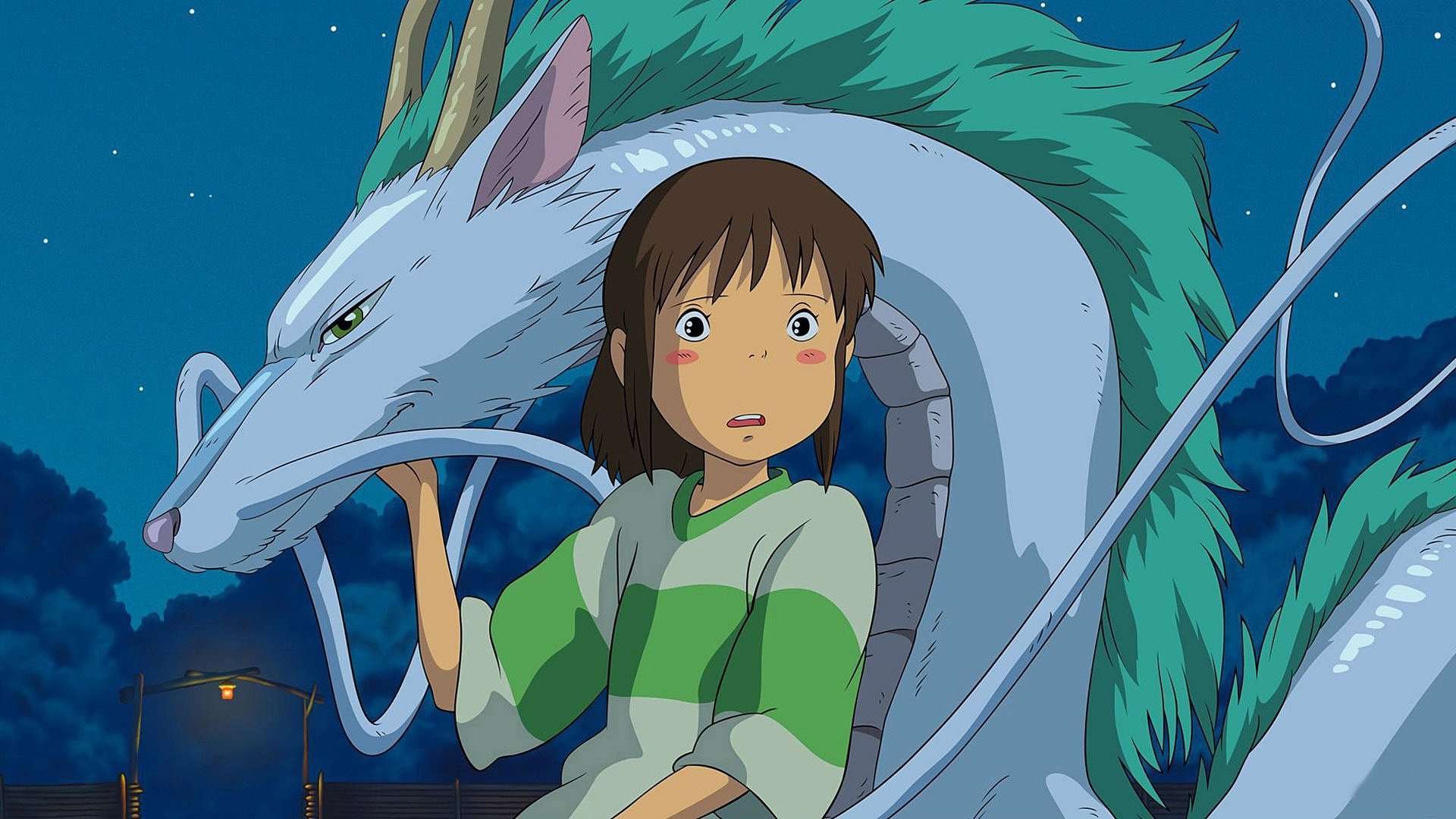

What keeps you coming back to Howl's Moving Castle is not the plot, which is deliberately elliptical, but the feeling: the warm amber glow of the hearth demon Calcifer, the vertiginous stairs inside a castle that is bigger than it has any right to be, and Sophie's peculiarly liberating curse that turns a timid young woman into a confident old one. Hayao Miyazaki adapts Diana Wynne Jones's novel loosely, weaving in a wartime allegory he felt more urgently than Jones did, and the result is one of cinema's most graceful arguments for finding love while the world falls apart around you. Every angle below chases some piece of what the film does: the Studio Ghibli craftsmanship, the fairy-tale logic, the romantic melancholy, and the quiet insistence that magic is mainly about paying attention.
The Miyazaki Universe
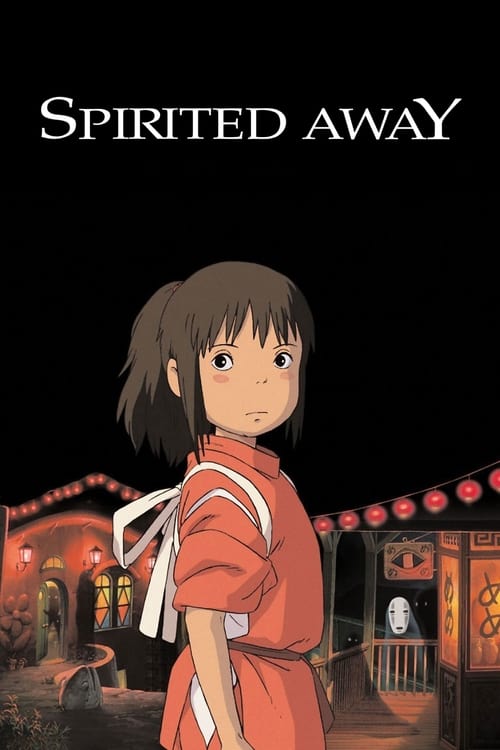
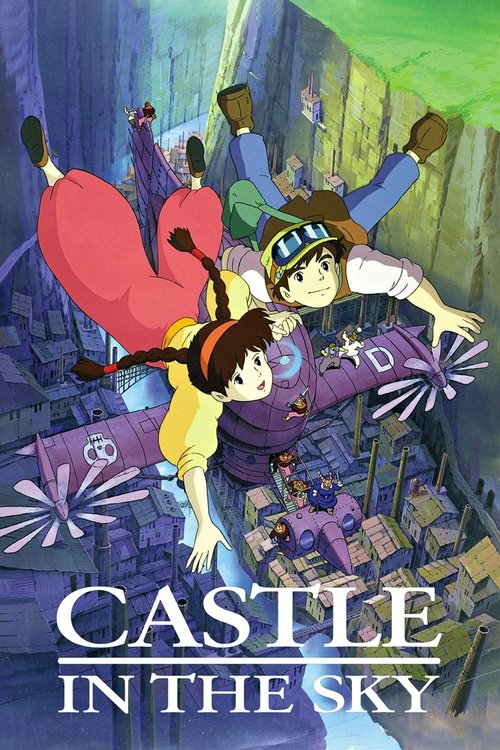
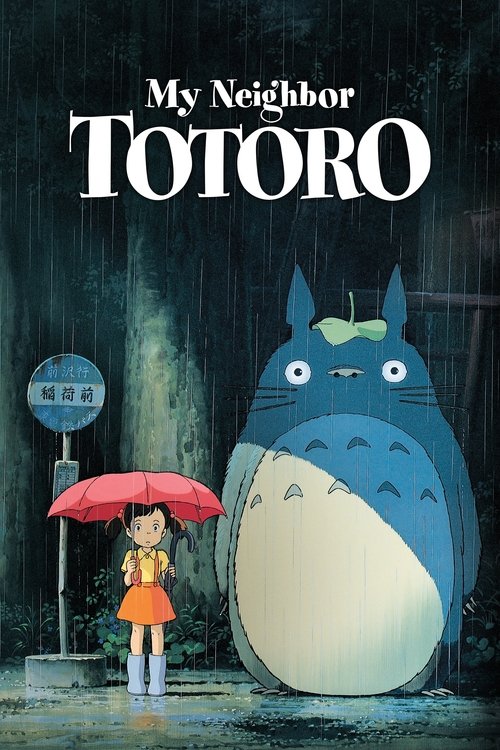
Films from the same director and studio, each carrying a signature handmade wonder
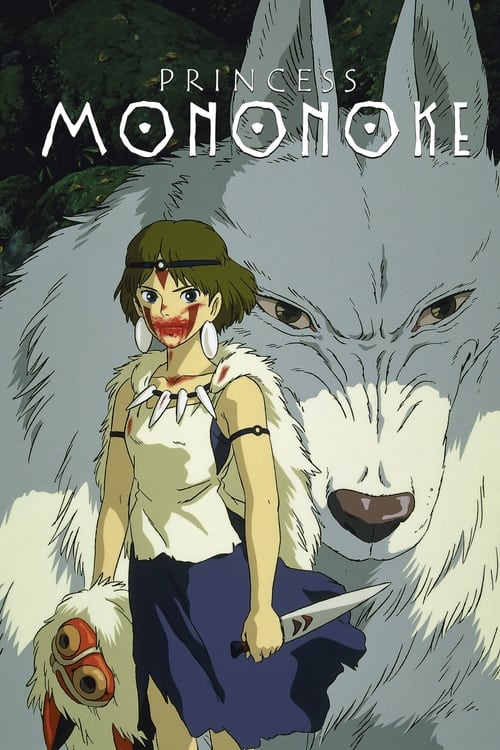
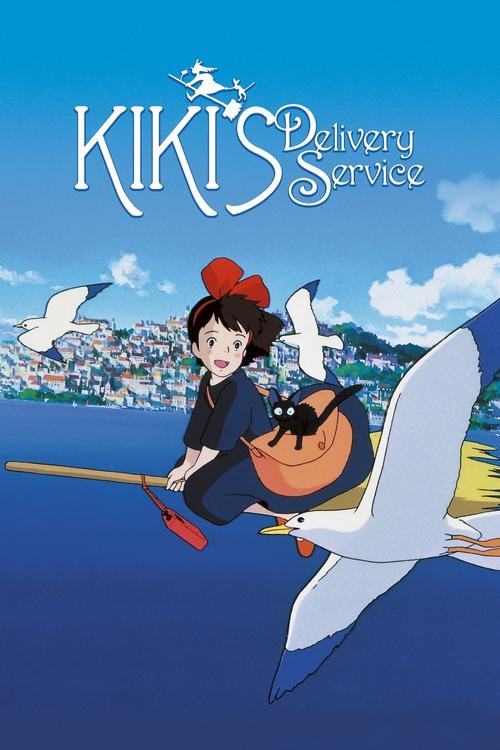
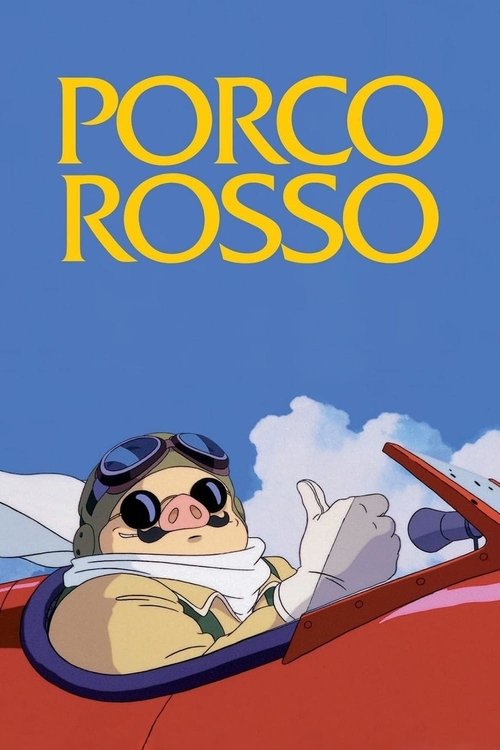
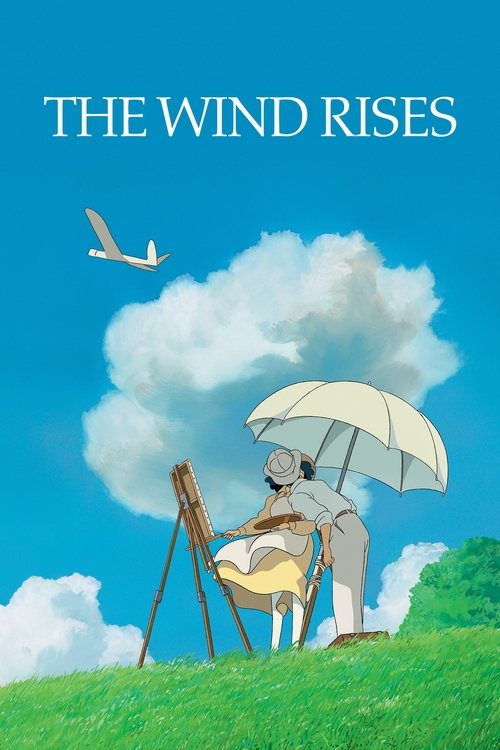
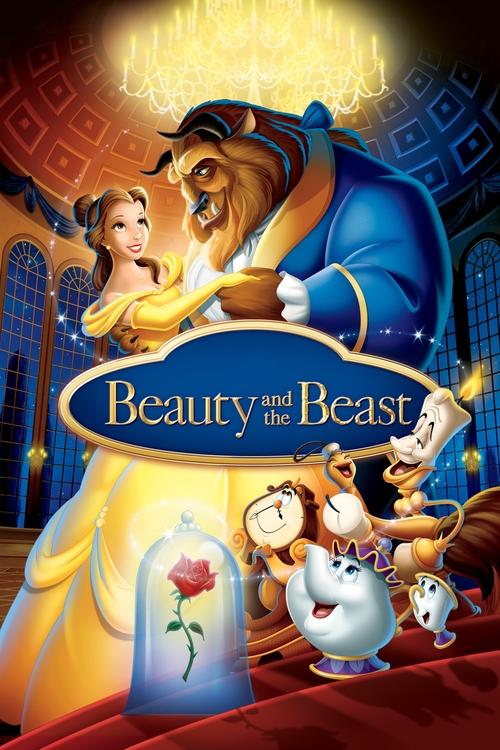
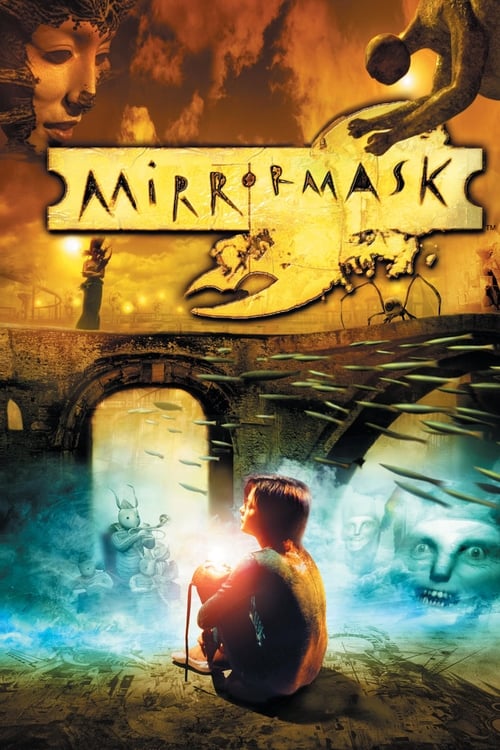
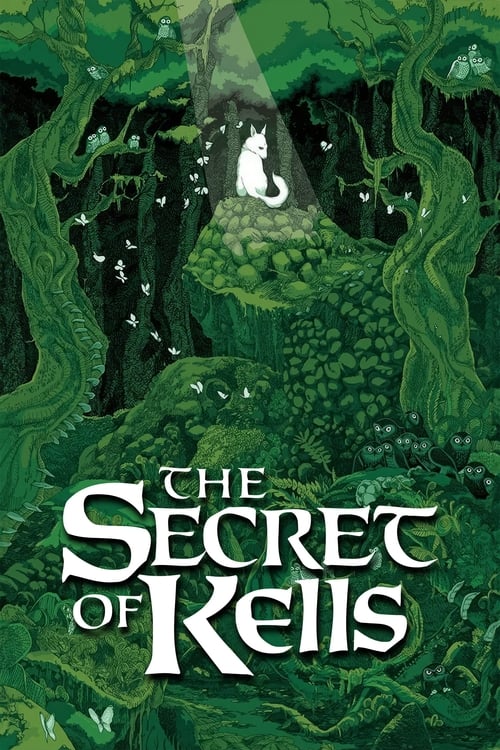
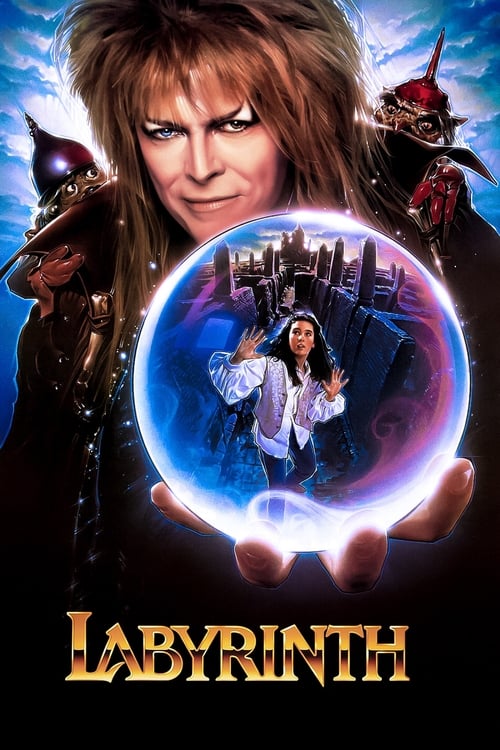
Fairy Tales Taken Seriously
Films and series where magic has weight, consequence, and romance
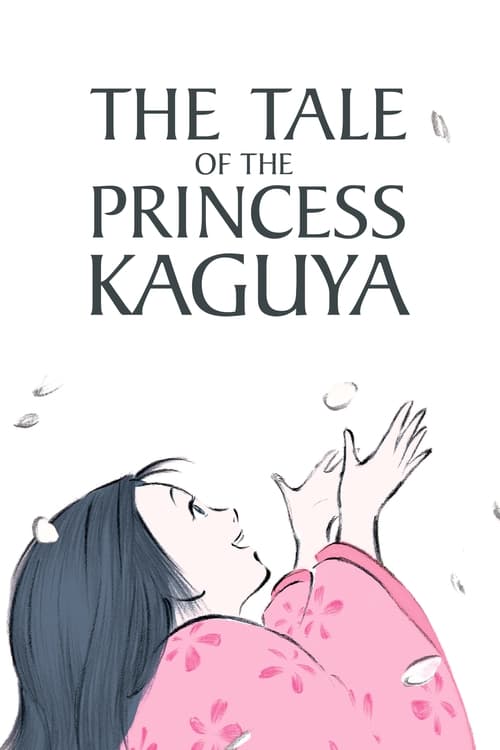
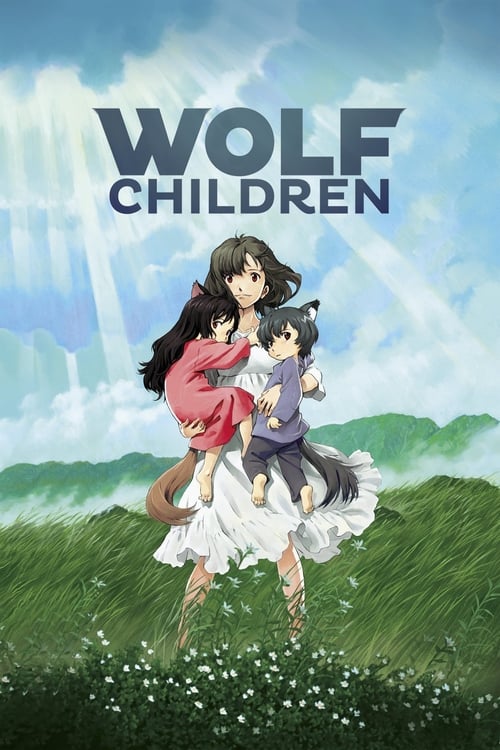
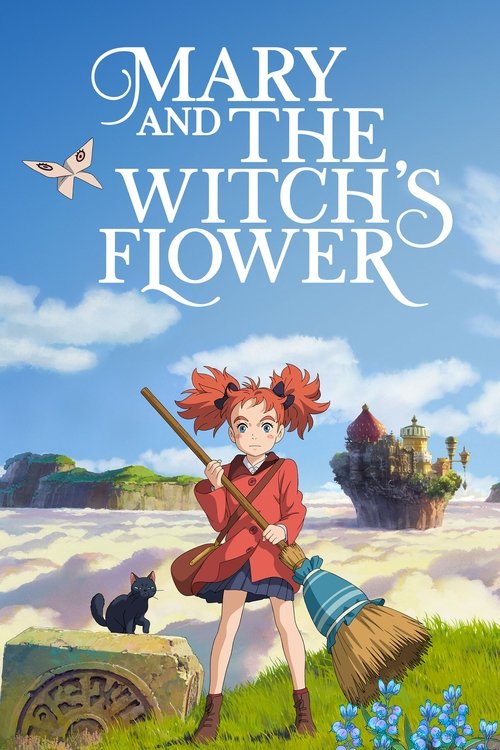
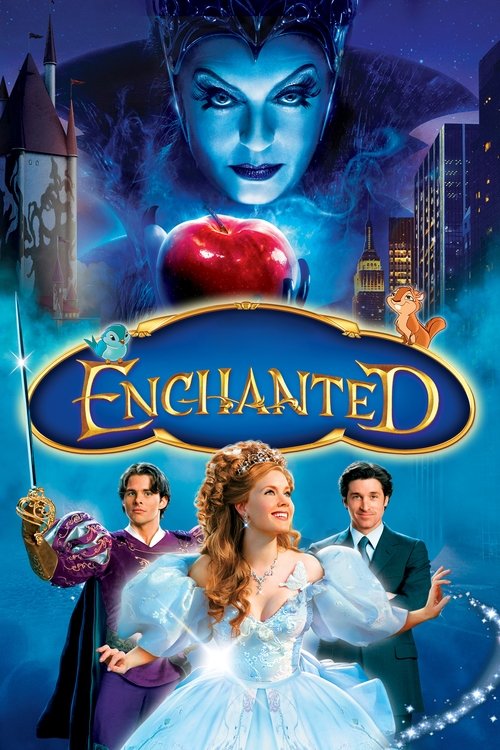
Books That Live in the Same Frequency
Novels where magic is domestic and wonder is earned, not explained


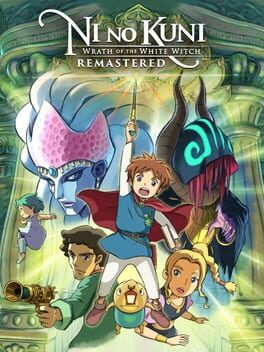
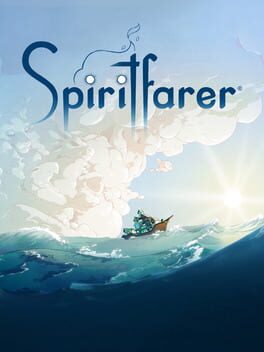
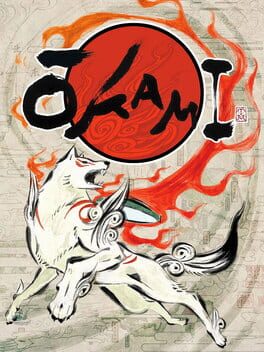
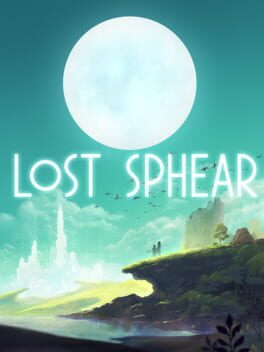
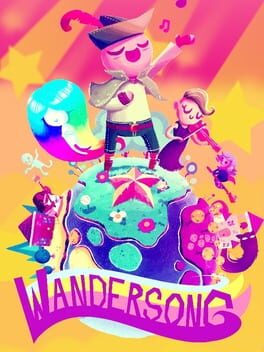
Games with That Same Warmth and Whimsy
Games where the world feels hand-built and the tone is quietly magical


The Curse Is the Gift
Sophie spends the first act desperate to be unremarkable. The witch's curse, which turns her old overnight, paradoxically frees her: she stops apologizing for taking up space. Miyazaki is not subtle about this, but he is generous. The film argues that self-possession is its own kind of spell, and that growing into yourself is not a tragedy.
War in the Background, Always
Miyazaki added the war almost entirely himself. In Jones's novel it is minor texture; in the film it presses in from every direction, blimps and bombs appearing whenever the romance threatens to become too comfortable. He was making an antiwar film, he said, at a time when he felt powerless to stop one. That urgency is audible in the score and visible in every shot of the burning sky.
Diana Wynne Jones Deserves More Credit
Most people who love the film have never read the source. Jones's Chrestomanci and Howl novels are genuinely sui generis: funny, structurally audacious, and brimming with the kind of magic that follows its own logic rather than a handbook. She invented a corner of British fantasy that nobody else occupies. Castle in the Air and House of Many Ways extend Sophie and Howl's world in directions the film never goes.

Howl's Moving Castle: Key Dates
- 1986Diana Wynne Jones publishes the novel
- 1990Jones's loose sequel arrives Castles in the Air
- 2004Miyazaki's film premieres at Venice Howl's Moving Castle
- 2004Hisaishi releases the complete soundtrack
- 2008Jones closes the trilogy
- 2023The film re-releases in IMAX worldwide
Miyazaki magic and wandering enchantment
For Fans of Hayao Miyazaki
Explore the For Fans of Hayao Miyazaki guide →A castle that walks is just a house that decided it had somewhere to be. The magic is not the legs.CrossBinge