
Hunky Dory arrived in December 1971 and immediately sounded like nothing else: Rick Wakeman's piano carrying melodies that were somehow both baroque and breezy, David Bowie singing about Andy Warhol, Nietzsche, and Dylan with the ease of a man who had read everything and was now ready to perform it. The album sits at the exact hinge point before Ziggy Stardust made Bowie a superstar, which gives it a particular intimacy. These are songs written in a rush of confidence, not yet armored by persona. What fans love is the combination of melodic generosity and intellectual restlessness: Songs in the Key of Life-style ambition compressed into three-minute pop forms, an art-school sensibility that never loses the hook. If you respond to that frequency, the works below were made for the same listener.
Essential David Bowie
The records that define the arc, from Hunky Dory's piano intimacy through the Berlin trilogy's cold grandeur
The Piano-Led Art Rock Neighborhood
Albums that share Hunky Dory's combination of melodic confidence, literary self-awareness, and sophisticated pop production
Glam, Art Rock and Post-Punk Descendants
Artists who inherited Bowie's blend of theatricality, intelligence, and pop instinct
Hunky Dory Is a Great Album That Happened to Precede Greatness
The conventional story places Hunky Dory as a setup act: the thoughtful clearing of the throat before Ziggy Stardust arrived and everything exploded. That framing undersells it. Changes, Life on Mars, and Oh You Pretty Things are not warm-up exercises; they are fully realized songs that most artists would anchor an entire career around. The album's comparative commercial failure at release was a matter of timing, not quality. It rewards the kind of attention that its eventual superstar successors sometimes resist.
Music Documentaries and Concert Films
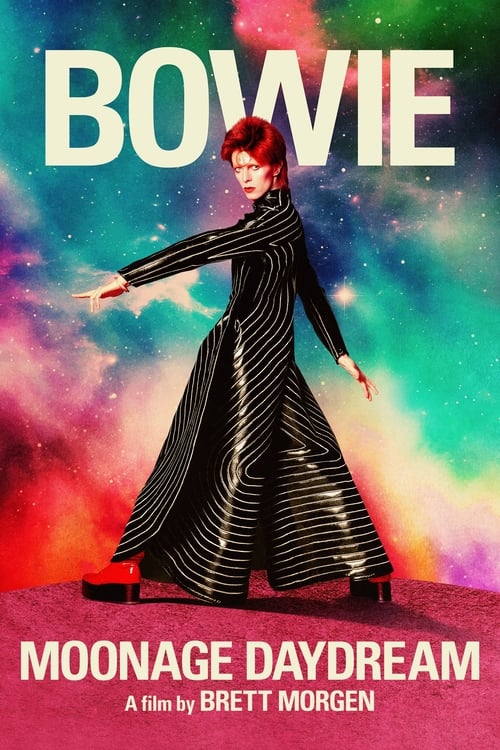
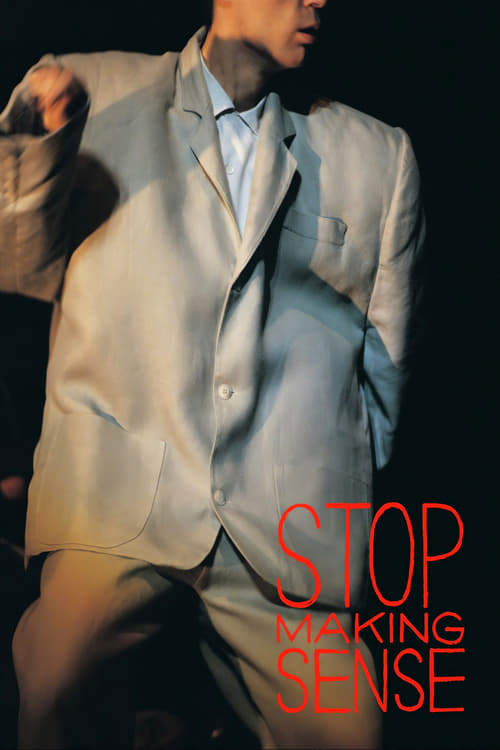
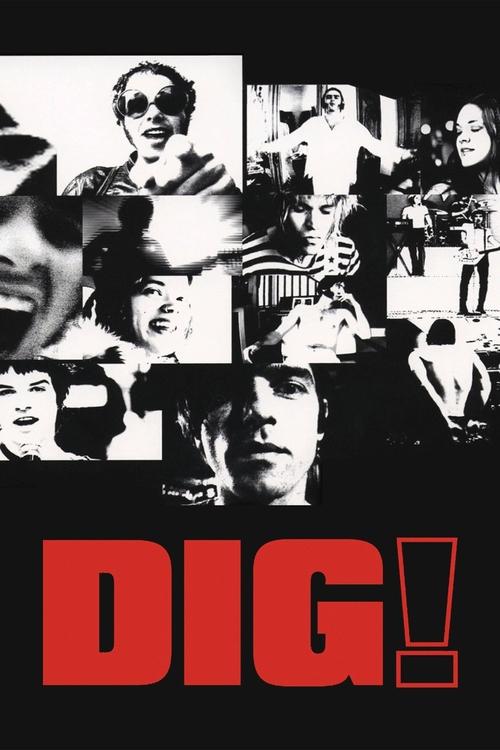
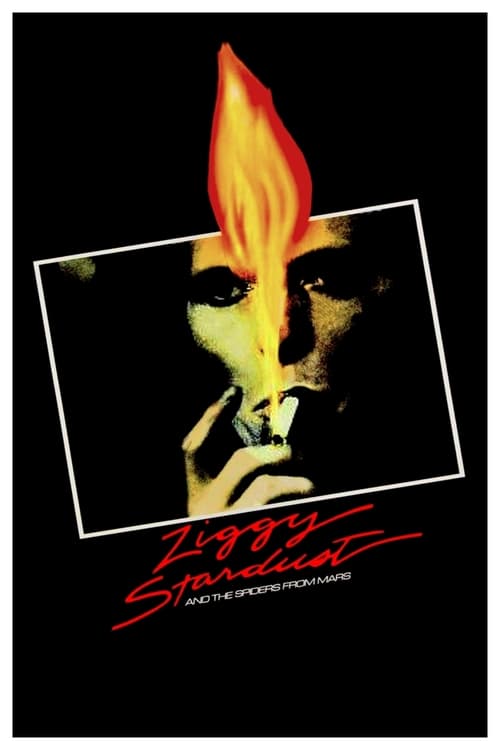
Films that capture the art rock era or the musicians who defined it, from backstage access to full concert documents

Music Biopics Worth Your Time
Films that do justice to the lives behind the records, with real texture rather than greatest-hits biography
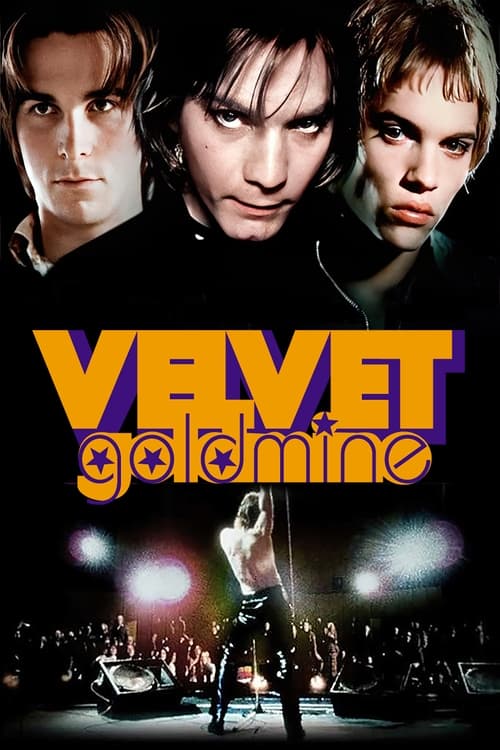
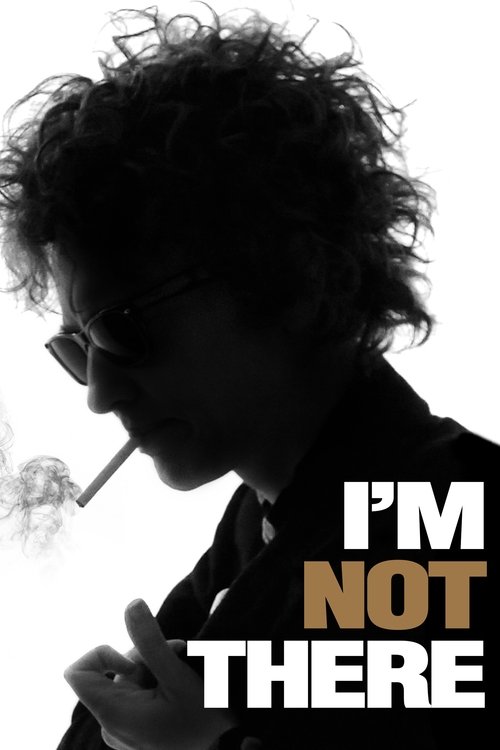
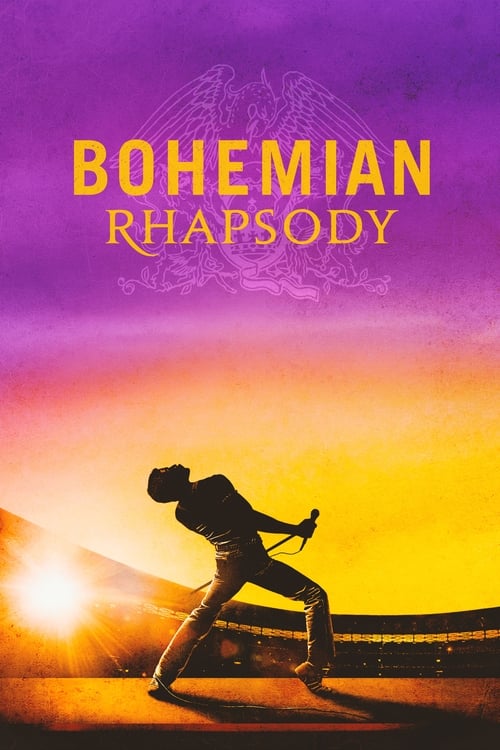
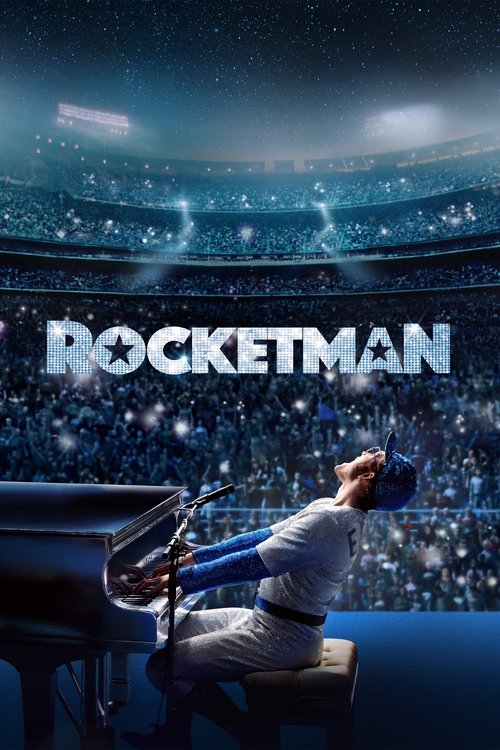
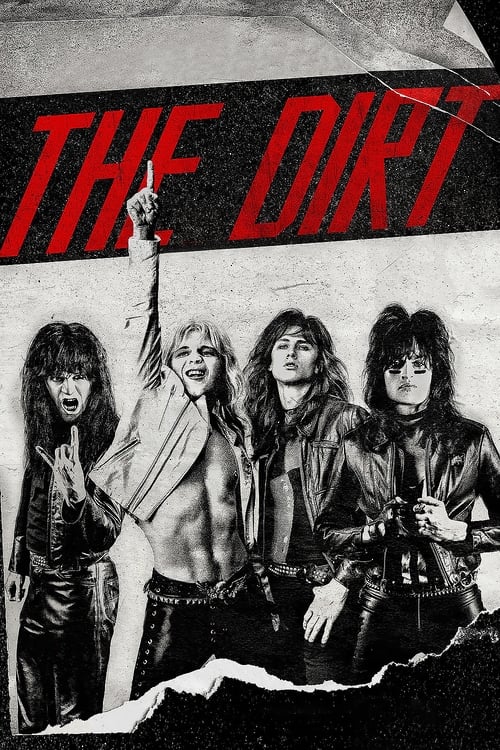
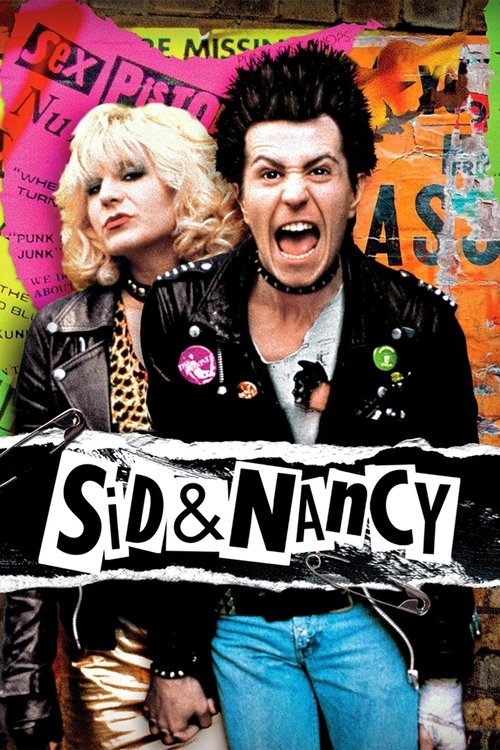
Films and Series with the Same Energy
Seventies cool, art school intelligence, or the specific glamour of early-Seventies London and New York


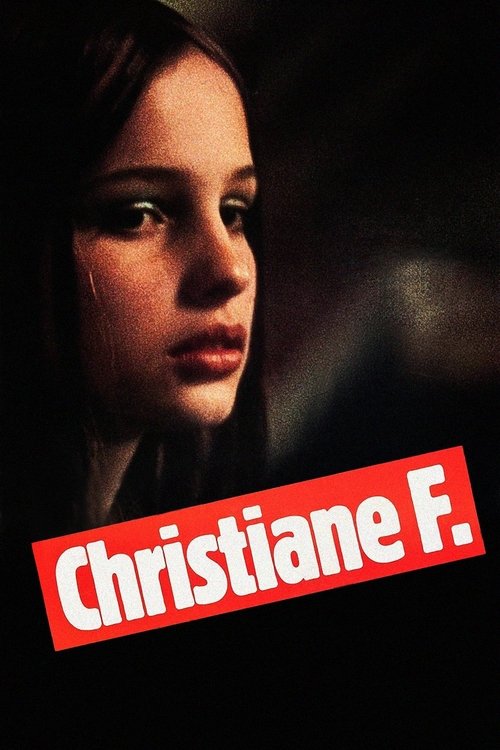
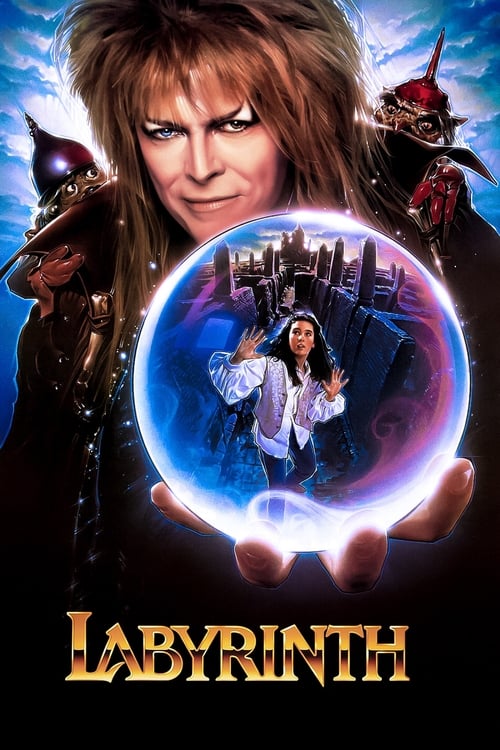

He wrote Changes and then, not satisfied with having written it, wrote Life on Mars. That is the rate of ambition we are talking about.CrossBinge editors
Books for the Bowie-Literate Reader
Novels and memoirs that share Hunky Dory's preoccupations: identity, transformation, art as survival, and the peculiar glamour of the early Seventies

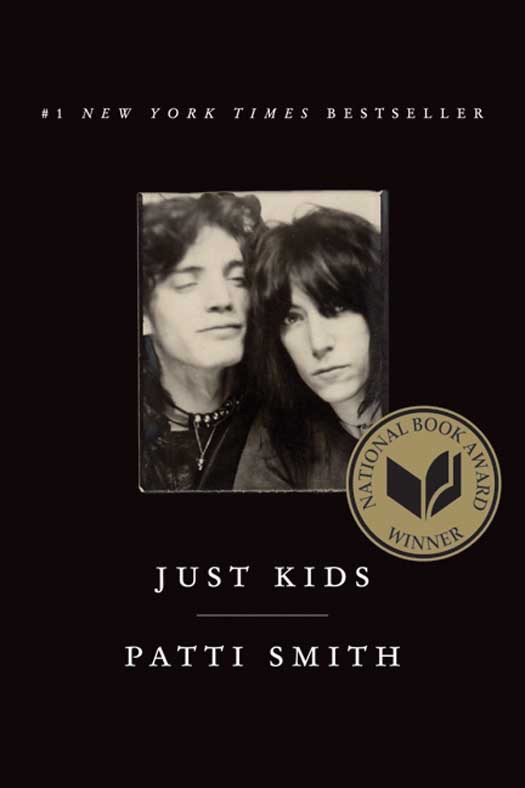


Life on Mars Is the Best Song About Being Young and Overloaded by Culture
The song is nominally a response to My Way, built on a chord sequence borrowed from Sinatra's arrangement. But what it actually captures is something rarer: the feeling of watching films, absorbing everything, and finding the world both thrilling and insufficient. It arrived in 1971 and has not aged because the problem it describes has only intensified. Every generation since has had its version of the girl with the mousy hair staring at the screen and wanting more.
Bowie at the Hinge: 1970 to 1977
- 1970The Man Who Sold the World recorded, marking a harder rock departure from Space Oddity The Man Who Sold the World
- 1971Hunky Dory recorded in June and July; Rick Wakeman on piano throughout Hunky Dory
- 1972Ziggy Stardust released; Bowie performs Changes on Top of the Pops and becomes famous The Rise and Fall of Ziggy Stardust and the Spiders From Mars
- 1973Aladdin Sane arrives, then Pin Ups; Ziggy retired at the Hammersmith Odeon in July Aladdin Sane
- 1974Diamond Dogs: Bowie's dystopian, Orwell-adjacent, soul-inflected pivot Diamond Dogs
- 1975Young Americans: Philadelphia soul, fame, cocaine, and moving to Los Angeles Young Americans
- 1976Station to Station and the Thin White Duke; the avant-garde begins entering his studio practice Station to Station
- 1977Low and Heroes recorded in Berlin with Brian Eno; the trilogy that would influence a decade of post-punk Low
The Velvet Underground Connection Is the Key to Understanding the Lineage
Bowie was an early and vocal champion of the Velvet Underground, and Transformer (which he produced for Lou Reed in 1972) is the most direct document of what that admiration produced. The same year, he produced Raw Power for Iggy and the Stooges. These were not casual gestures. They were the acts of someone who understood exactly where his music came from and wanted to make sure those sources found the wider audience he was about to acquire. Following that thread backward into the Velvets, and forward into post-punk, maps the entire terrain.