
Released in 1992, Images and Words by Dream Theater is the record that defined what progressive metal could be when melody and virtuosity stop competing and start serving each other. James LaBrie's soaring voice, John Petrucci's compositional ambition, and Kevin Moore's luminous keyboards created something that neither the thrash scene nor the AOR mainstream could produce: emotionally direct songs built on structures that reward obsessive re-listening. The fan this album made is someone who wants weight and beauty in the same breath, who hears a song like "Metropolis Pt. 1" and immediately wants to know what comes before and after it, and who has almost certainly gone on to build a very large, very specific record collection.
Essential Dream Theater
Start here, then go deep into a catalog built on ambition without limits.
Melody Meets Complexity: Albums in the Same Vein
Progressive metal and art rock that balances technical ambition with genuine hooks.
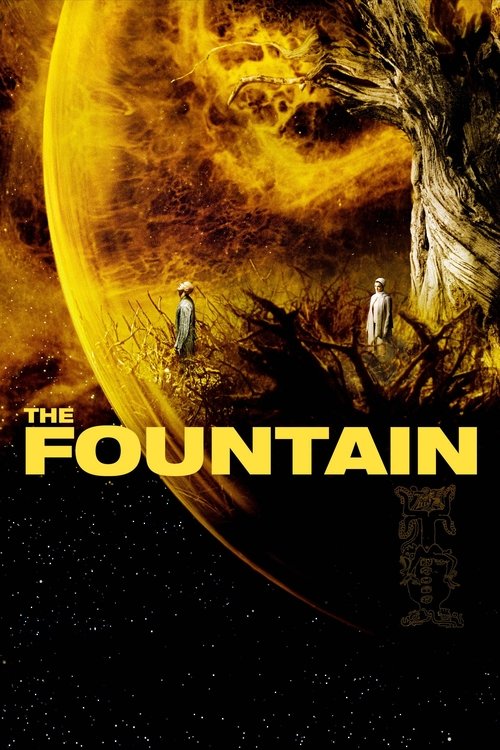
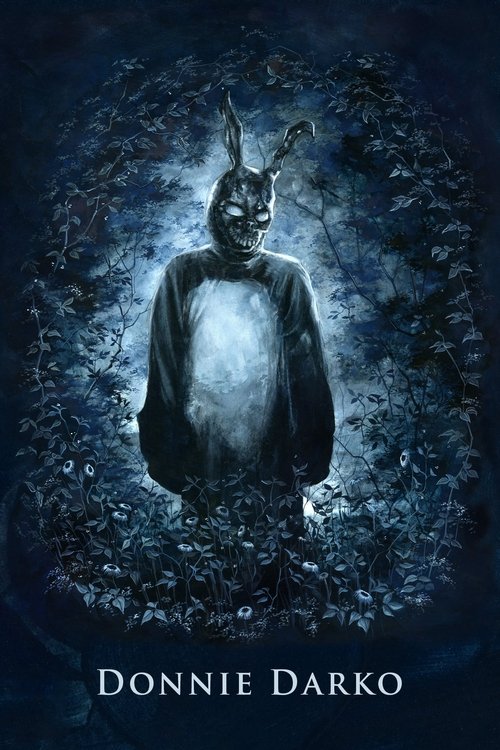
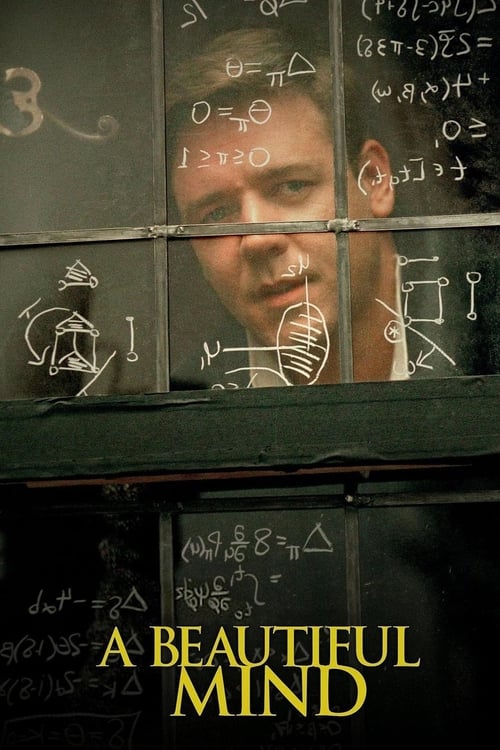
Films That Live in the Same Emotional Register
Movies with big inner landscapes: introspective, layered, and not afraid to take their time.
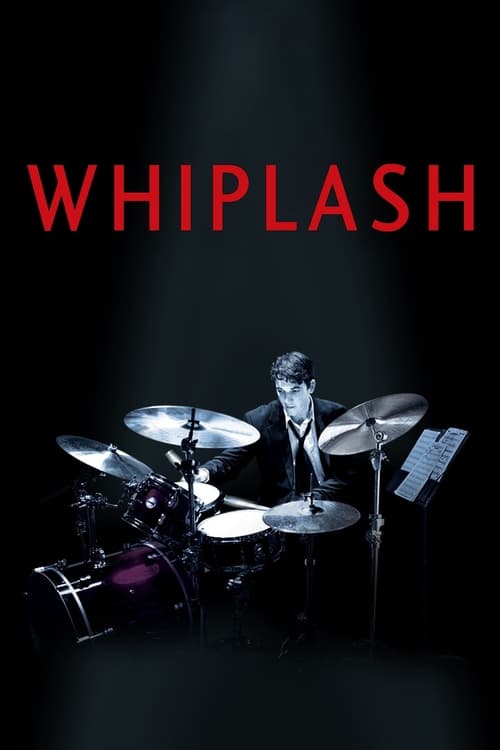

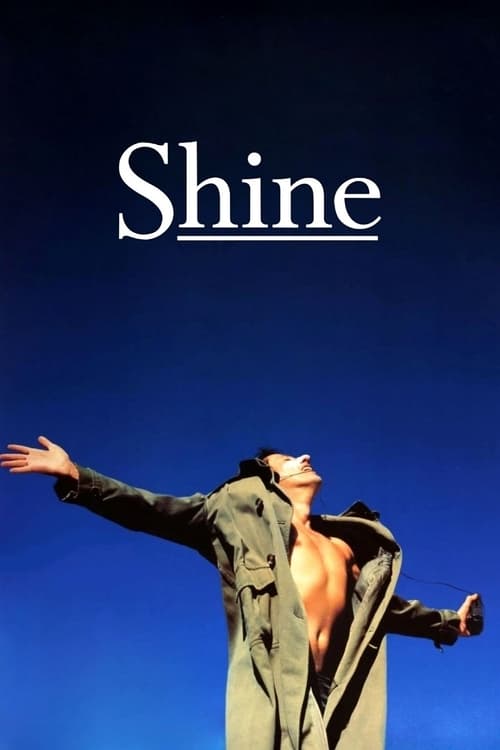
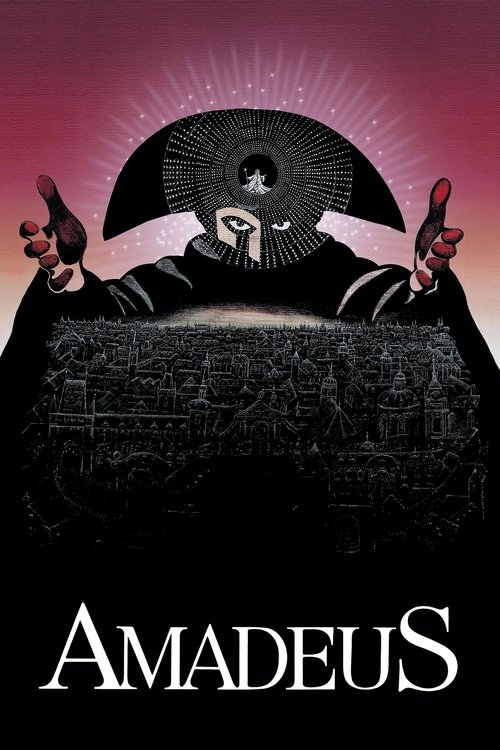
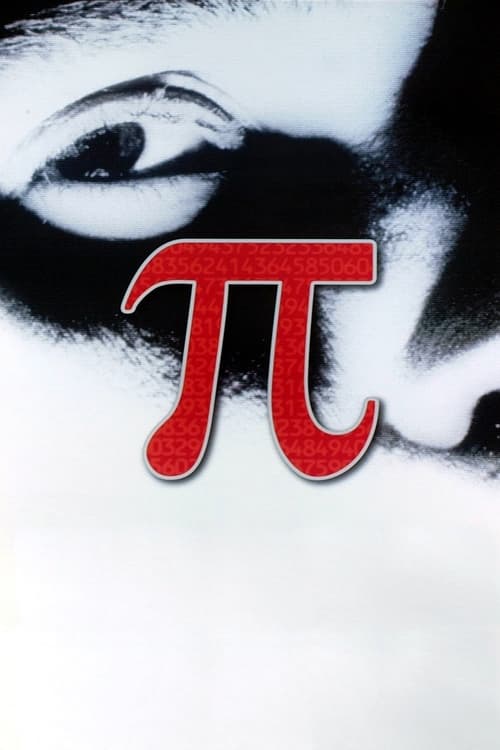

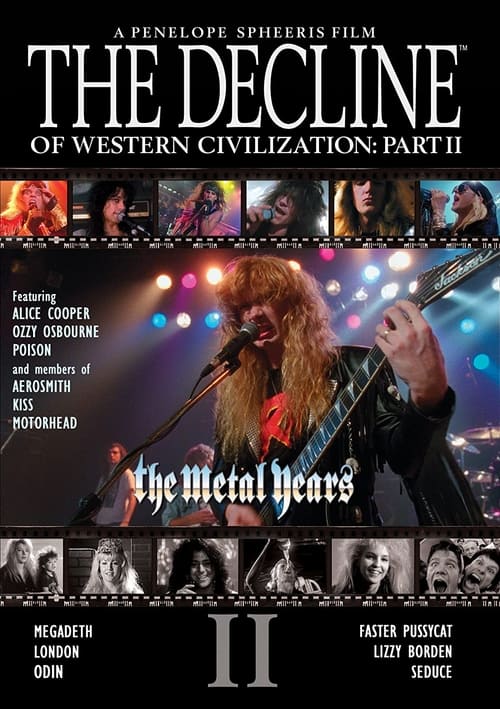
Concert Films and Music Documentaries
When virtuosity needs to be seen as well as heard.


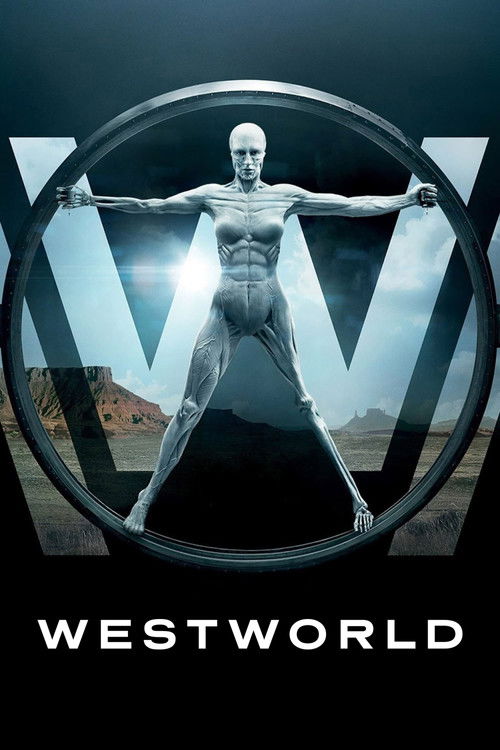
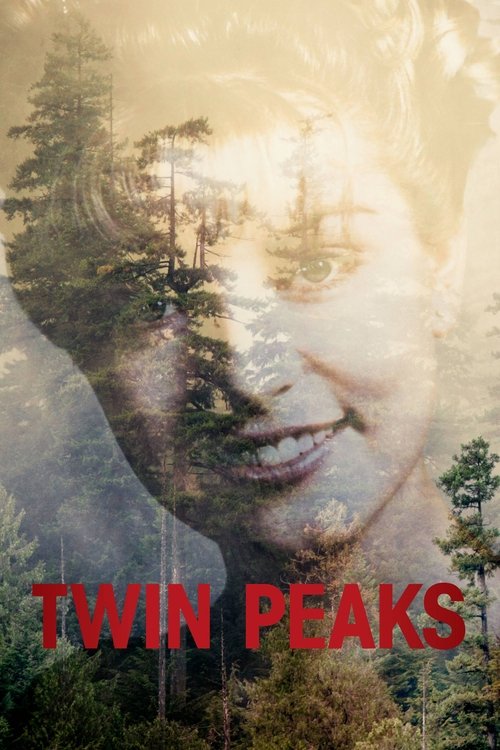
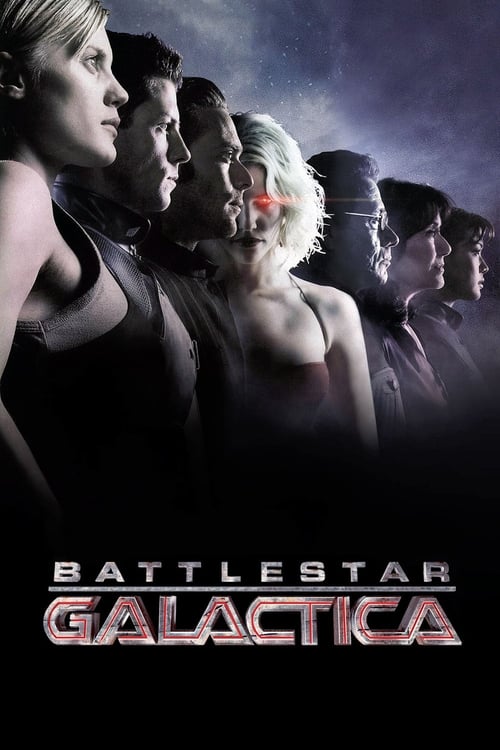
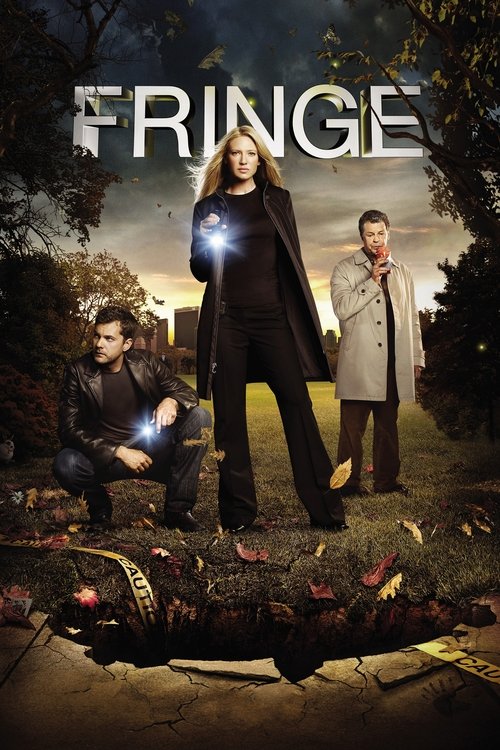
Television for the Patient and Rewarded
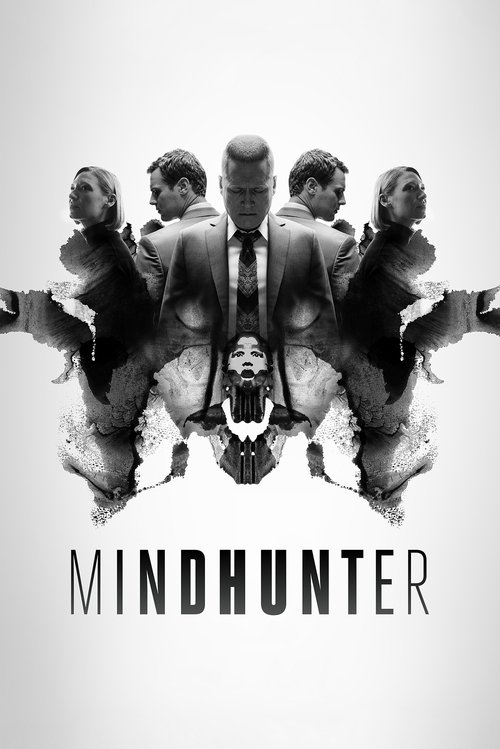
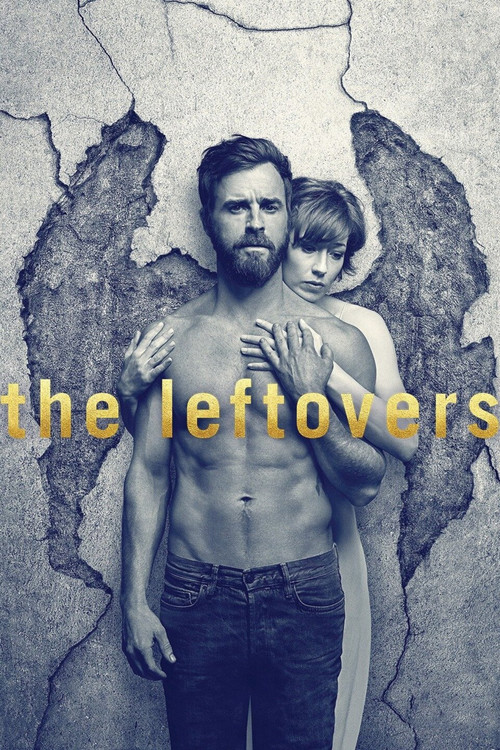
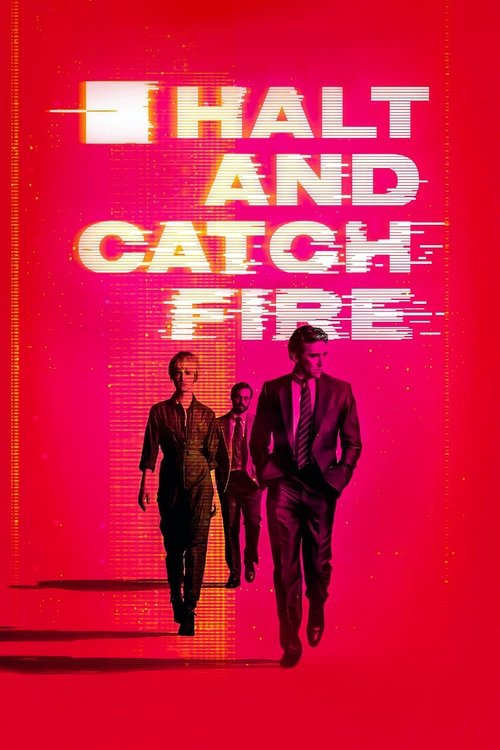
Series that build intricate, patient worlds where payoff is earned across seasons.

Books for the Mind That Won't Settle for Simple
Fiction and non-fiction that reward obsession, structural thinking, and emotional depth.


"Pull Me Under" Is Not the Best Song on the Album
The single that broke Dream Theater to a mainstream audience is a perfectly constructed hard rock song, and it is also the most conventional thing on Images and Words. "Metropolis Pt. 1" is longer, stranger, more structurally daring, and the reason this band became a cult rather than a radio act. The fans who wore out their copies of this record know which track they were actually obsessing over.
Kevin Moore's Departure Changed Everything
When keyboardist Kevin Moore left after Awake, Dream Theater did not fall apart, but it lost something specific: a harmonic sensibility that pulled the band toward genuine melancholy. Derek Sherinian and Jordan Rudess both brought tremendous technique, but Images and Words has a particular emotional color that is inseparable from Moore's touch. Listening to Awake as a farewell makes it one of the most bittersweet second albums in the genre.
Queensryche Opened the Door Dream Theater Walked Through
Operation: Mindcrime arrived in 1988 and proved that a heavy band could sustain a genuinely adult narrative across an entire album without losing the riff. Dream Theater heard that and went further, adding the harmonic vocabulary of Yes and the rhythmic sophistication of Rush. The lineage is direct and worth tracing.
Dream Theater and the Shape of Progressive Metal
- 1985Band forms at Berklee College of Music under the name Majesty
- 1989Debut album released; vocalist Charlie Dominici departs shortly after When Dream and Day Unite
- 1991James LaBrie joins as vocalist after an extensive search
- 1992Images and Words released; Pull Me Under reaches MTV and changes the band's trajectory Images and Words
- 1994Awake pushes into heavier and darker territory Awake
- 1995Kevin Moore departs; A Change of Seasons EP released
- 1999Metropolis Pt. 2 completes the story begun in a single track seven years earlier
- 2004Double album Six Degrees marks the band's most ambitious single project Six Degrees of Inner Turbulence
- 2011Mike Portnoy exits; band continues and releases A Dramatic Turn of Events A Dramatic Turn of Events
- 2023Portnoy returns; band releases Parasomnia and begins reunion world tour Parasomnia
The dream is always the same. You wake up. The song is still going.Common shorthand among Images and Words listeners for the experience of a Dream Theater deep cut