
In October 1969, seven musicians gathered under the name King Crimson and released an album that arrived fully formed, with no obvious precedent. In the Court of the Crimson King opened with "21st Century Schizoid Man," a track so ferocious and dissonant it sounded like the future colliding with itself, then pivoted to the mournful mellotron elegies of the title suite. The fan who loves this record is chasing something specific: the feeling of music that is simultaneously emotionally raw and architecturally precise, where improvisation and composition coexist at the highest level, where darkness is not decorative but structural. They want sounds that ask something of them. They are comfortable with music that refuses to resolve cleanly. They probably own several albums they can describe only as "difficult" but mean it as the highest praise.
The King Crimson Catalog
The essential albums across the band's five decades of reinvention
The Progressive Rock Canon
Albums that share the same architectural ambition and willingness to go somewhere uncomfortable
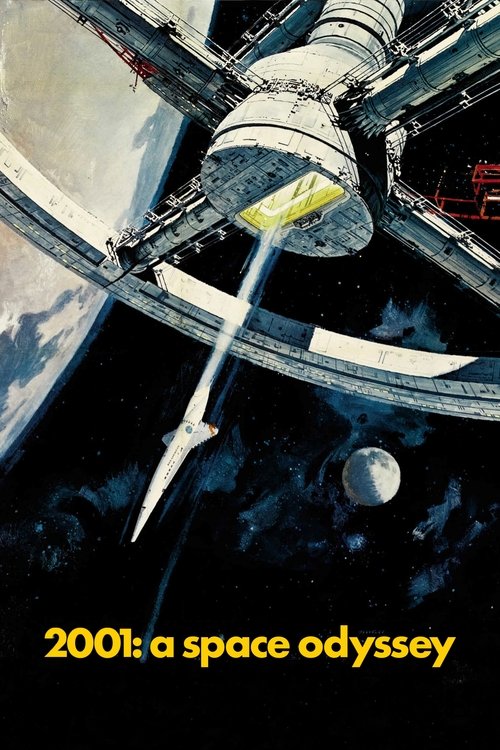
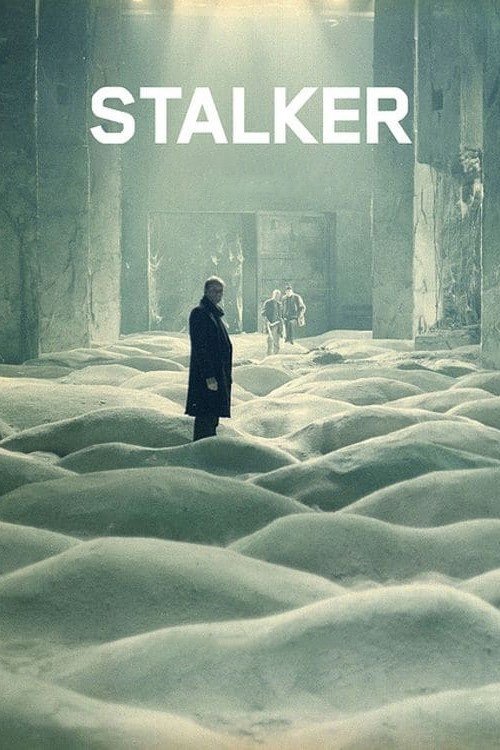
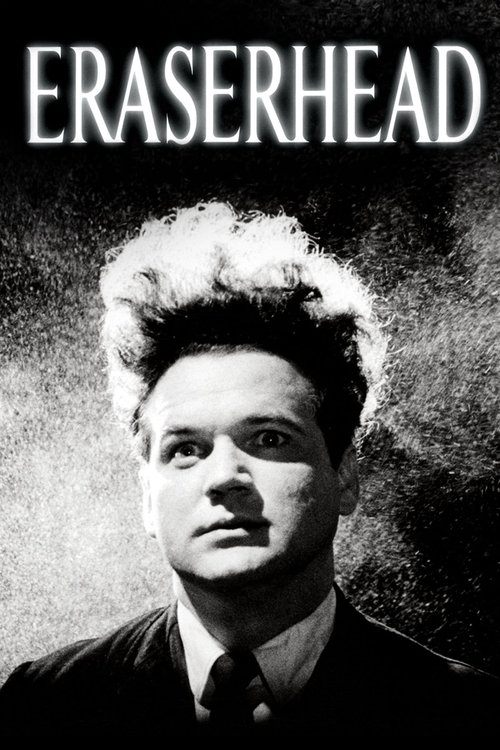
Films That Live in the Same Psychic Space
Cinema that shares the album's unsettled grandeur: where beauty and dread occupy the same frame






Music Documentaries and Concert Films
Get inside the making of progressive and experimental music at its peak intensity




Novels for the Architecturally Minded Listener
Fiction that rewards the same patience and rewards structural complexity over easy comfort


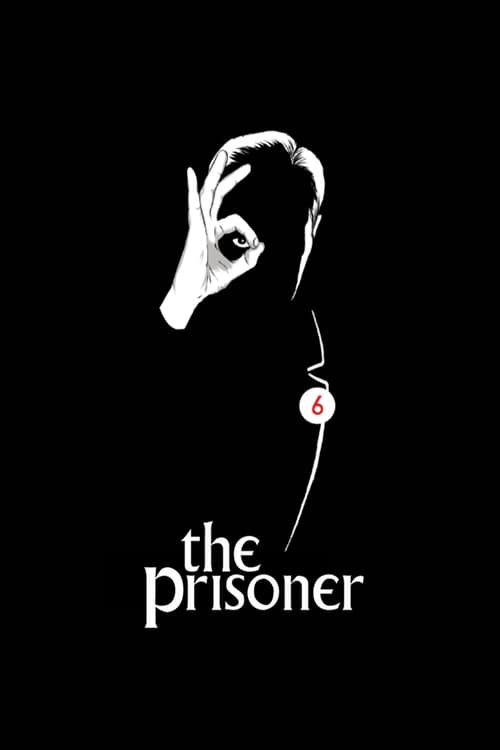
TV That Demands the Same Attention
Series that reward patience, punish distraction, and treat the audience as intelligent adults





The Mellotron Is the Album's True Lead Instrument
Robert Fripp's guitar gets the credit, and reasonably so, given the sheer ferocity of the opening track. But the emotional core of In the Court of the Crimson King is the mellotron: that strange, tape-loop keyboard instrument that sounds like a string section that has been underwater for a decade. Ian McDonald's command of it gives the record its particular grief. No synthesizer has ever replicated it because the mellotron's imperfection is inseparable from its power.
Peter Sinfield's Lyrics Belong to a Short and Specific Tradition
Progressive rock lyrics are easy to mock, and Sinfield's are not immune. But at their best, on the title suite and on "Epitaph," they achieve something genuinely unusual: a kind of formal medieval tone applied to contemporary dread. The lineage is Blake and Keats filtered through psychedelia, and it works because the music is ornate enough to hold the weight. Later lyricists in the genre tried the same thing and mostly produced pastiche.
The 1973 Lineup Surpassed the Original
The original King Crimson made In the Court of the Crimson King and then fell apart. The 1972-74 lineup of Fripp, John Wetton, Bill Bruford, and David Cross made Larks' Tongues in Aspic, Starless and Bible Black, and Red, three records that are collectively harder, stranger, and more emotionally violent than anything the first band achieved. Red in particular sounds like a band deliberately destroying everything it built, and it is magnificent.
"21st Century Schizoid Man" Predicted Metal More Accurately Than Almost Any Other 1969 Recording
Before Black Sabbath's debut, before Led Zeppelin II, before most of what we now call heavy metal was named, King Crimson opened their first album with a track that contained polyrhythmic aggression, distorted saxophones playing chromatic lines, and a midsection of pure improvised chaos. The song's DNA runs through everything from progressive metal to math rock to post-hardcore. Most bands that cite it as an influence are still catching up.
King Crimson and the Architecture of Prog: Key Moments
- 1969King Crimson debut is released, immediately displacing the Beatles at the top of the UK album chart in its first week In the Court of the Crimson King
- 1971ELP release their live triple album, establishing that progressive rock could command arena-scale audiences and budgets Pictures at an Exhibition
- 1972Yes release Close to the Edge, a single-side-long suite that becomes a defining statement of the genre's ambitions Close to the Edge
- 1973Pink Floyd release The Dark Side of the Moon; prog and art rock find a mass audience without compromising structural complexity The Dark Side of the Moon
- 1974King Crimson release Red and immediately disband; Fripp later calls it the most complete statement the band ever made Red
- 1977Punk arrives in the UK and press consensus declares progressive rock dead; the music continues regardless
- 1981Fripp reforms King Crimson with an entirely new lineup, proving the project is a concept rather than a fixed band Discipline
- 2003The last King Crimson studio album under that name is released, closing a 34-year recording arc The Power to Believe
The schizoid man is you. The court of the crimson king is the century we are all living in.Pete Sinfield, lyricist, King Crimson