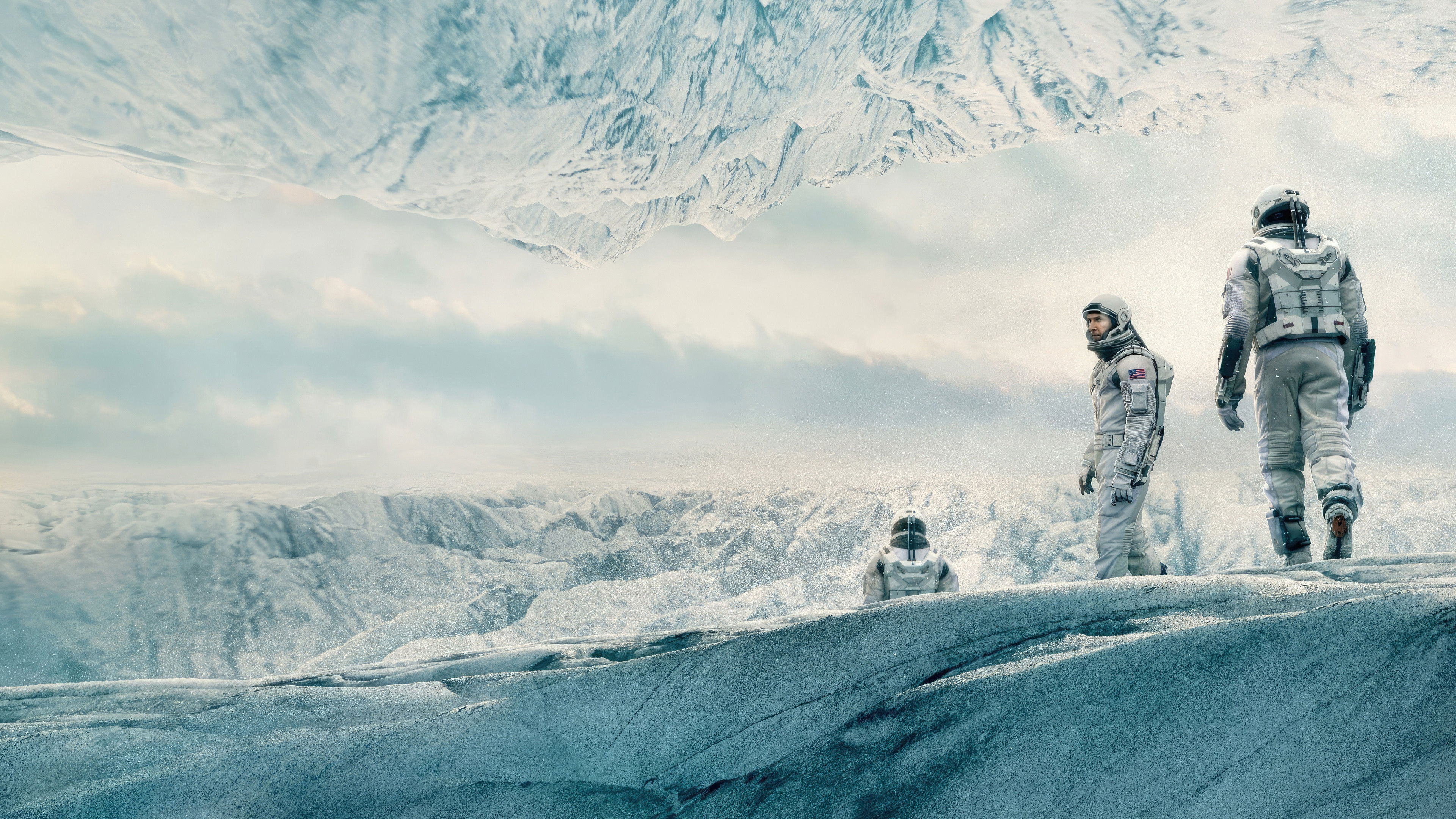

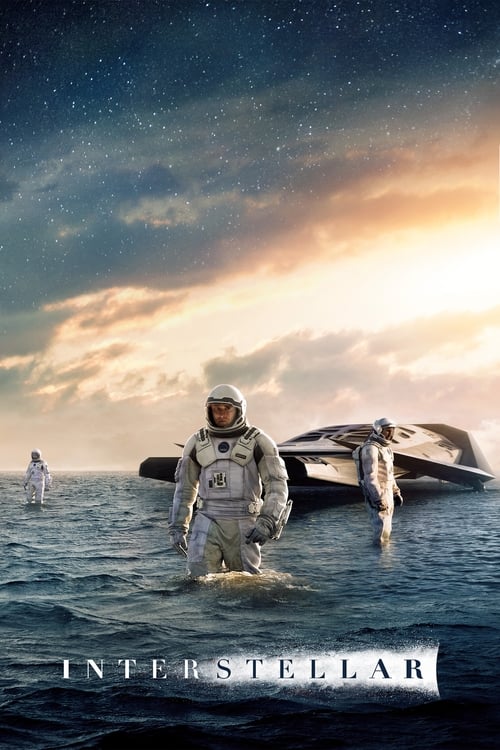
Christopher Nolan's 2014 film does something almost no blockbuster attempts: it takes theoretical physics seriously and makes it emotionally unbearable at the same time. The images are big (a tidal wave on a water planet, a tesseract built from love and memory), but the feeling that hooks people is intimate: a father separated from his daughter by time itself. What Interstellar fans are really chasing is that particular combination of intellectual rigor and gut-punch sentiment, wrapped in scope that makes cinema feel necessary. The score by Hans Zimmer locks the two registers together, organ drones evoking both a church and a spaceship. Across films, TV, novels, games, and music, the works below chase the same quarry: the universe as an indifferent but beautiful place, and small human beings finding, against all probability, that love is a kind of physics.
The Nolan Universe
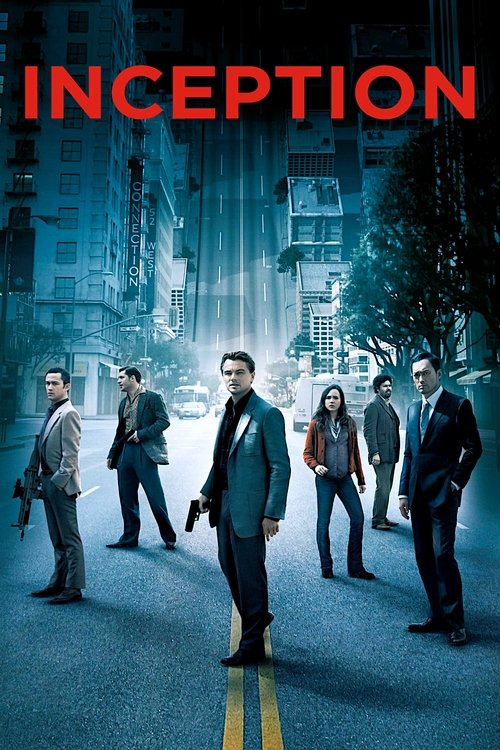
The director's own catalog, ranked by how hard they hit the same frequency.
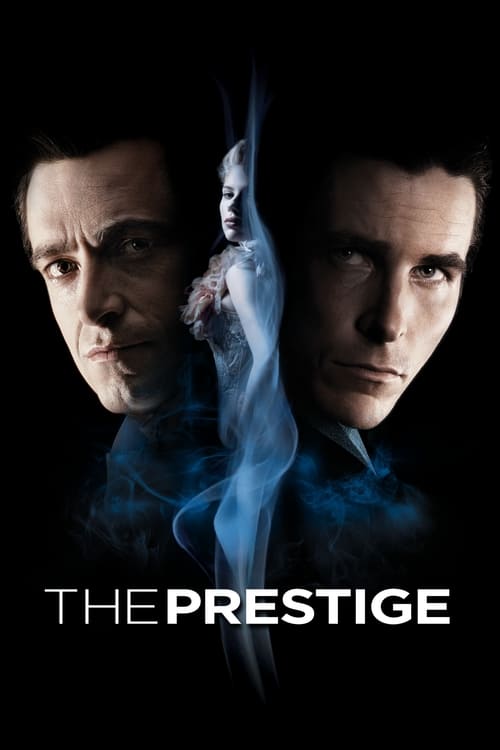
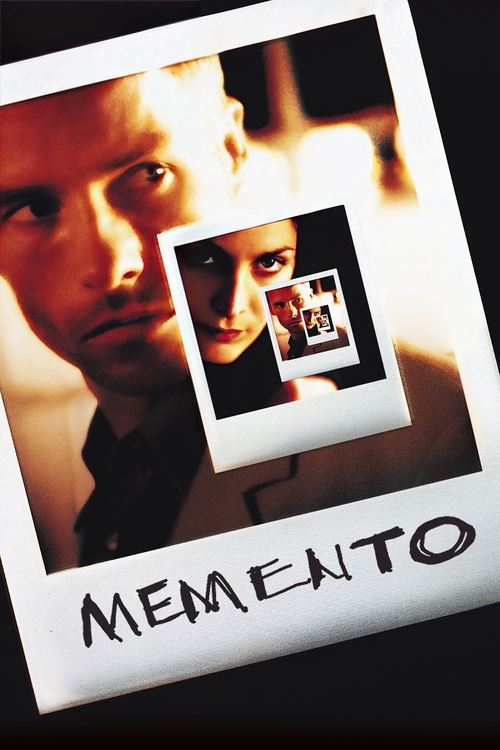
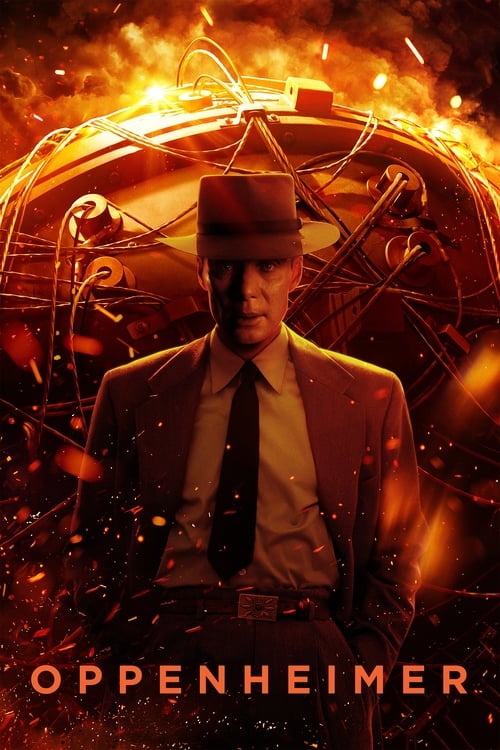
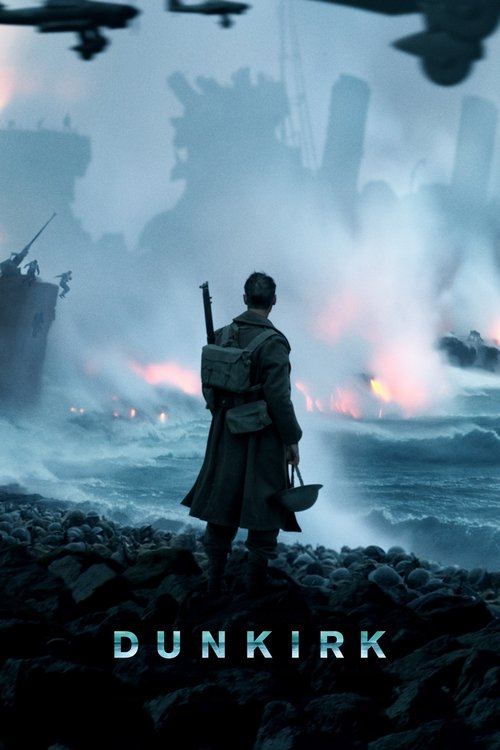
If You Love the Cosmic Scale
Films that make you feel the size of space and the smallness of a human life.

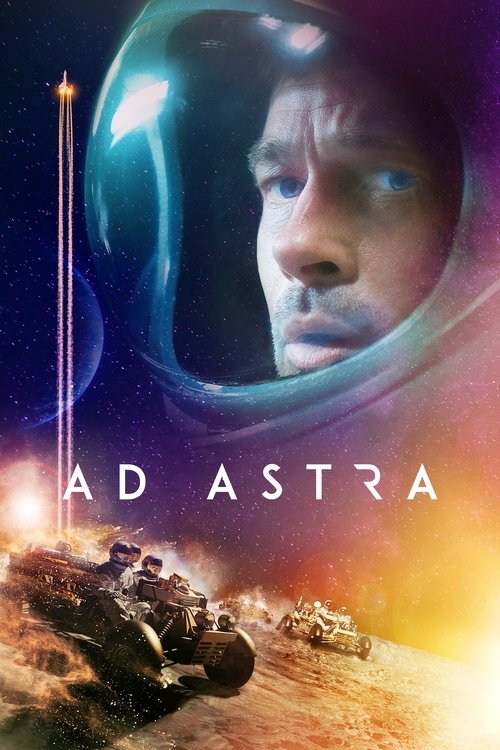

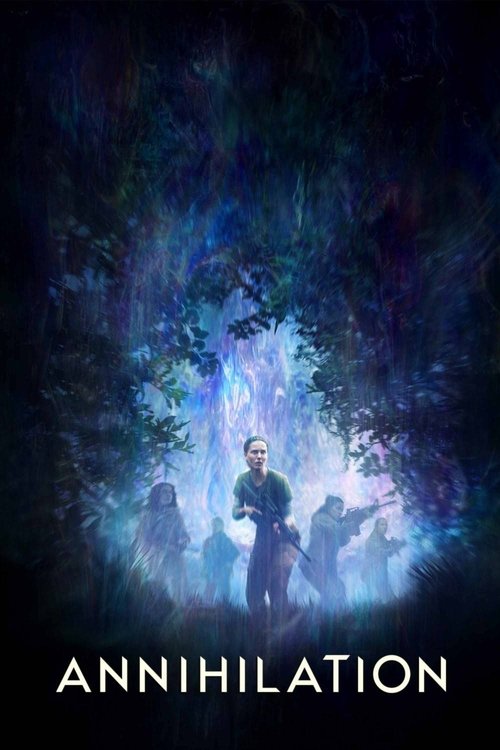
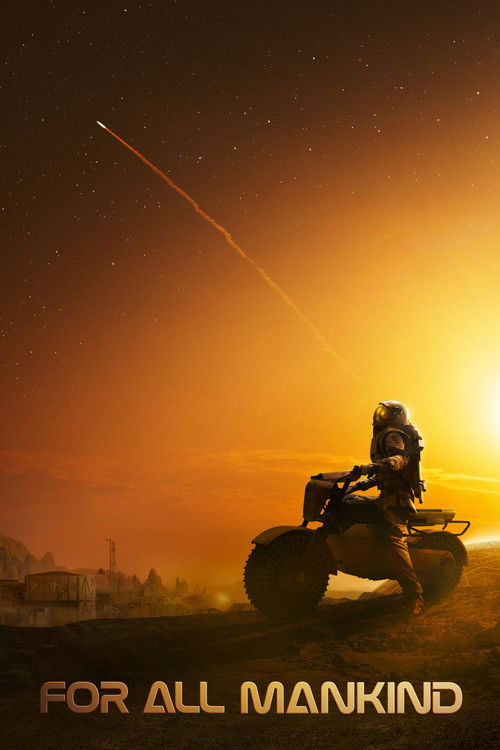
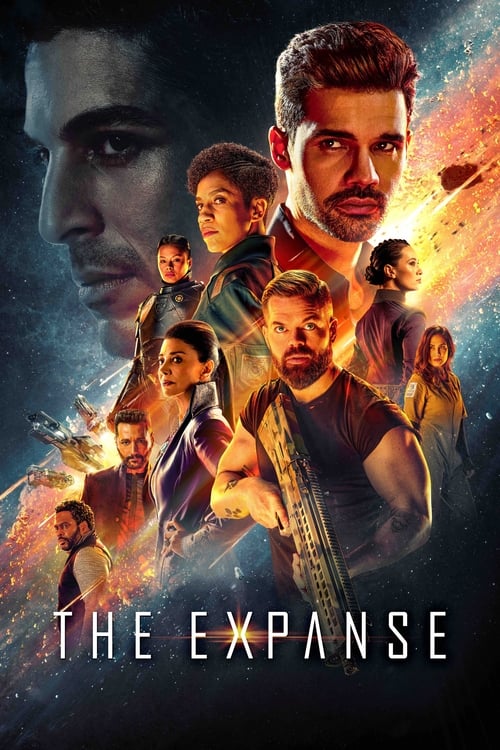
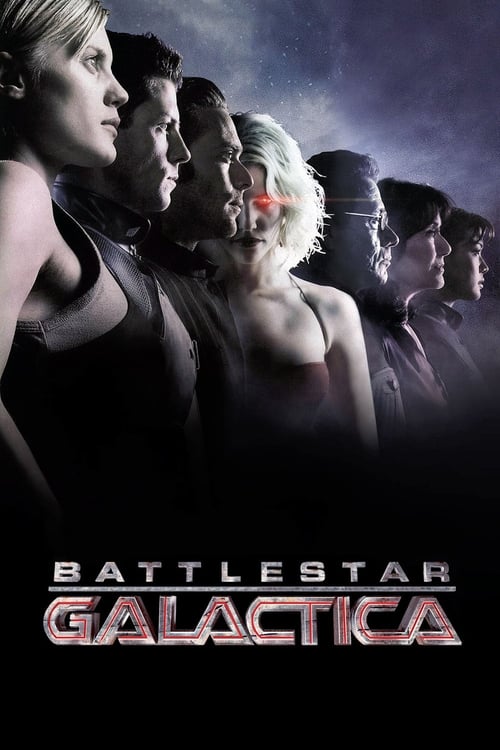
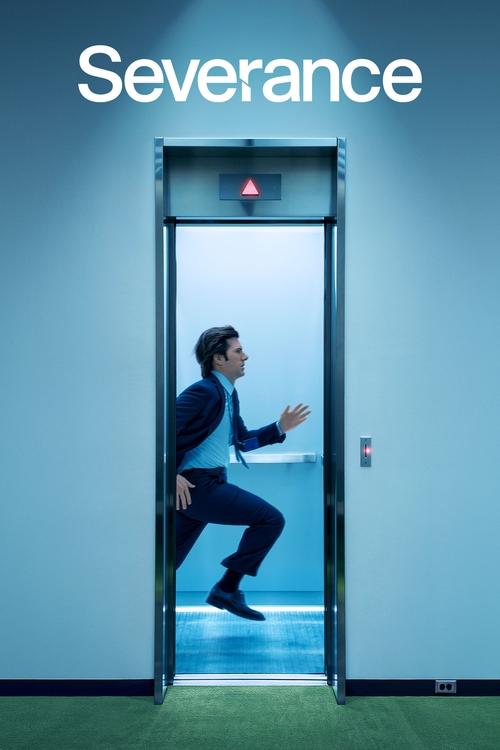
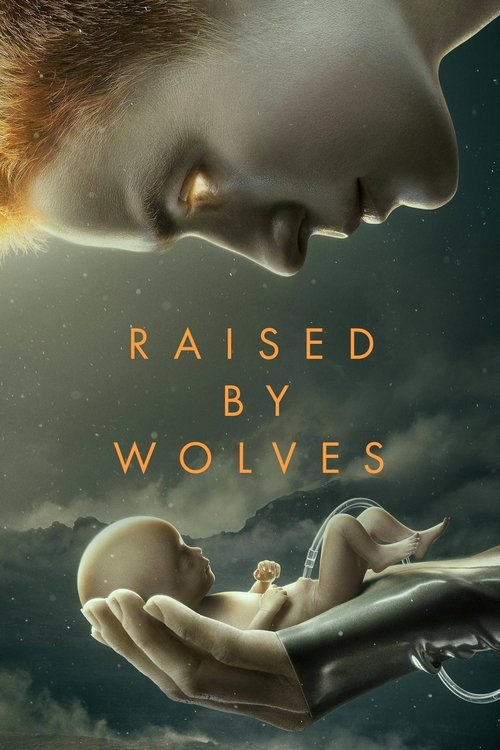
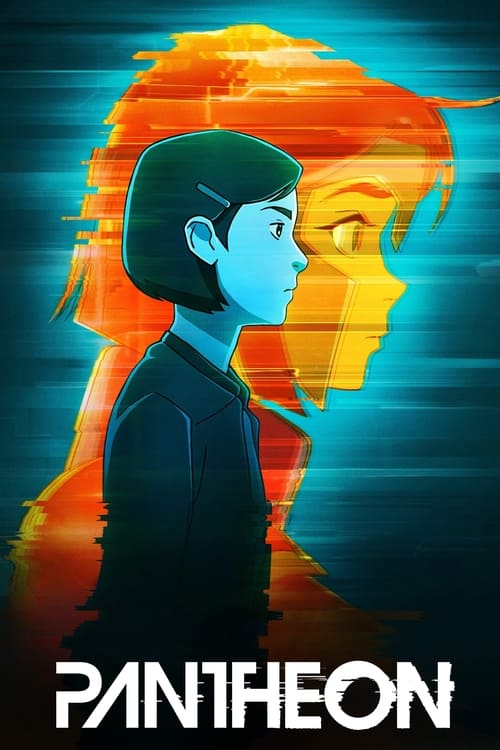
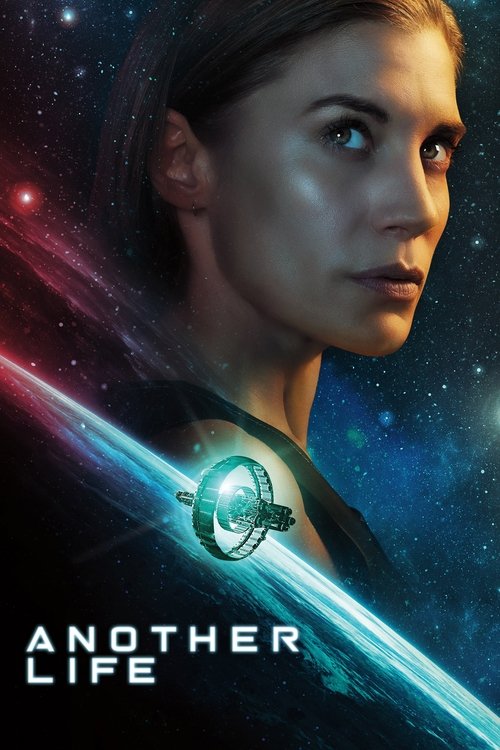
Series That Take the Long View
Television willing to spend episodes on time, survival, and the price of exploration.

The Novels Behind the Vision
Science fiction literature that shares Interstellar's blend of hard physics and human longing.




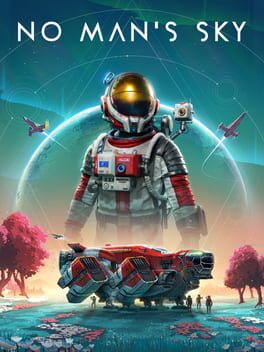
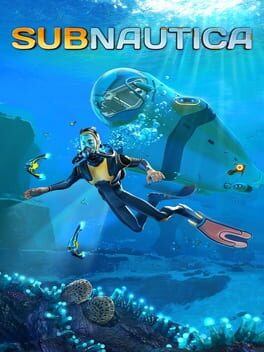
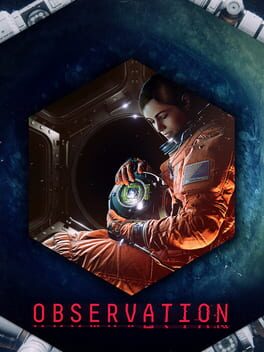
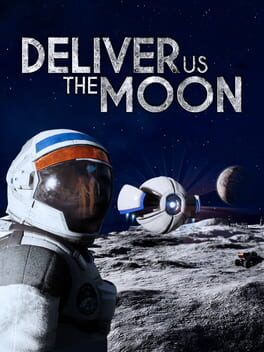
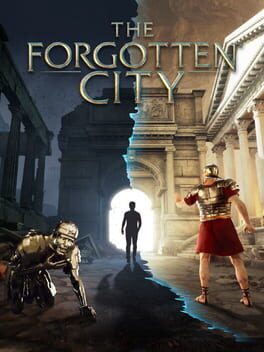
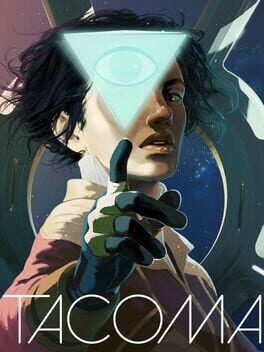
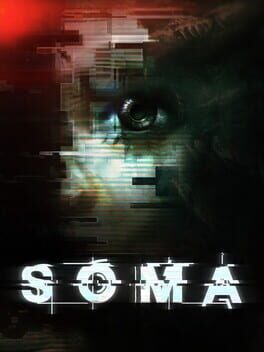
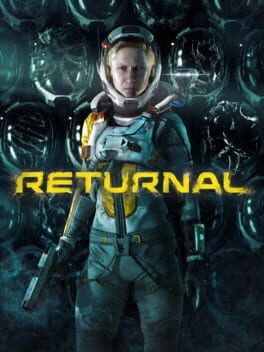
Games That Chase the Same Silence
Slow, awe-driven games where isolation, exploration, and survival carry the emotional weight.

Music for the Long Dark
Scores and albums that replicate the pipe-organ-meets-cosmos atmosphere Zimmer built.
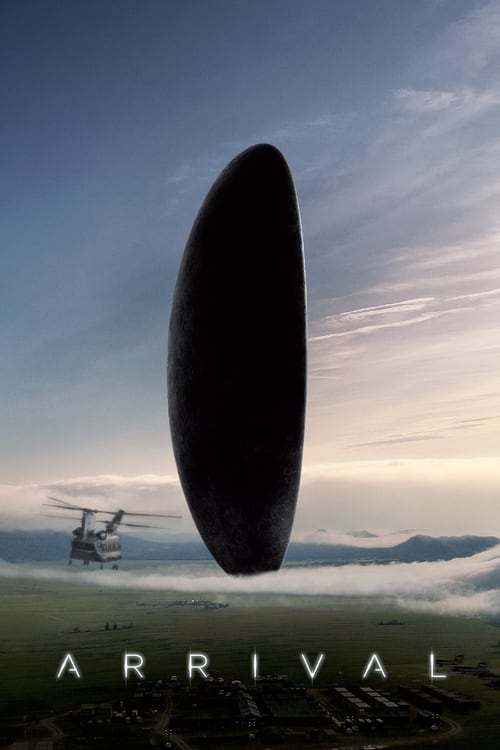
Arrival Is the Film Interstellar Fans Sleep On
Denis Villeneuve's 2016 film is quieter than Interstellar and, in some ways, more rigorous about what time actually does to the people caught inside it. Where Nolan leans on spectacle to carry the grief, Villeneuve leans on language, on the act of learning to communicate across an impossible gap. The emotional sucker punch at the end lands harder precisely because nothing explodes. If you found yourself crying in the third act of Interstellar and aren't sure why, Arrival will explain it to you.
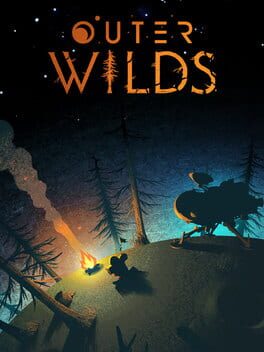
Outer Wilds Does What Interstellar Does, Interactively
Mobius Digital's 2019 game puts you in a solar system dying on a 22-minute loop and asks you to understand, not survive. There is no combat, no leveling, no way to get stronger. The only resource is knowledge: learning why the universe you are in is ending, and what it means for the people who lived in it before you. The moment it all clicks is one of the few experiences in any medium that produces the same quality of awe the Gargantua sequence does. Play it without spoilers.
The Lineage: Hard-SF Cinema from Kubrick to Nolan
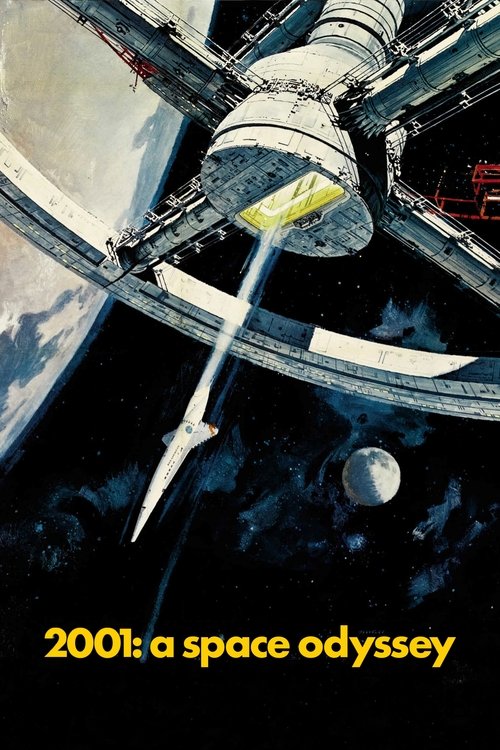
- 1968Kubrick redefines science-fiction cinema with a film that refuses to explain itself. 2001: A Space Odyssey
- 1977Star Wars shifts the genre toward myth; hard-SF retreats to the literary world for a decade. Star Wars
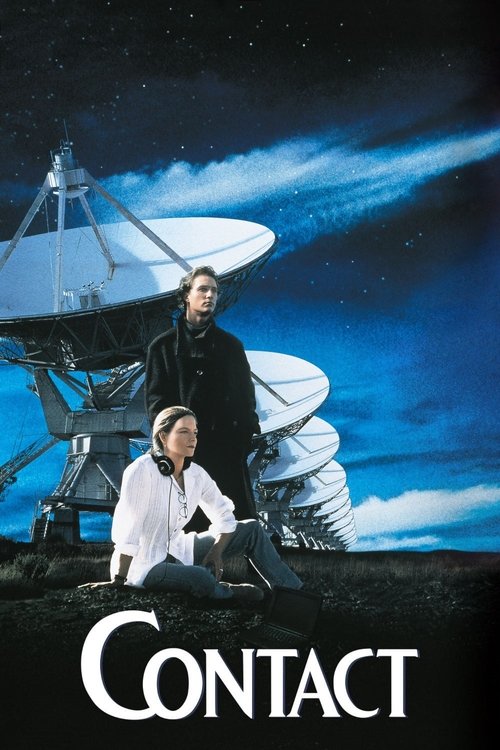
- 1985Carl Sagan's Contact novel imagines first contact as a spiritual and scientific crisis; the film follows in 1997.
- 1997Zemeckis adapts Contact for the screen; Jodie Foster's scientist becomes the genre's template for rigorous optimism. Contact
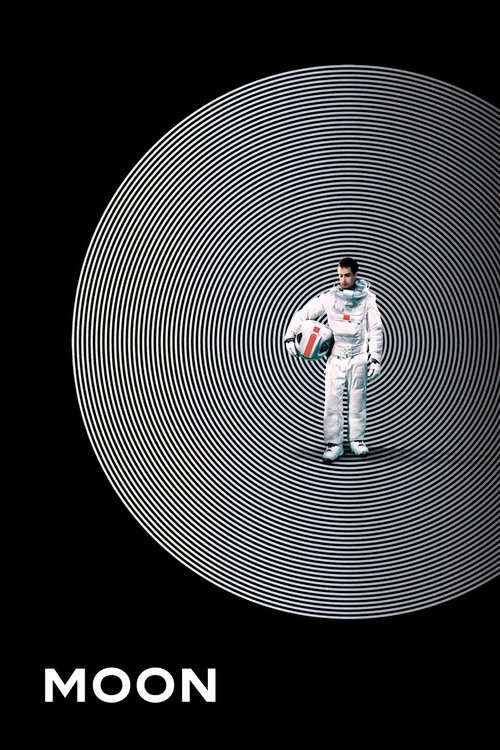
- 2009Duncan Jones's Moon proves hard-SF can be made cheaply and devastatingly. Moon
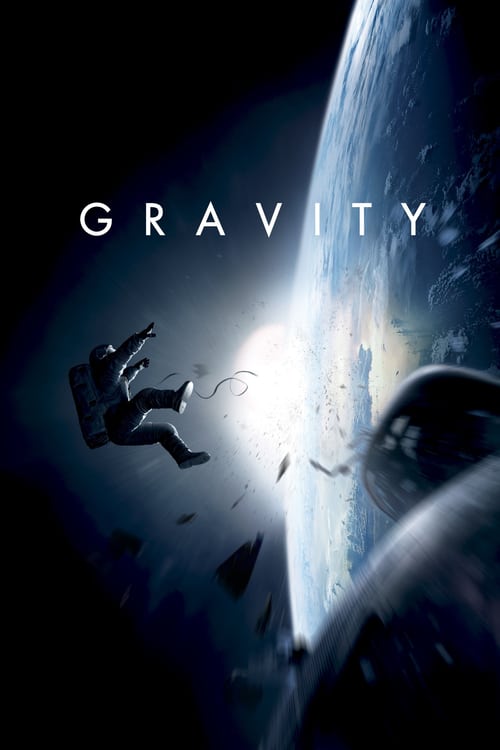
- 2013Gravity demonstrates that space can be viscerally terrifying on a mainstream budget. Gravity
- 2014Interstellar synthesizes Kubrick's scope, Sagan's optimism, and blockbuster emotional grammar into one film. Interstellar
- 2016Arrival wins the decade's argument for hard-SF as the prestige drama mode of the moment. Arrival
- 2019Outer Wilds imports the genre's core sensation, awe plus grief, into an interactive medium. Outer Wilds
- 2021The Expanse concludes six seasons as television's most rigorously physical depiction of humanity in space. The Expanse
We used to look up at the sky and wonder at our place in the stars. Now we just look down and worry about our place in the dirt.Cooper, Interstellar (2014)