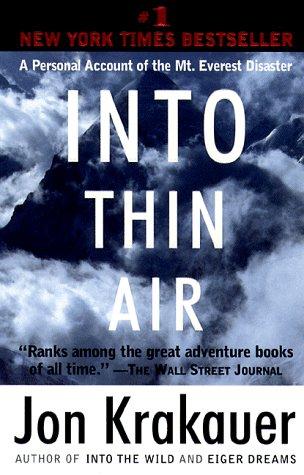

Into Thin Air works because it refuses the easy frame. Jon Krakauer was not a bystander; he was a participant who survived while others died, and the book never lets him off the hook for that. What readers chase in its wake is a very specific compound feeling: the pull of an extreme environment rendered in precise, unglamourized prose; the slow-motion unraveling of plans made by intelligent, experienced people; and the ethical weight of asking who is responsible when the mountain wins. That through-line, equal parts adventure and reckoning, runs across every medium below.
Everest on Screen
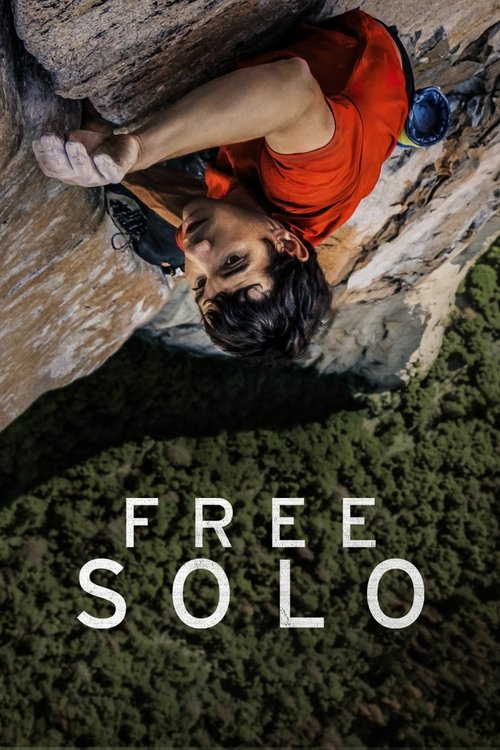
Films and documentaries that put you on the mountain, from the 1996 disaster itself to the wider culture of high-altitude obsession

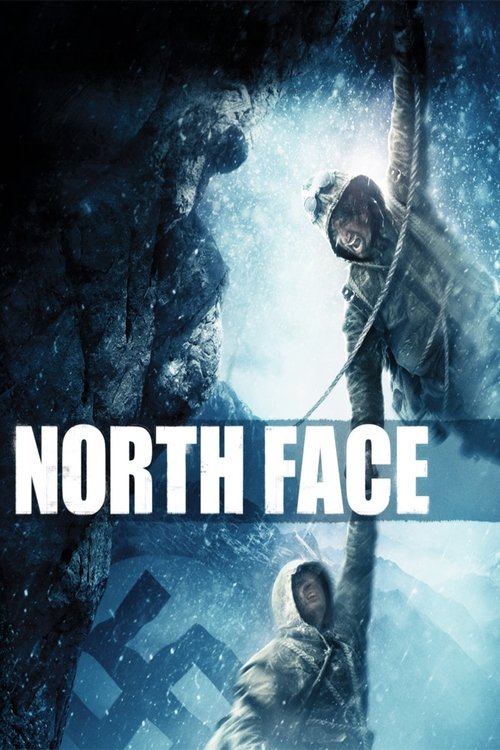
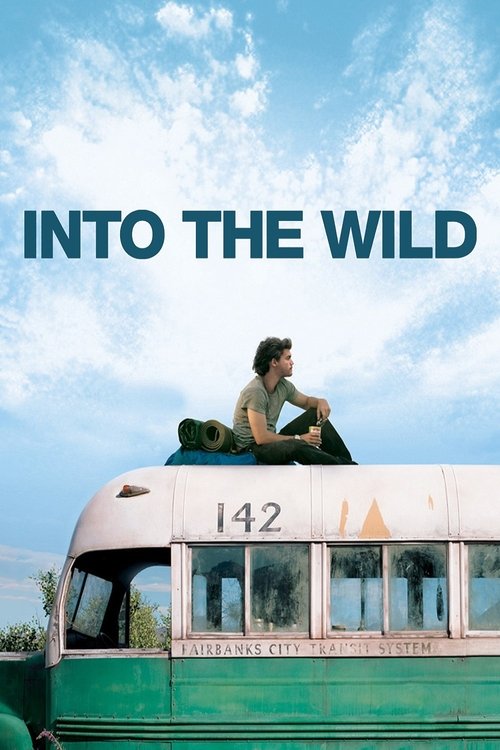
Series Built on Isolation and Survival
Television that sustains the same claustrophobic pressure: small groups, extreme conditions, the psychology of who breaks and who holds
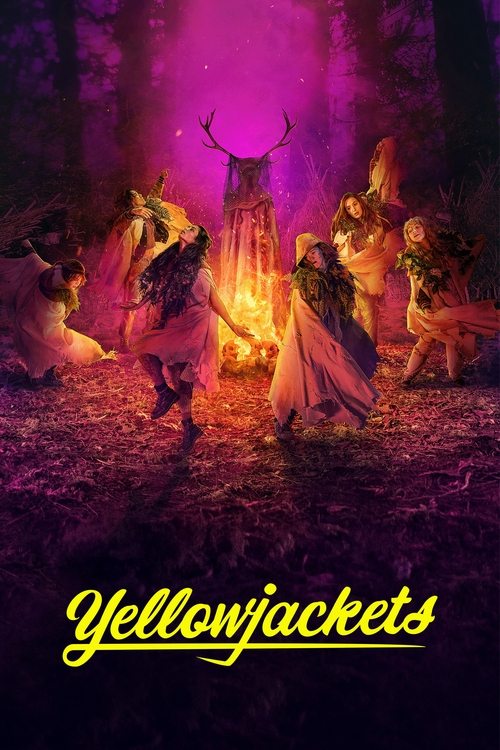

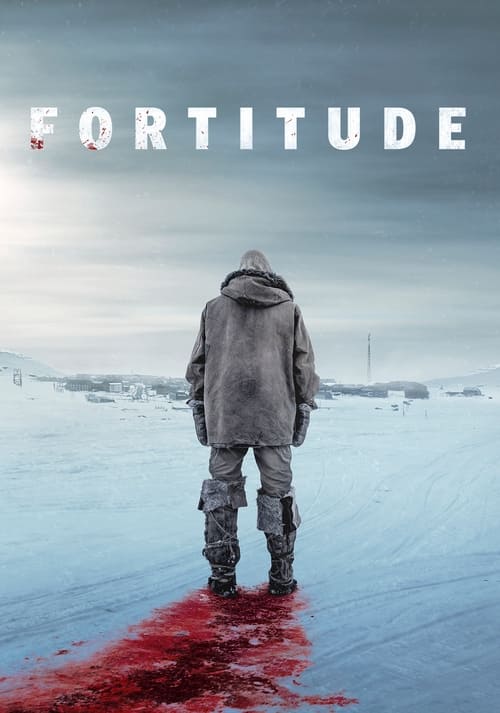

Games Where the Mountain is the Antagonist
Games that replicate the core sensation of Into Thin Air: resource scarcity, environmental hostility, and decisions made under conditions where reversing course is not an option




Celeste Understands Altitude Better Than Most Mountaineering Games
Celeste uses a mountain climb as the literal and psychological architecture of the game, and it earns every metaphor. The difficulty is calibrated to create the same loop Krakauer describes: a moment of competence, a sudden failure, the accumulating cost of altitude on judgment. It is not trying to simulate Everest, but it produces the same interior weather.
The Terror Is the Closest Television Has Come to Into Thin Air's Register
Both works place a precisely researched historical expedition inside a structure of slow catastrophe, and both are interested in command failure as much as environmental failure. The Terror adds a supernatural layer, but underneath it the show is a meticulous study of how institutions crack under sustained lethal pressure, which is exactly the question Into Thin Air is asking about commercial guiding on 8,000-meter peaks.
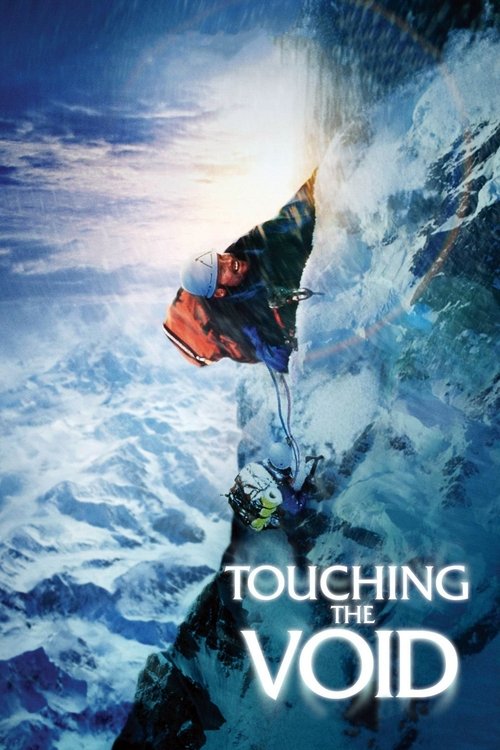
Touching the Void Proved the Genre Could Work as Documentary Film
Kevin Macdonald's 2003 reconstruction of Joe Simpson's survival on Siula Grande used re-enactment and direct address in ways that felt new for the genre. Paired with Simpson's book, it demonstrates what Into Thin Air never quite got from its own film adaptation: a form that respects the pace of dread rather than compressing it into a disaster-movie third act.
The Literature of Extreme Altitude: Key Moments
- 1953Edmund Hillary and Tenzing Norgay reach the summit; a decade of popular expedition memoir follows
- 1954Maurice Herzog's account of the first 8,000-meter ascent is published in English
- 1985Commercial guiding on Everest begins under Dick Bass; the mountain's democratization accelerates
- 1988Joe Simpson publishes his survival account
- 1996The May disaster kills eight climbers in a single storm, including guides Rob Hall and Scott Fischer
- 1997Krakauer's account is published, breaking out of the adventure niche into mainstream literary culture Into Thin Air
- 1997Boukreev publishes his counter-narrative
- 1998IMAX Everest film reaches cinemas, the first major screen document of the peak
- 2003Documentary reconstruction of Simpson's story becomes an unexpected awards-season success Touching the Void
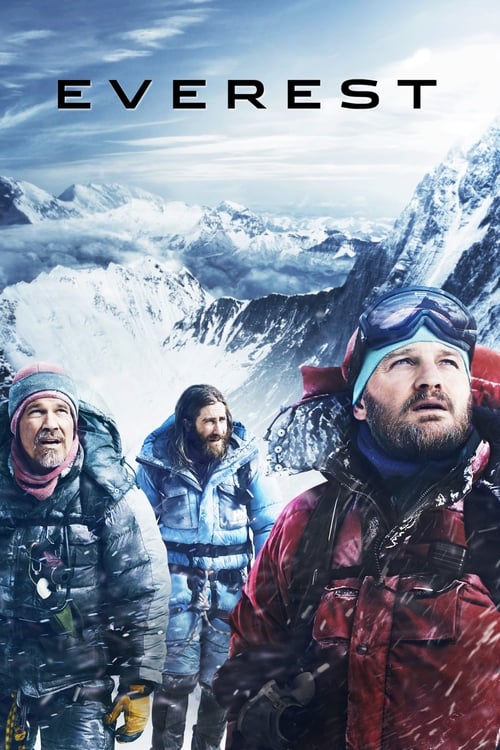
- 2015Baltasar Kormakur's dramatization of the 1996 disaster opens at Venice Film Festival Everest
- 2018Alex Honnold's ropeless ascent of El Capitan is documented Free Solo
Climbing Everest is a life-changing event that seems to attract those for whom ordinary life has become insufficient. The summit is just the halfway point.Jon Krakauer, Into Thin Air (1997)