
The Metal Gods
Judas Priest are the band that turned heavy metal into a uniform, a theology, and a way of life. Formed in Birmingham in the late 1960s and properly ignited through the 1970s, they sharpened the blues-rock that Black Sabbath had made heavy into something faster, more precise, and armored in leather and chrome. Rob Halford's operatic shriek, stretching from a whisper to a five-octave banshee wail, became the defining sound of the genre. Glenn Tipton and K.K. Downing's twin-guitar interplay wrote the rulebook for every metal axeman who followed.
What Priest fans love is a particular quality of lift: the feeling that a riff is an engine and a solo is a launch. Albums like Screaming for Vengeance, British Steel, and Painkiller are not just collections of songs but fully realized metallic worlds. Underneath the hard surfaces runs a streak of genuine vulnerability, anthemic sincerity, and working-class defiance. Halford, who came out publicly in 1998, gave the leather-biker aesthetic a queer dimension that had been hiding in plain sight for decades, adding another layer of meaning to the whole catalog.
If Priest lit the fuse for you, here is everything that burns at the same temperature.
Essential Judas Priest
The records that define the canon, from their breakthrough to their late-career renaissance
The Metal Pantheon
British and American heavy metal that shares Priest's speed, precision, and anthemic power
Metal on Film
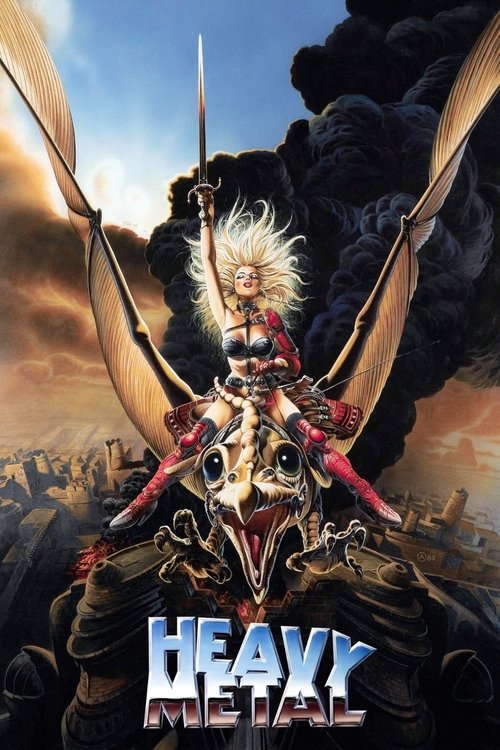
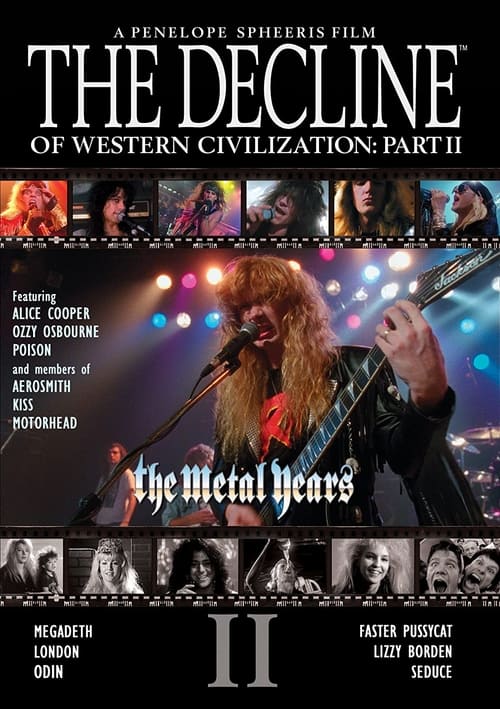
Documentaries and concert films that capture what it means to live inside the music


Shred the Controller
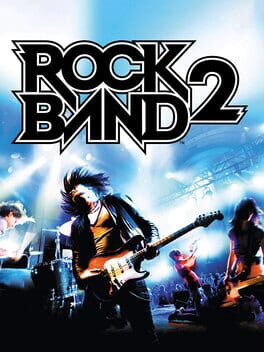
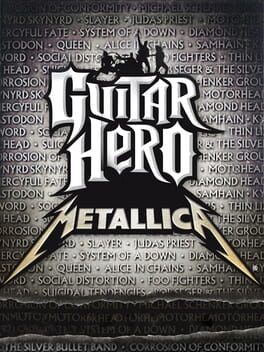
Games built around the hard rock and metal experience, from rhythm games to metal-flavored action



Start with Screaming for Vengeance
Every Priest argument about entry points ends here. Screaming for Vengeance (1982) has the riffs, the hooks, the Halford scream, and 'You've Got Another Thing Comin'' as an immediate handshake with new listeners. It is also the record that crossed them over to American arenas without softening a single edge. Start here, then go back to Sad Wings of Destiny when you are ready for something stranger and more operatic.
Painkiller is the album they had to make
By 1990, metal had splintered and Priest had lost commercial momentum. Then they dropped Painkiller and silenced every obituary. Scott Travis's opening drum assault is still one of the most pulverizing intros in the genre; Halford sounds genuinely furious at the passage of time. It is the record that proved they could play faster and heavier than any band they had inspired, and it arrived right when they needed to prove exactly that.
Brutal Legend is the video game Priest fans deserve
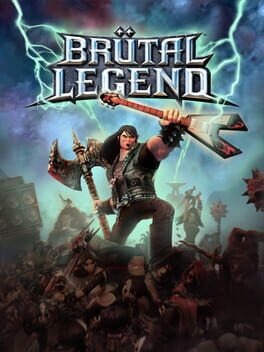
Tim Schafer's 2009 action game is a love letter to heavy metal mythology written by someone who spent their teenage years with headphones on. It opens with Ozzy Osbourne as a roadie and only gets more committed from there. The world is built from album-cover imagery: chrome demons, hair-metal vainglory, and underground resistance. Priest, Maiden, Motorhead, and Sabbath all appear on the soundtrack. It is the only game where you can feel what a metal album looks like.
The real spiritual successor is Iron Maiden
Maiden absorbed everything Priest built and ran further with the galloping bass lines, the twin-guitar mythology, and the theatrical scale. Where Priest stayed lean and punishing, Maiden built epics. Powerslave and Somewhere in Time are the natural entry points for anyone who came through Defenders of the Faith, and the bands have been in productive parallel competition for fifty years. Knowing both gives you the full architecture of British metal.
Judas Priest: Five Decades of Steel
- 1969Band forms in Birmingham, England
- 1974Debut: Rocka Rolla Rocka Rolla
- 1976Sad Wings of Destiny defines their sound Sad Wings of Destiny
- 1980British Steel breaks through worldwide British Steel
- 1982Screaming for Vengeance, US arena breakthrough Screaming for Vengeance
- 1990Painkiller resets the bar for heavy metal Painkiller
- 1998Rob Halford comes out publicly
- 2005Angel of Retribution: classic lineup reunites Angel of Retribution
- 2018Firepower: critical and commercial renaissance Firepower
- 2024Invincible Shield continues the legacy Invincible Shield
More heavy metal and British steel
For Fans of Heavy Metal
Explore the For Fans of Heavy Metal guide →They did not invent heavy metal. They refined it, armored it, gave it a silhouette, and turned it into something that could fill a stadium or a bedroom with equal force.On Judas Priest's place in the canon