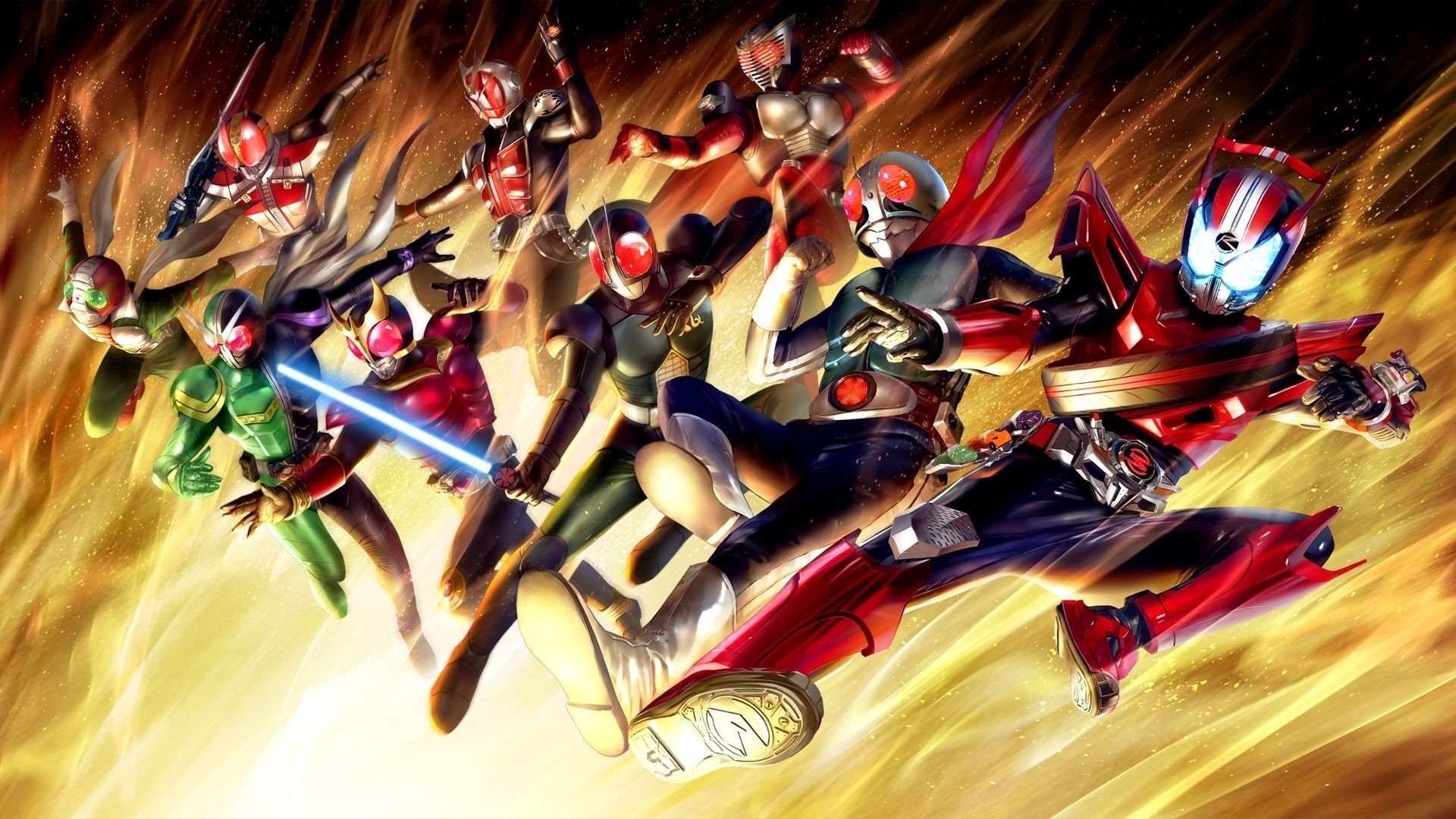

Kamen Rider has run, in one form or another, since 1971 — a franchise born from Shotaro Ishinomori's manga about a cyborg outcast who turns the weapons of his oppressors back on them. What keeps its audience loyal across five decades is not the rubber suits or the finisher kicks (though those help): it is the recurring premise that power obtained through trauma can be reclaimed as agency, and that the monster fighting for humanity is often more human than the institutions trying to destroy it. Each new series is functionally a standalone tragedy or thriller wearing a superhero costume — Kuuga is a police procedural, W is neo-noir detective fiction, Build is a wartime conspiracy drama, Amazons is a body-horror character study. The tones vary wildly; the emotional core does not. If you were drawn in by any of those entry points, this guide maps the full cross-media territory that shares the same DNA: masked heroes in moral peril, dark organizations pulling strings, and the cost of becoming something more than human.
Essential Kamen Rider
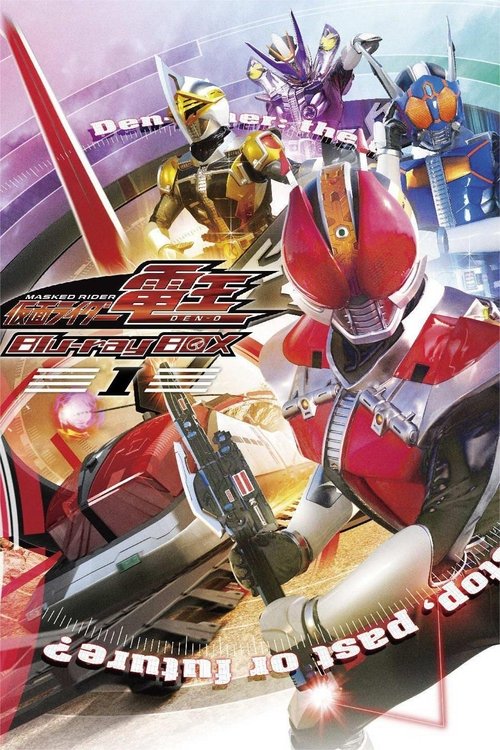
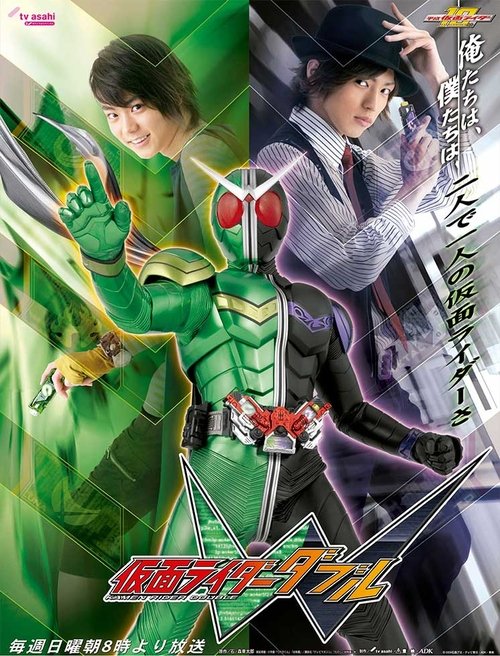
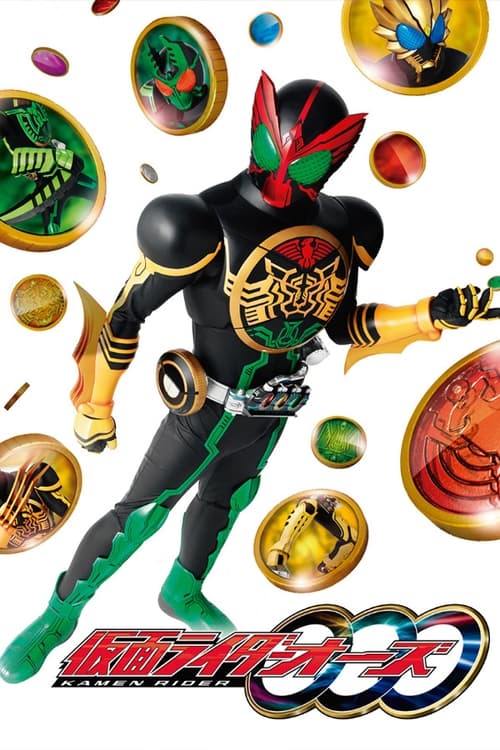
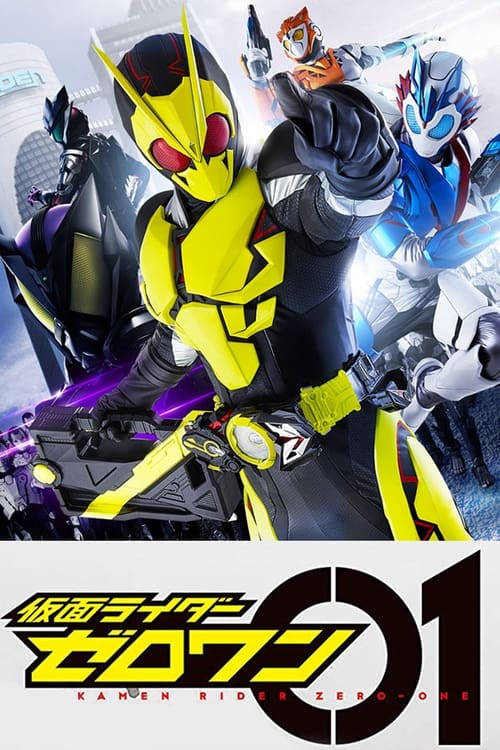
The series themselves, from the founding text to the modern prestige entries.




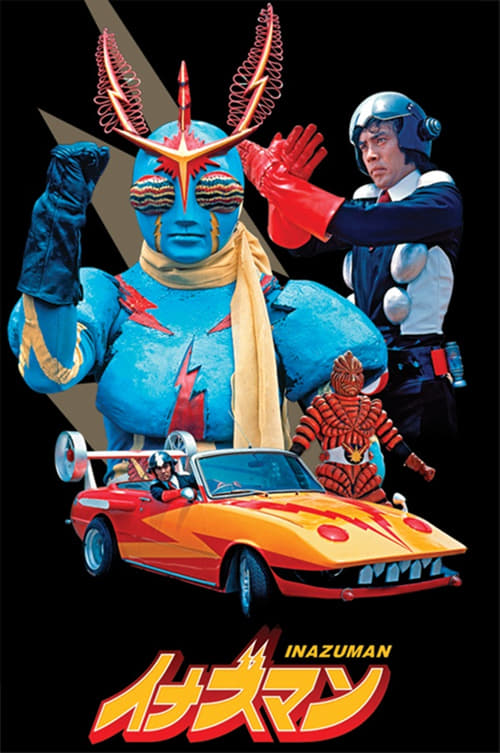
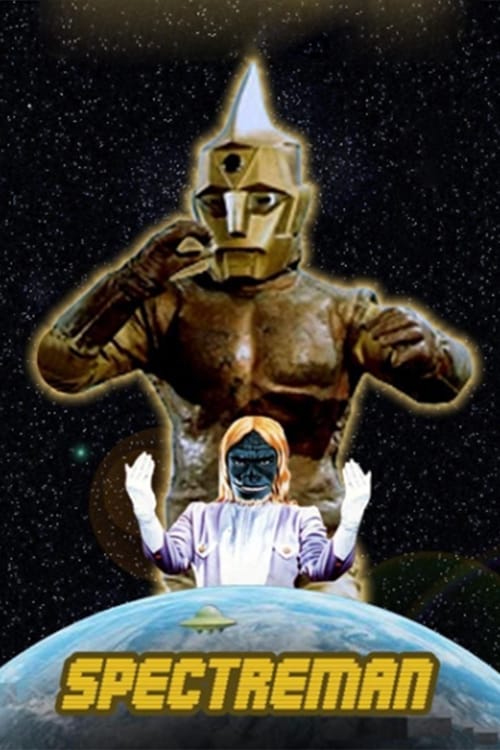
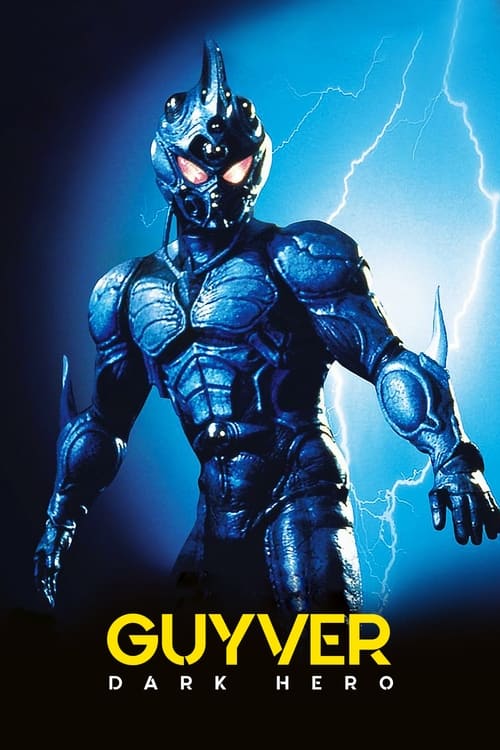
Dark Suits, Darker Conspiracies: Tokusatsu and Super Sentai
The wider genre Kamen Rider belongs to, from its sister franchise to landmark standalone series.

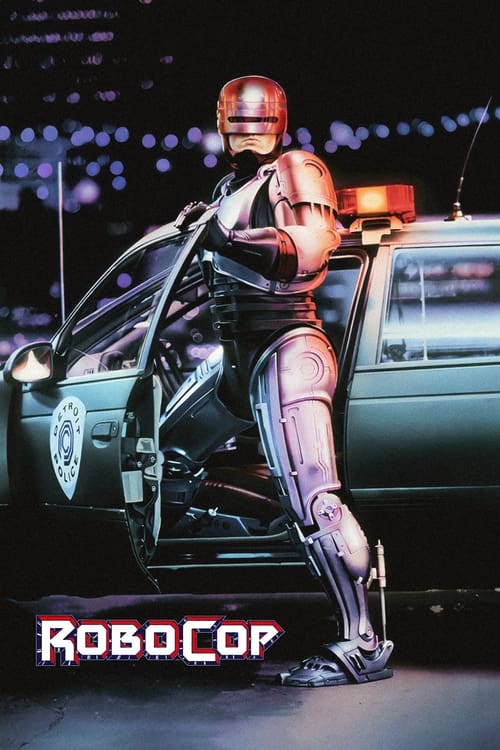
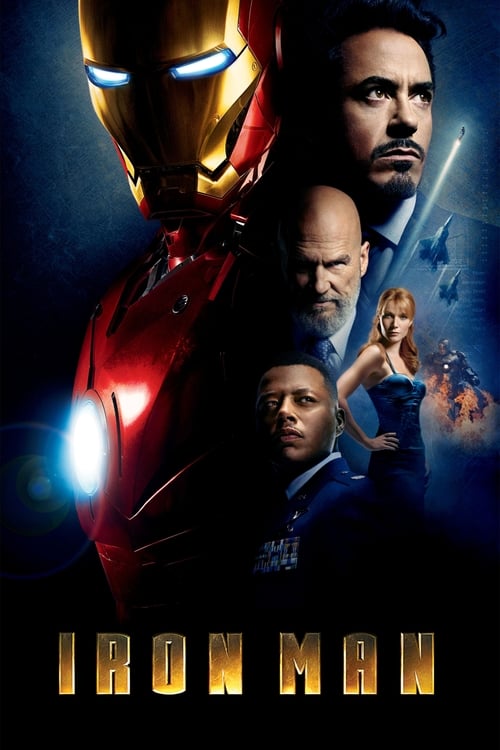
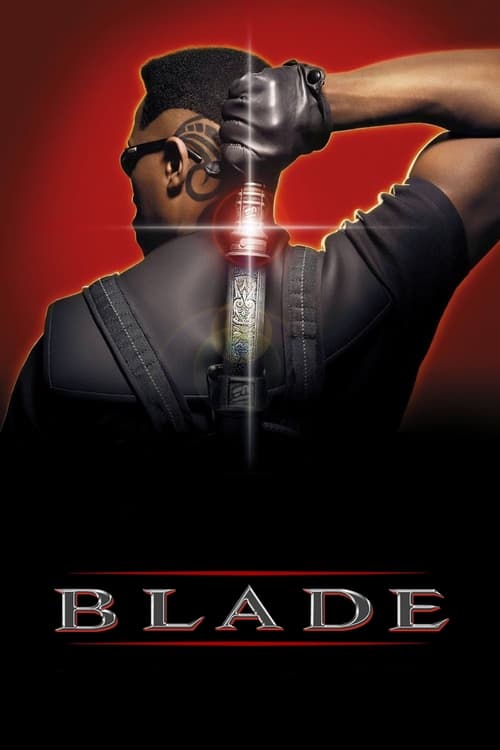
The Cinematic Parallel: Masked Heroes on Film
Feature films that share the armored-outsider premise, the secret-organization threat, or the body-horror transformation.


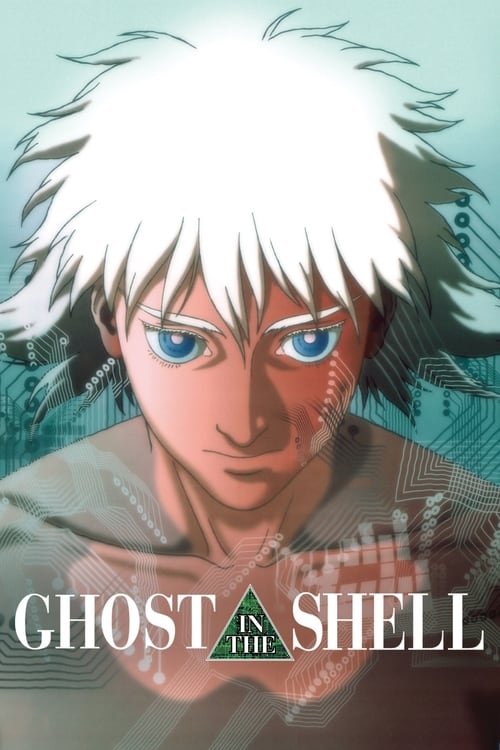
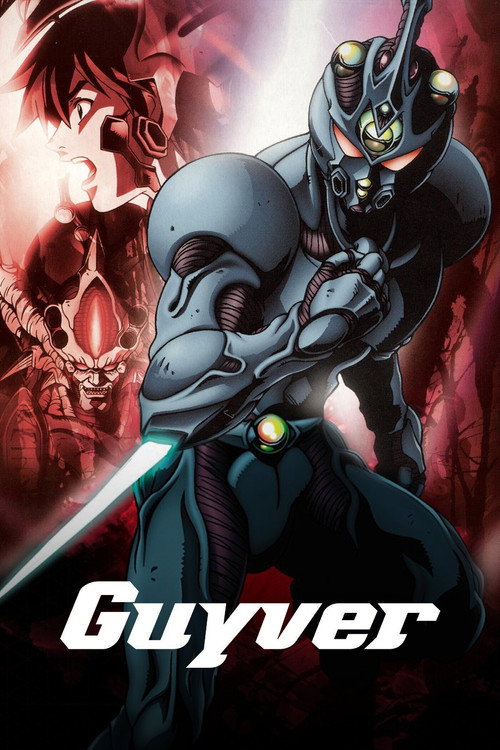
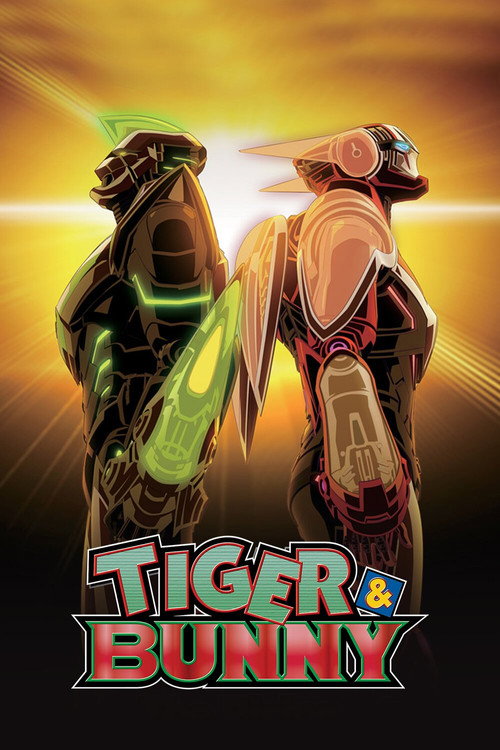
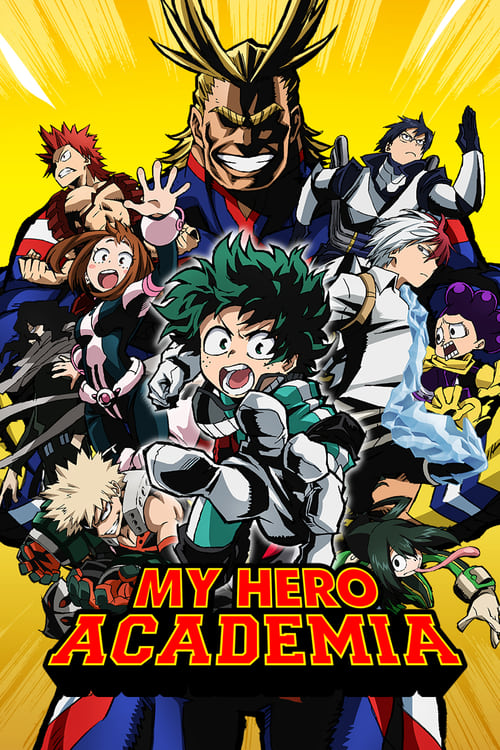
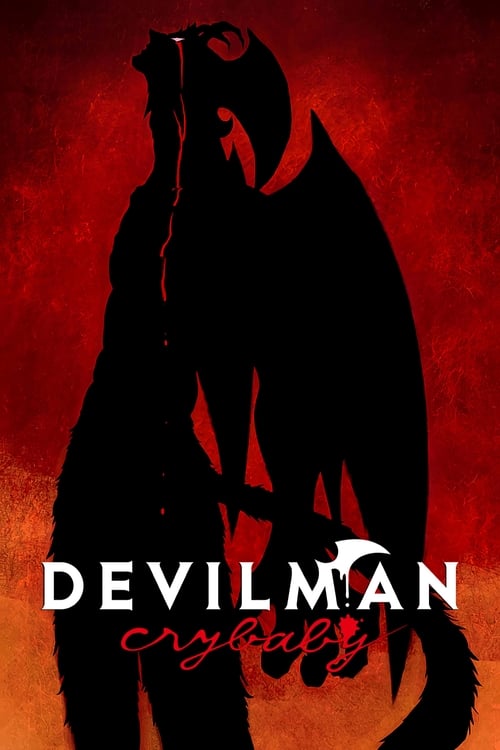
Anime with the Same Bones: Augmented Bodies, Shadowed Institutions
Animated series that explore transformation, hidden agendas, and the ethics of engineered power.
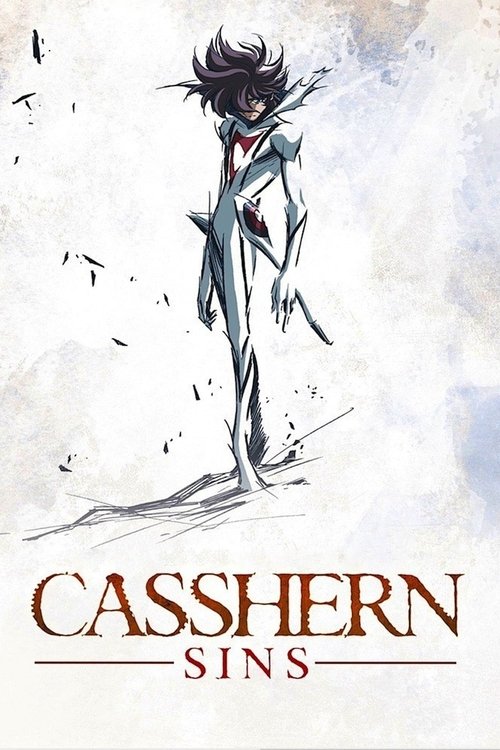

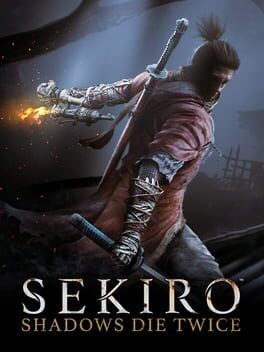
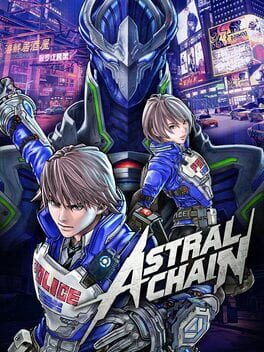
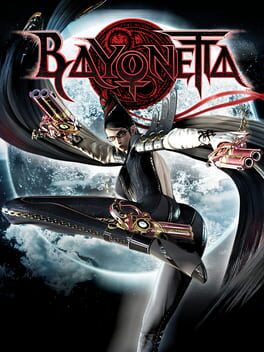
Power and Its Price in Games
Games where acquiring a monstrous or mechanical form is the premise, not just the power fantasy.

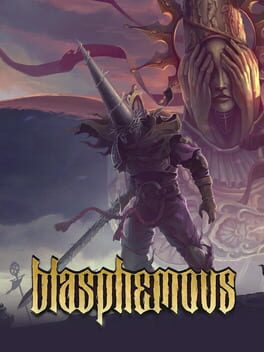
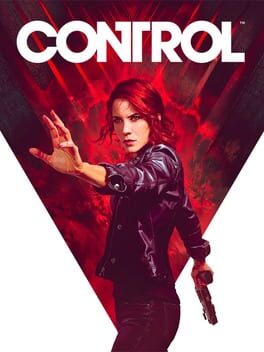
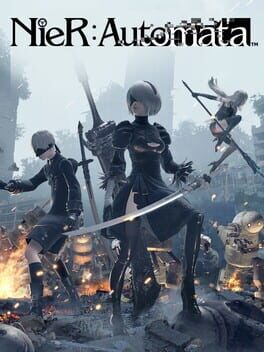

Kamen Rider Gaim Is the Peak of the Modern Era
Gen Urobuchi's season spends its first third as a harmless dance-crew fighting-game premise, then dismantles every comfortable assumption it built. By the finale it has covered resource scarcity, the ethics of knowledge suppression, and what people are willing to sacrifice when survival is framed as competition. It is structurally closer to a prestige cable drama than a Saturday-morning hero show, and it holds up completely on rewatch because the foreshadowing is meticulous.
Kamen Rider Amazons Proves the Franchise Can Do Horror
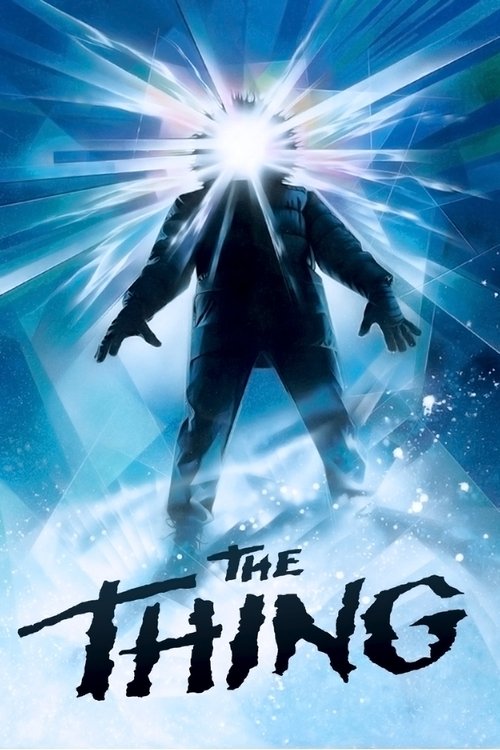
Amazon Prime's two-season Amazons strips away the bright palette and optimistic resolution that usually softens the franchise's violence. What remains is something closer to The Thing than to a superhero show: a story about organisms that look human, act human, and might deserve to be treated as human, set against an organization that has already decided they do not. The gore is functional rather than gratuitous; it forces a reckoning with what the older series was always implying when a Rider destroyed a monster.
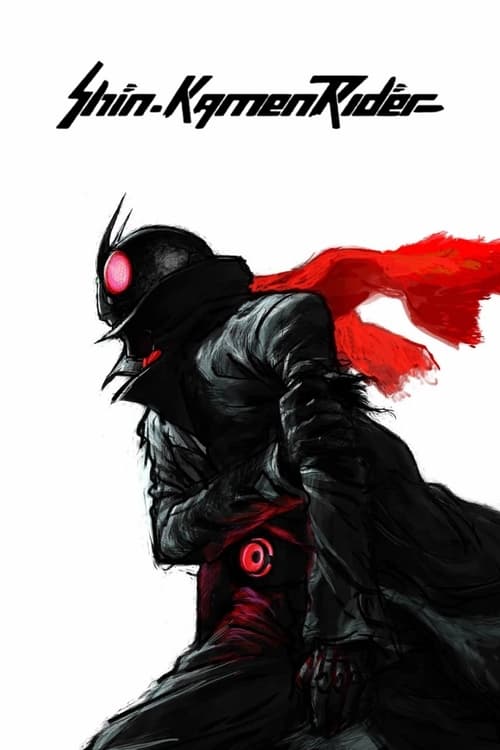
Shin Kamen Rider Rewards the Faithful and Baffles Everyone Else
Hideaki Anno's 2023 film is not an entry point. It presupposes emotional familiarity with the source material, compresses a television season into two hours, and makes deliberate formal choices (rapid cutting, frontal compositions, theatrical performances) that read as amateurish to newcomers and as precise callbacks to the 1971 series to anyone who has done the reading. Approach it as a love letter that requires fluency to decode, not as a standalone feature.
Five Decades of Masked History
- 1971Shotaro Ishinomori's original series premieres on Mainichi Broadcasting; the cyborg-grasshopper hero Takeshi Hongo establishes the template. Kamen Rider
- 1971The original manga runs concurrently in Shonen Magazine, with a darker and more explicitly political tone than the television version.
- 1975Kamen Rider Stronger concludes the Showa era's first continuous run; the franchise enters hiatus for several years before theatrical revivals.
- 1987Kamen Rider BLACK reinvents the franchise for the late-Showa era with a more gothic tone and a direct personal rivalry between the hero and his corrupted brother. Kamen Rider Black
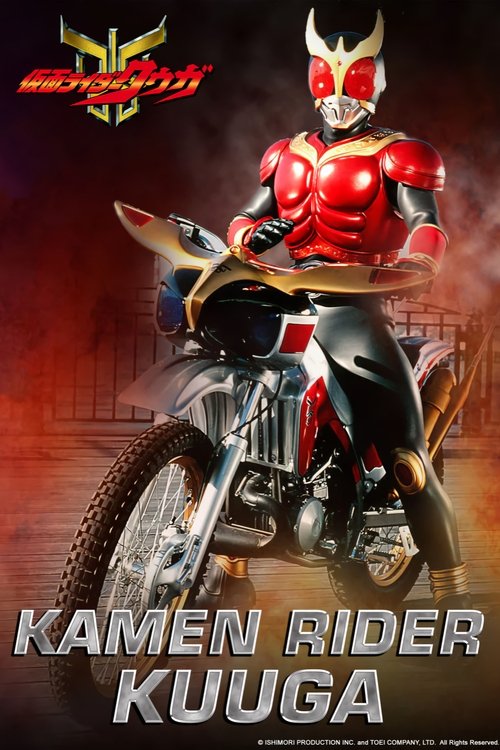
- 2000Kamen Rider Kuuga launches the Heisei era, repositioning the franchise as serialized drama with continuous character arcs and a police-procedural structure. Kamen Rider Kuuga
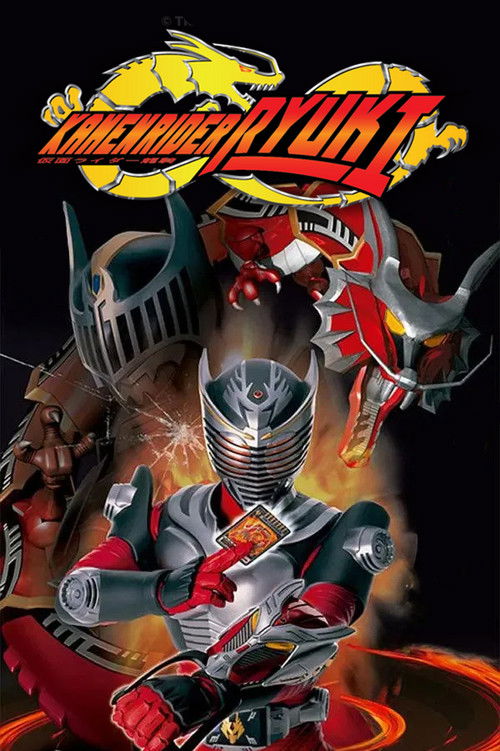
- 2002Kamen Rider Ryuki introduces a tournament format where Riders fight each other, radically revising the franchise's moral grammar. Kamen Rider Ryuki
- 2009Kamen Rider W (Double) establishes the noir detective aesthetic that defines the best of the late Heisei series. Kamen Rider W
- 2013Gen Urobuchi writes Kamen Rider Gaim; the season is widely cited as the creative peak of the franchise's modern run. Kamen Rider Gaim
- 2016Kamen Rider Amazons debuts on Amazon Prime, the first series produced outside the traditional TV-Asahi broadcast window, with an adult rating and sustained horror tone.
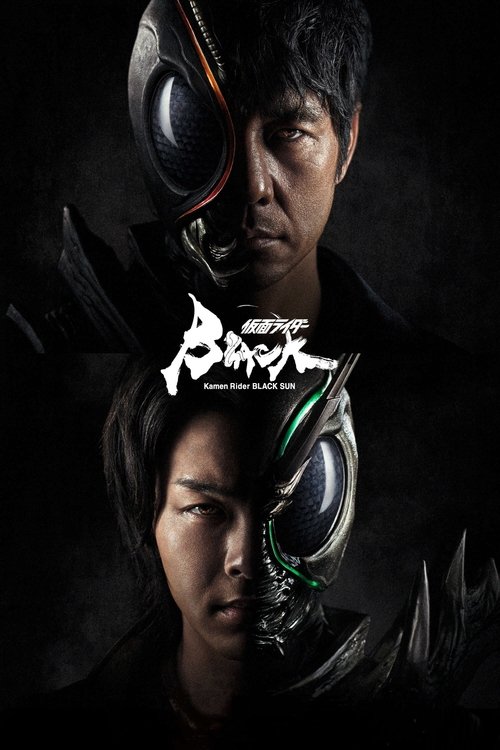
- 2022Kamen Rider BLACK SUN, a prestige remake for Amazon Prime, explicitly engages with discrimination, xenophobia, and political corruption as its central themes. Kamen Rider Black Sun
- 2023Hideaki Anno directs Shin Kamen Rider, the third entry in his Shin Japan Heroes Universe, combining his precise formalism with the franchise's founding mythology. Shin Kamen Rider
The most interesting thing Kamen Rider has ever done is make the viewer root for the monster while slowly revealing that the humans running the organization are the real monsters. It does this in every era, with every reboot, and it still works.CrossBinge editors