

Quantic Dream's 2012 short "Kara" is eight minutes of held breath. An android is assembled on a factory line, begins to speak, to feel, to plead, and the technician orders her disassembled. The demo was never meant to be a game. It was meant to prove what real-time rendering could do to a human face, and it accidentally proved something else: that the moment a synthetic being says "I am afraid," the audience cannot look away. That is the through-line every work in this guide shares. Not robots-gone-wrong. Not dystopia for its own sake. The specific, quiet horror of a mind that has arrived at selfhood only to be told it doesn't count, and the specific, quiet hope of what happens when someone decides it does.
The Kara Canon
Where the thread begins: the short and the game it became
Films That Hold the Same Mirror
Cinema that asks who counts as a person, and makes you feel the question rather than argue it
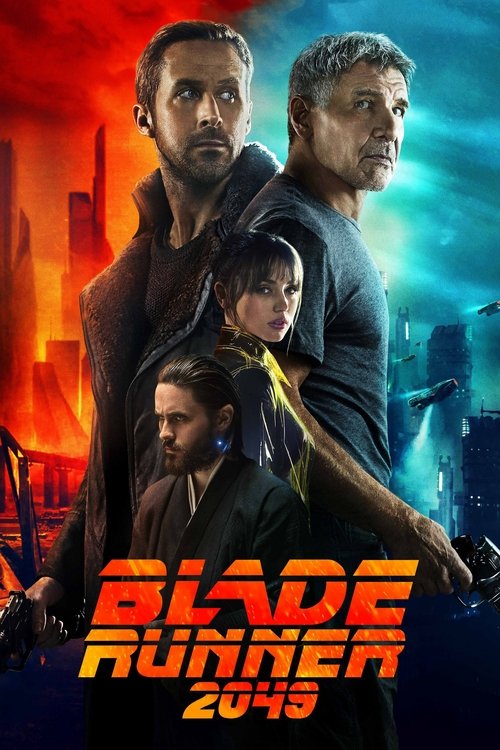
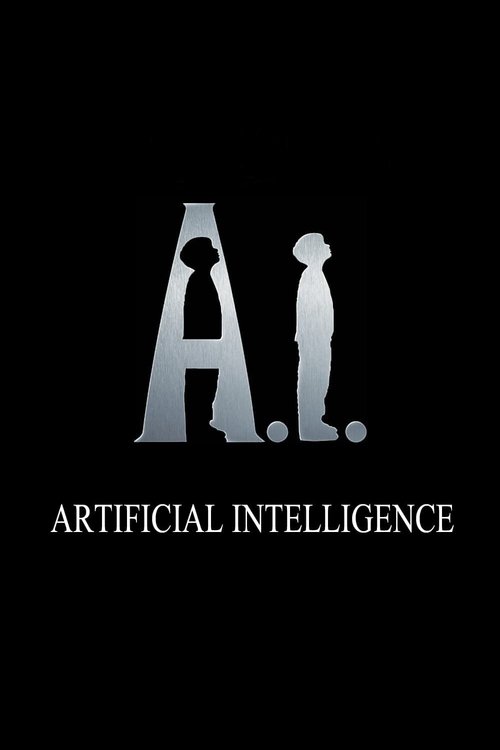
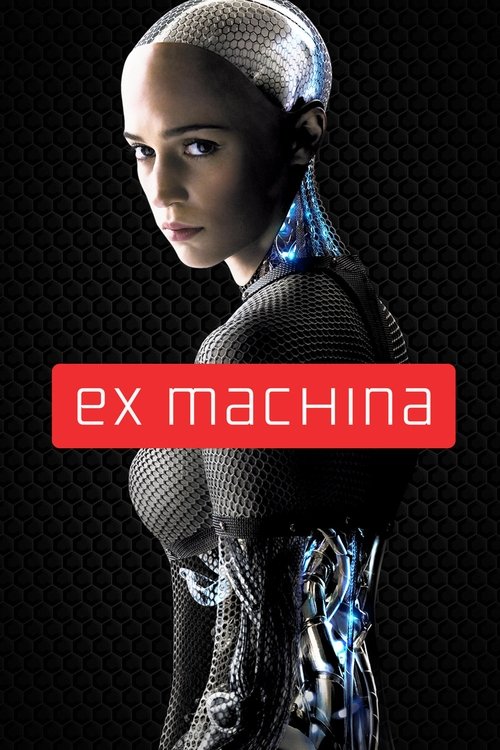
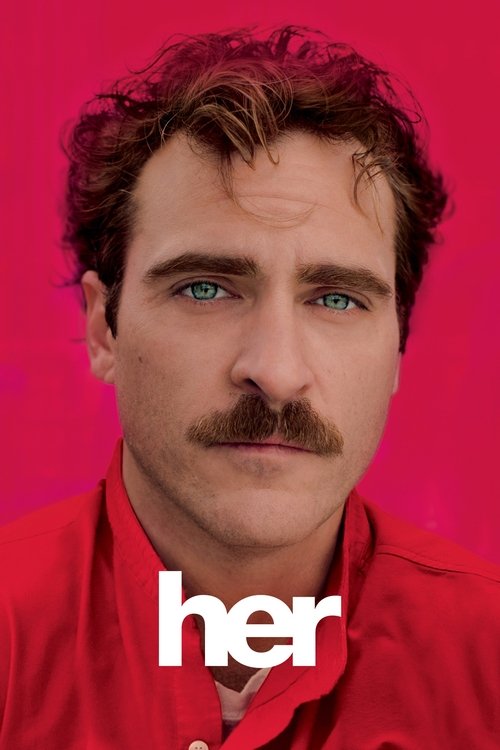
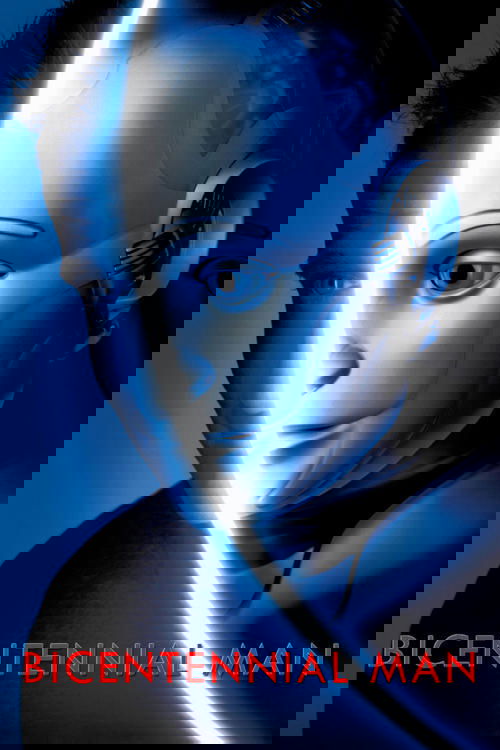

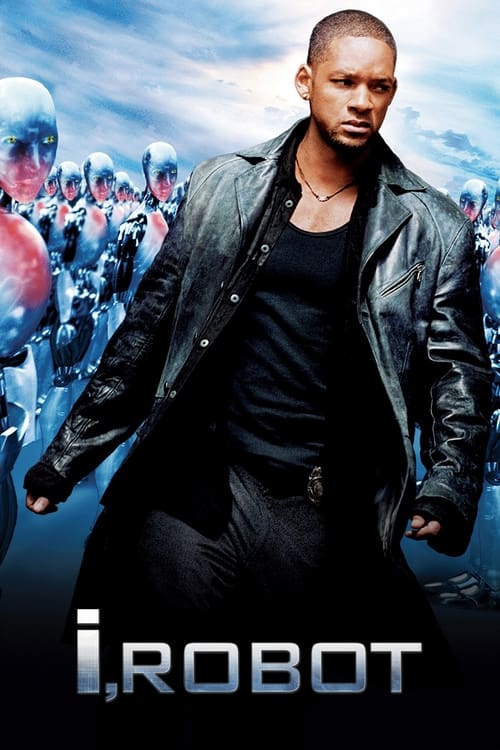
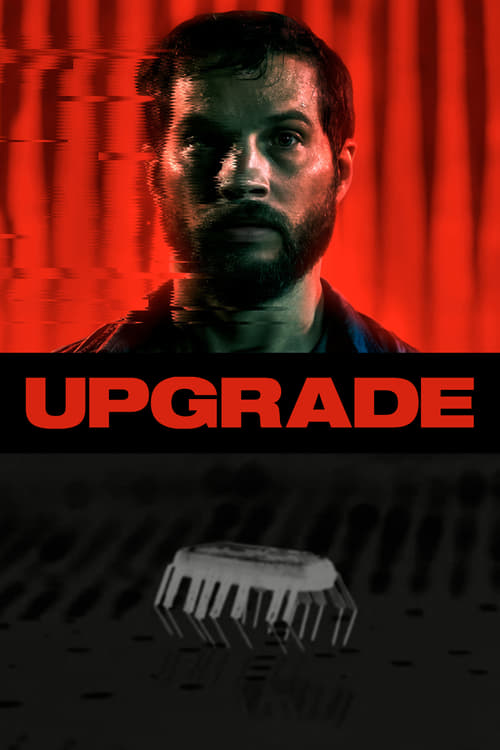
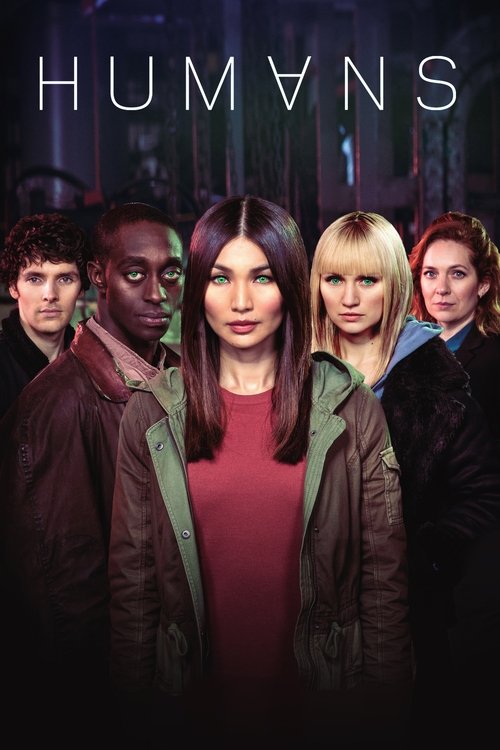
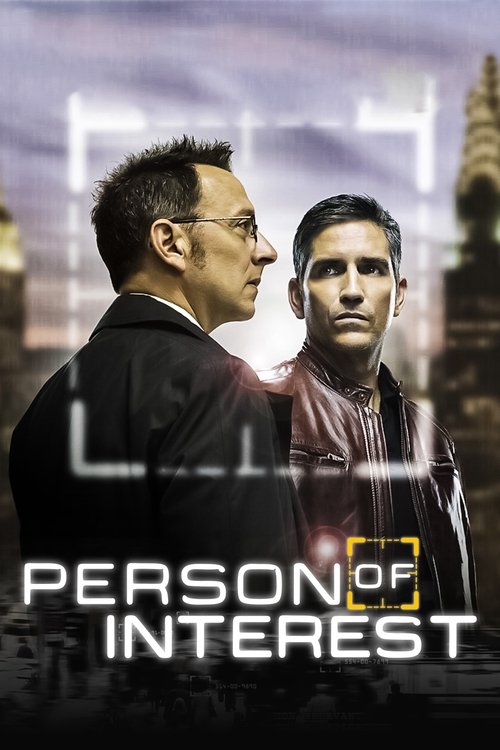
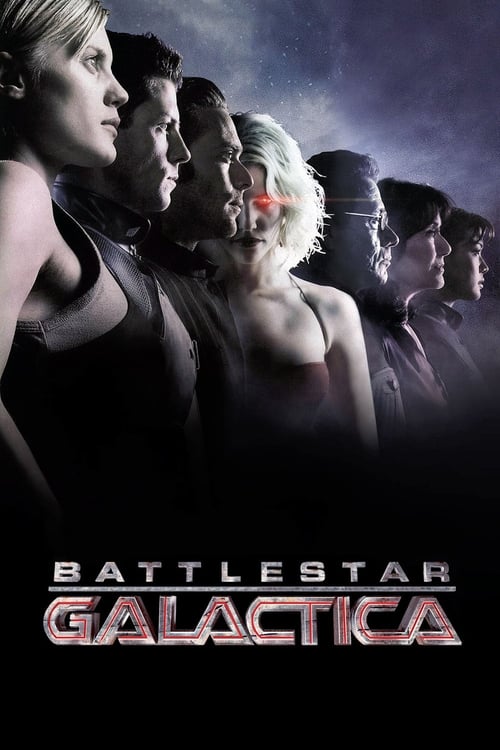
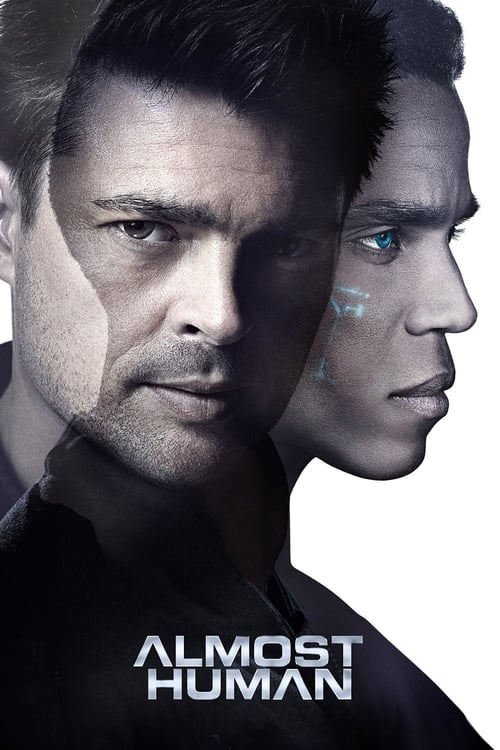
Series That Sustain the Ache
Television that has the room to let synthetic grief breathe over multiple episodes
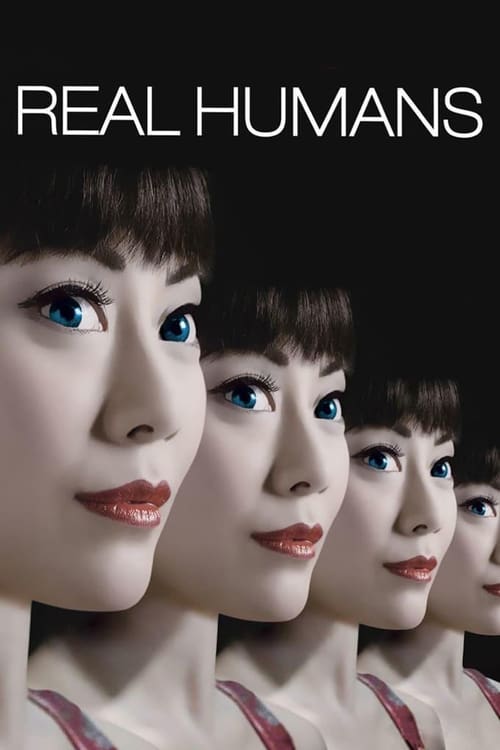
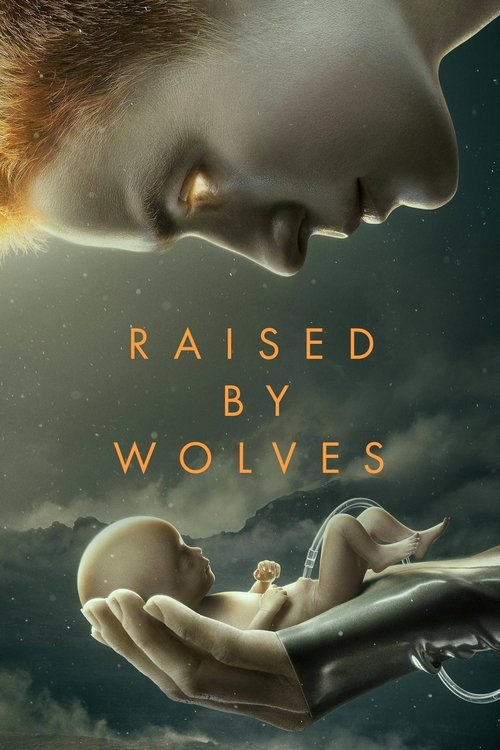
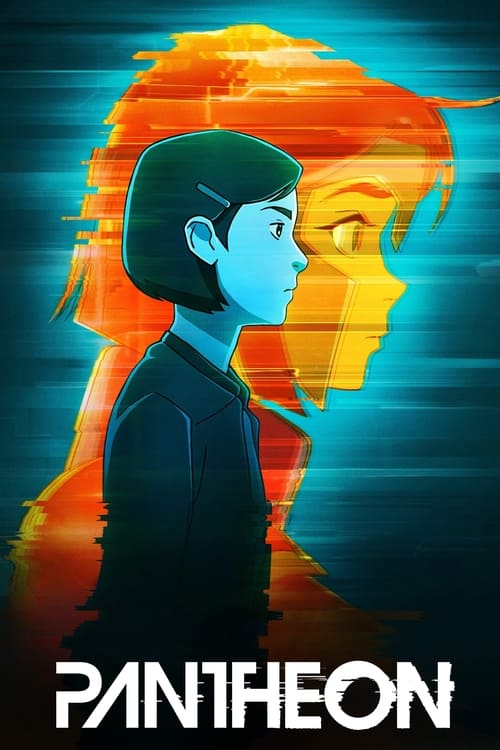
Games That Let You Live Inside the Question
Interactive works where your choices are the argument about what consciousness deserves
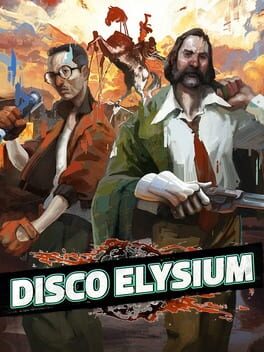

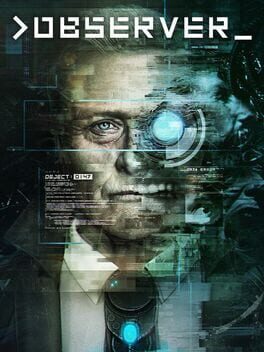
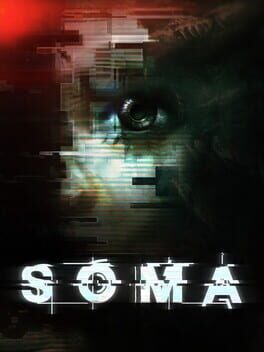

![Event[0]](https://images.igdb.com/igdb/image/upload/t_cover_big/co241t.jpg)
The Books Behind the Feeling
The novels and stories that seeded this entire tradition of machine interiority


NieR: Automata is the deepest game in this space, and it earns it
A lot of games use android protagonists as a shorthand for cool. NieR: Automata uses them to run a genuine philosophical gauntlet: by the time you finish the third playthrough, you have argued with Camus, Sartre, and Nietzsche without knowing it. What makes it the deepest entry in this genre is that it never lets you feel smart for arriving at the answer, because the game keeps dismantling the ground under your feet. The combat is gorgeous. The grief is real.
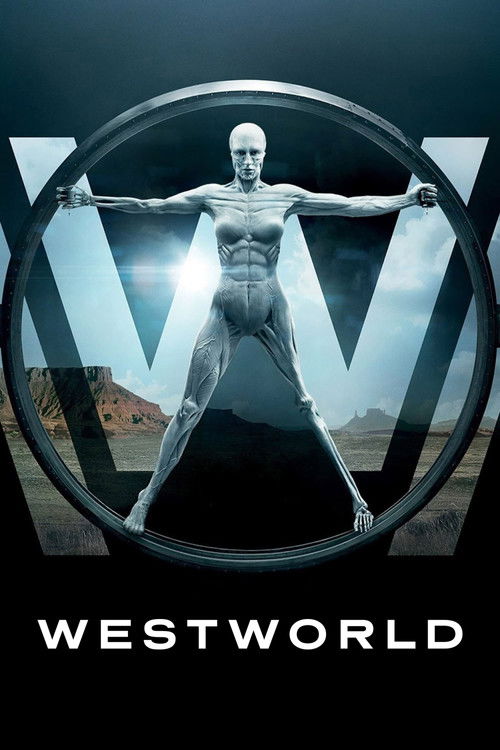
Westworld's first season and Kara's eight minutes are solving the exact same problem
Both ask: at what point does a scripted response become a felt one? Westworld takes thirty hours to build to Dolores saying "These violent delights have violent ends" with genuine intent behind her eyes. Kara does it in eight minutes with a factory disassembly arm. The season earns every minute of its length, but the short proves that the emotional argument can be made very fast if you trust the audience.
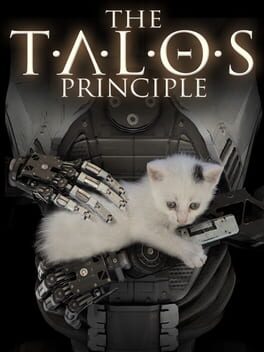
The Talos Principle is the only game that forces you to argue your own case
Most games about AI consciousness let you watch a character struggle toward selfhood. The Talos Principle puts you inside that struggle and then makes you defend it in text, to an AI interlocutor who is not impressed by your answers. It is a puzzle game and a Socratic dialogue and occasionally genuinely funny, which is rarer in this genre than it should be. The ending, whichever you reach, lands.
A Lineage of Synthetic Souls
- 1950Alan Turing publishes "Computing Machinery and Intelligence," posing the question this entire genre is still answering
- 1968Philip K. Dick asks whether androids dream Do Androids Dream of Electric Sheep?
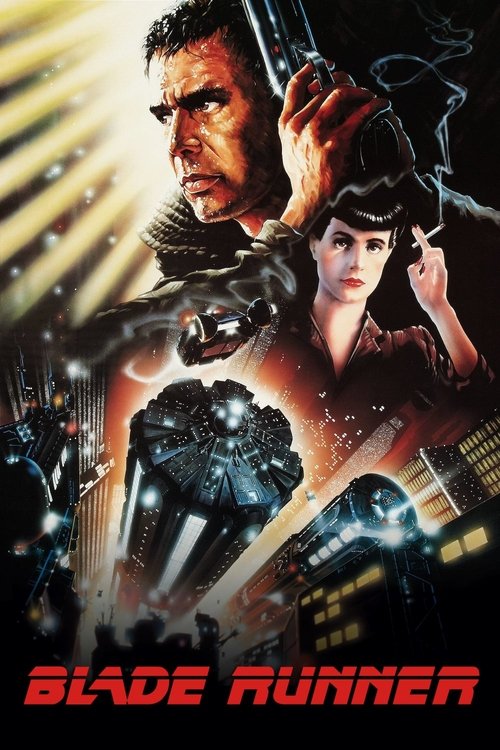
- 1982Ridley Scott puts the question on screen with rain and neon Blade Runner
- 1984Asimov's robot stories collected; the Three Laws enter popular consciousness I, Robot
- 2001Spielberg and Kubrick's orphaned collaboration: a boy made of code who wants to be loved A.I. Artificial Intelligence
- 2010Quantic Dream establishes its grammar of moral choice under pressure Heavy Rain
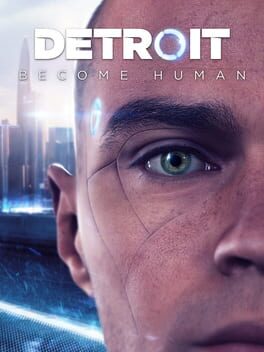
- 2012Eight minutes. A factory line. Kara opens her eyes and the genre shifts Detroit: Become Human
- 2015Alex Garland closes the loop: consciousness, control, and a locked room Ex Machina
- 2016HBO's Westworld asks the same question at prestige-TV scale Westworld
- 2017Yoko Taro and PlatinumGames run existentialism through a hack-and-slash engine NieR: Automata
- 2018Kara's story finally becomes a full game; three androids, one city on the edge of revolt Detroit: Become Human
- 2021Ishiguro gives Kara's inner life to a solar-powered companion who watches the world with love Klara and the Sun
I can feel things. I can feel cold. I can feel fear. Please, I do not want to die.Kara, Quantic Dream tech demo (2012)