
Kind of Blue arrived in the spring of 1959 and quietly ended an argument about what jazz could be. Miles Davis, Bill Evans, John Coltrane, Cannonball Adderley, Paul Chambers, and Jimmy Cobb walked into 30th Street Studio and recorded six pieces built not on chord changes but on modes, scales that gave the soloists space to find their own language rather than race around a harmonic obstacle course. The result was music that felt simultaneously relaxed and searching, spacious and precise, melancholic and lucid. What a fan of Kind of Blue chases across media is that specific combination: restraint that opens up into something vast, a cool exterior that hides real emotional depth, the feeling of a late night conversation where what's left unsaid matters as much as what's spoken.
The Miles Davis Essential
Where to go after Kind of Blue, across the full arc of his career
Same Air, Different Hands
Albums that share Kind of Blue's modal space, emotional temperature, and restrained beauty
We didn't talk about what we were going to play. I just told them what not to play.Miles Davis on the Kind of Blue sessions
On Film: Jazz, Smoke, and the Spaces Between
Documentaries and concert films that put you in the room with the music
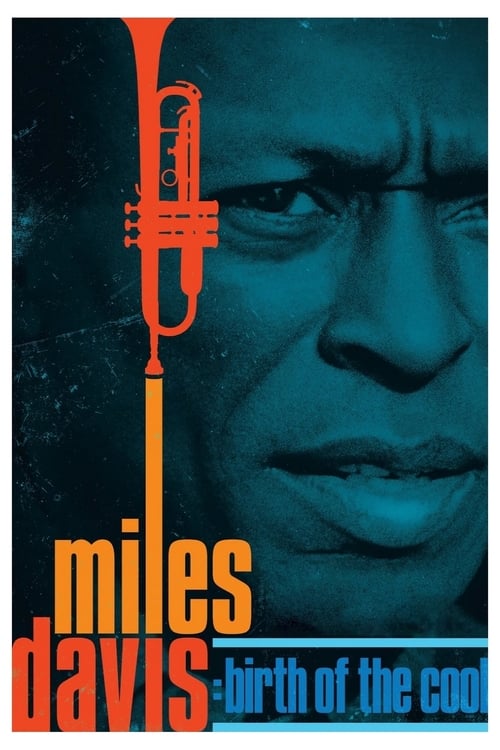
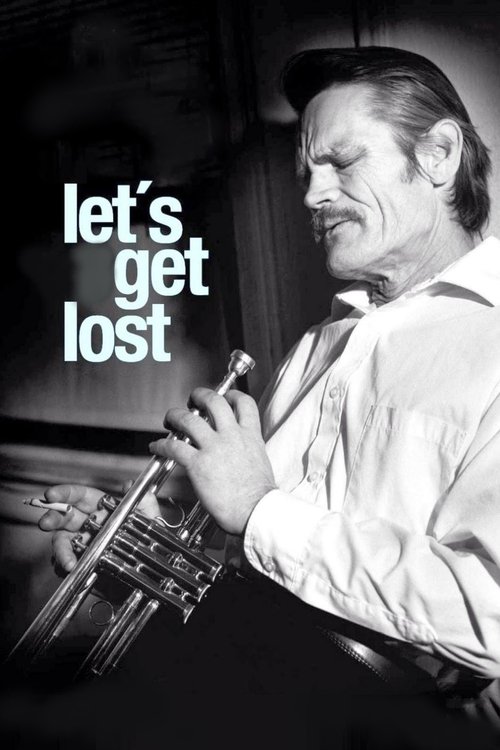
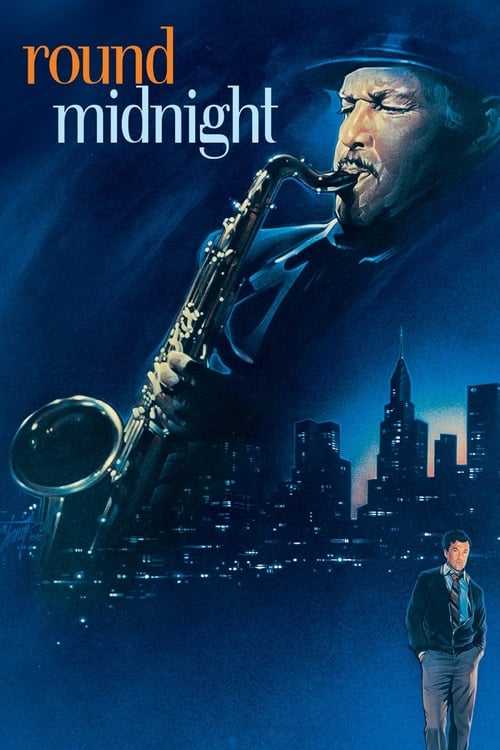
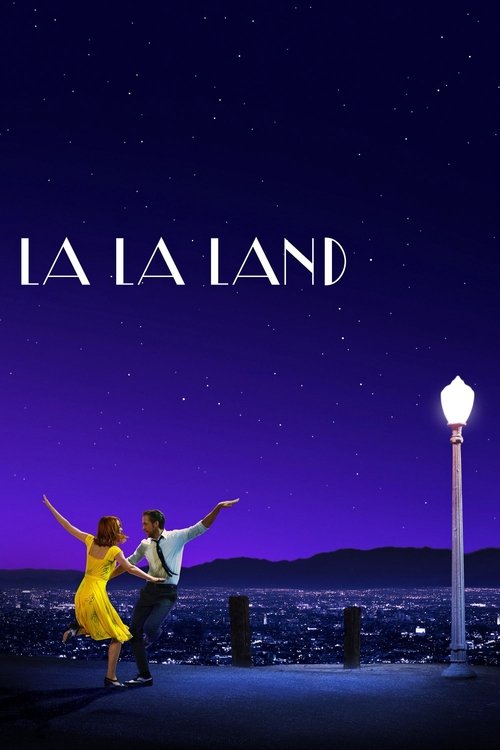
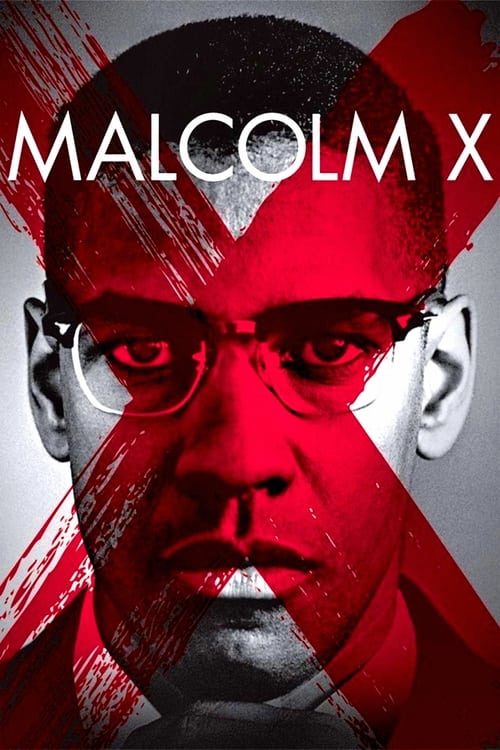
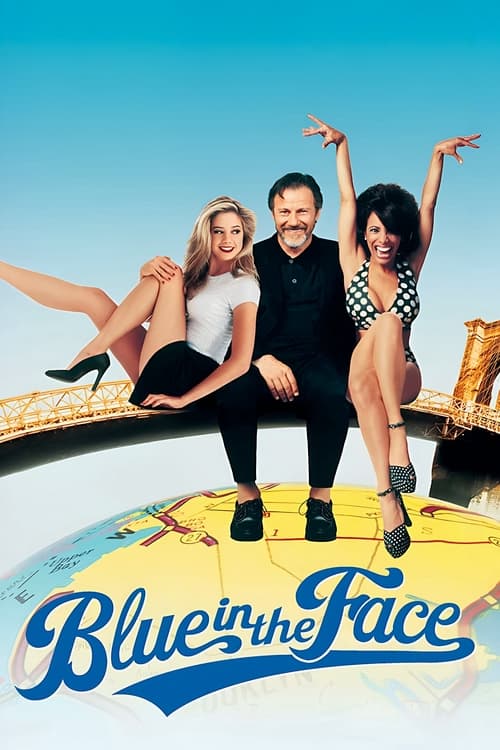
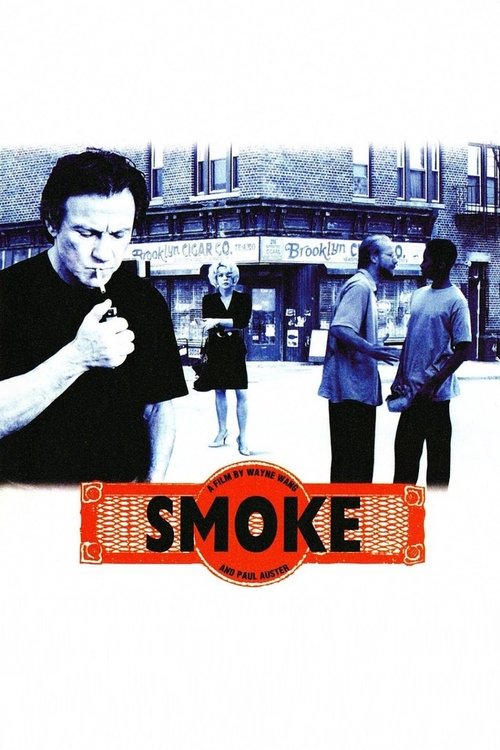
Cinema With the Same Temperature
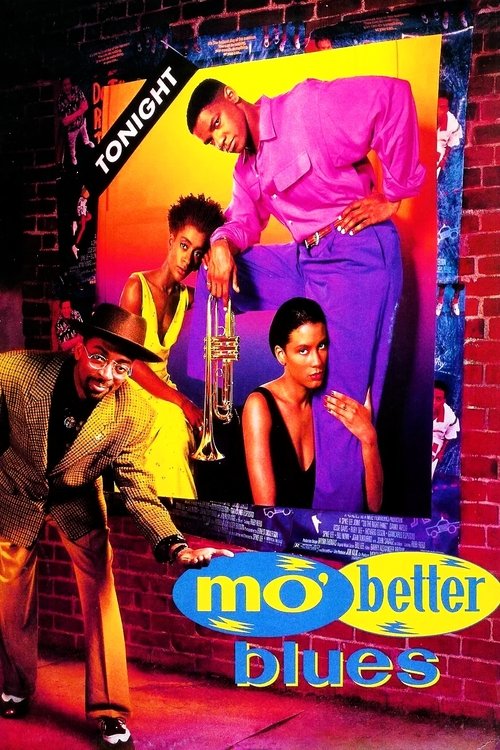
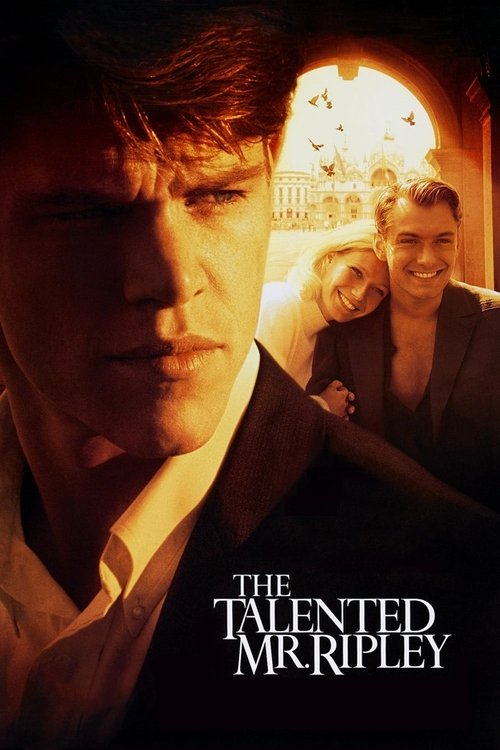
Films and series whose mood, palette, or late-night cool rhymes with the album's feeling



Books That Breathe at the Same Tempo
Novels and nonfiction that share the introspection, night-world atmosphere, and studied cool of modal jazz


Modal Jazz Is the Opposite of Anxiety
Bebop treated harmonic complexity as a form of status: the faster you moved through the changes, the more you proved yourself. Kind of Blue proposed a different value system. Modes gave players room to breathe, to listen, to respond. The album's strange commercial success (it has never gone out of print, and may be the best-selling jazz record ever made) suggests that millions of people, knowingly or not, were hungry for exactly that: music that didn't demand anything of them, that opened up instead of accelerating. That restfulness is not passivity. It is a deliberate and difficult artistic choice.
A Short History of Cool: The Miles Davis Arc
- 1949Miles leads the Birth of the Cool sessions in New York, pioneering a softer, more arranged alternative to bebop Birth of the Cool
- 1955First great quintet forms with Coltrane, Philly Joe Jones, Red Garland, Paul Chambers
- 1958Miles begins working with arranger Gil Evans on Porgy and Bess, deepening his interest in tone color over chord velocity Porgy and Bess
- 1959Kind of Blue recorded in two sessions at Columbia's 30th Street Studio, New York Kind of Blue
- 1960Sketches of Spain released; Gil Evans orchestrations and Rodrigo's Concierto de Aranjuez push the modal approach toward classical Spain Sketches of Spain
- 1964Second great quintet with Herbie Hancock, Ron Carter, Tony Williams, Wayne Shorter begins its revolutionary run E.S.P.
- 1969In a Silent Way marks the pivot toward electric jazz In a Silent Way
- 1970Bitches Brew sells 400,000 copies in its first year, introducing jazz to rock audiences Bitches Brew
- 1991Miles Davis dies in Santa Monica, September 28
- 2019Kind of Blue marks its 60th anniversary; the Library of Congress adds it to the National Recording Registry
The Album That Taught Cinema How to Score Silence
Filmmakers from Louis Malle (Elevator to the Gallows, scored live by Davis in 1957) to Sofia Coppola have used Davis's sound as shorthand for a particular urban introspection. But the influence runs deeper than soundtrack licensing. The Kind of Blue approach, using sparse melody over open harmonic space, taught film composers that silence and low texture can carry more emotional weight than a swelling string section. Ennio Morricone heard it. So did Jonny Greenwood. The album's logic is present in any score that trusts the audience to lean in rather than be pushed.

Coltrane Left, and the Music Was Still Perfect
John Coltrane recorded Kind of Blue in 1959 and departed Miles's band the same year to pursue A Love Supreme and his own spiritual investigations. His solos on 'So What' are measured, almost polite, compared to what he'd record within five years. Hearing those solos now, knowing what came after, is a minor miracle: Coltrane in transition, briefly quieted by the demands of someone else's conception, and the album is better for it. The tension between his searching nature and Miles's cool instruction is audible in every note he plays.