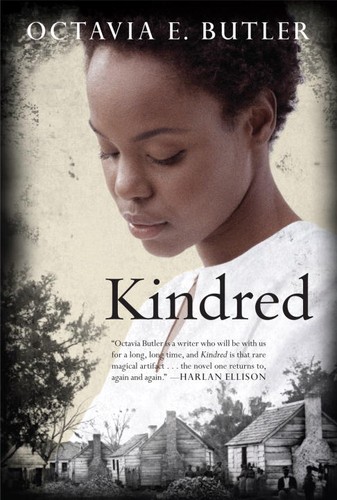

What a Kindred fan loves is not the mechanics of the time travel — Butler never explains them, and that's the point. The pull is the feeling of being trapped inside a system that preceded you and will outlast you, of surviving it through intelligence and compromise and cost. Dana Franklin crosses 150 years of American history with her body as the site of that history's violence, and what makes the novel unbearable in the best sense is that she cannot fight her way out. She can only endure, adapt, and pay.
The through-line fans chase is speculative fiction deployed as moral pressure: not escapism but immersion in a reality the comfortable world prefers to keep at a safe historical distance. These are stories where the genre machinery — time loops, alternate histories, supernatural inheritances, haunted places — exists to make you feel something that realism keeps you from feeling. Butler found a mechanism to make the past physically present, and everything below follows that same logic.
Essential Octavia E. Butler
Her own catalog, ordered for a Kindred reader ready to go deeper.


Same Moral Gravity, Different Worlds
Speculative novels that use genre to make historical or systemic injustice physically felt.


The Past Made Present on Screen
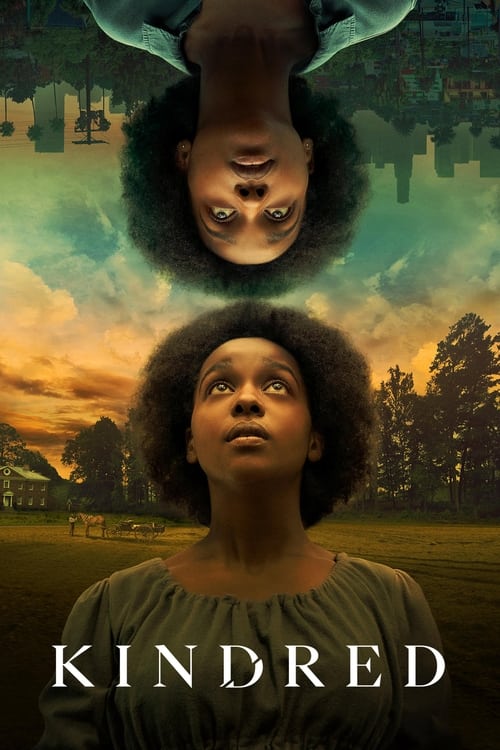
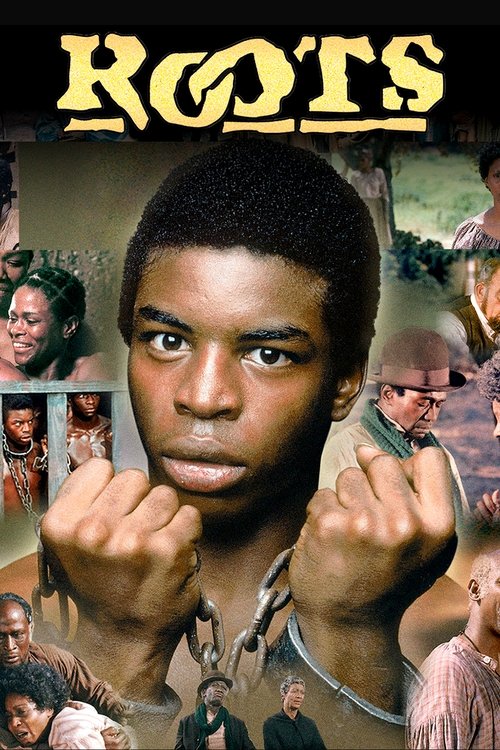
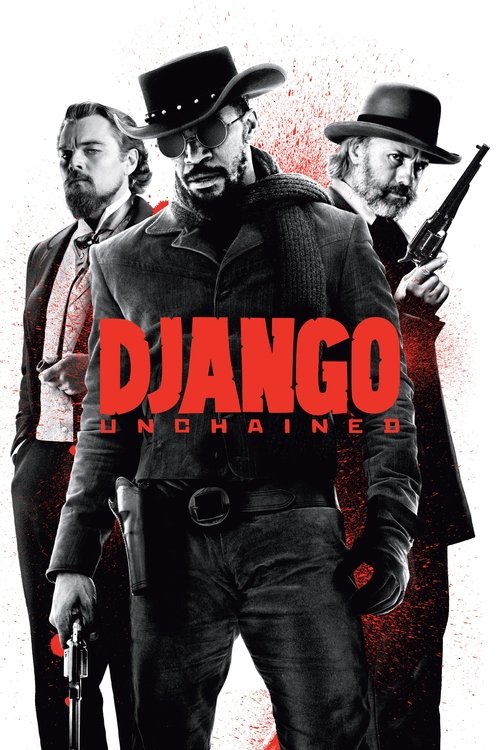
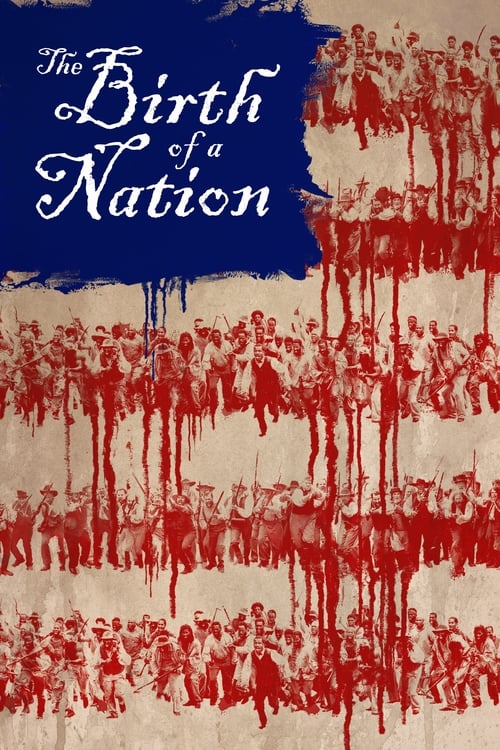
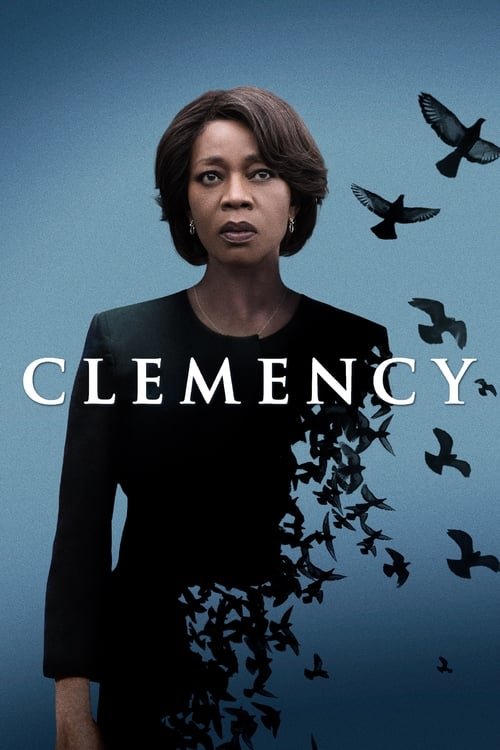
Films and the Kindred TV adaptation that put bodies inside history.


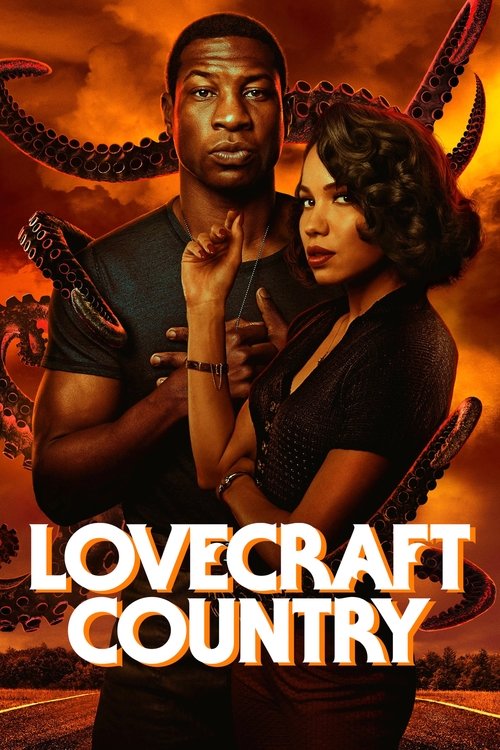
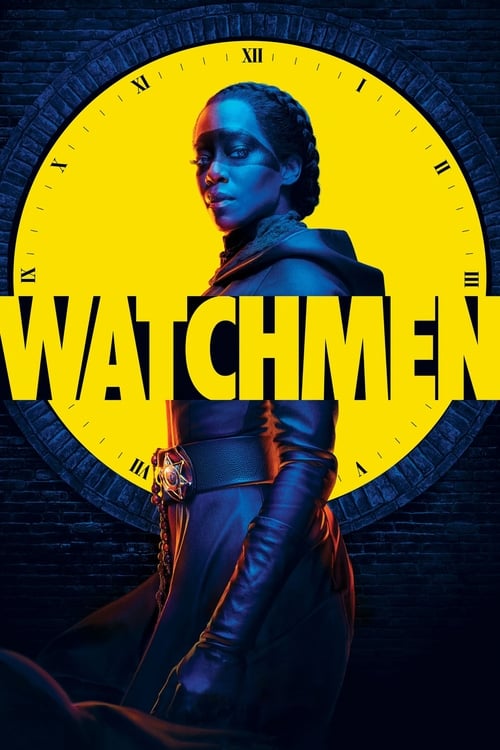
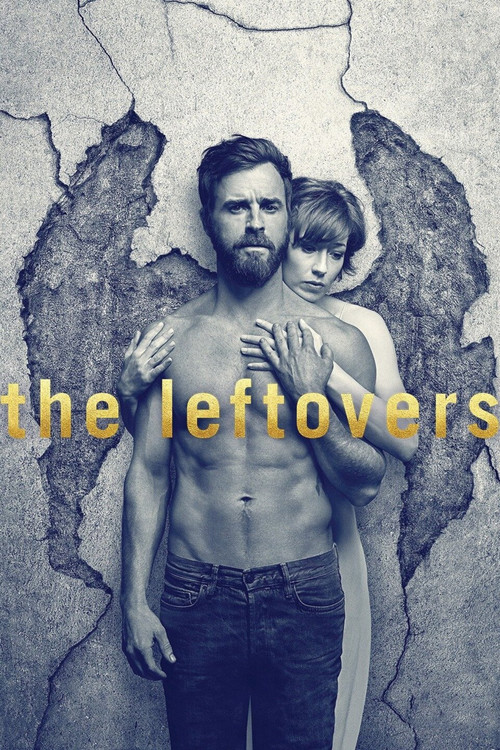
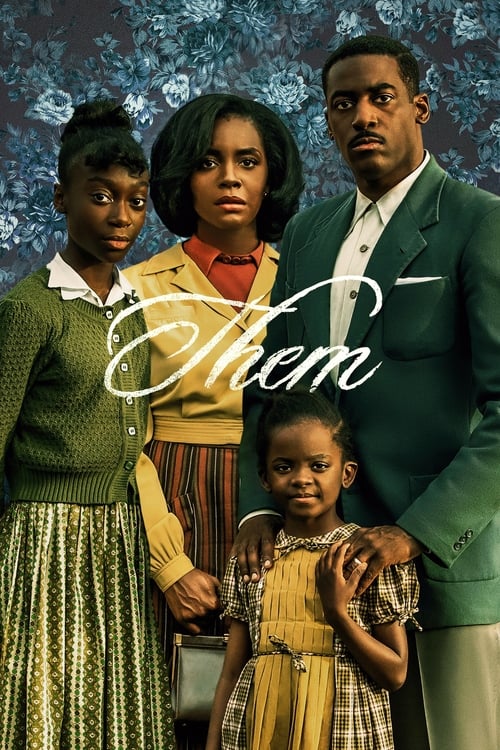
Genre Series with a Social Conscience
TV that wraps a real argument about power, race, or survival inside speculative or genre clothes.



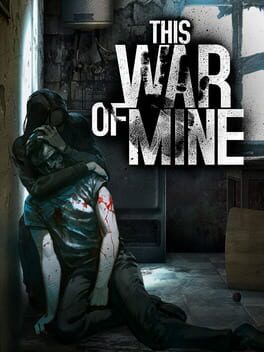
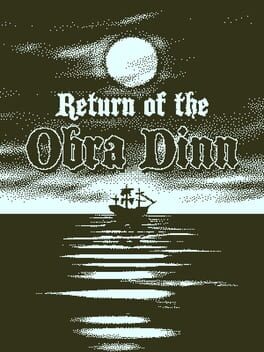
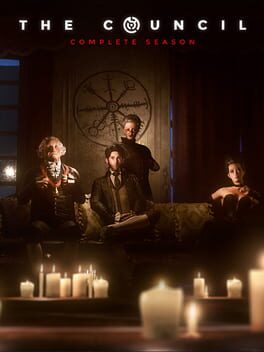
Games That Make You Complicit
Games where the moral weight of survival under a broken system is the actual subject.

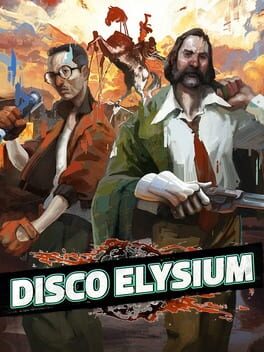
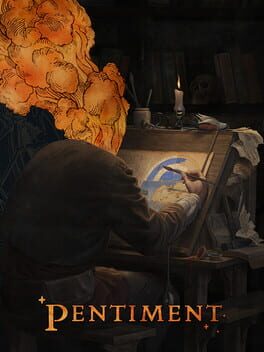
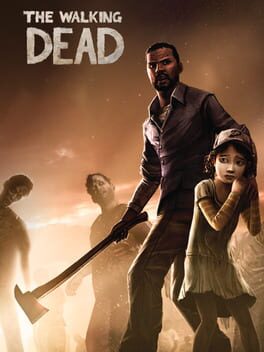
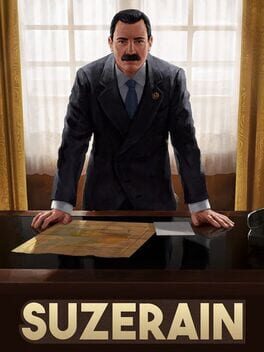

Music from the Wound
Albums and scores whose emotional grammar matches Kindred: grief held inside formal control, beauty that does not resolve.
The Time Travel Is Not the Genre
Butler never explains how Dana moves through time, and every reader who goes looking for the mechanism misses the book. Kindred uses the trappings of science fiction the way a surgeon uses a scalpel: precisely, to open something up. The travel is involuntary, triggered by the ancestor's terror, and it costs Dana pieces of herself each time. That is not a speculative conceit. That is an argument about historical inheritance and the psychic tax it levies on the living.

Survival Is Not Triumph
Butler refuses the Hollywood logic in which endurance is rewarded and cleverness wins. Dana survives, but the novel is explicit about the cost: her left arm, her marriage under new pressure, her relationship to her own past. The ending is not cathartic. This is what separates Kindred from comfort historical fiction, and it is precisely what the best works in this cluster share. The systems these characters navigate do not bend for them. The best they can do is come out the other side still knowing who they are.
The Body Is the Archive
What Kindred understands that most historical fiction does not is that history lives in bodies, not in dates. Dana's cuts and bruises accumulate. The whip marks on Rufus function as a ledger. Toni Morrison's Beloved does the same thing: Sethe's back is a flowering tree that only other people can see. This is the formal move that ties these works together across media. The body becomes the primary document.
Genre Is the Permission Slip
Literary fiction about slavery carries weight that can make readers keep it at arm's length, framing it as important rather than urgent. Speculative and genre framing changes that calculus. Lovecraft Country, Watchmen, The Underground Railroad (both versions): the genre clothes make readers lean in, and then the subject does its real work. Butler understood this from the beginning. Kindred gets inside readers who might have resisted a purely realist novel about the same material, and that is not a trick. It is craft.
Kindred and Its Afterlives
- 1979Octavia E. Butler publishes Kindred, her first stand-alone novel, which she called her one foray into fantasy. Kindred
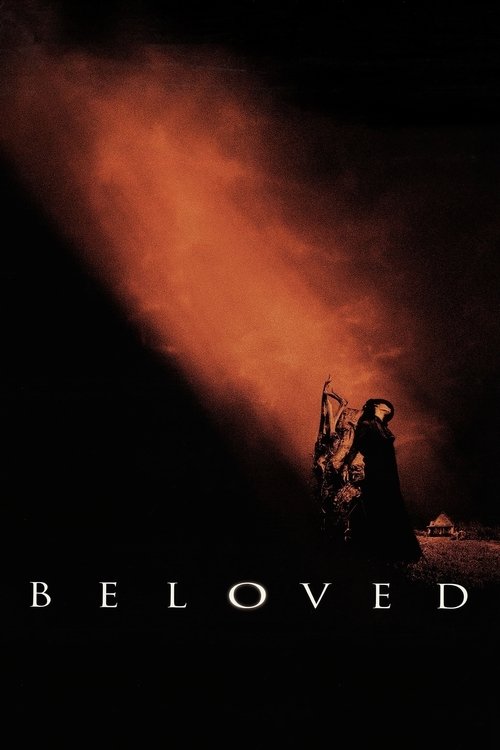
- 1987Beloved published; Morrison's haunted house novel becomes the other pole of the American slavery-and-memory tradition. Beloved
- 2003Butler wins the MacArthur Fellowship, bringing wide new readership to her full catalog.
- 2006Butler dies at 58. Kindred is already a staple of college syllabi across literature, African American studies, and SF courses.
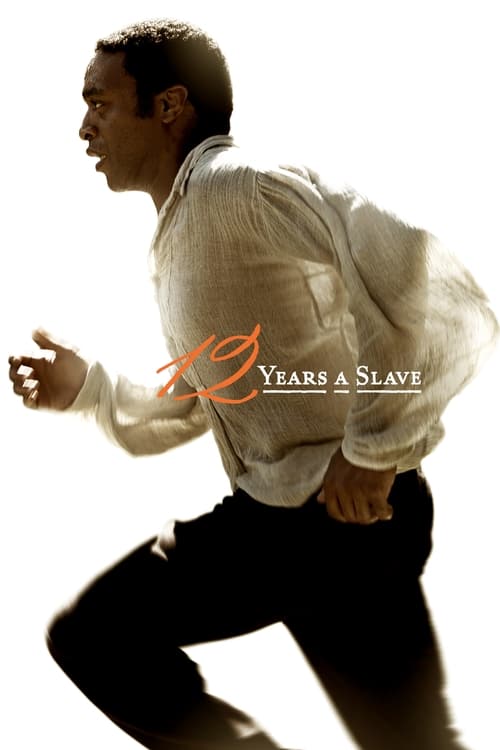
- 201312 Years a Slave brings the testimonial mode to mainstream cinema audiences. 12 Years a Slave
- 2016Colson Whitehead's The Underground Railroad wins the Pulitzer, signaling renewed literary appetite for speculative-historical fiction. The Underground Railroad
- 2017Hulu's The Handmaid's Tale premieres, confirming the cultural moment for speculative fiction about systemic oppression. The Handmaid's Tale
- 2019HBO's Watchmen uses alternate history and superhero genre to excavate the Tulsa massacre. Watchmen
- 2020Lovecraft Country (HBO) adapts Matt Ruff's novel, making Kindred's genre logic central to a prestige series. Lovecraft Country
- 2021Amazon's The Underground Railroad (Colson Whitehead / Barry Jenkins) brings the magic-realist railroad to screen.
- 2022FX on Hulu premieres a Kindred TV adaptation, bringing Butler's novel to a new generation. Kindred
I lost an arm on my last trip home. My left arm.Octavia E. Butler, Kindred (1979) — the novel's opening sentence, which tells you everything about what it will cost to go back.