

What readers chase in La casa de los espíritus (1982) is a very specific combination: the intimacy of a family saga spanning generations, magic woven into daily life without apology, and political catastrophe felt at the level of bodies and kitchens and bedrooms rather than headlines. Isabel Allende's novel follows the Trueba and del Valle families from the early twentieth century through a coup that unmistakably mirrors Pinochet's 1973 Chile. Its power comes from narrating enormous historical violence through the accumulated weight of small, private lives, and from treating clairvoyance, telekinesis, and spirits as facts of life as real as poverty or love. The through-line fans follow across other works is this: big history made intimate, the supernatural used as emotional truth rather than spectacle, and women at the center carrying memory forward when men and states try to erase it.
The Novel and Its Closest Kin
Books that share its multigenerational sweep, magic-inflected realism, and political grief


On Screen: The Adaptation and Its Cousins
Films that capture political violence, magical interiority, or the weight of family memory


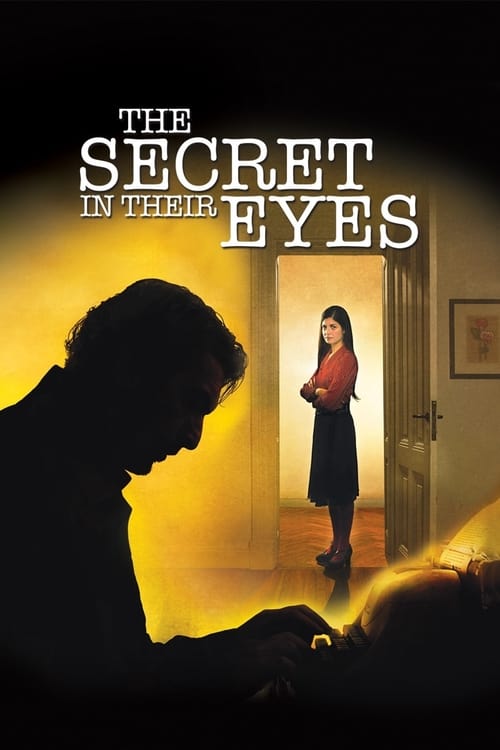



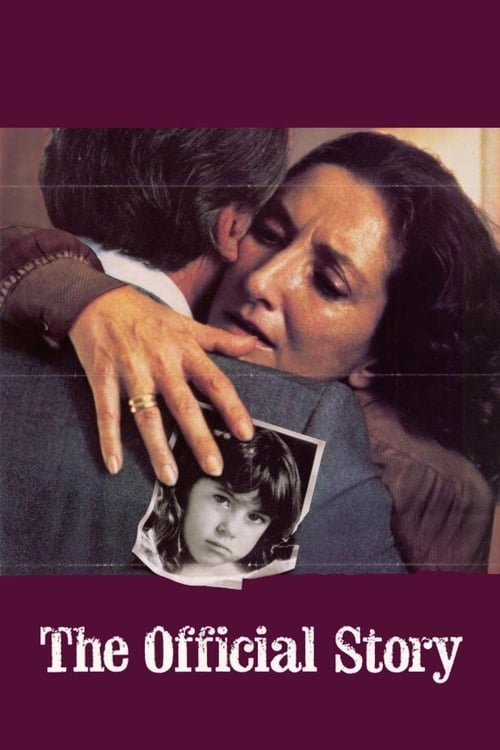
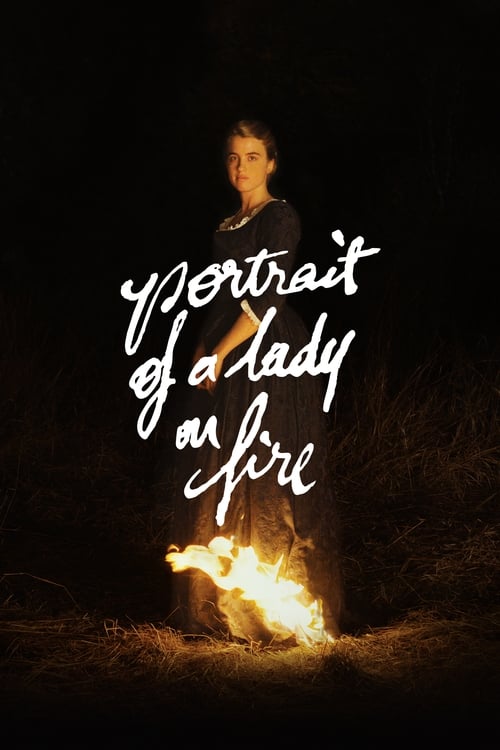
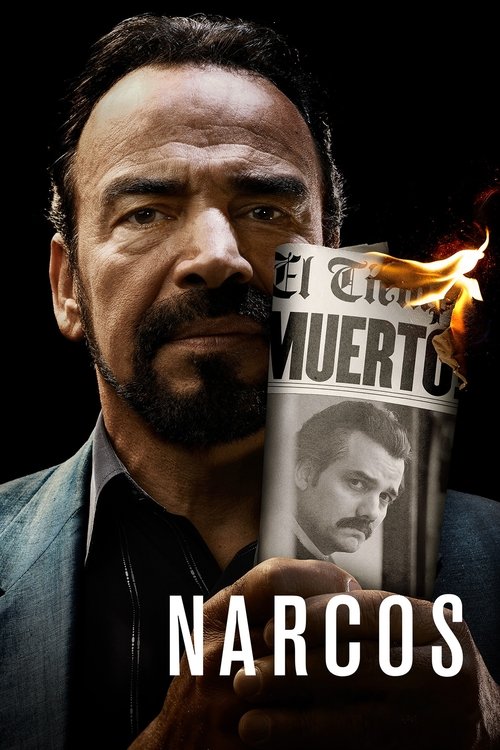
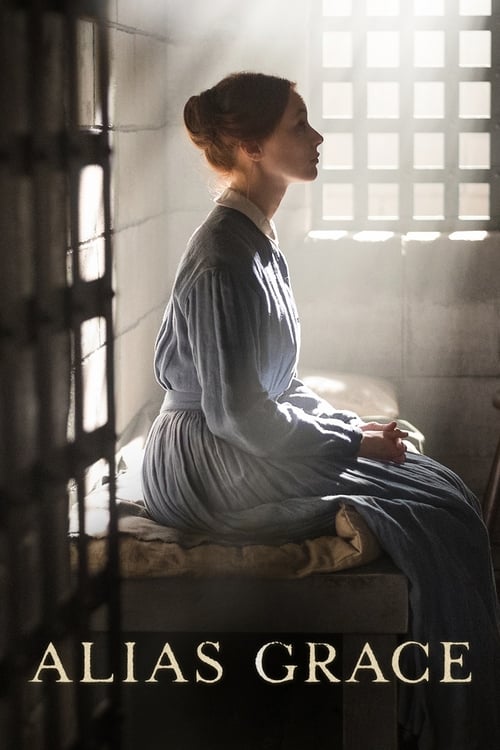
Series With the Same Scope
TV that follows families across decades, through regimes and revolutions



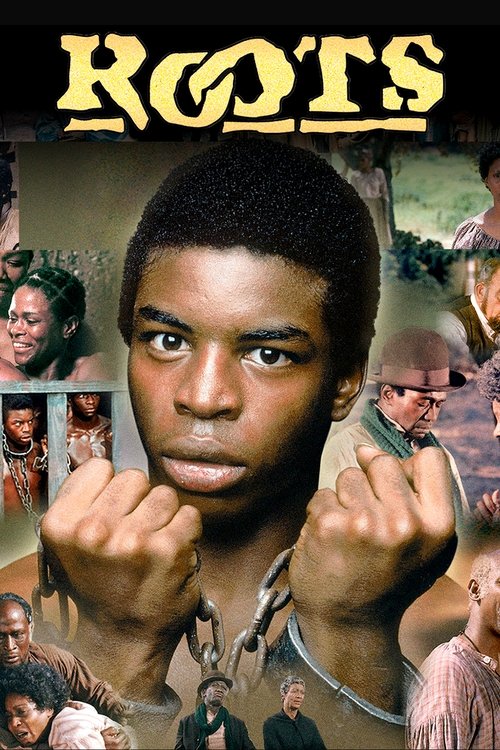

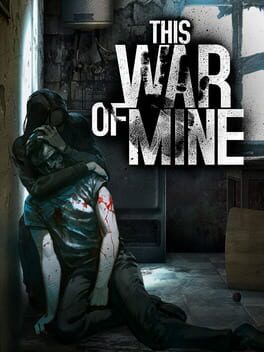
Games That Give History a Human Face
Games where political systems crush or empower individuals, and memory becomes resistance





Clara is the novel's real anchor, not Esteban
Readers sometimes assume the patriarch Esteban Trueba drives the novel because he narrates passages and his violence shapes the plot. But the emotional and structural center is Clara del Valle: her notebooks, her silence, her clairvoyance, and her insistence on living by her own interior logic. When she disappears from the page, the novel loses warmth. Allende herself has described the book as Clara's story. Readers who come for the politics usually stay for Clara.
Magical realism here is political, not decorative
The supernatural elements in Allende's novel are not whimsy or exotic atmosphere. They function as a way of asserting that the inner lives of women and the marginalized carry a kind of truth that official history refuses to record. Clara's gifts are taken seriously by the narrative precisely because the state and patriarchy dismiss them. The magic is a form of epistemological resistance. Pan's Labyrinth does something structurally similar: a child's fantasy logic refuses to yield to fascist reality.
The 1993 film is a handsome failure worth watching anyway
Bille August's adaptation assembled an extraordinary cast (Meryl Streep, Jeremy Irons, Winona Ryder, Antonio Banderas, Glenn Close) and somehow produced something that feels smaller than the source. The compression necessary for a two-hour film strips out the generational texture that makes the novel work. What remains is a prestige drama about things the book treats as lived experience. It is still worth watching for the performances, but it clarifies why the novel resists adaptation: its power is cumulative, not scenic.
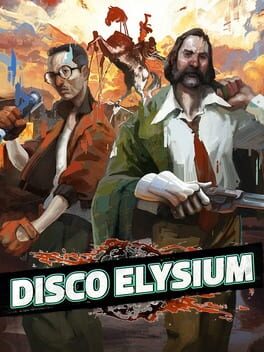
Disco Elysium is the closest a game has come to this novel's moral universe
The connection is not obvious but it holds up. Both works are saturated with failed political idealism, characters who carry historical defeat in their bodies, and a refusal to let ideology off the hook without also grieving what it promised. Disco Elysium builds its world out of the wreckage of a revolution; La casa de los espíritus builds its ending out of a coup. Both ask what it means to remember honestly when the structures you believed in have been destroyed.
A Lineage of History Told From Inside the Family
- 1967Gabriel García Márquez publishes the ur-text of Latin American magical realism One Hundred Years of Solitude
- 1973Pinochet's coup in Chile provides the historical core Allende will later fictionalize
- 1982Isabel Allende writes La casa de los espíritus as a letter to her dying grandfather; it becomes a global phenomenon La casa de los espíritus
- 1985Laura Esquivel begins the manuscript that will become a companion classic of domestic magical realism Like Water for Chocolate
- 1987Toni Morrison publishes her own multigenerational reckoning with historical violence and haunting Beloved
- 1993Bille August's film adaptation brings the Trueba saga to international screens The House of the Spirits
- 2009Juan José Campanella's thriller wins the Oscar and shows Latin American political memory in genre form The Secret in Their Eyes
- 2012Pablo Larraín depicts the creative resistance to Pinochet from inside the advertising industry No
- 2019ZA/UM releases the most politically saturated RPG ever made, soaked in revolutionary failure Disco Elysium
I want to tell you that I have never stopped loving you, that in some part of me you will always be my baby, the little bundle I brought home from the hospital, the child who fell asleep in my arms.Isabel Allende, La casa de los espíritus