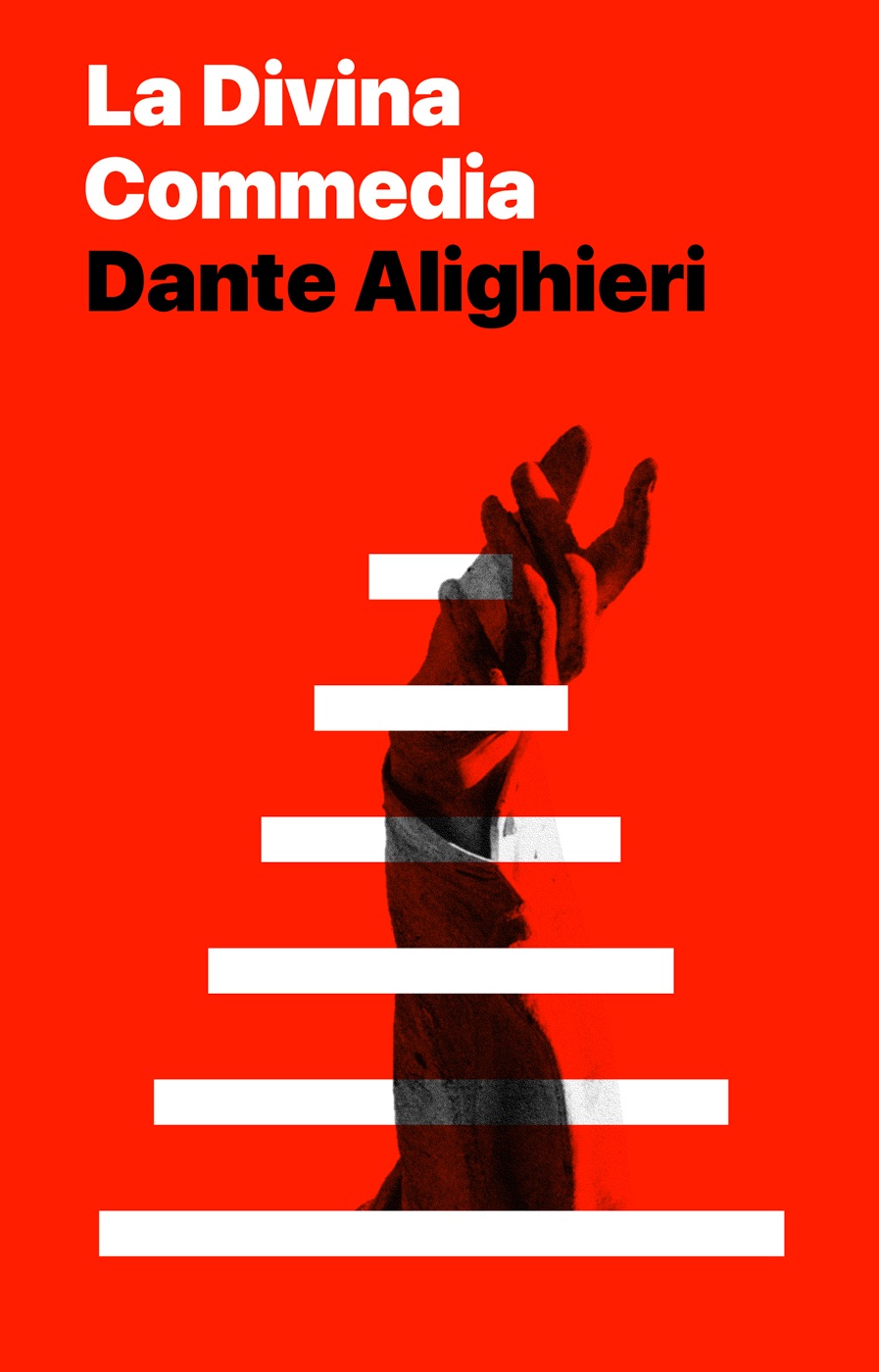

Dante Alighieri wrote the Commedia between roughly 1308 and 1320, and it does something no other single work has quite managed: it makes the moral universe physical. Hell is a funnel of stone. Purgatory is a mountain. Paradise is light that becomes increasingly impossible to look at. What readers chase is not a theology lesson but a sensation: the feeling of moving through a landscape where every feature is a consequence of a choice someone made while alive. The three canticles give you terror, melancholy, and an almost unbearable brightness in sequence, held together by the fact that the pilgrim walking through it is confused, frightened, and very much a person. That combination, of cosmological scale pressed into intimate human stakes, is what the works below share in one form or another.
Essential Dante
The Commedia in its best translations and its closest kin from Dante himself


Seven Centuries of Descent and Ascent
- 1320Dante completes Paradiso shortly before his death in Ravenna The Divine Comedy
- 1481Sandro Botticelli begins his illustrations of the Commedia for a printed edition
- 1814Ingres paints Dante and Virgil in Hell, cementing the Romantic obsession with the Inferno
- 1857Gustave Dore's engravings set the visual standard for the poem's imagery that persists to this day
- 1867Liszt completes his Dante Symphony, the first major orchestral reading of all three canticles
- 1911L'Inferno, Italian silent film, becomes the first feature-length film ever made and an adaptation of the Inferno
- 1949T. S. Eliot's lectures codify Dante as the supreme poet of the Western tradition
- 1980Robert Pinsky's later translation (1994) and earlier discussions make Dante essential reading in American poetry
- 1994Robin Kirkpatrick's Penguin translation brings scholarly rigour to a mass-market audience
- 2000Dan Brown's Angels and Demons begins a strand of thriller fiction set in Rome's sacred geography
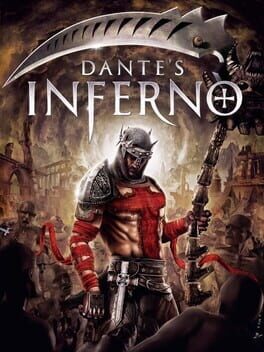
- 2009Dante's Inferno video game adapts the first canticle as an action title Dante's Inferno
- 2013Dan Brown publishes Inferno, making the poem the explicit engine of a globe-trotting thriller Inferno
If You Love the Descent: Epic Journeys Through the Underworld
Novels and poems that send a mortal into realms of the dead and bring them back changed


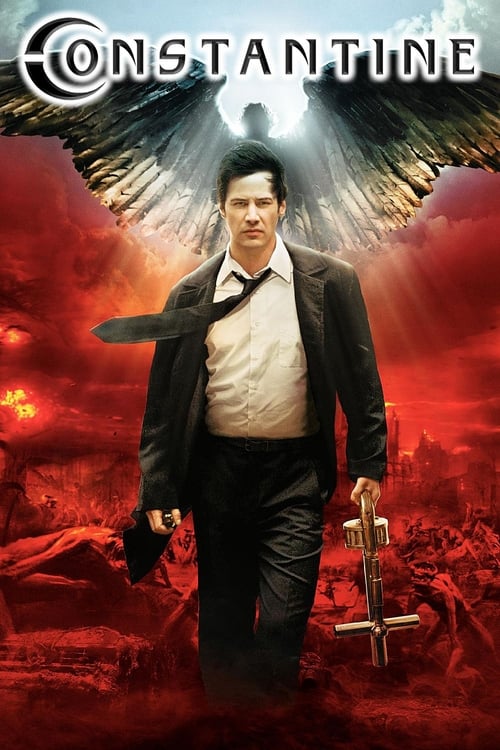
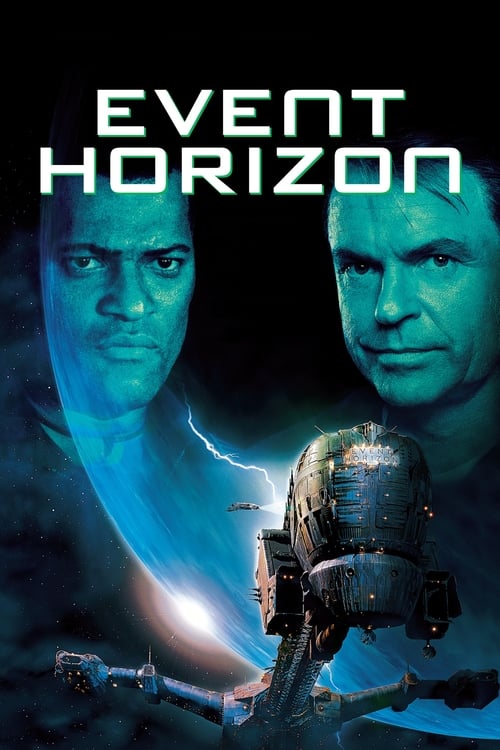
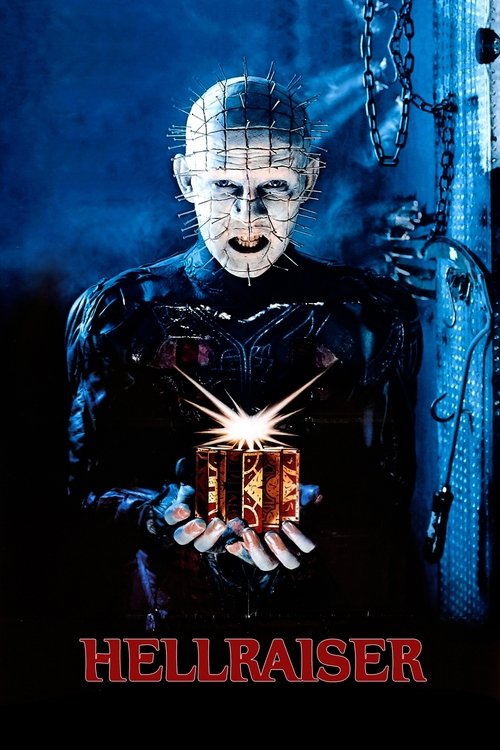
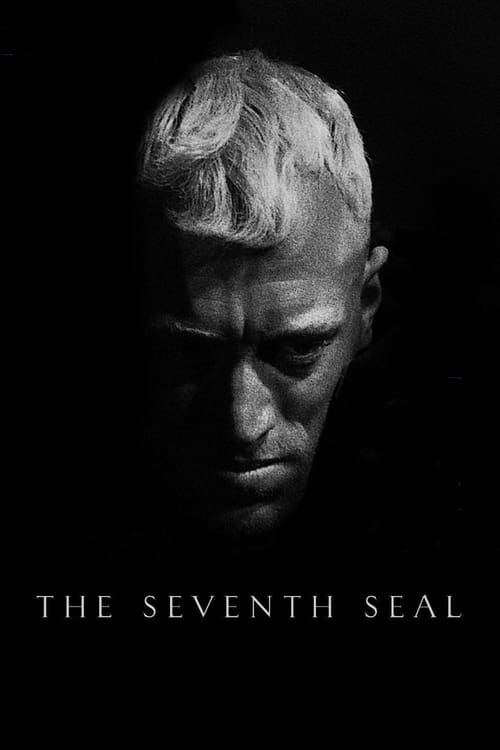
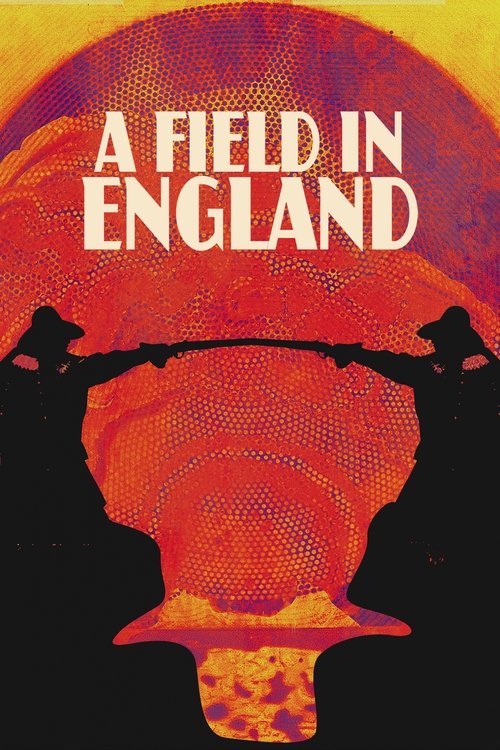
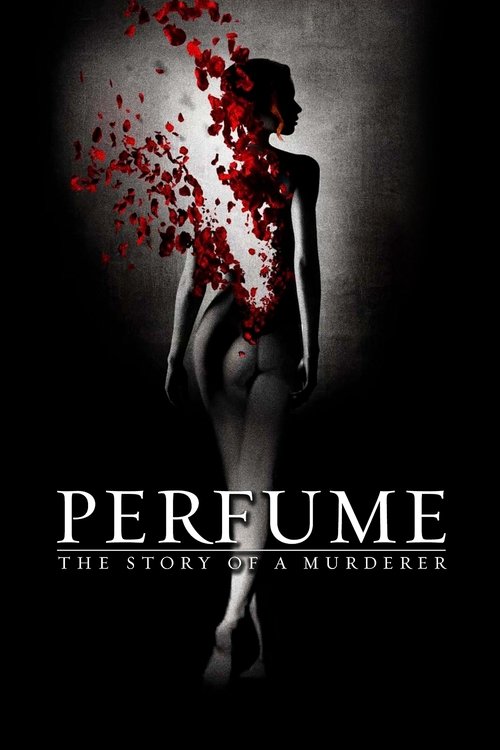
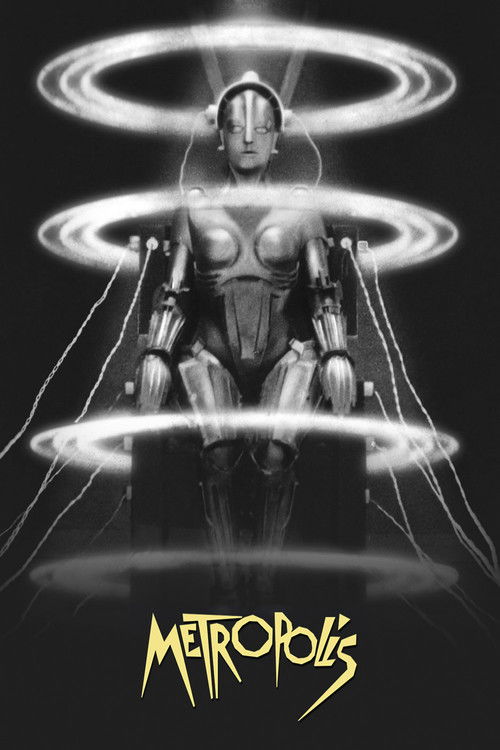
If You Love the Visual World of Hell: Films That Build Infernal Architecture
Cinema that constructs moral topographies you can feel pressing against the screen


If You Love the Moral Weight: TV That Builds Worlds Around Consequences
Series that treat the architecture of guilt, judgement, and redemption as their central subject



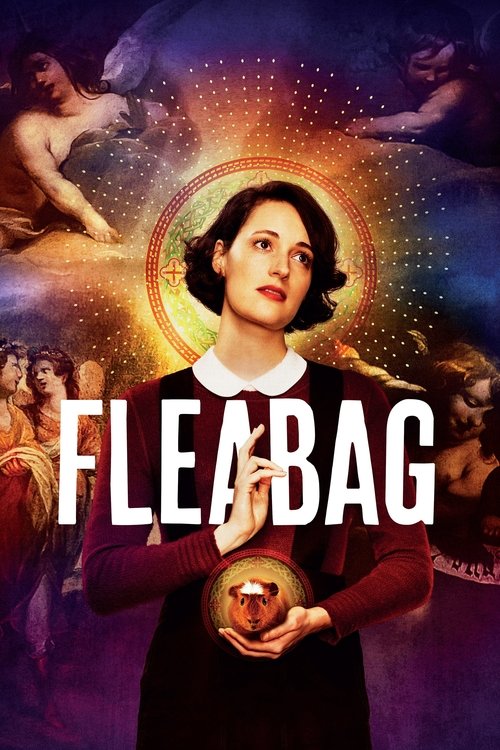
Nel mezzo del cammin di nostra vita mi ritrovai per una selva oscura, che la diritta via era smarrita. (Midway upon the journey of our life I found myself within a forest dark, for the straightforward pathway had been lost.)Dante Alighieri, Inferno, Canto I
If You Love the Guided Journey: Games That Walk You Through Hell
Games that build layered, consequence-laden worlds the player must descend into and understand
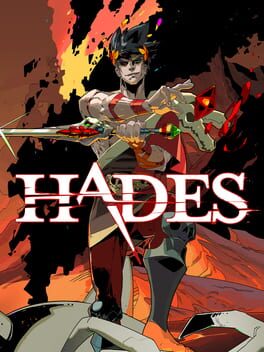
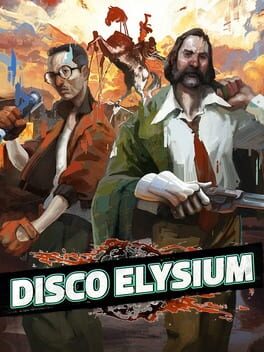

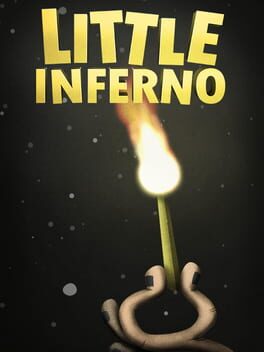
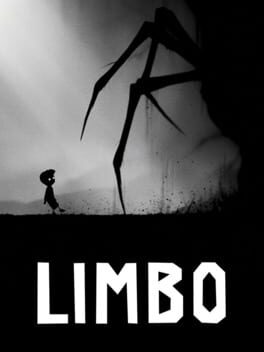
Disco Elysium Is the Closest a Game Has Come to the Commedia's Method
Both works send a broken man through a landscape that externalises his interior state, guided by a figure who understands the territory better than he does. Both organise that landscape around moral categories rather than realistic geography. Both are funny in ways that make the pathos land harder. Disco Elysium is not an adaptation of Dante, but it is shaped by the same belief that the only interesting way to build a world is to make it the consequence of how people have chosen to live in it.