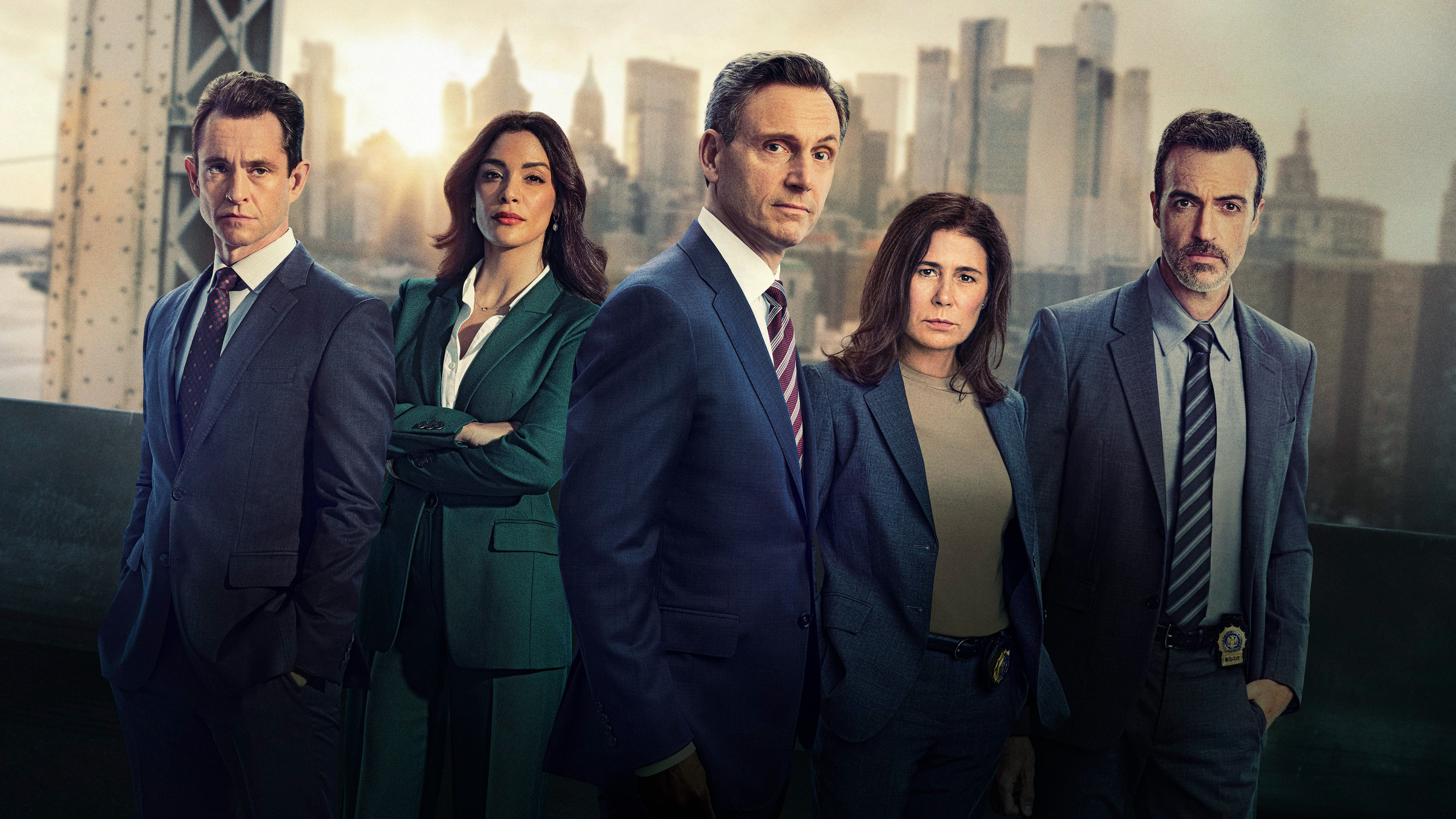

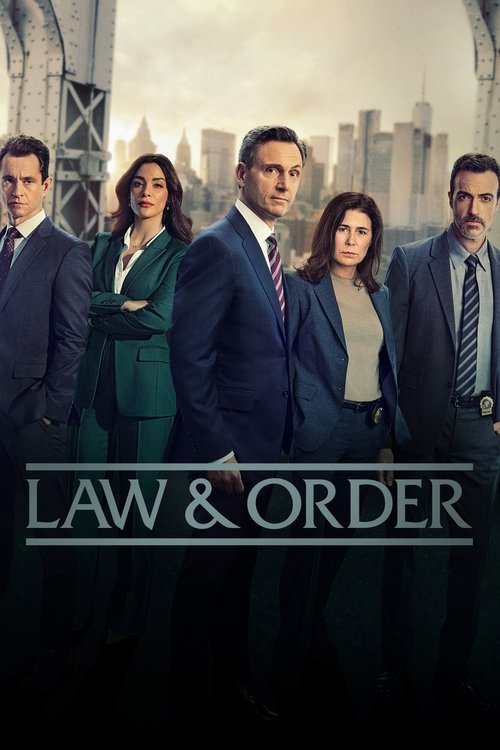
Few franchises have shaped how we understand crime and punishment better than Law & Order. Dick Wolf's machine, running since 1990, gave us something deceptively simple: the crime, then the chase, then the courtroom. Split down the middle, equally invested in cops and lawyers. What fans respond to is not just the cases but the institutional weight behind them, the procedural rhythm that feels both exhausting and addictive, and the moral ambiguity that creeps in around the edges of every verdict. The show trusts its audience to hold two things at once: the system works, and the system fails people all the time. That tension, plus the ripped-from-the-headlines urgency and a rotating cast of sharp New York character actors, is the engine. Once you hear that thunk-thunk, you want everything to have that kind of propulsive, serious, consequence-driven energy.
Essential Law & Order
The franchise itself, ranked by where to start and what to stay for.
The Courtroom Is the Arena
Films and series where the legal process is the drama, not just the backdrop.
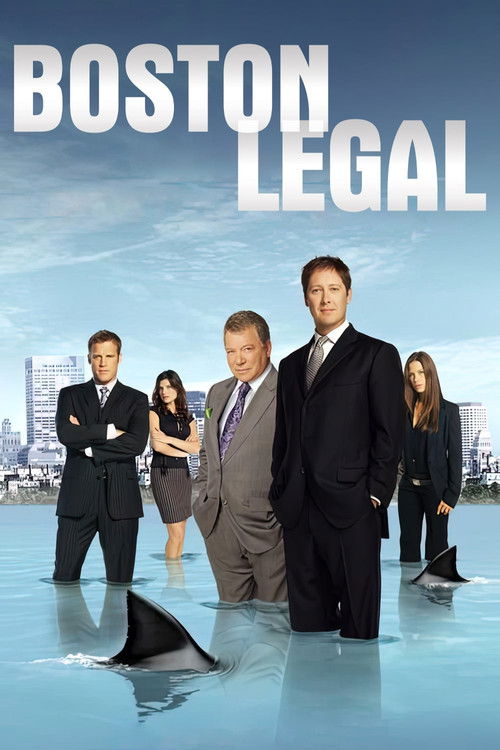
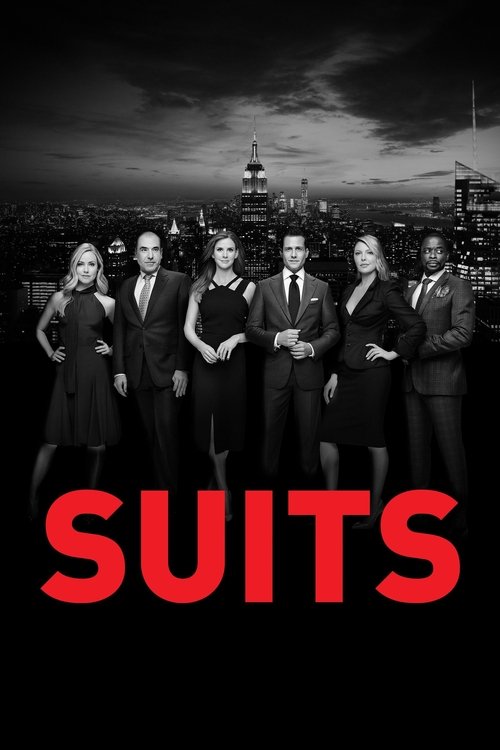
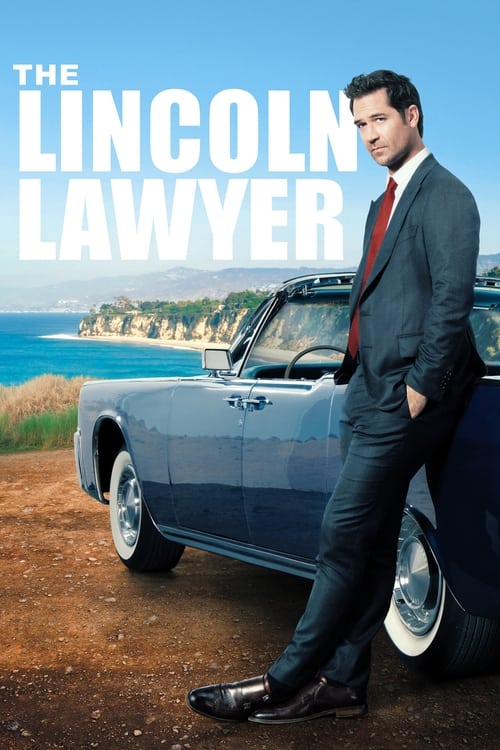
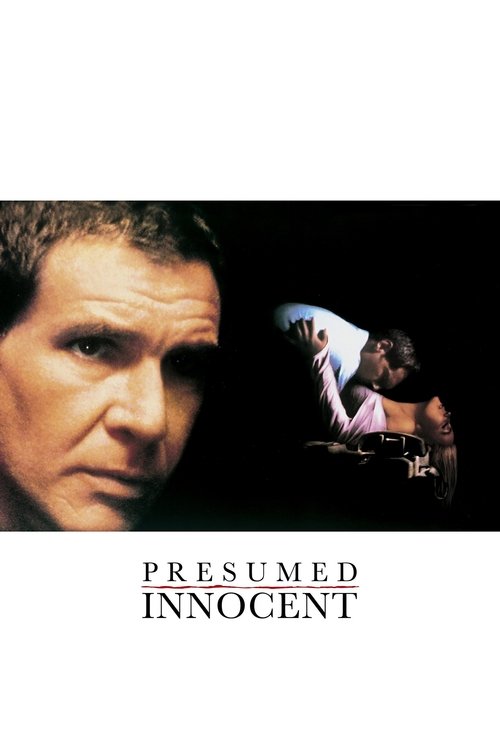
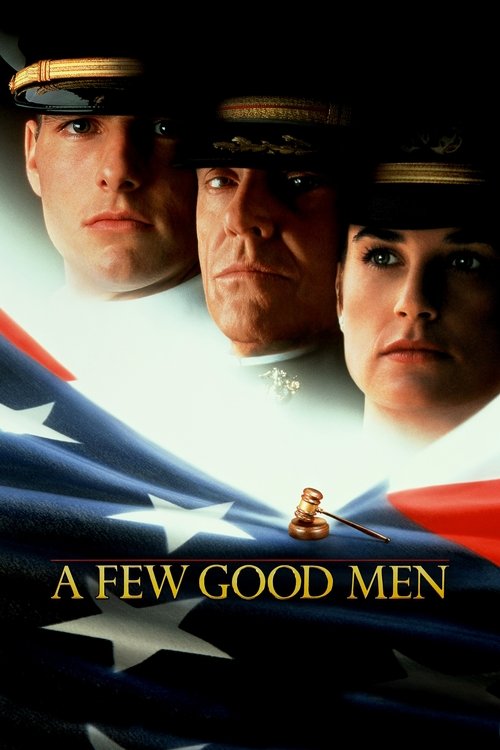
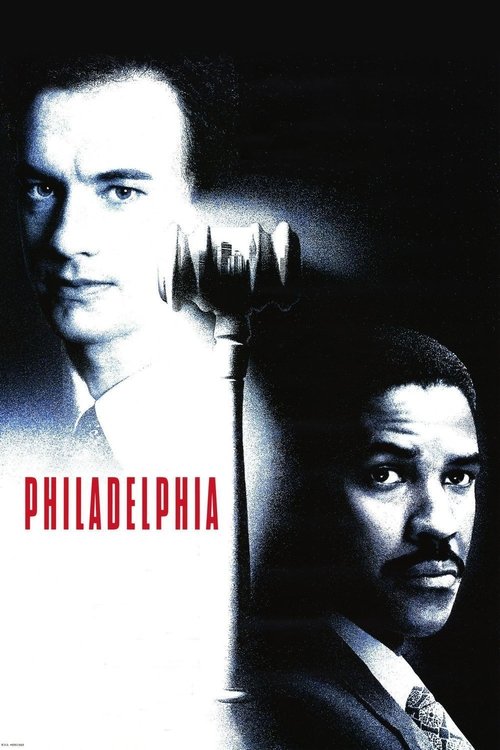
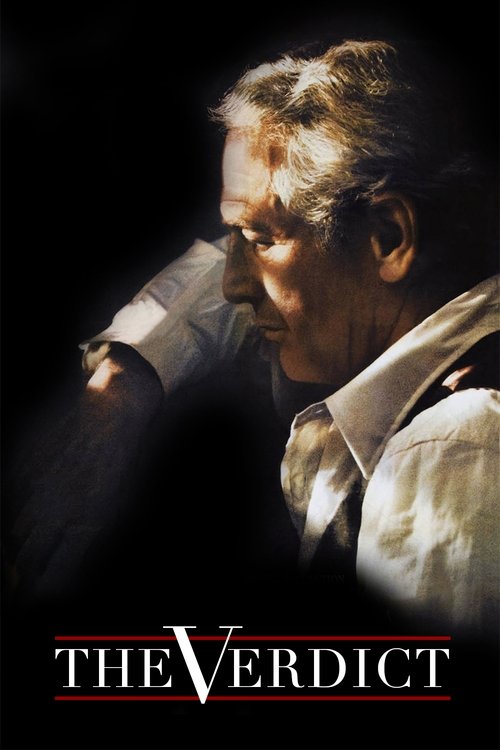

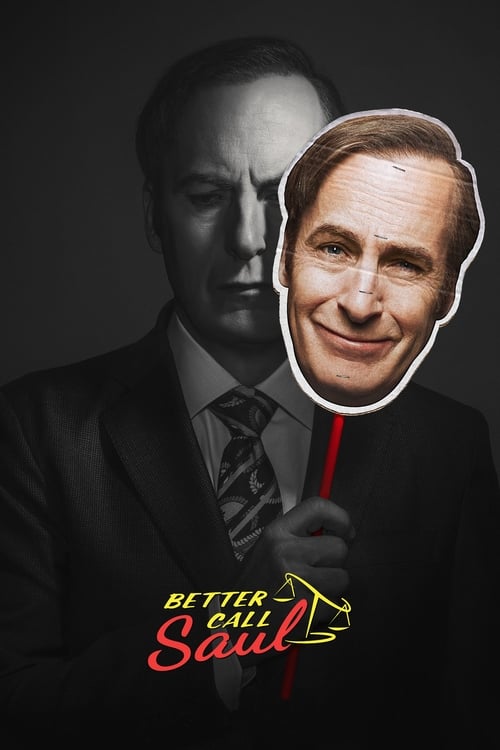
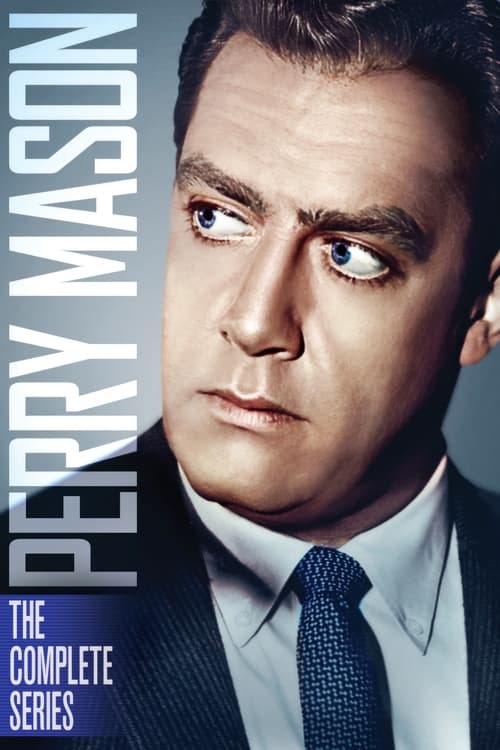

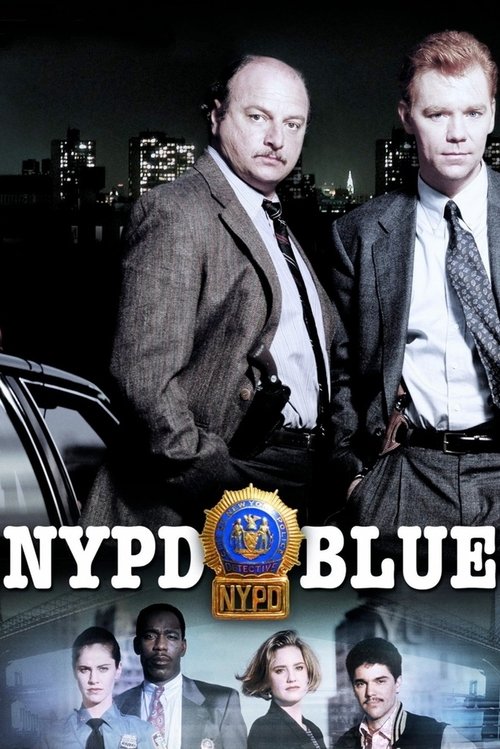
New York, Precinct, Case Closed
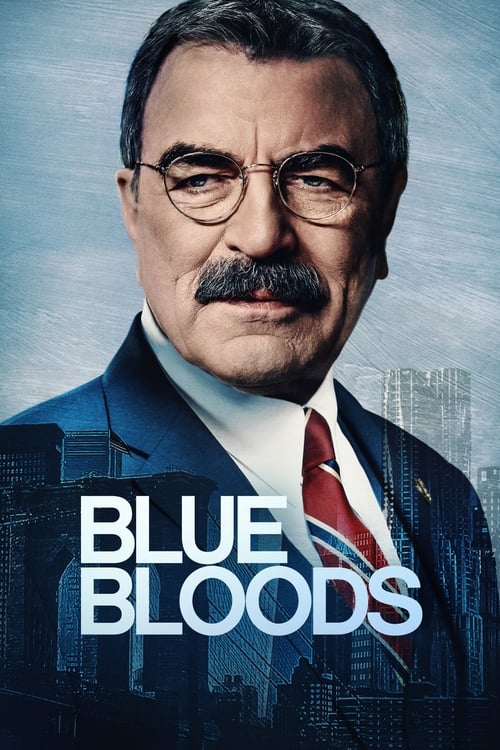
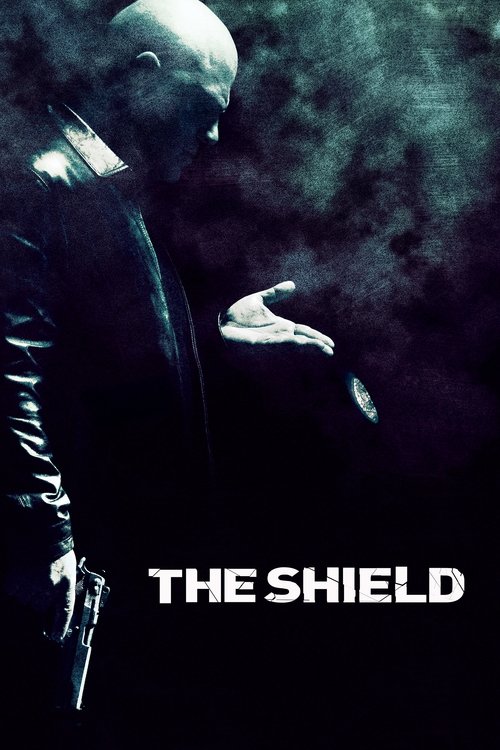
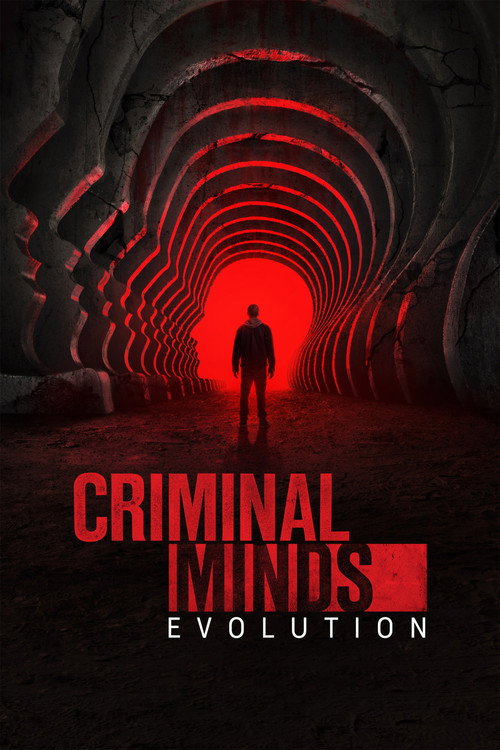
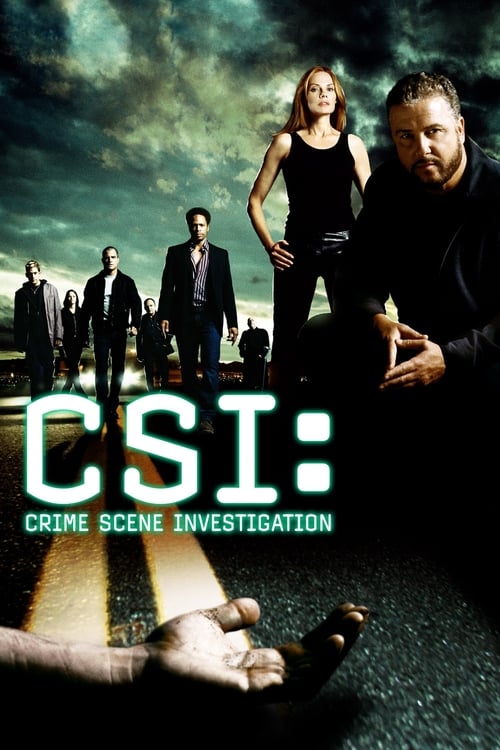
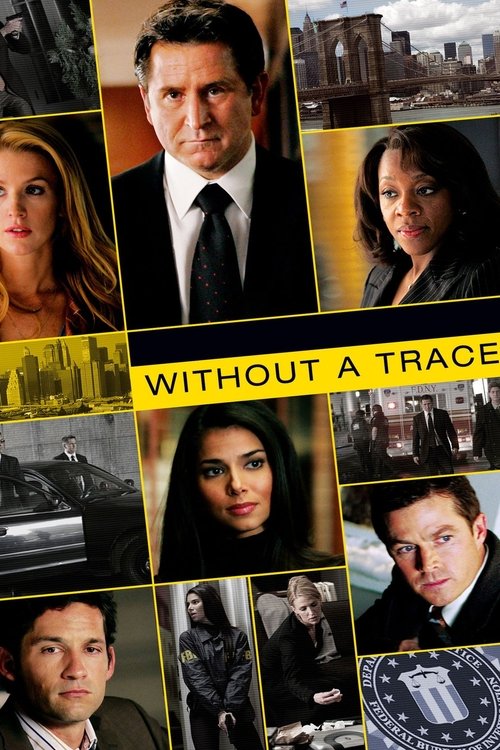
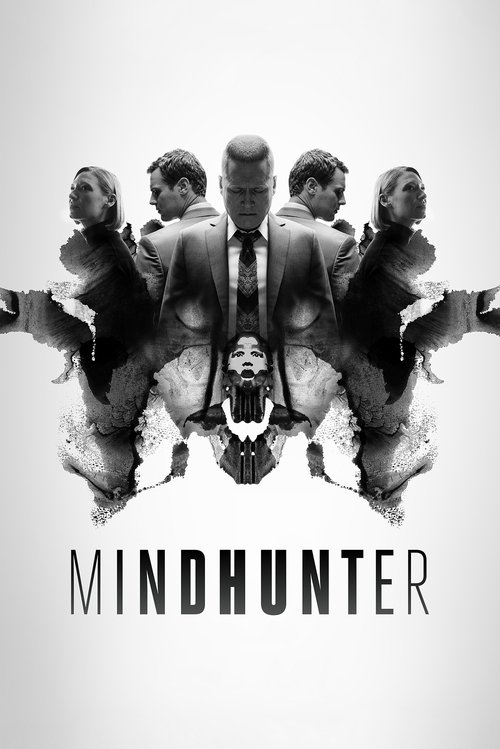
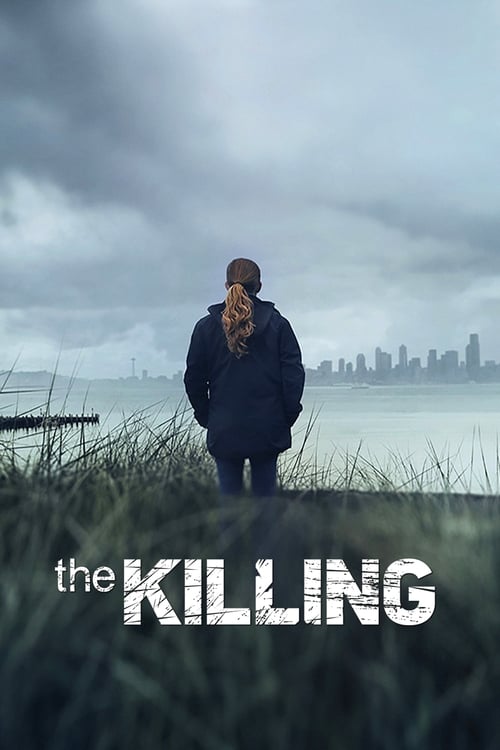
Crime procedurals with the same city-as-character grit and episodic case structure.

The Books That Built the Procedural
Crime fiction where the mechanics of investigation and prosecution are treated with the same seriousness as the story.


Investigate, Then Decide
Games that put you in the role of detective, prosecutor, or both, where gathering evidence and building a case is the core loop.



The Two-Part Structure Is a Philosophy, Not a Format
Splitting every episode into investigation and prosecution is not a television convenience. It is an argument about how justice actually works: two separate institutions, each with their own pressures, blind spots, and incentives, trying to reach the same goal from opposite ends. The cops solve a crime; the lawyers decide whether solving it was enough. Neither half trusts the other entirely. That structural honesty is why the show aged better than most of its peers.
Homicide: Life on the Street Did It Harder, and Most People Never Noticed
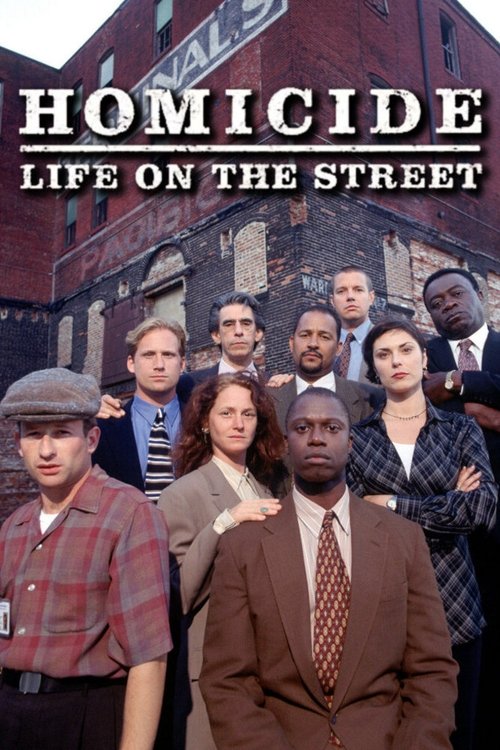
Running from 1993 to 1999 on NBC, Homicide was Law & Order's grittier, less commercially minded sibling, based on David Simon's non-fiction book about a year inside the Baltimore murder unit. Where Law & Order resolved, Homicide often did not. Cases went cold. Detectives broke. The procedural rhythm was there, but the comfort was not. It is the show Law & Order fans cite when asked what pushed them further.
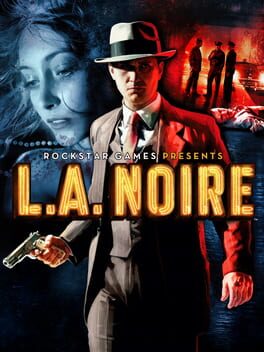
L.A. Noire Understood Something Most Crime Games Miss
Most crime games give you a gun and a villain. L.A. Noire gave you a notebook, a face to read, and the knowledge that your detective was not a good man navigating a corrupt world but a flawed man who believed he was better than he was. The interrogation mechanics, clunky as they sometimes were, forced you to sit with uncertainty the way a jury has to. The procedural is not about finding the answer. It is about what you do when you are not sure you have the right one.
The Procedural Drama Timeline
- 1952Dragnet establishes the deadpan, fact-forward police procedural on American television. Dragnet
- 1956Ed McBain launches the 87th Precinct series, setting the template for ensemble police fiction.
- 1987Scott Turow's Presumed Innocent redefines the legal thriller as serious literary territory.
- 1990Law & Order premieres on NBC, splitting each episode into police investigation and courtroom prosecution. Law & Order
- 1993Homicide: Life on the Street brings a rawer, David Simon-derived approach to the same terrain. Homicide: Life on the Street
- 1999The Sopranos shifts prestige drama toward crime, indirectly raising the ceiling for all genre TV. The Sopranos
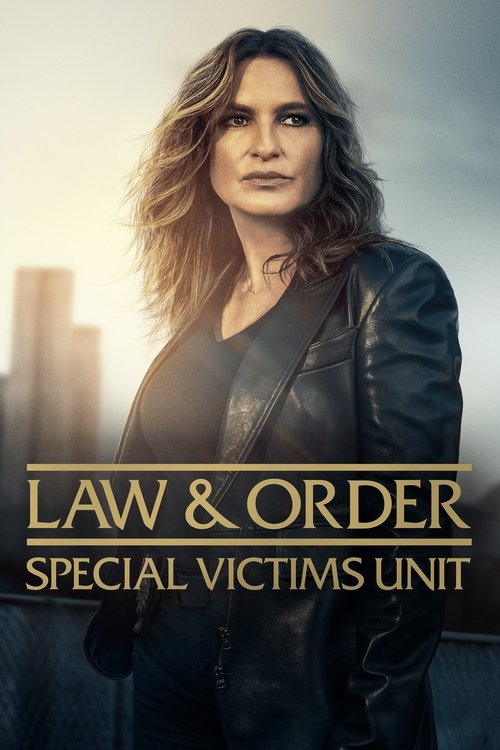
- 1999Law & Order: SVU premieres, becoming the longest-running primetime live-action series in US TV history. Law & Order: Special Victims Unit
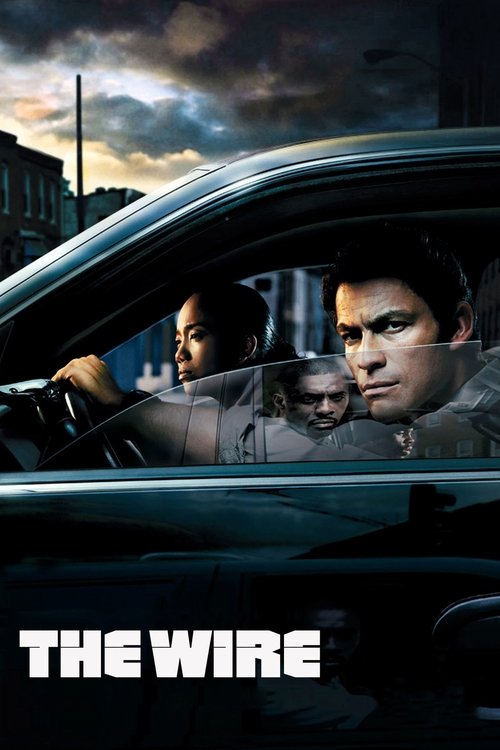
- 2002The Wire begins its five-season examination of institutional failure across police, courts, schools, and press. The Wire
- 2011L.A. Noire brings the procedural investigation structure to open-world gaming. L.A. Noire
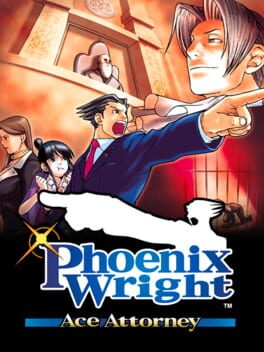
- 2013Phoenix Wright: Ace Attorney reaches Western audiences and proves courtroom drama works as a game. Phoenix Wright: Ace Attorney
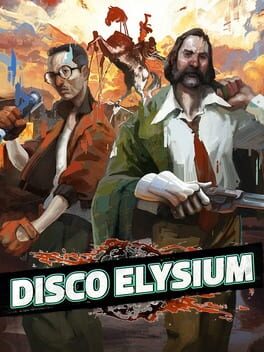
- 2019Disco Elysium reinvents the detective RPG as existentialist character study. Disco Elysium
- 2022Law & Order returns after a twelve-year hiatus, the franchise still running across multiple concurrent series. Law & Order
In the criminal justice system, the people are represented by two separate yet equally important groups. Those who investigate crime, and the district attorneys who prosecute the offenders.Law & Order opening narration, 1990