
Led Zeppelin II arrived in October 1969 and did not ask permission. Recorded in scraps of studio time between touring, it sounds like it was made under pressure, which is exactly why it still sounds dangerous. Robert Plant's vocal careens between a howl and a whisper; Jimmy Page's riff on "Whole Lotta Love" is arguably the most imitated guitar figure in rock history; John Bonham's drumming hits with the physical force of something structural collapsing. The album draws from Chicago electric blues (Willie Dixon, Muddy Waters) and transmits it through a Marshall stack into something new and somewhat terrifying. Fans who keep returning to it are chasing a specific feeling: music that is simultaneously heavy and sensual, tightly constructed and seemingly about to fly apart. This guide looks for that same voltage across every medium.
Essential Led Zeppelin
The albums that define the catalog, from the debut's blues electricity to the sprawling later work.
The Hard Blues Current: Albums That Share the DNA
Records built on the same electric blues foundation, cranked to the same kind of punishing volume.
Stage, Studio, and the Road: Concert Films and Music Documentaries
Films that capture the specific electricity of the era when rock became a stadium-sized event.

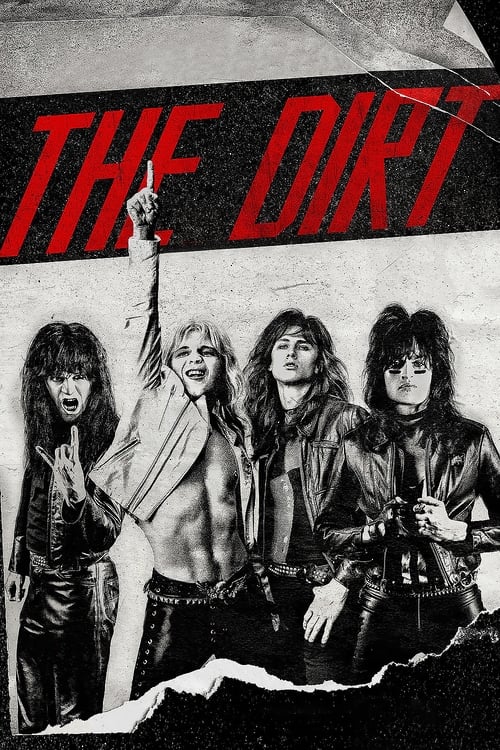
Rock Biopics and Music Fiction Films: The Myth Onscreen
Narrative films that treat the rock musician as a genuinely dangerous figure worth taking seriously.

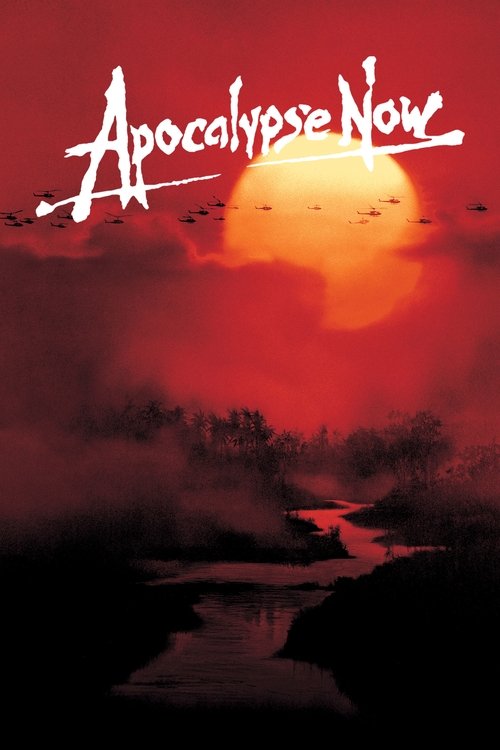
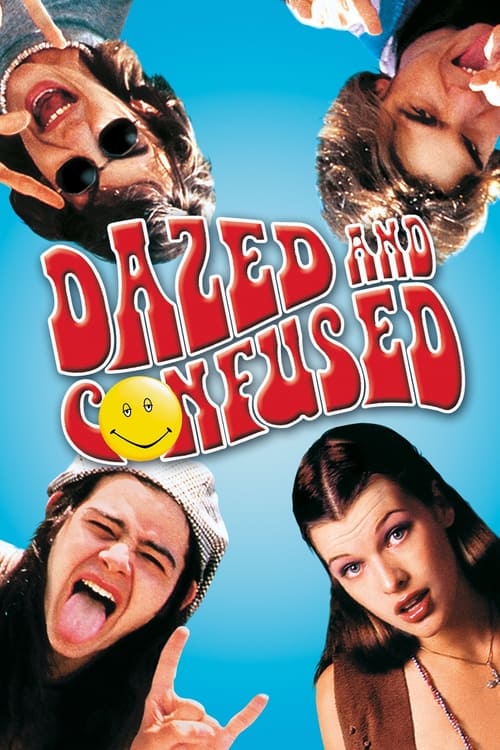
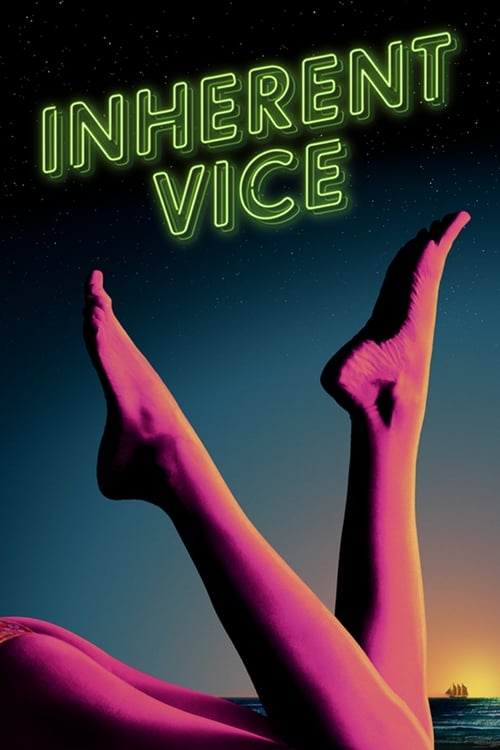
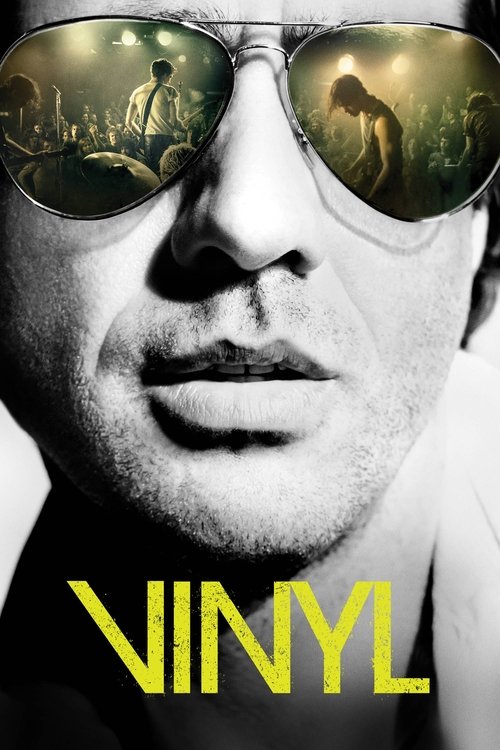
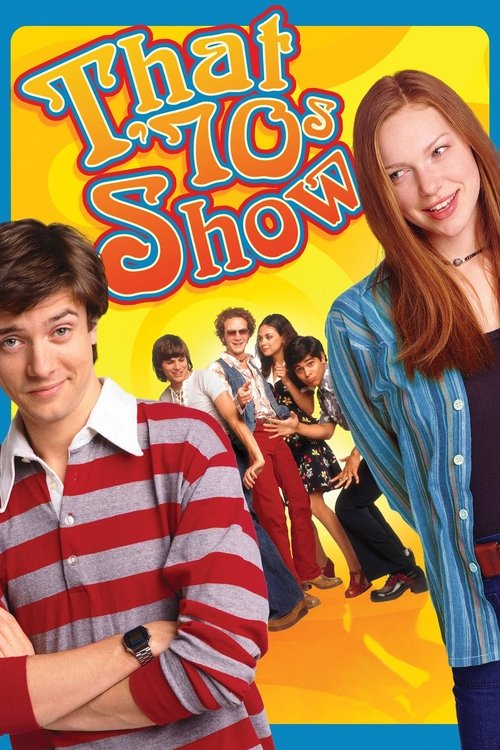
Same Era, Same Voltage: Films and Series with the 1969 Energy
Screen stories set in or soaked in the late 1960s and early 1970s, sharing the reckless ambition of the album.
Books That Carry the Same Raw Current
Novels and non-fiction for readers who want the excess, the myth-making, and the music writing that matches the music's seriousness.


"Whole Lotta Love" Is the Most Influential Two Minutes in Hard Rock
The riff that opens "Whole Lotta Love" is four bars. Every subsequent band that wanted to sound heavy has had to reckon with it, consciously or not. The interlude, with its studio manipulation and Plant's vocal acrobatics, showed rock that a three-minute single could contain a complete psychedelic journey. Heavy metal, grunge, and modern hard rock are all downstream of those two minutes, whether their practitioners admit it or not.
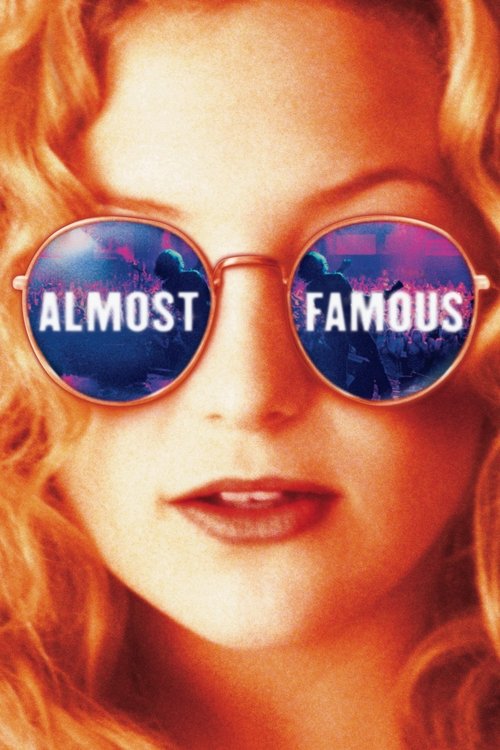
Almost Famous Gets the Era Right Because It Does Not Romanticize It
Cameron Crowe's film is set in 1973, one year into the era Led Zeppelin II helped create, and it is clear-eyed about what that world actually was: charismatic, seductive, and casually cruel to everyone who was not the headliner. The film captures the specific tension of a music that made enormous promises and frequently did not keep them for the people orbiting it. That honest ambivalence is what makes it the best fiction companion to any serious engagement with the early 1970s hard rock scene.
Paranoid Is the Album That Understood the Assignment Differently
Black Sabbath heard the same electric blues sources as Led Zeppelin and turned the volume toward something darker and more explicitly gothic. Where Led Zeppelin II is physical and sensual, Paranoid is anxious and apocalyptic. The two albums are complementary documents of a single moment when rock was discovering how heavy it could get, and they arrived within a year of each other. Any serious fan of one needs to sit with the other.
The Best Rock Books Are Oral Histories, Not Biographies
Hammer of the Gods is the definitive Led Zeppelin text not because it is the most accurate but because its structure, dozens of voices assembling a portrait, mirrors how rock mythology actually works: contradictory, inflated, impossible to pin down. Please Kill Me does the same thing for punk, and Life does it in single-voice memoir form for the Stones. The form fits the subject. A smoothed-out authorized biography would miss the point entirely.
The World Led Zeppelin II Came From and Shaped
- 1966Cream form in London, linking American blues directly to the coming volume wars. Fresh Cream
- 1967Jimi Hendrix arrives in London and sets the bar for what a guitar can do in rock. Are You Experienced
- 1968The New Yardbirds become Led Zeppelin and record their debut in 36 hours. Led Zeppelin
- 1969Led Zeppelin II recorded in tour-break fragments across the US and UK, released in October. It hits number one on both sides of the Atlantic. Led Zeppelin II
- 1970Black Sabbath and Deep Purple release their defining heavy records within months of each other. Paranoid
- 1971Led Zeppelin IV cements the band's mythological status. Stairway to Heaven becomes the era's defining epic.
- 1973Cameron Crowe, age 15, tours with the Allman Brothers and the Eagles. The experience becomes Almost Famous. Almost Famous
- 1976The Song Remains the Same arrives, a concert film and the era's most grandiose attempt at rock mythology on screen.
- 1980John Bonham dies. Led Zeppelin dissolves. The era ends on its own terms. Coda
- 2007The O2 reunion show. Celebration Day captures it. A reminder that the original voltage was not nostalgia.
We were four musicians who could read each other, and we were playing for our lives every night. That is what you hear on the record.Robert Plant, on the making of Led Zeppelin II