
Released in 1971 with no band name, no title, and four cryptic symbols where the credits should be, Led Zeppelin IV is the record that proved hard rock did not have to be dumb. Side one opens with the grinding Southern-fried stomp of "Black Dog" and the war-machine surge of "Rock and Roll," then pivots without warning to the Appalachian hush of "The Battle of Evermore" and the slow acoustic build of "Stairway to Heaven." That whiplash between brutality and fragility is the thing fans keep chasing: music that is simultaneously enormous and intimate, rooted in blues and folk tradition yet pointed at something mythological. The album sits at the crossroads of the British folk revival and the heaviest American blues, and it made that crossroads feel like a sacred site. Fans of this record are drawn to art that carries weight, that rewards close listening, and that smuggles genuine darkness alongside genuine beauty.
Essential Led Zeppelin
The albums that build the full picture of what the band was reaching for.
The Same Frequency: Albums That Hit the Same Nerve
Heavy, textured, blues-rooted records that balance brutality with atmosphere.
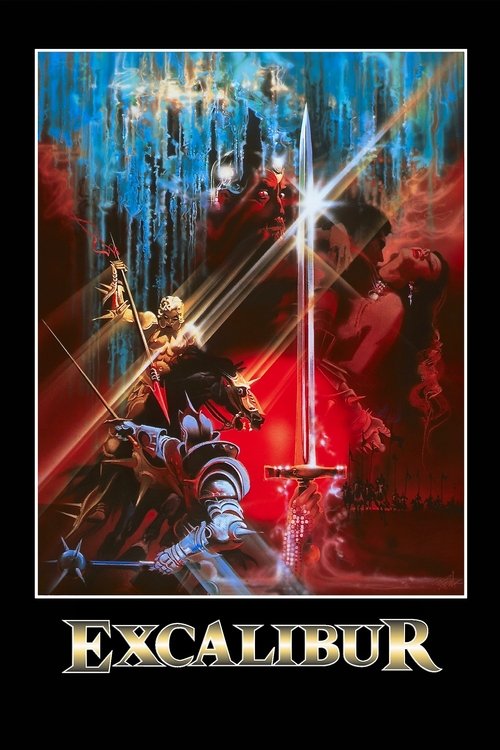
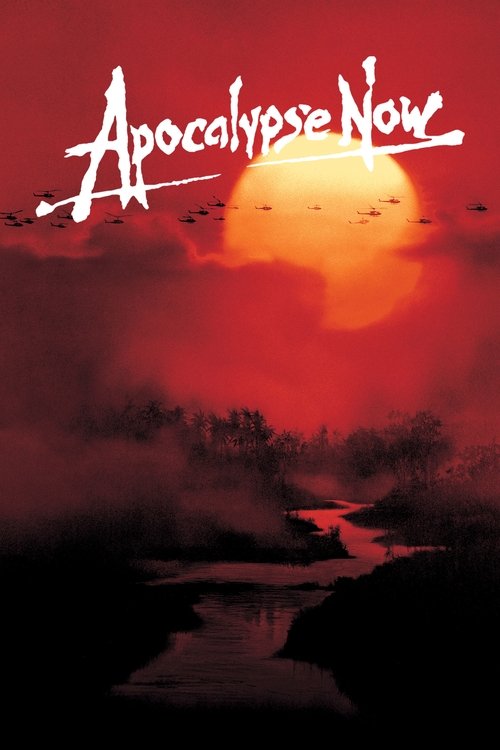
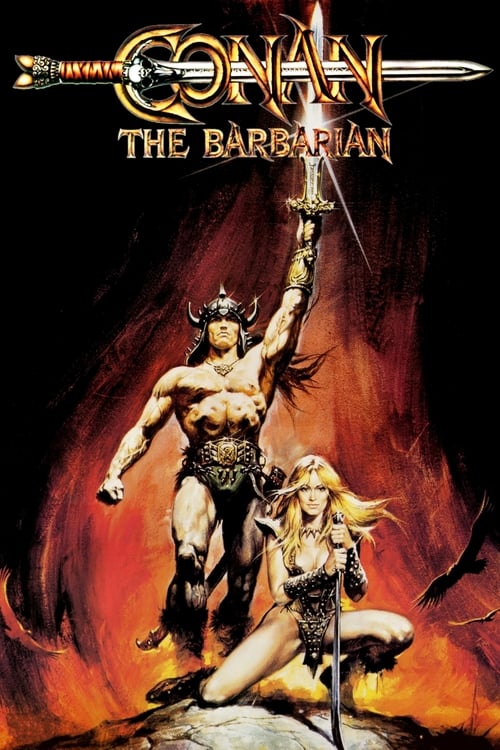
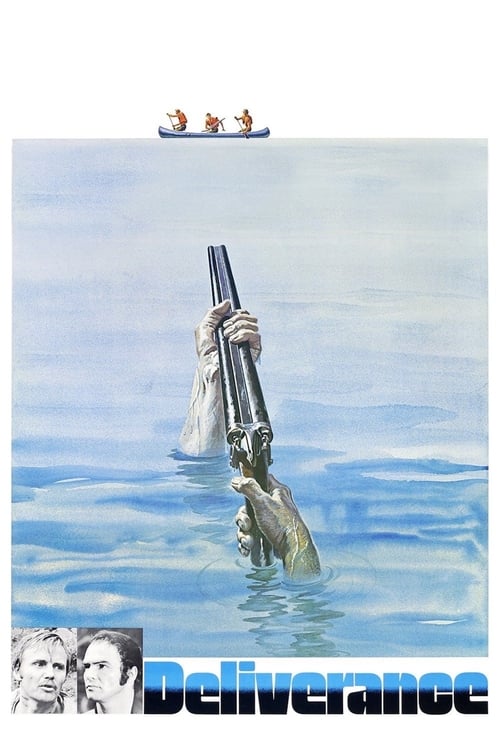
The Mystical and the Heavy: Films That Share the Energy
Cinema with the same combination of raw force, mythic atmosphere, and earned grandeur.

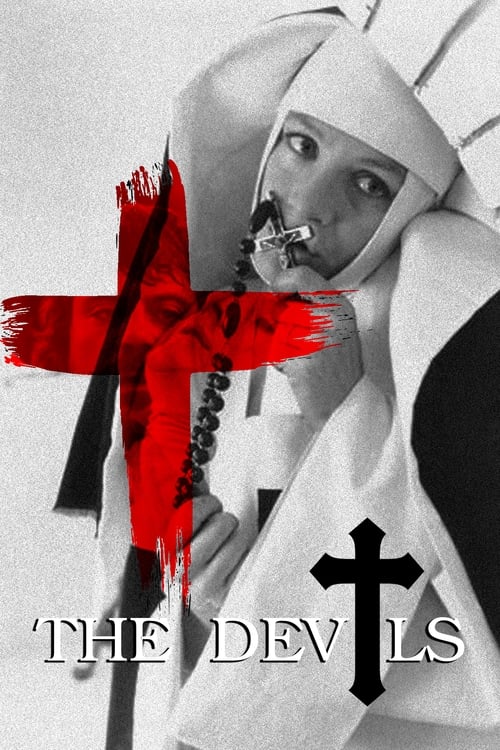
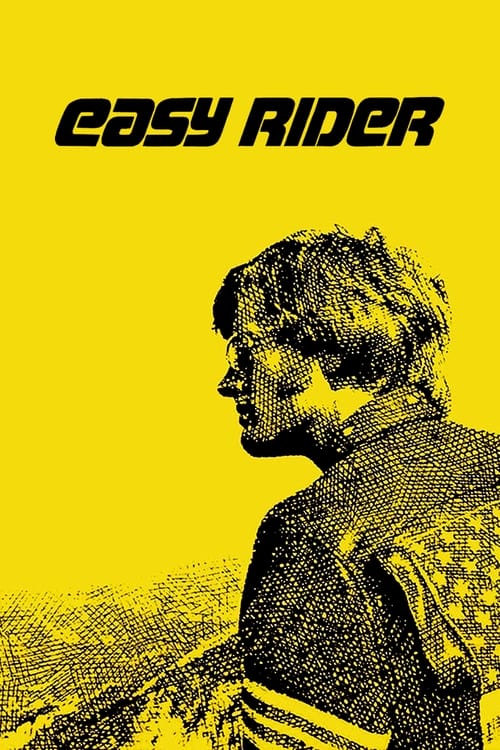
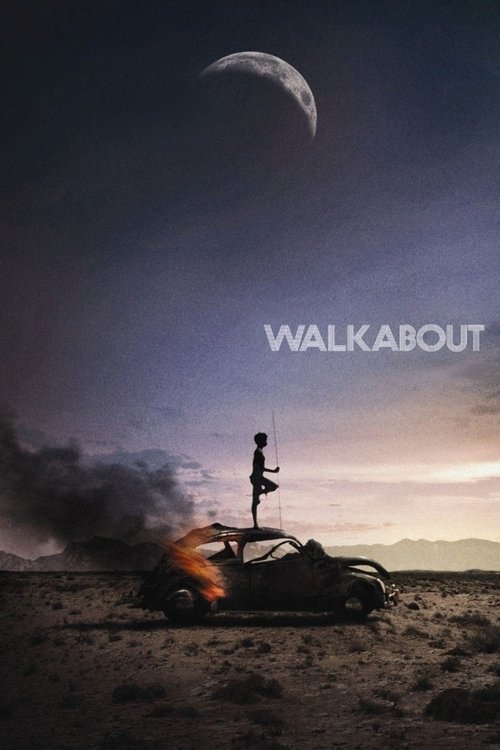
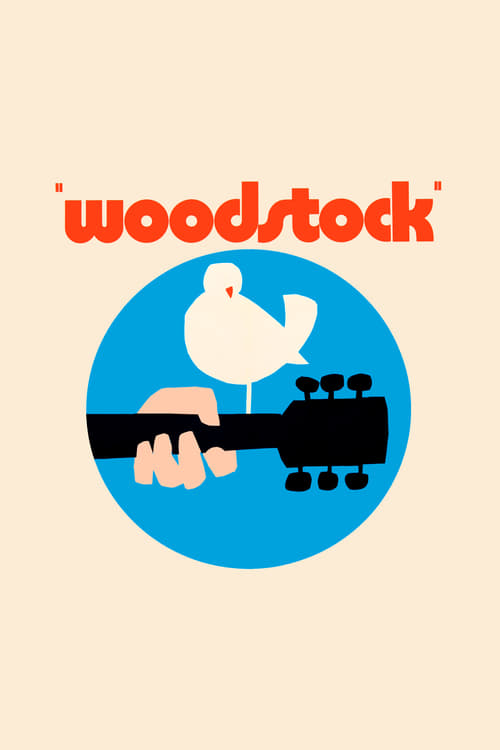
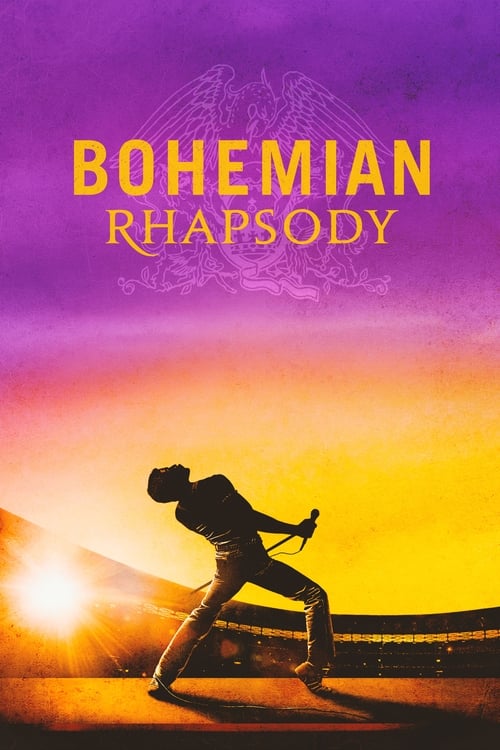
Rock Cinema: Documentaries, Concert Films, and Biopics
The story of the era on screen, from genuine documents to dramatized myths.





TV That Lives in the Same Era and Feeling
Series set in or shaped by the world of 1970s excess, rebellion, and rock mythology.




Books for the Fan Who Hears Something Ancient in the Music
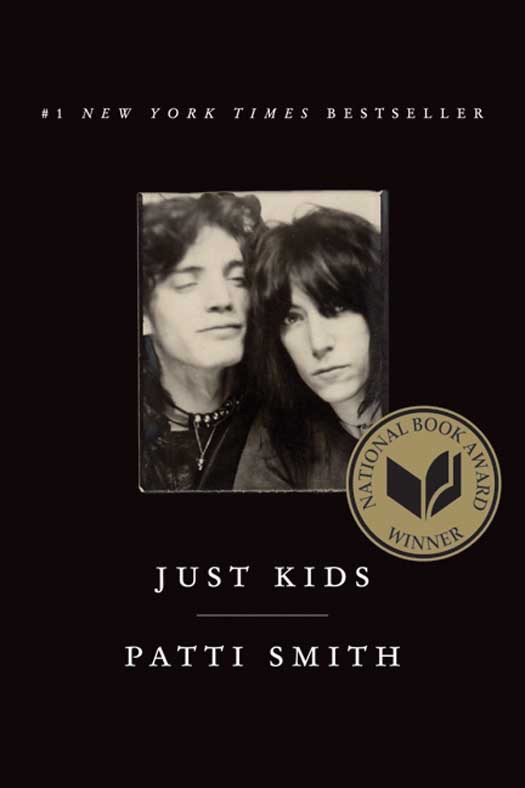
Novels and memoirs that mix mythology, the road, and the chaos of creative ambition.


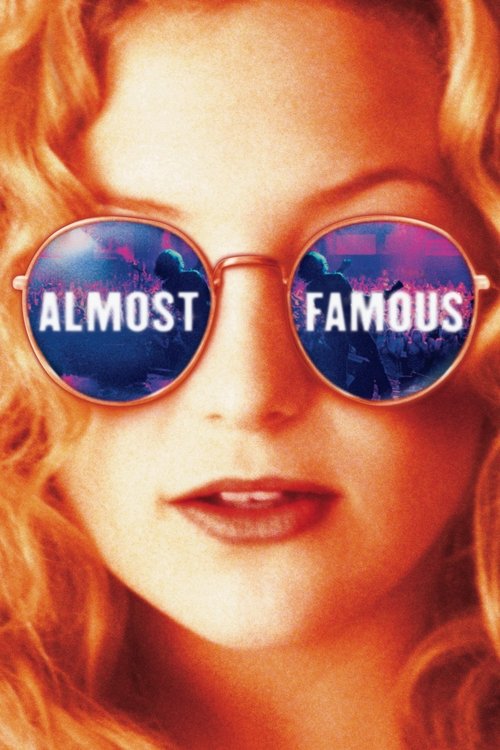
Almost Famous is the best fiction about what this music actually felt like to live inside
Cameron Crowe's 2000 film is set in 1973, two years after Zeppelin IV, and it captures with uncomfortable precision the gravitational pull a great rock band exerts on everyone orbiting it. The fictional band Stillwater is not Led Zeppelin but the ecosystem is the same: the roadies, the groupies who prefer "Band-Aids," the tour bus, the sense that being near something this powerful is both a privilege and a trap. It is the closest cinema has come to putting the feeling of this record into images.
The blues is the unacknowledged co-author of the whole record
"Black Dog" borrows from Muddy Waters. "Rock and Roll" opens with a Little Richard drum figure. "When the Levee Breaks" is a direct cover. Critics who frame Zeppelin IV purely as a hard rock landmark miss the point: the album is a meditation on what happens when British musicians go very deep into American blues and come out the other side with something new. The correct companion listening is not other hard rock records but Robert Johnson, Howlin Wolf, and Muddy Waters, where the source material still lives in its original, undiluted form.
The World That Made This Record
- 1969Led Zeppelin I released, introducing Page's guitar production approach and Plant's blues-derived vocal style to a rock context.
- 1969Blind Faith release their sole album, proving that British blues-rock supergroups could be both commercial and artistically serious. Blind Faith
- 1970Black Sabbath release Paranoid, establishing that heavy music could be about dread rather than swagger, opening a parallel path. Paranoid
- 1970Fairport Convention release Liege and Lief, the key document of British folk-rock, the current running beneath Led Zeppelin's acoustic material.
- 1971Led Zeppelin IV released with no band name on the sleeve, four mystical symbols, and a gatefold of hermit imagery. It becomes one of the best-selling albums ever made.
- 1973The band films the concert footage that will become The Song Remains the Same at Madison Square Garden.
- 1975Physical Graffiti released as a double album, the fullest statement of the band's ambition: folk, blues, funk, Eastern scales, and hard rock all on one record. Physical Graffiti
- 1977The US tour ends after John Bonham's assault conviction and Robert Plant's son's death; the band never recover the momentum. Presence
- 1980John Bonham dies at 32. The band dissolve, issuing a statement saying they cannot continue without him. In Through the Out Door
We were just four guys who had been playing music all our lives. We were very disciplined. We knew what we wanted. We could play any style. We just happened to find each other at the right time.Jimmy Page