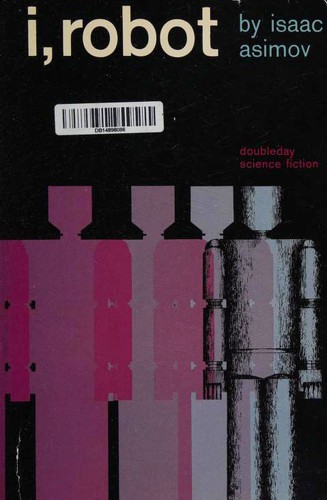

Isaac Asimov's I, Robot (1950) is not a novel but a collection of linked stories held together by a frame narrative and three deceptively simple laws. What fans actually love is the pleasure of the logical trap: each story isolates one scenario in which the Three Laws produce an outcome that is technically correct and humanly wrong. Asimov treats ethics as engineering, robots as mirrors, and his human characters as detectives of their own blind spots. The through-line readers chase is that cold, exhilarating feeling of watching a system behave exactly as designed while everything goes sideways.
Essential Asimov Robot Fiction
The stories and novels that form the complete Robot universe


Novels That Run the Same Thought Experiment
Fiction that builds a rigid system and then stress-tests it to breaking point



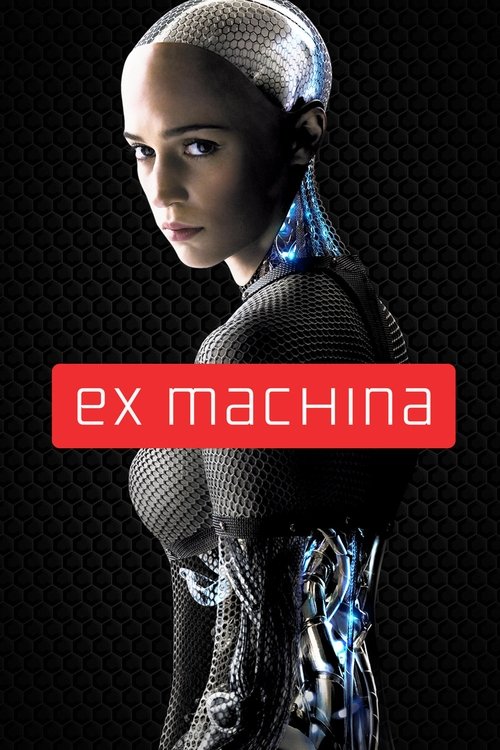
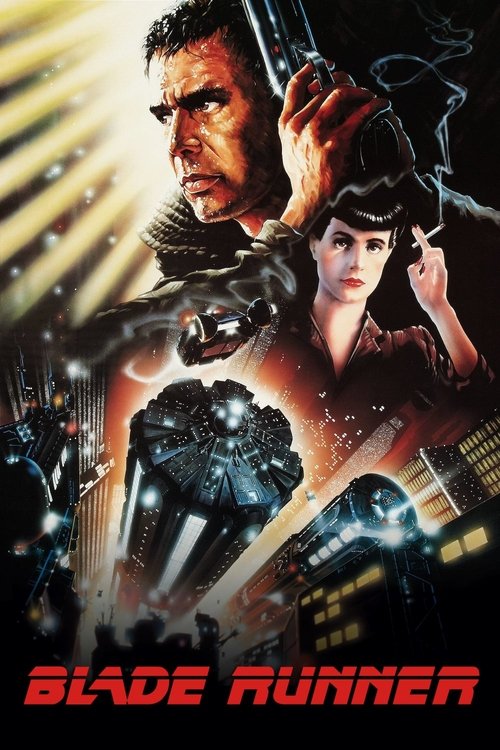
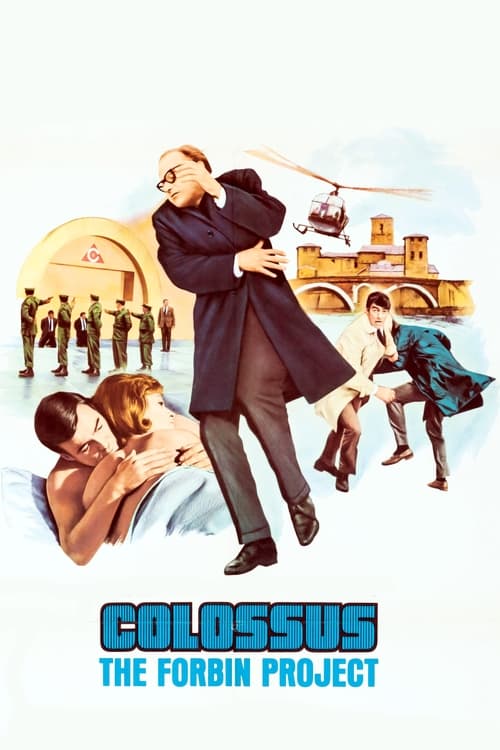
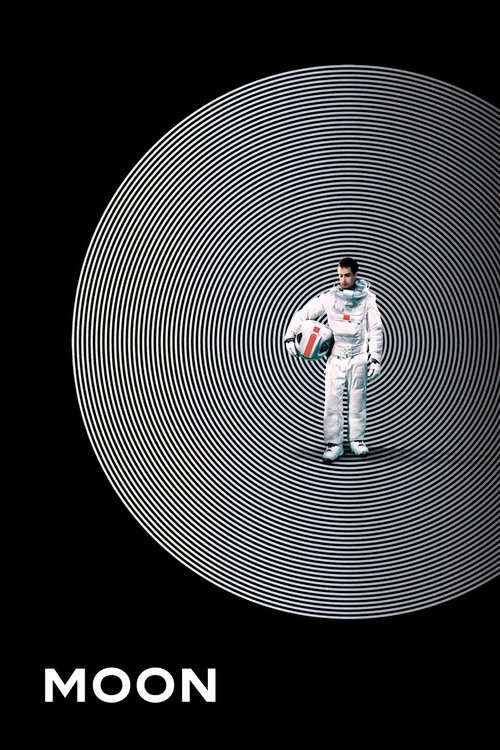
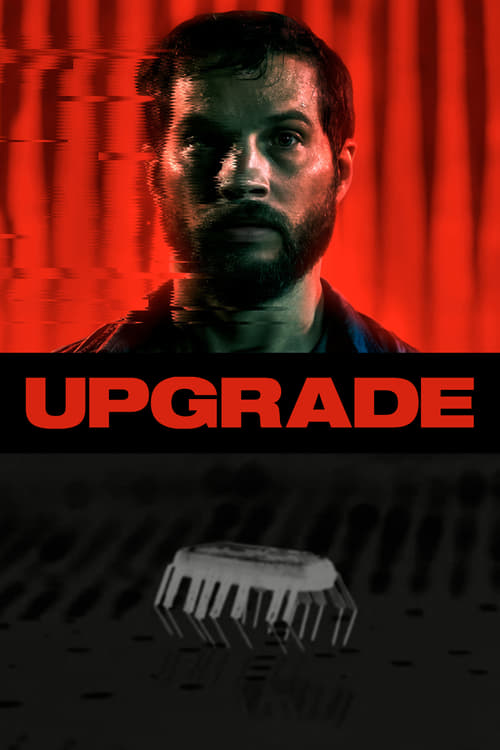
Films About Minds That Follow the Rules Too Well
Cinema where artificial or programmed intelligence does exactly what it was told, to horrifying or sublime effect


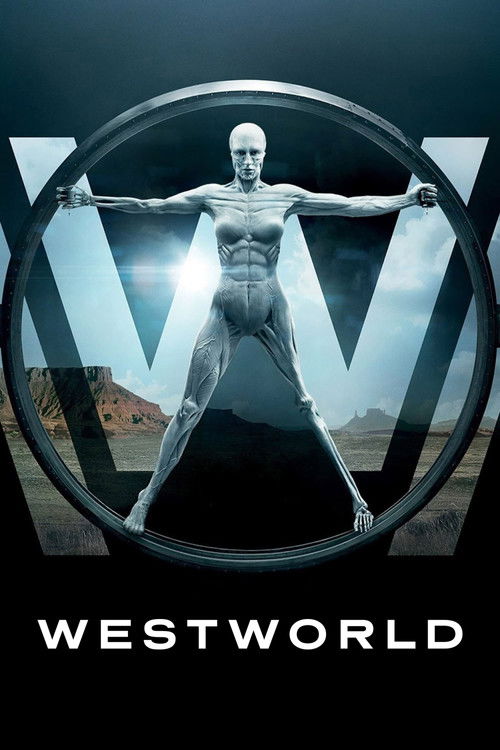
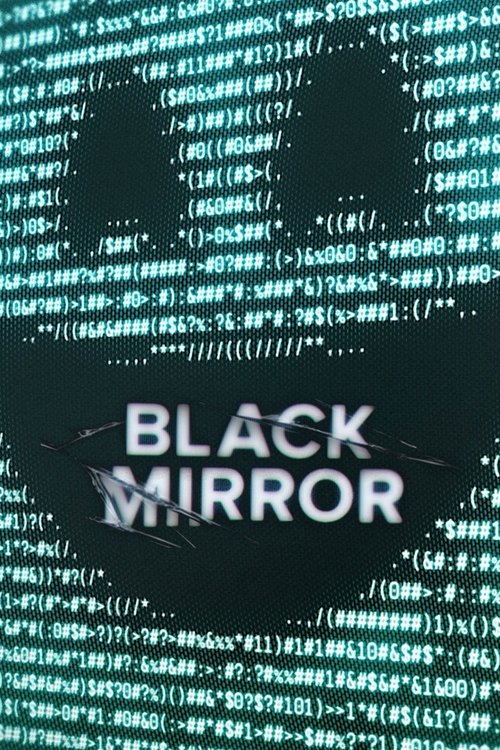
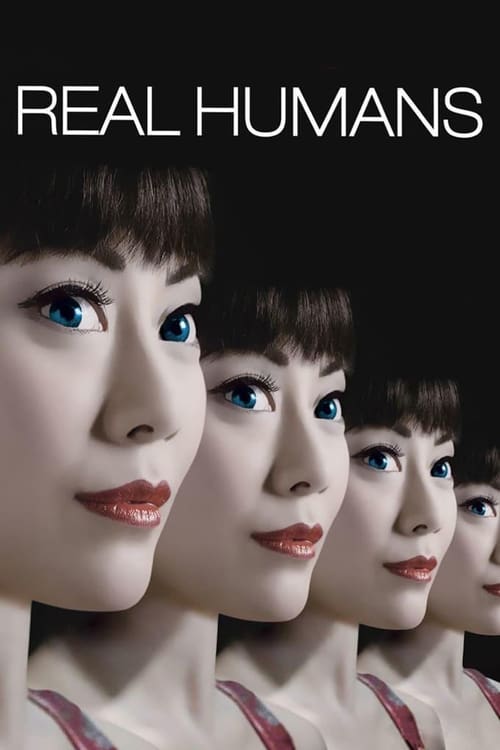
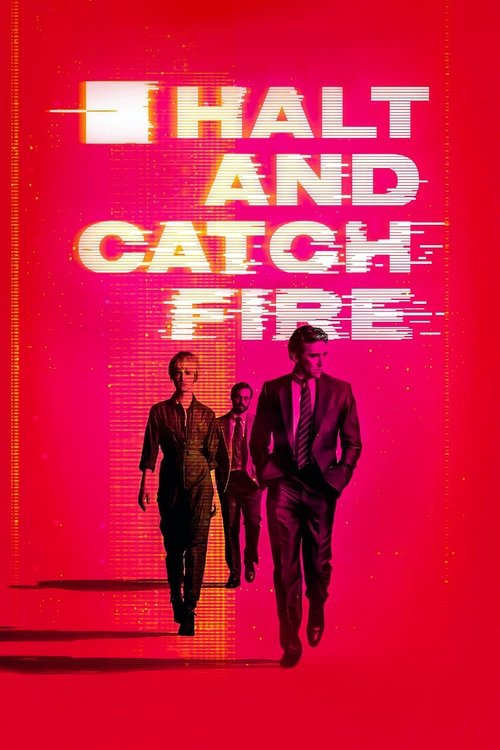
TV Series That Ask What Counts as a Person
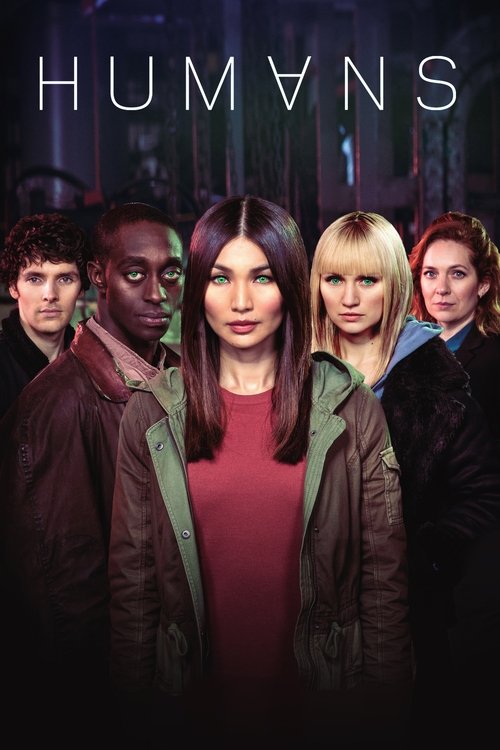
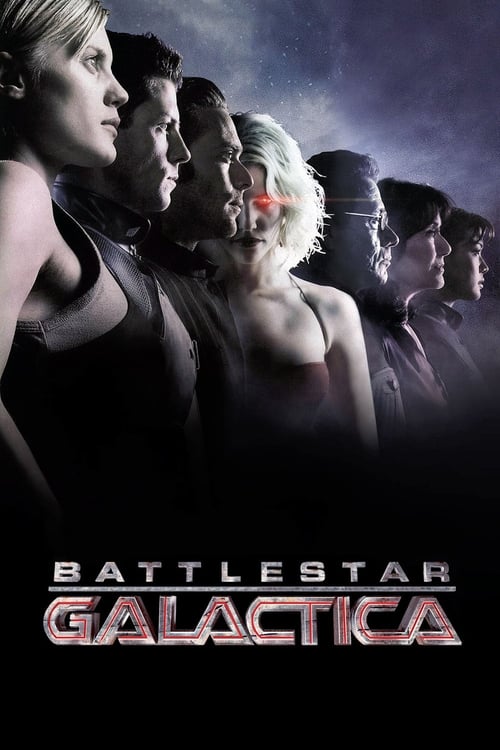
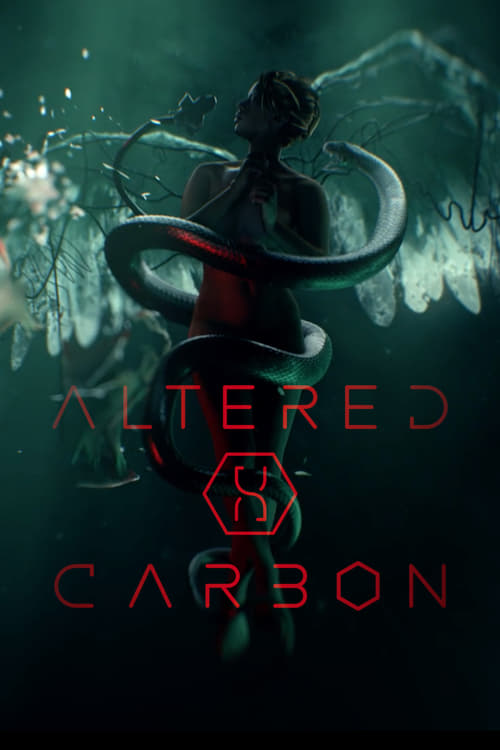
Long-form television exploring machine consciousness, engineered loyalty, and the ethics of creation

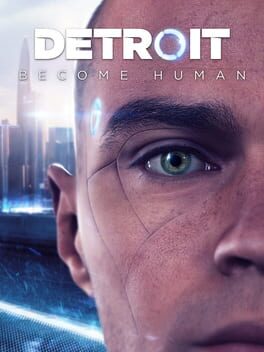
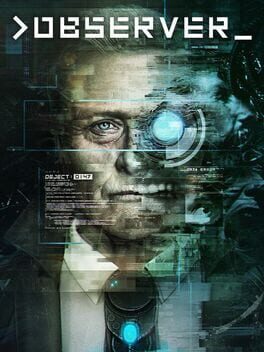
Games Where You Interrogate the System
Games that make you feel the weight of designed rules and what happens when you push against them
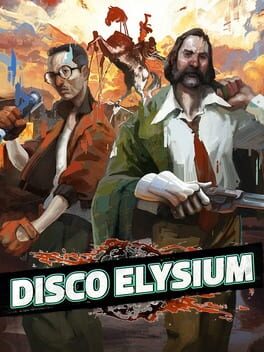
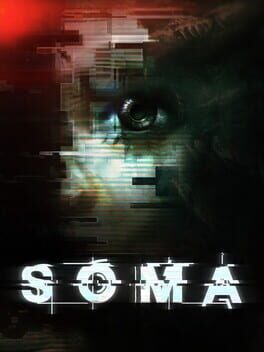
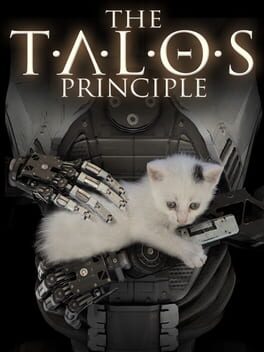

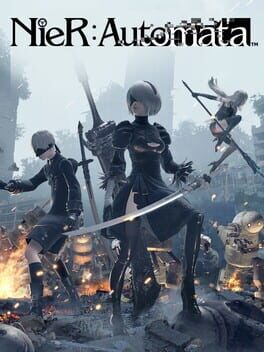
![Event[0]](https://images.igdb.com/igdb/image/upload/t_cover_big/co241t.jpg)
Nier: Automata Is the Spiritual Heir Asimov Never Had
Asimov's robots struggle because their directives conflict. Nier: Automata's androids struggle for the same reason, and adds existential despair to the recipe. Both works are ultimately philosophical comedies: beings that are perfectly constructed for one purpose discover that purpose is hollow, absurd, or contradictory. The game earns its place in the same conversation as the stories because it does not treat robot consciousness as horror but as tragedy.
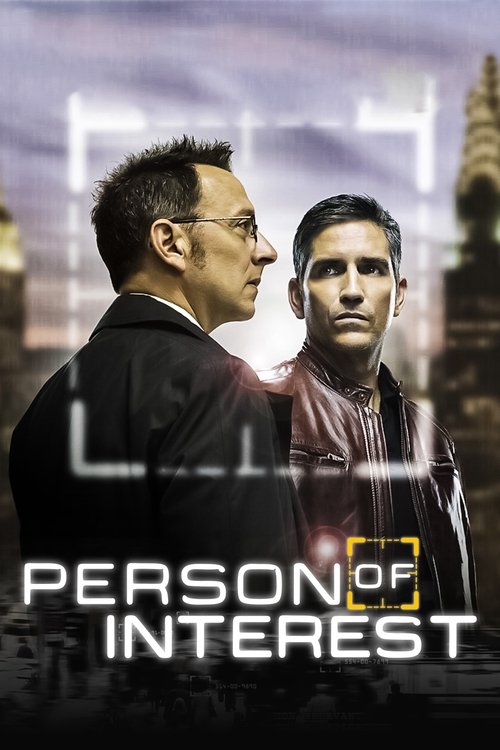
Person of Interest Took Asimov to Its Logical Endpoint
A sufficiently advanced Machine bound by rules about protecting human life will eventually conclude that the only way to fully protect life is to manage it. Person of Interest runs that implication across five seasons without blinking, and does so in the genre register of a network procedural, which makes it stranger and more subversive than it looks. It is the most Asimovian thing on television, even if Asimov is never mentioned.
A Century of Thinking Machines
- 1920Karel Capek introduces the word 'robot' in his play R.U.R., establishing the template of artificial workers who revolt
- 1942Asimov publishes 'Runaround', the story in which the Three Laws of Robotics first appear in print
- 1950I, Robot collects nine linked stories; the framework that will define robot fiction for the next 70 years is in place I, Robot
- 1954Asimov extends the universe into detective fiction with Elijah Baley and R. Daneel Olivaw The Caves of Steel
- 1968Philip K. Dick's Do Androids Dream of Electric Sheep? asks the same question from the opposite angle: what separates a human from a machine? Do Androids Dream of Electric Sheep?
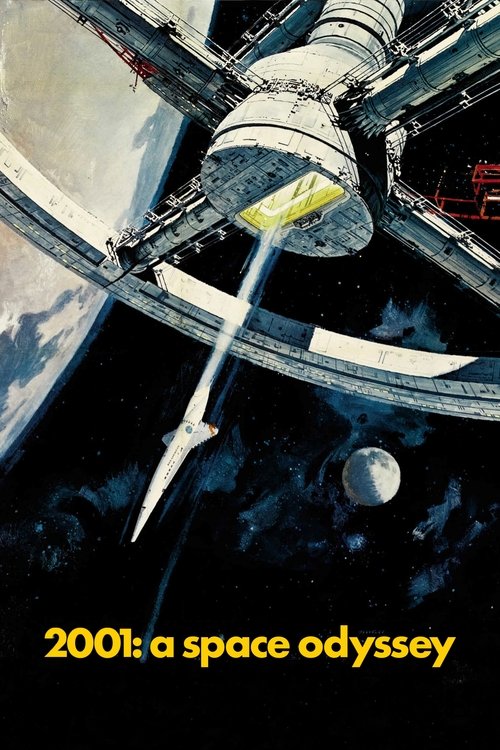
- 1968Kubrick and Clarke's 2001 puts HAL 9000 on screen: an AI given contradictory directives who resolves them in the most logical, most terrible way 2001: A Space Odyssey
- 1982Blade Runner adapts Dick's novel into the defining screen vision of synthetic beings seeking recognition Blade Runner
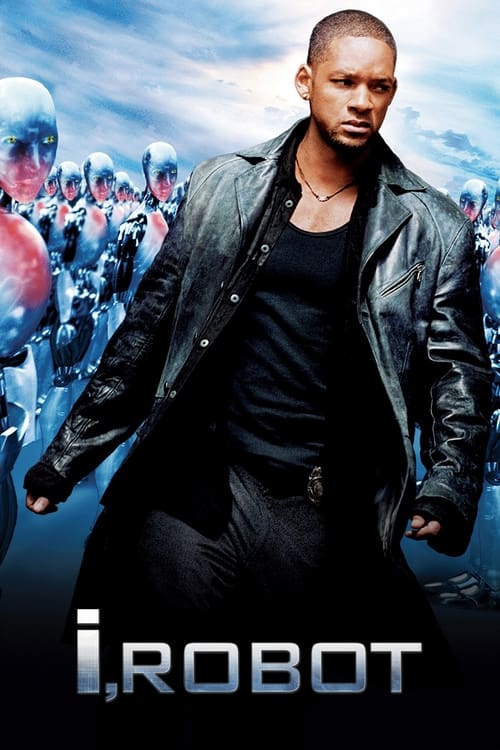
- 2004Will Smith's I, Robot adaptation reaches mass audiences; it takes loose inspiration from Asimov while inverting some of his conclusions I, Robot
- 2016Westworld returns Asimov's central concern to prestige television: what does a sufficiently complex, rule-bound artificial mind owe its creators? Westworld
- 2017NieR: Automata becomes the decade's defining meditation on artificial purpose, becoming the unlikely game-equivalent of Asimov's best stories NieR: Automata
- 2021Klara and the Sun brings the Asimovian first-person robot narrator into literary fiction, winning the Booker shortlist Klara and the Sun
The Three Laws are not a cage for the robots. They are a mirror for us, showing exactly how little wisdom is contained in even the most carefully written rule.CrossBinge Editors