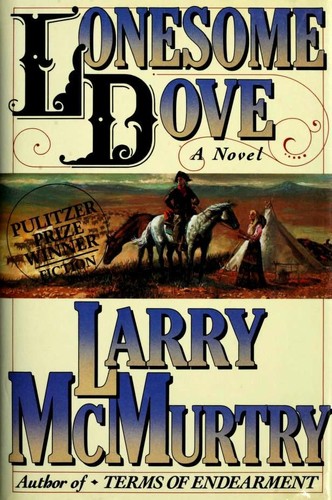

Larry McMurtry's 1985 Pulitzer-winning novel does something most epics only attempt: it makes you feel the physical weight of the American West. Two retired Texas Rangers, Gus McCrae and Woodrow Call, drive a cattle herd from Lonesome Dove, Texas to the Montana frontier, and across 900 pages the journey becomes a meditation on loyalty, mortality, the myth of freedom, and the cost of the life you chose not to live. What readers chase when they finish it is specific: that combination of vastness and intimacy, characters whose friendship runs deeper than anything they can say out loud, and a setting that is beautiful and merciless in equal measure. The frontier is not romanticized here. It kills people. It kills them randomly, and the survivors carry on, because that is what you do. If that combination caught you, everything below is chasing the same feeling.
Novels That Carry the Same Dust
Big-sky fiction where the land is a character and friendship is the real stakes.


On Screen: The Miniseries and Its Kin
Adaptations of Lonesome Dove and films that share its moral seriousness.
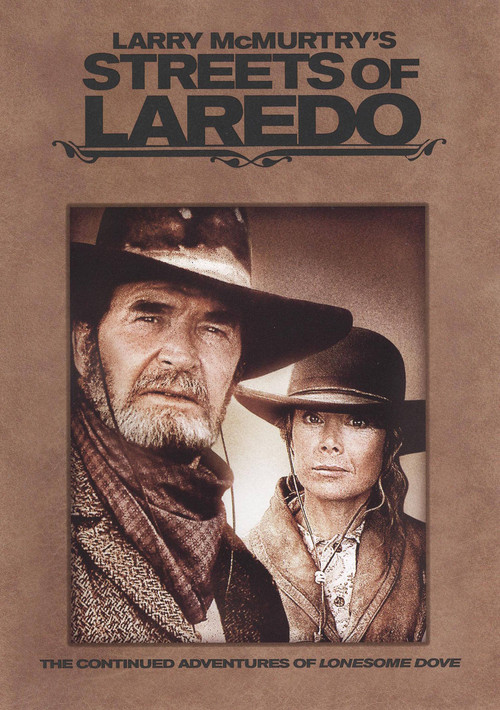
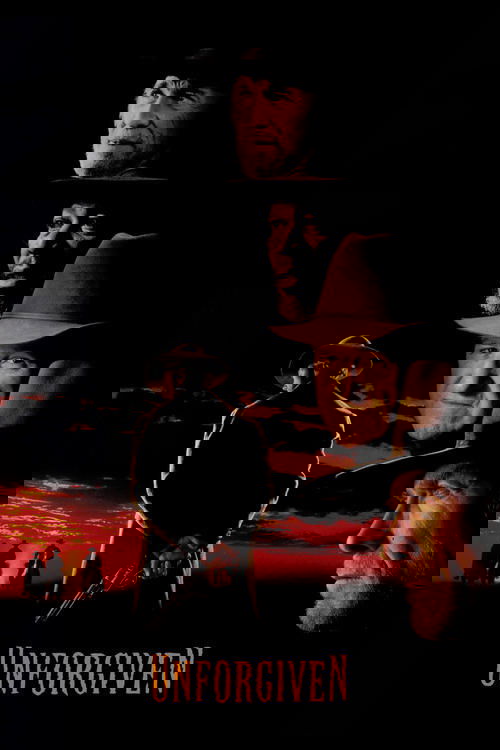
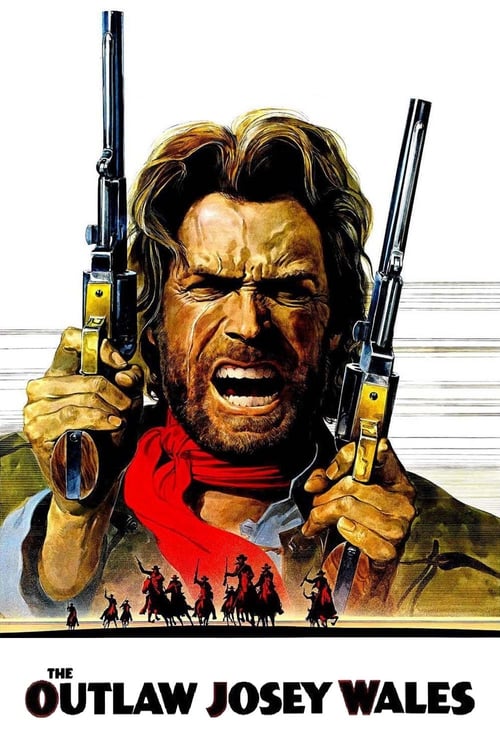
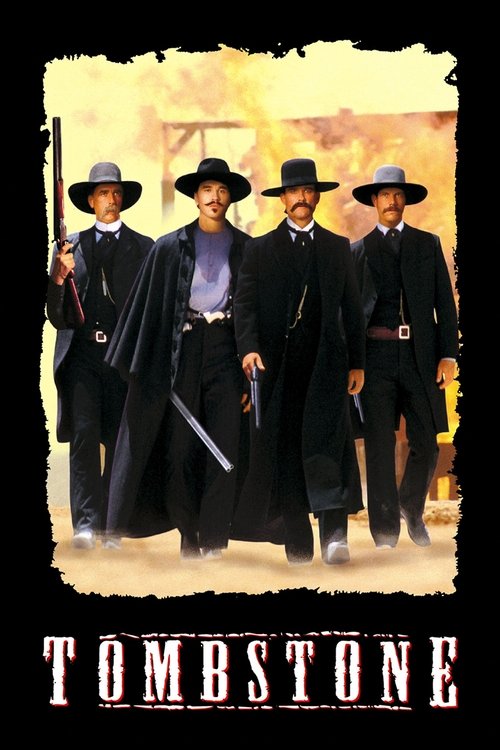
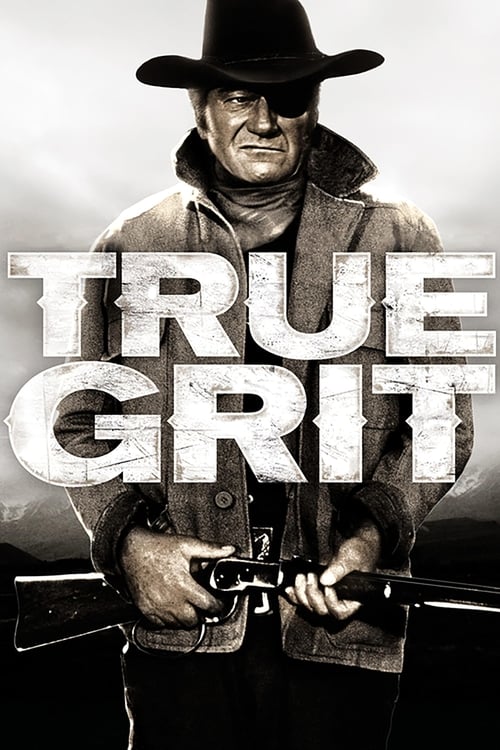
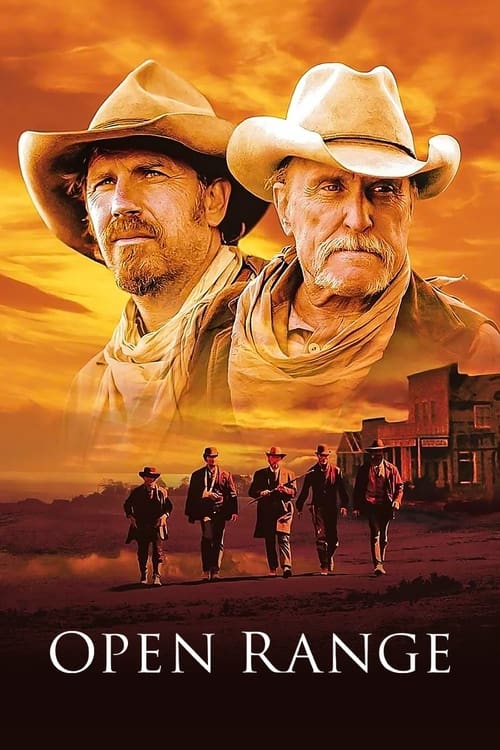


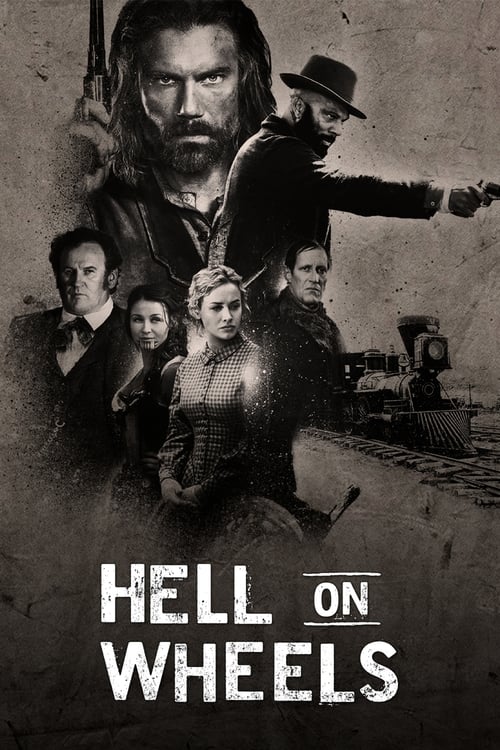
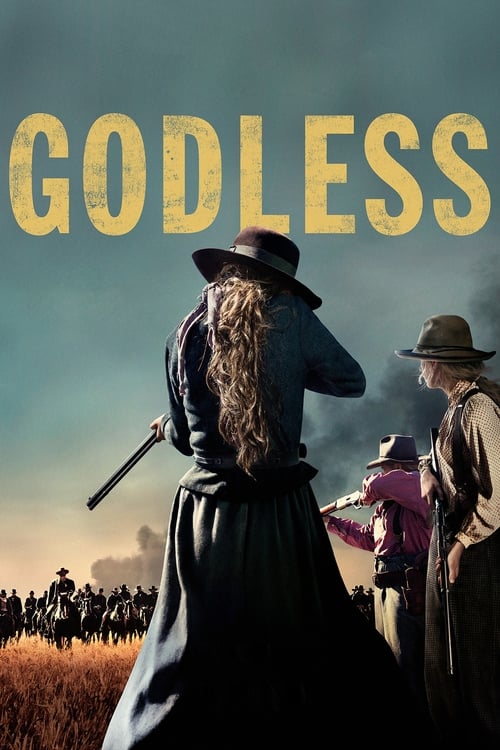
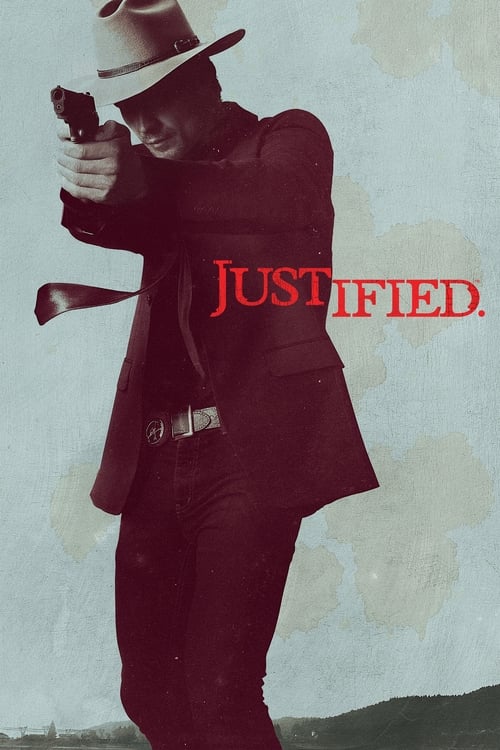
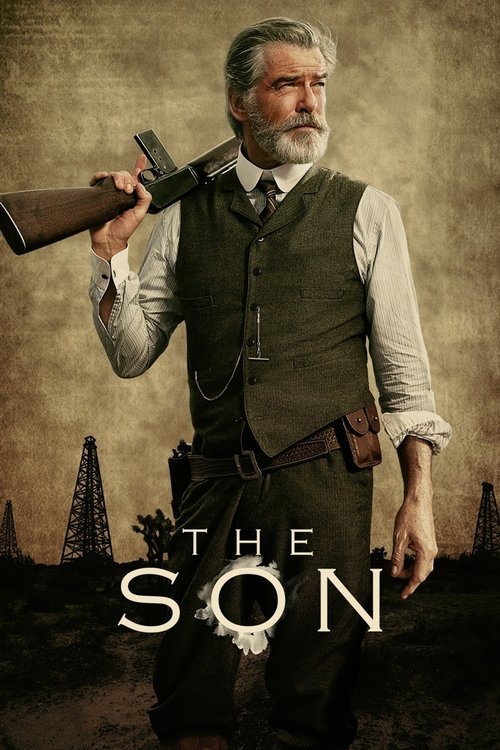
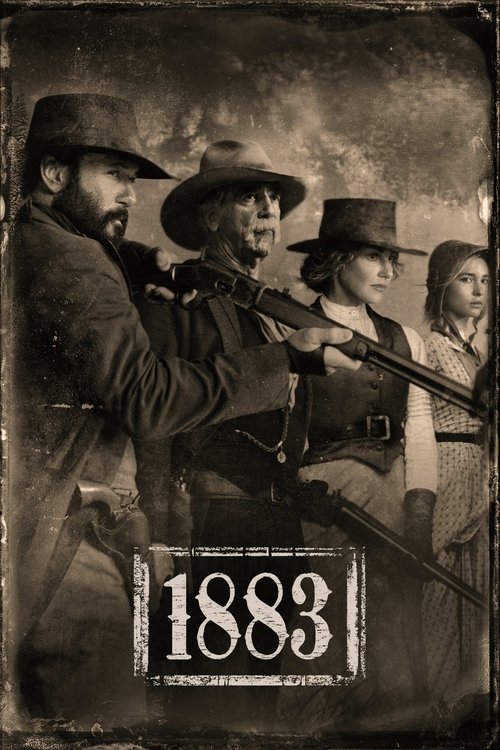
Television That Goes the Distance
Series built on long journeys, hard country, and characters who mean every word they don't say.
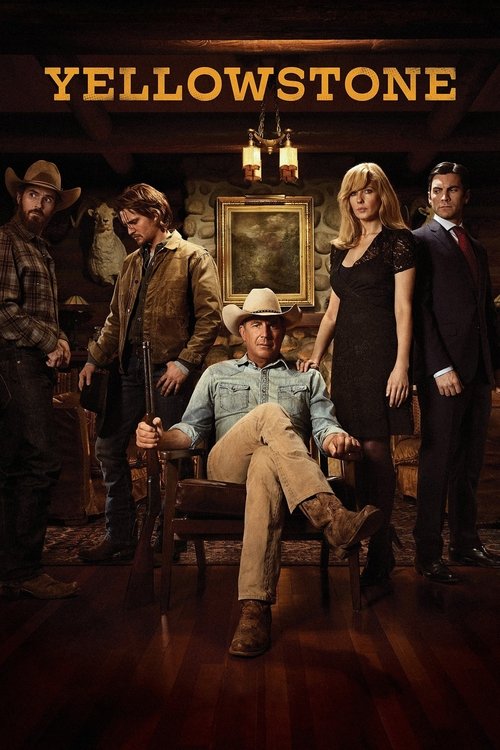
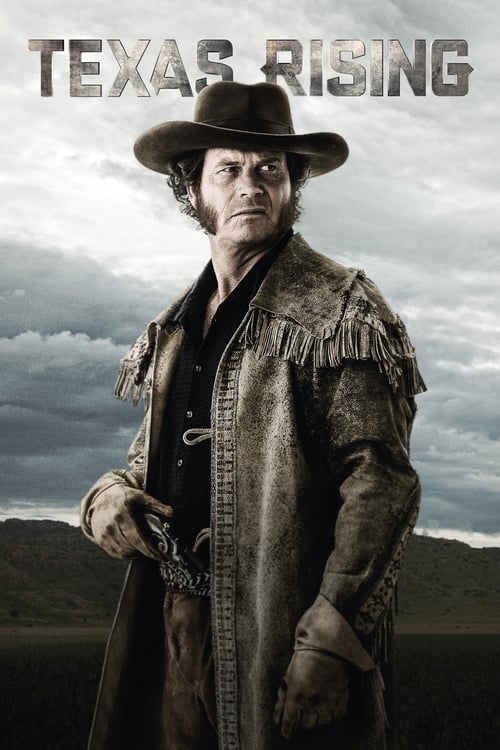

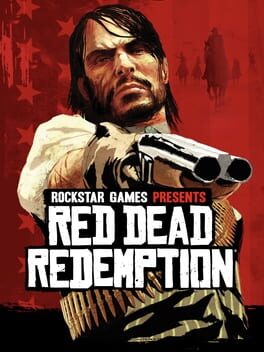
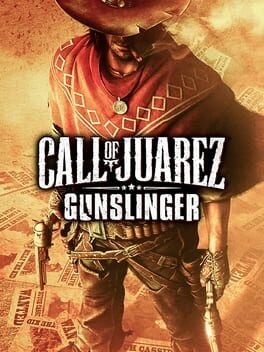
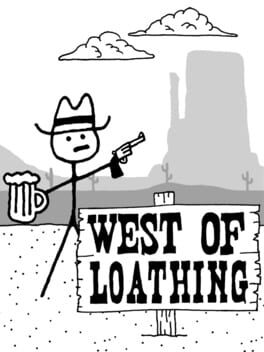
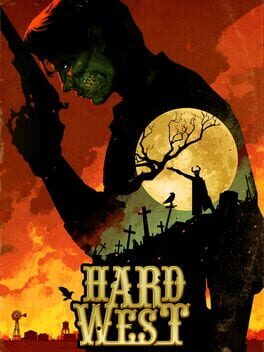
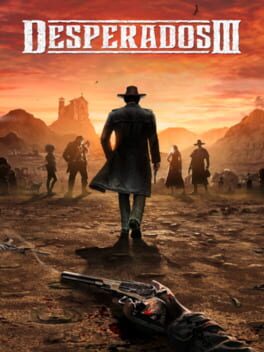
Games Where the Frontier Pushes Back
Open worlds that understand consequence, endurance, and the loneliness of wide-open space.
Gus McCrae Is the Best Character in American Fiction You Never See on Lists
He talks too much, drinks too much, and is constitutionally unable to be anywhere on time. He is also the most fully human character McMurtry ever wrote. Gus is funny and vain and completely without self-deception, which is rarer in literary protagonists than you might think. The scene in which he dies is one of the most wrenching in American fiction, not because of what happens to him but because of what he says. Most 'great character' lists are populated by brooding loners. Gus is a brooding loner's best friend, which is harder to write and more useful to read.

Cormac McCarthy and McMurtry Are Doing Opposite Things with the Same Material
Blood Meridian and Lonesome Dove are near-contemporaries, both set in the same Southwest frontier, both populated by violent men on horseback. McCarthy strips out sentiment entirely, strips out almost everything except violence and landscape and a kind of biblical dread. McMurtry keeps the friendship. He keeps the jokes. He keeps the women who outlast the men. Reading them back to back is not redundant; it is a debate about what the West actually was, and whether human warmth survives it. They reach different verdicts.
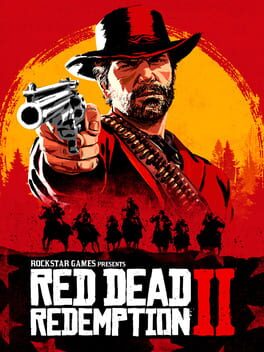
Red Dead Redemption 2 Is the Closest Any Game Has Come to This Novel
The comparison sounds like a stretch until you are two hours in and realize the game is not about shooting. It is about a man in a dying world who is loyal to people he has already half-understood are going to get him killed. Arthur Morgan and Woodrow Call share a flaw: they cannot stop doing the thing they are good at even when it is clearly time to stop. Both narratives use the frontier as an elegiac backdrop, the American West in its final days, already crowded out by civilization. The horse physics help, but it is the mood that closes the distance.
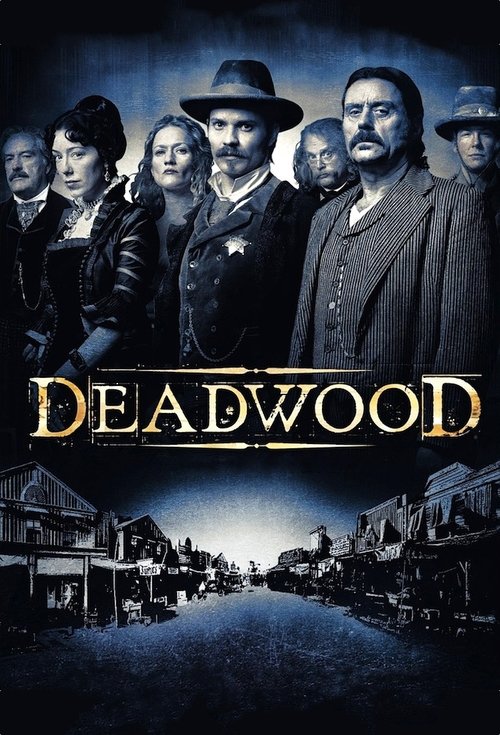
Deadwood Picks Up Where the Novel Leaves Off, Tonally
McMurtry's world is on the edge of the frontier closing. David Milch's Deadwood is set in the moment it actually closes, when law and commerce arrive to formalize what men with guns had improvised. The language is Shakespearean and profane for the same reason McMurtry's dialogue is so good: both writers believe these people were as complicated as people anywhere, and that frontier life did not make men simpler, only more exposed. Deadwood is what happens after the cattle drive ends and someone builds a hotel.
The Lonesome Dove World, In Order
- 1842Dead Man's Walk: Gus and Call's first disastrous campaign as young Rangers, deep in Comanche territory.
- 1858Comanche Moon: the middle years, the Rangers at their peak and the frontier still genuinely dangerous.
- 1876Lonesome Dove: the cattle drive north to Montana, the novel that started it all. Lonesome Dove
- 1985McMurtry publishes the original novel; wins the Pulitzer Prize the following year.
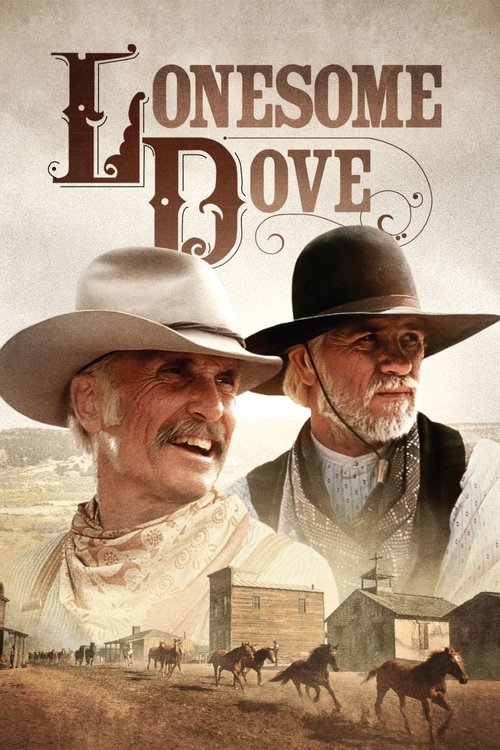
- 1989The CBS miniseries airs, starring Robert Duvall and Tommy Lee Jones. Becomes the definitive screen adaptation. Lonesome Dove
- 1893Streets of Laredo: set years later, Call alone, older, the frontier fully closed around him.
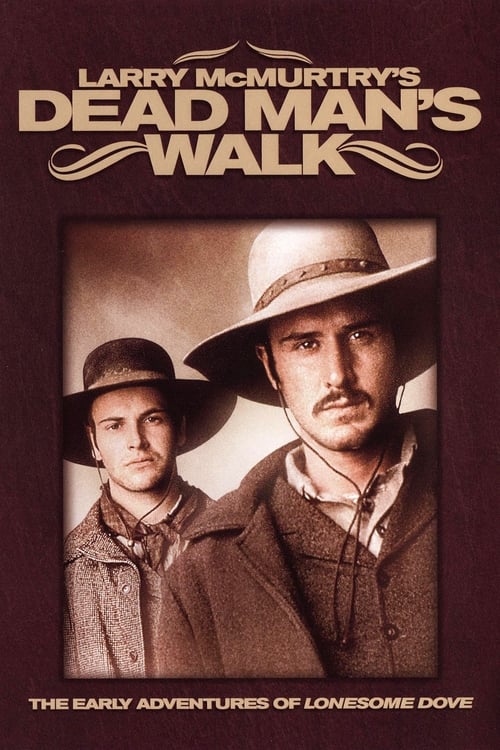
- 1995Dead Man's Walk miniseries airs. Dead Man's Walk
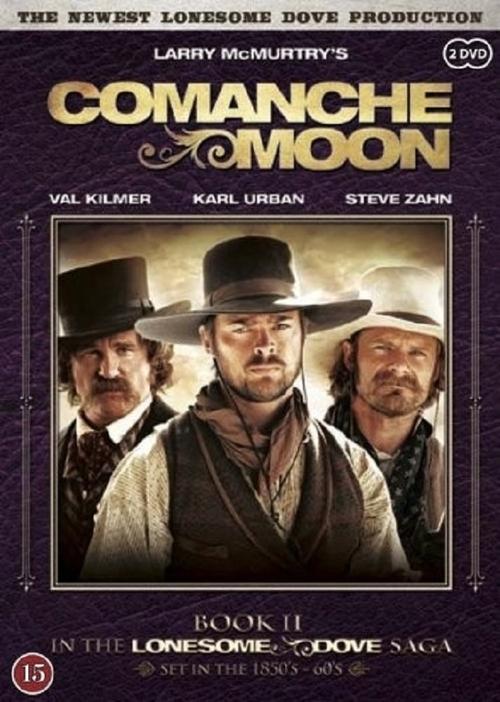
- 2008Comanche Moon miniseries completes the television cycle. Comanche Moon
The earth was like a magnet, pulling him closer and closer, and one day would pull him all the way down.Larry McMurtry, Lonesome Dove