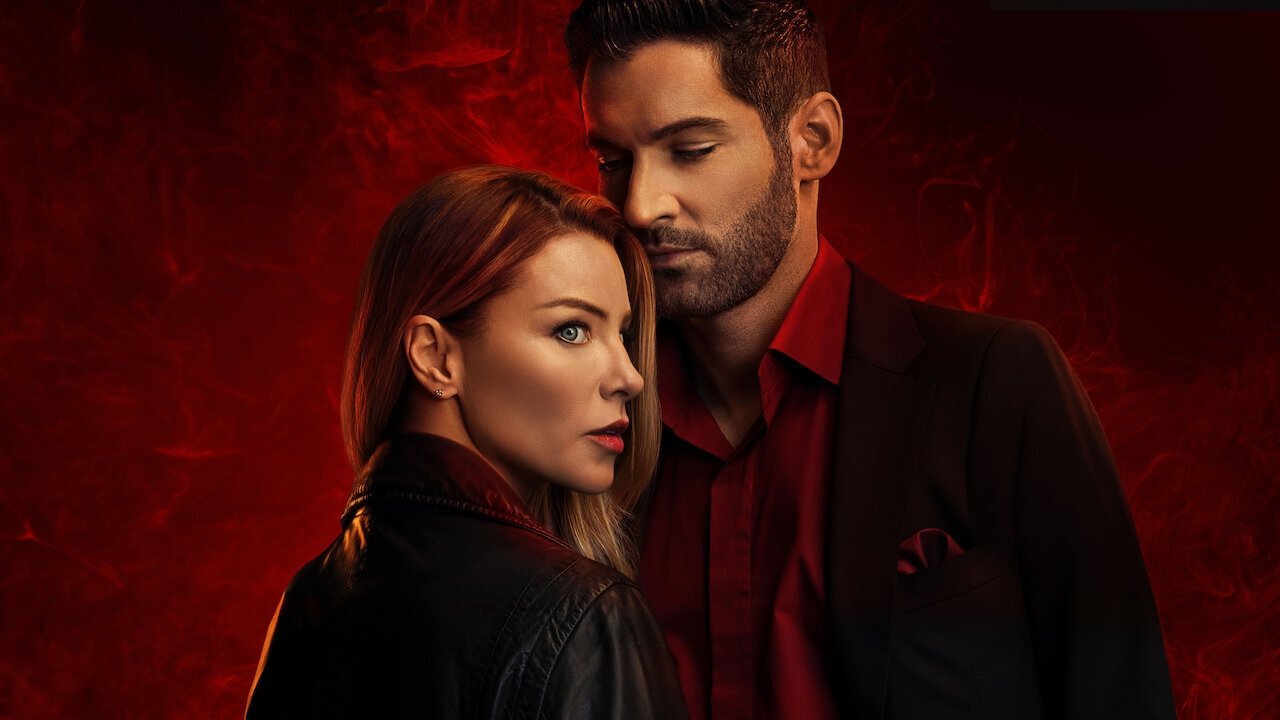

Lucifer Morningstar works as a nightclub owner in Los Angeles, consults for the LAPD, and is, incidentally, the Devil. What made the show a cult phenomenon was never really the procedural cases or the mythology. It was the central tension: a being of absolute power choosing, week after week, to be vulnerable. The tone walks a wire between noir wit and genuine emotional weight, and the supporting cast (an angel, a demon, a therapist who has actually heard it all) keeps the cosmic grounded. Fans of Lucifer tend to be fans of a very specific cocktail: supernatural premise played straight enough to hurt, a will-they-won-they romance with actual chemistry, and the philosophical question of whether free will matters if the universe keeps nudging you toward your destiny. That cocktail shows up across every medium, if you know where to look.
Essential Lucifer
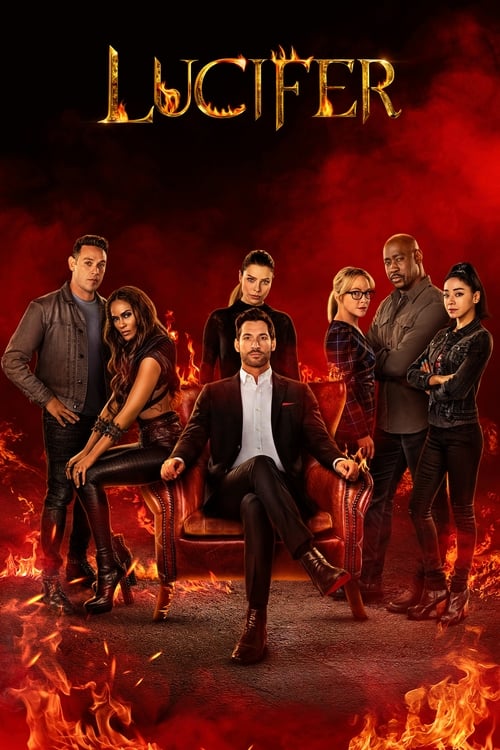
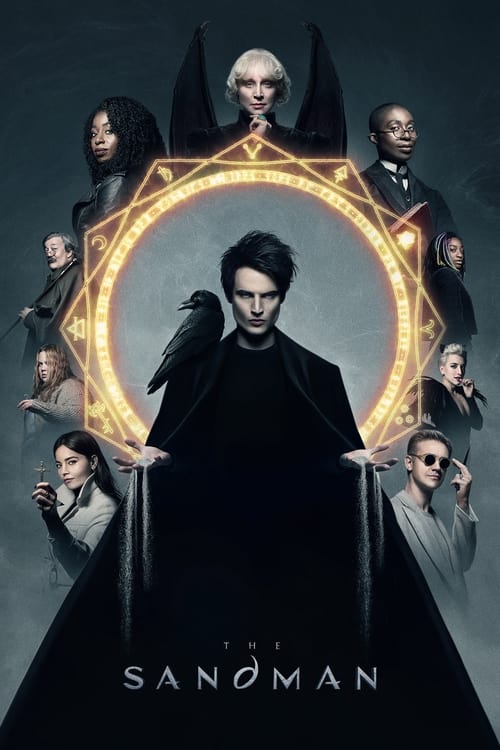
The show itself across its full run, plus the Neil Gaiman comics that started it all.


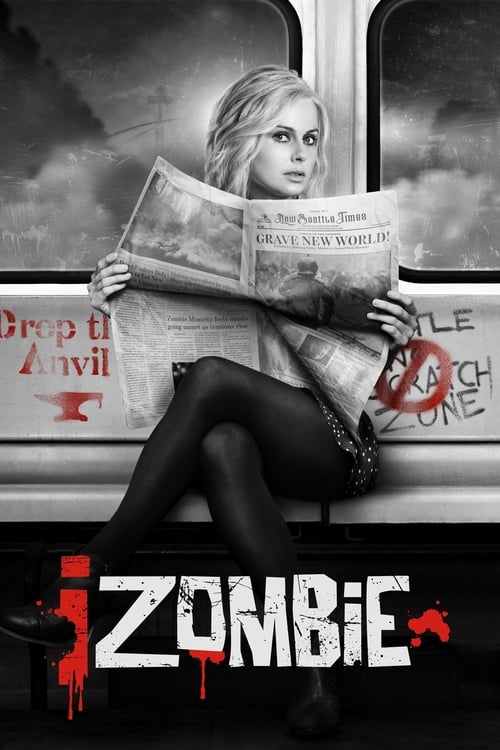
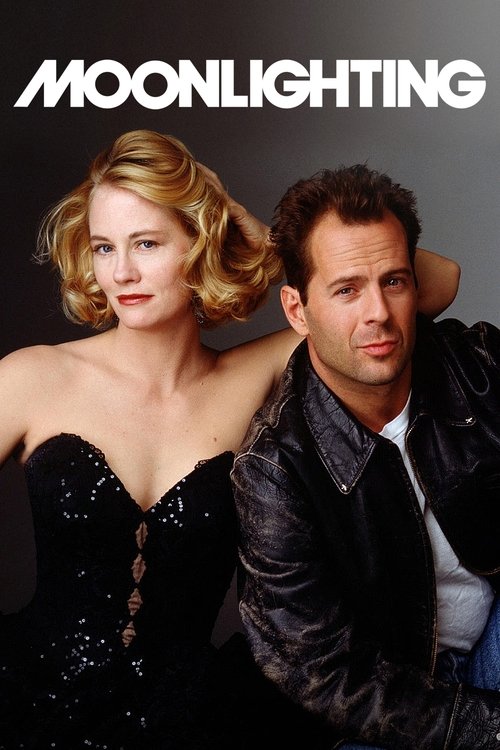
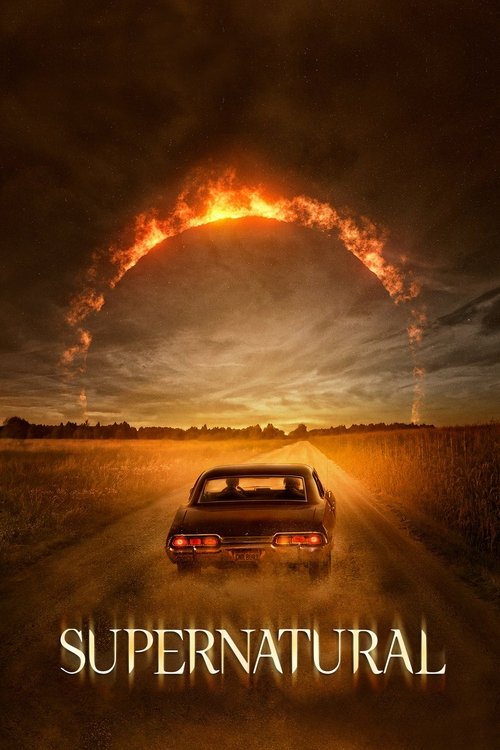
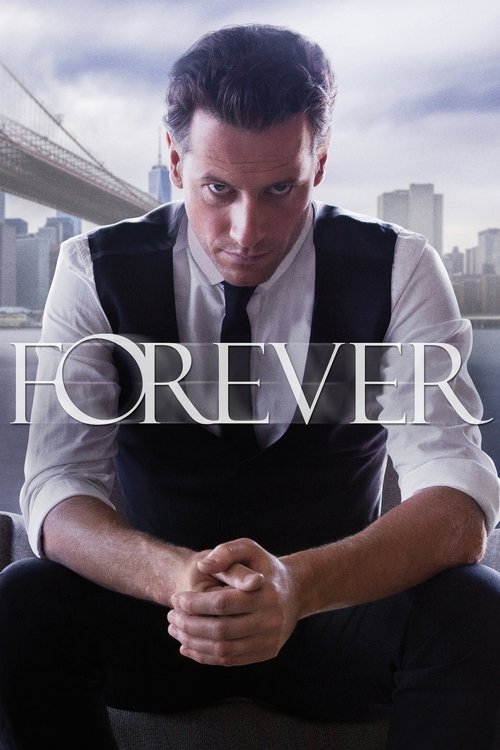
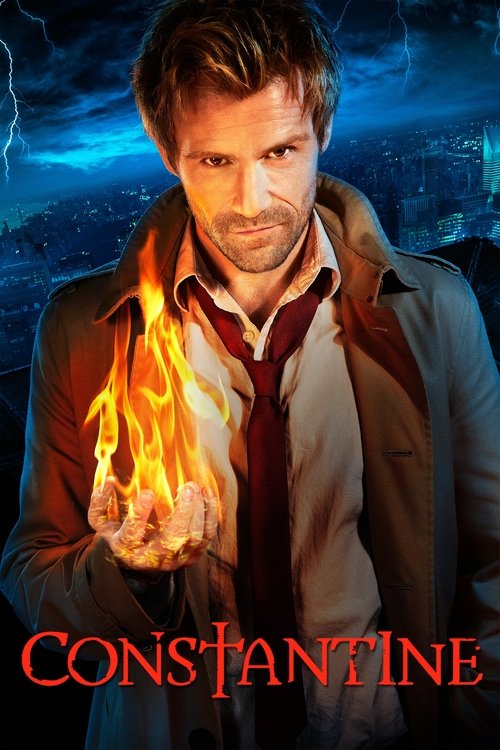
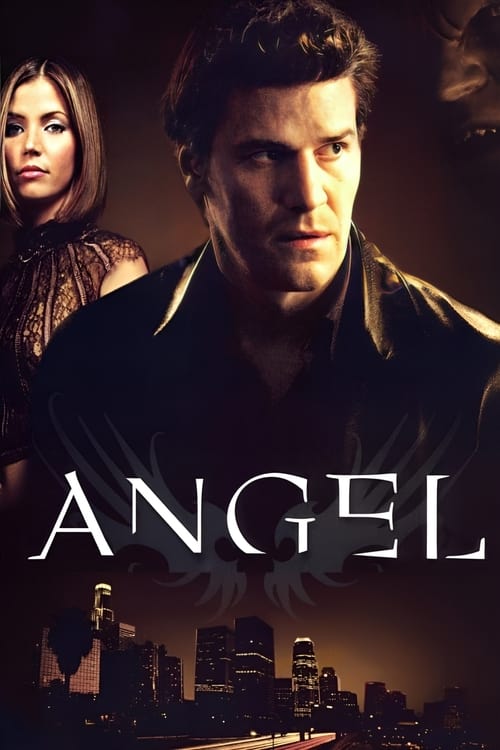
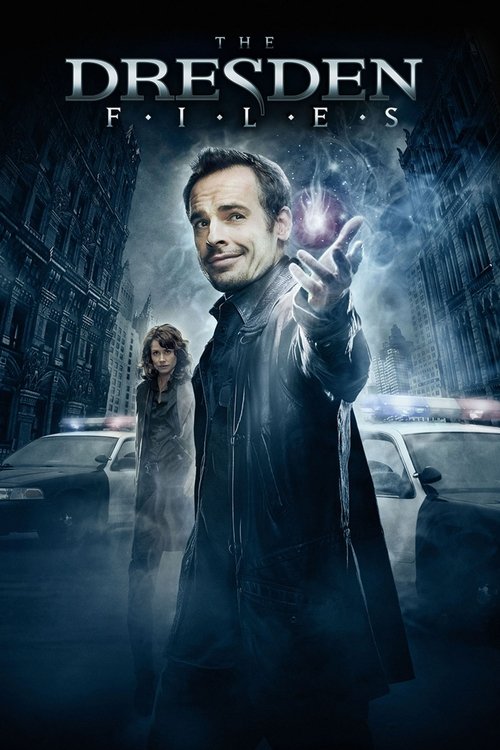
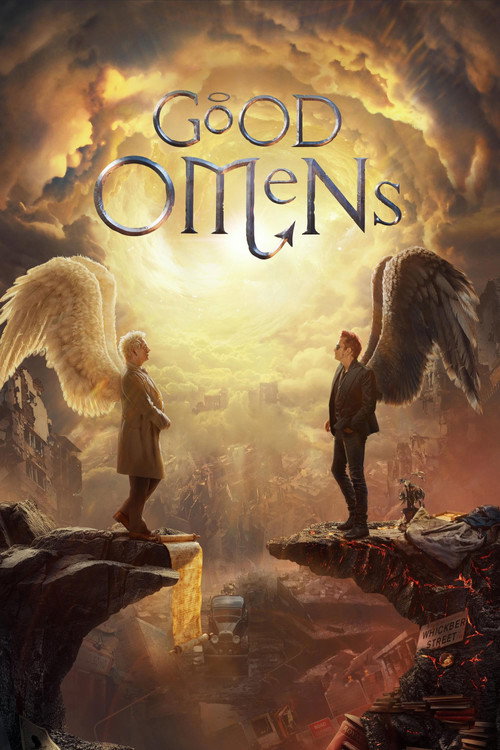
If You Love the Supernatural Procedural
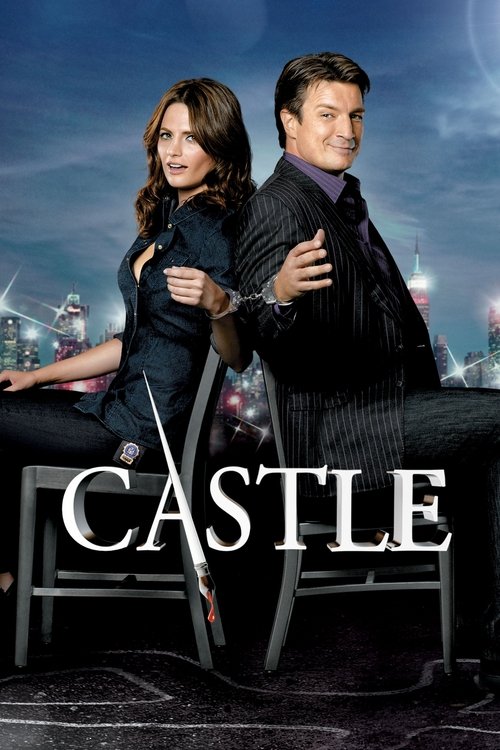
Shows that pair a monster-of-the-week format with a serialized mythology and a detective at the centre.

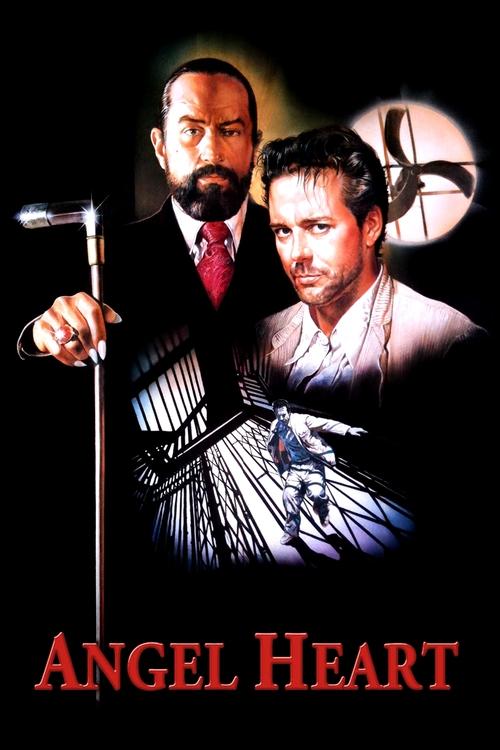
The Devil Goes to the Movies
Films that play the fallen-angel or divine-agent premise for comedy, noir, or genuine dread.



Read the Mythology
Novels and comics that dig into angels, devils, free will, and the bureaucracy of heaven and hell.


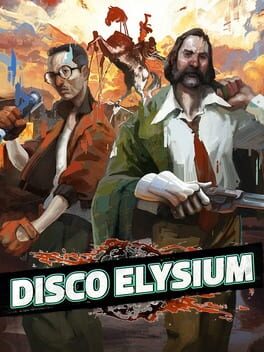
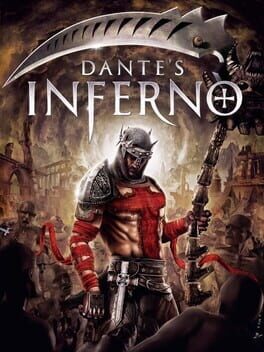
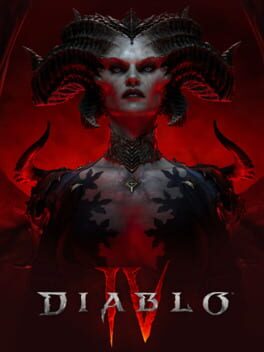
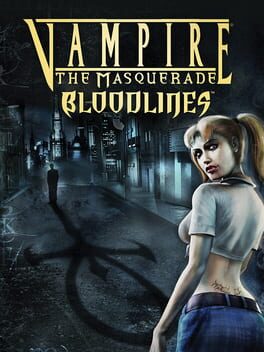
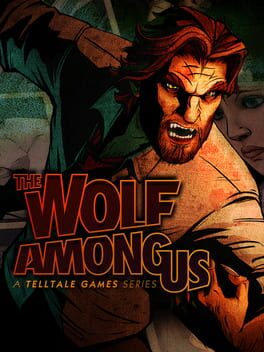
Games That Give You Hellish Charm
Games with morally complicated supernatural protagonists, underworld settings, or noir-soaked tone.



Music for the Morningstar
Albums and artists whose sound matches the show's mix of smoky jazz piano, aching soul, and showstopper bombast.
The Procedural Format Was Never the Point
Critics who dismissed Lucifer as just another police procedural missed what the show was actually doing. The case of the week was a Trojan horse: a low-stakes narrative container that let the writers explore guilt, punishment, and self-worth in a register that a straight drama never could. The best episodes barely register as detective stories. They register as therapy sessions with excellent suits.
Hades Is the Best Lucifer Game That Was Never Made
Supergiant's roguelike shares almost every DNA strand with the show: a charming, emotionally guarded protagonist trying to escape his divine father's expectations, a cast of underworld figures who each have their own complicated feelings about him, and a loop structure that rewards repeated runs with deepening relationships. The writing is funnier and the mythology denser than most television. If you bounced off the game before, try it after finishing the show.
Good Omens Completes the Gaiman Cycle
Neil Gaiman co-created the comic book Lucifer as part of the Sandman universe, but Good Omens (co-written with Terry Pratchett) is the companion piece the TV show most resembles in spirit. An angel and a demon who have gone native on Earth, a reluctant apocalypse, and a deep suspicion that the Almighty's plan might be wrong: the overlap is not accidental. Fans of the show who have not read the novel are missing half the conversation.
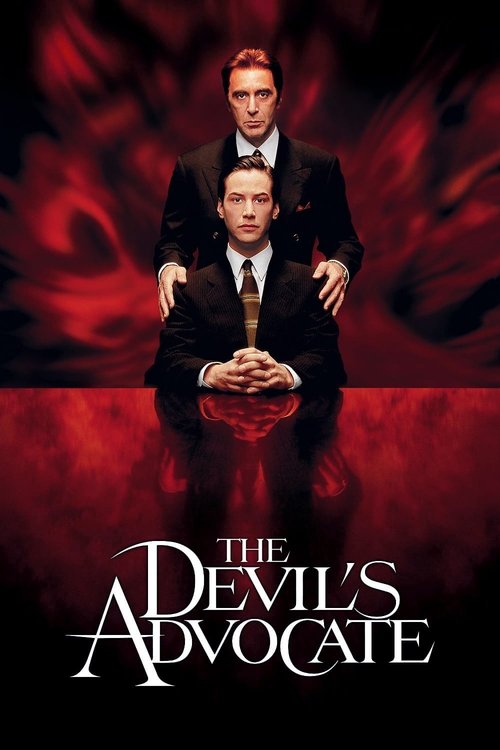
The Devil's Advocate Remains the Definitive Film Version of This Premise
Al Pacino's John Milton is Lucifer without the redemption arc: all the wit, all the power, none of the therapy. What the 1997 film does that no later version has matched is make the corrupting offer feel genuinely tempting rather than obviously sinister. Keanu Reeves's lawyer wants to believe in the deal even as the walls close in. That moral vertigo is exactly what the TV show generates in its darker episodes, and it rewards watching them side by side.
The Devil in Popular Culture: Key Moments
- 1667John Milton publishes his epic poem, establishing Satan as a tragic figure of genuine grandeur rather than pure evil. Paradise Lost
- 1938Mikhail Bulgakov finishes his satirical novel featuring the Devil visiting Soviet Moscow (published posthumously in 1966). The Master and Margarita
- 1987Neil Gaiman introduces Lucifer Morningstar as a supporting character in The Sandman comics. The Sandman
- 1997The Devil's Advocate brings the charismatic Lucifer archetype to mainstream cinema. The Devil's Advocate
- 1999Kevin Smith's Dogma treats the divine bureaucracy as both comedy and genuine theological argument. Dogma
- 2000Mike Carey launches the Lucifer solo comic series, spinning Gaiman's character into a 75-issue mythology of his own. Lucifer
- 2001Good Omens is adapted as a BBC radio play, beginning the property's long journey toward screen. Good Omens
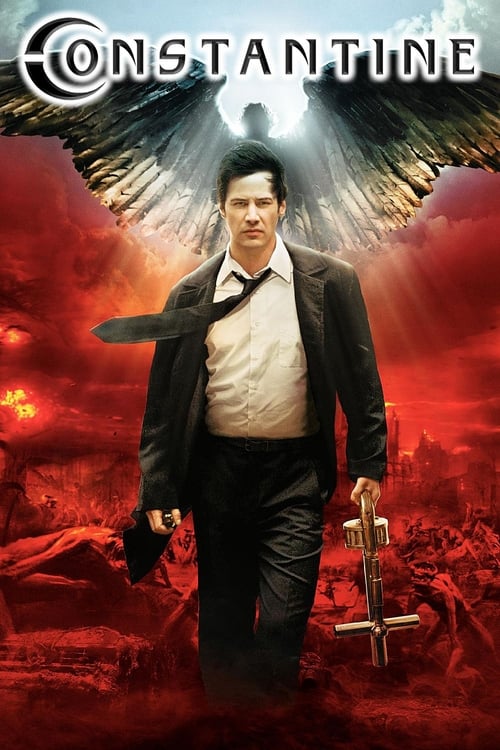
- 2005Constantine brings the Hellblazer occult detective to cinema. Constantine
- 2016Lucifer premieres on Fox, adapting the Carey/Gaiman comics into a procedural format. Lucifer
- 2019Good Omens arrives on Amazon, completing the Gaiman celestial comedy cycle on screen. Good Omens
- 2020Hades wins the Hugo Award for Best Game, bringing mythological underworld drama to its peak interactive form. Hades
- 2021Netflix delivers the final two seasons of Lucifer, concluding the six-season run. Lucifer
The most interesting version of the Devil was never the one who wanted to destroy humanity. It was the one who wanted to understand it.CrossBinge Editors