
Machine Head arrived in 1994 Oakland with a sound that felt like a punch to the chest and a fist raised in solidarity. Robb Flynn and company fused the churn of Bay Area thrash with the mid-paced groove that Pantera had just weaponized, but they leaned harder into blue-collar rage and genuine emotional weight. The early records hit like a sledgehammer; the later ones, especially the career-defining The Blackening (2007), revealed a band willing to write eight-minute epics that earned every second. Machine Head fans chase a very specific thing: music that is technically demanding yet viscerally physical, angry but never nihilistic, and always rooted in real human cost. That sensibility threads through an entire world of films, books, TV, and music that this guide maps out.
Essential Machine Head
The albums that define the catalog, from the Oakland breakthrough to the mature magnum opus.
The Groove-Thrash Family Tree
Bands and albums that share Machine Head's collision of technical riffing, groove, and working-class aggression.
The Blackening is the genre's Sistine Chapel
In 2007, when metalcore had colonized heavy music and old-guard thrash bands were struggling to stay relevant, Machine Head released an album of nine tracks averaging over six minutes each, all of them dense, ambitious, and emotionally raw. The Blackening won Metal Hammer's Album of the Decade for the 2000s, and the verdict holds. It is the record that proves heavy music can be simultaneously brutal and profound without irony or compromise.
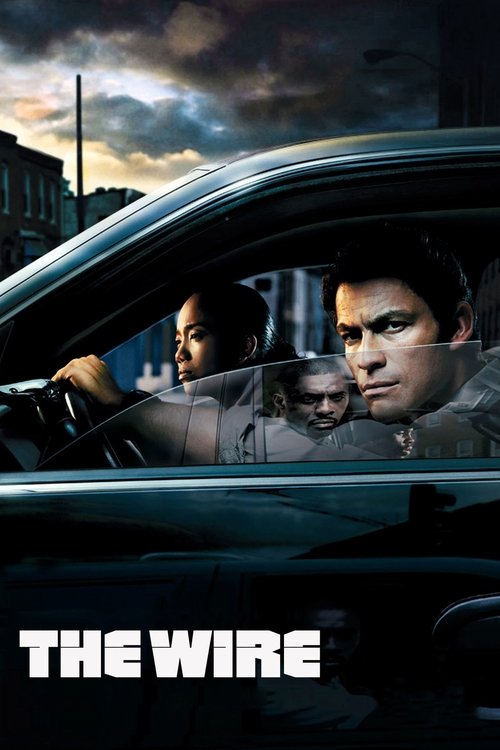
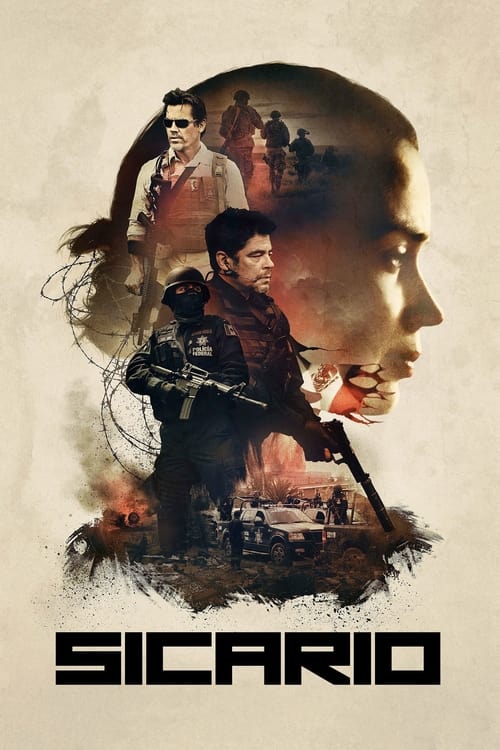
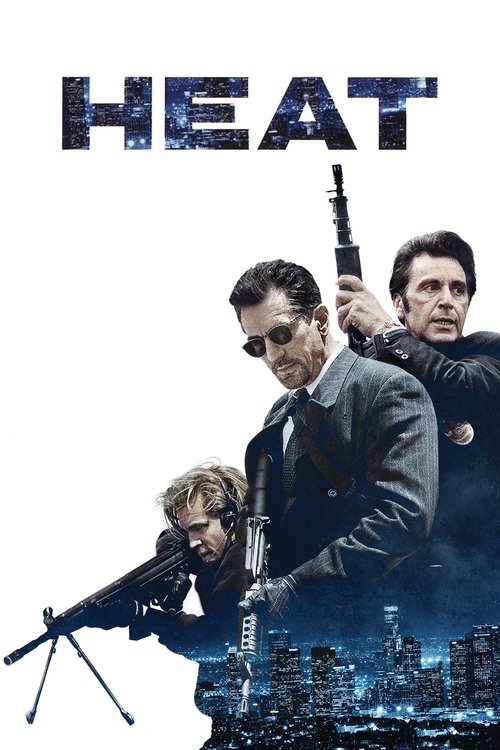
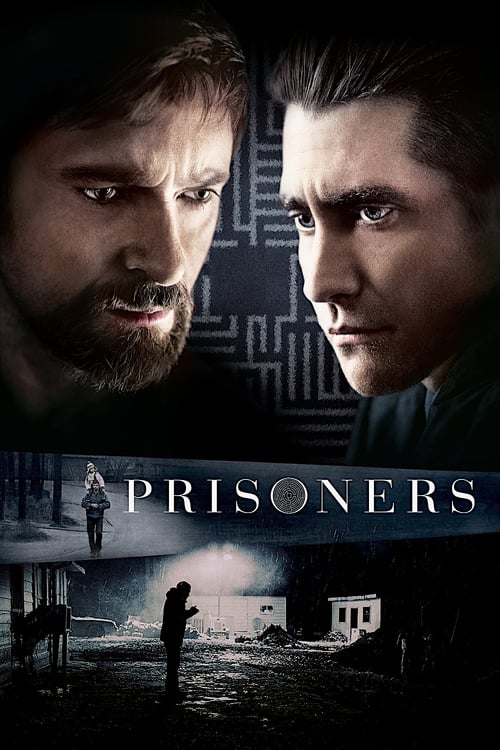
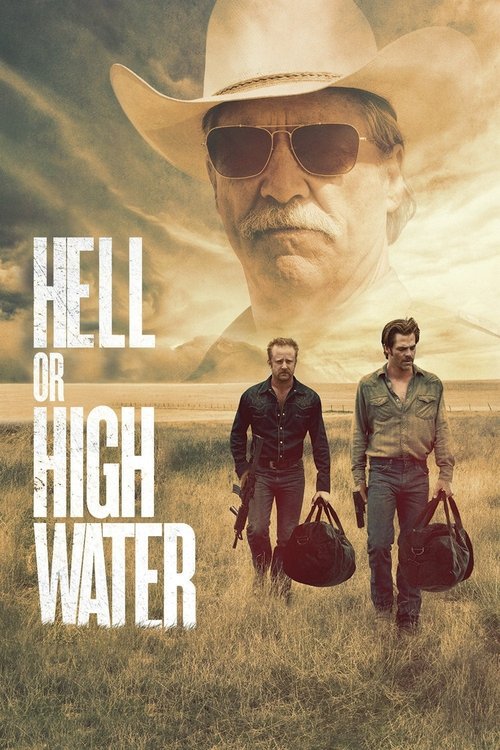
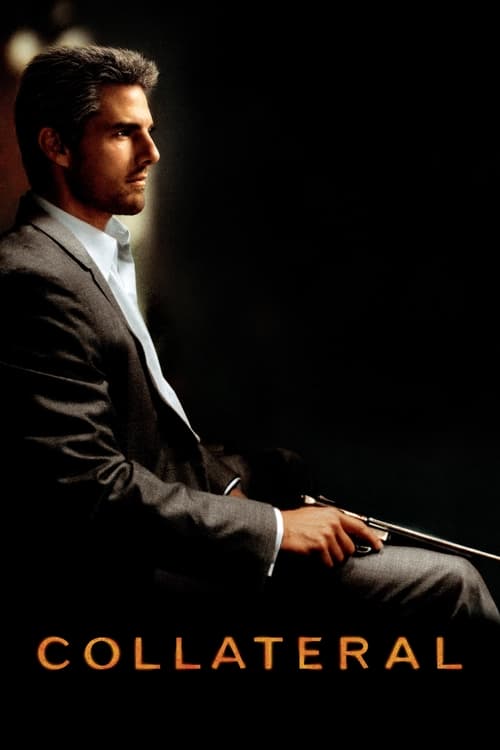
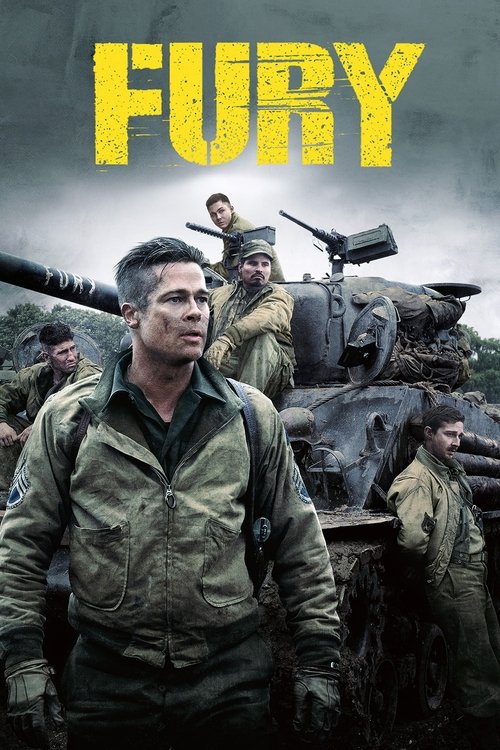
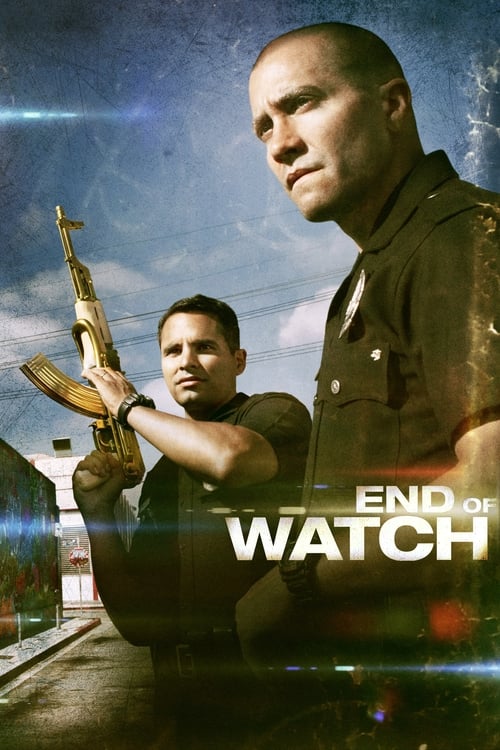
Films and Series with the Same Fury
Screen work that channels Machine Head's themes: industrial decay, class anger, survival, and fighting back.



Machine Head: A Career in Milestones
- 1991Robb Flynn founds Machine Head in Oakland, California after leaving Vio-lence.
- 1994Debut album released on Roadrunner Records, establishing the Oakland groove-thrash sound. Burn My Eyes
- 1997Second album doubles down on mid-paced aggression and earns cult status.
- 1999The band weathers lineup changes and label pressure but stays the course. The Burning Red
- 2003Critical and commercial resurgence signals a creative second act. Through the Ashes of Empires
- 2007The Blackening released; unanimously acclaimed as an instant classic. The Blackening
- 2011Unto the Locust continues the epic-songwriting era with symphonic ambition.
- 2018Catharsis sparks debate with genre-blending that divides the fanbase.
- 2022Of Kingdom and Crown marks a return to focused, concept-driven heaviness. Of Kingdom and Crown
Books for the Angry and the Searching
Novels and nonfiction that share Machine Head's emotional register: working-class struggle, violence as consequence, and the search for meaning in a hostile world.


Oakland made Machine Head what they are
The Bay Area has a specific relationship with heavy music that goes back to the Exodus and Metallica rehearsal rooms of the early 1980s. Machine Head did not arrive in a vacuum: they inherited a scene built on sweat, working-class grit, and a competitive community that demanded real chops. That geography shaped the band's relentless drive and their refusal to chase trends, even when trends would have been commercially safer. Understanding the Bay Area thrash ecosystem is understanding why Machine Head sounds the way they do.
We are the voice of the broken and the damned. We play heavy metal because it is the only language honest enough for what we have to say.Robb Flynn, Machine Head
Games That Hit as Hard
Games built on aggression, precision under pressure, and the satisfaction of mastering brutal systems.






The comeback arc is the most underrated story in metal
Through the Ashes of Empires (2003) is where Machine Head stopped being a band fighting for relevance and became a band fighting for excellence. After two albums that confused and partially alienated their core audience, Flynn stripped back the experiments and returned to what Machine Head did best: massive riffs, genuine emotional investment, and songs built to last. It is one of heavy metal's great creative recoveries, and it set the stage for everything that followed.
Heaviness is not speed, it is weight
Machine Head proved repeatedly that the slowest, most deliberate passages carry more impact than any blast beat. The breakdown in 'Halo' (from The Blackening) lasts under two minutes but feels geological in its pressure. This is a band that understood groove as a form of devastation, not just rhythm. Fans who chase that specific quality will find it in Pantera, in early Lamb of God, and in Sepultura's Chaos A.D., all of which share the same conviction: that timing and space hit harder than speed alone.