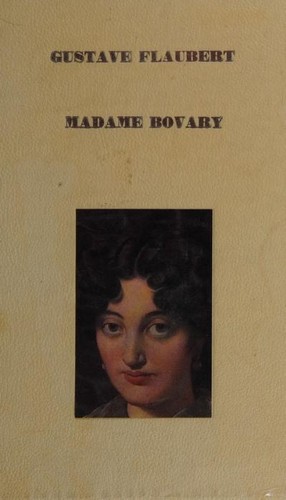

Flaubert's 1857 novel is the benchmark for a very specific kind of literary dread: the gap between the life you were handed and the one you imagined for yourself. Emma Bovary reads romance novels, marries a decent but dull country doctor, and slowly destroys herself chasing an intensity that the world around her cannot provide. What fans return to is not tragedy in the classical sense but something subtler: the rendering of interiority so precise it feels like accusation. Flaubert invented free indirect discourse as a weapon, letting Emma's grandiose self-perception and the narrator's cool irony occupy the same sentence simultaneously. The through-line for a Bovary reader is that cocktail of sympathy and pitilessness: work that gets inside a character's delusions without flinching, set against a social world that is mundane, venal, and utterly real.
The Novel Itself, and Its Closest Kin in Fiction
Realist masterworks that share Bovary's dissecting gaze on desire, marriage, and social constraint.




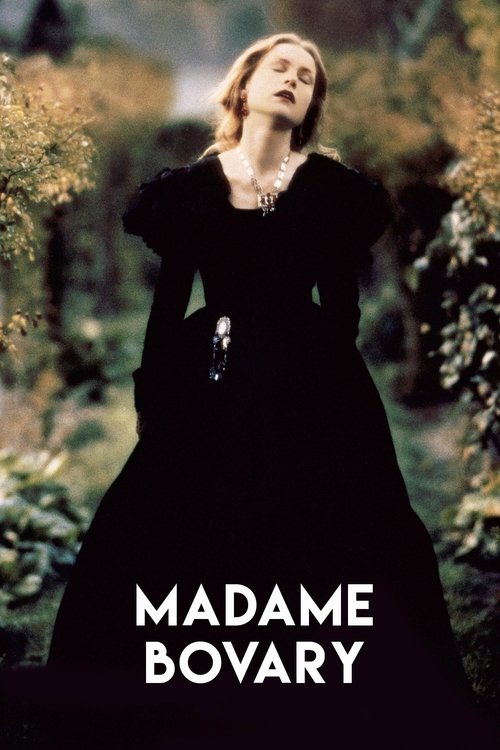
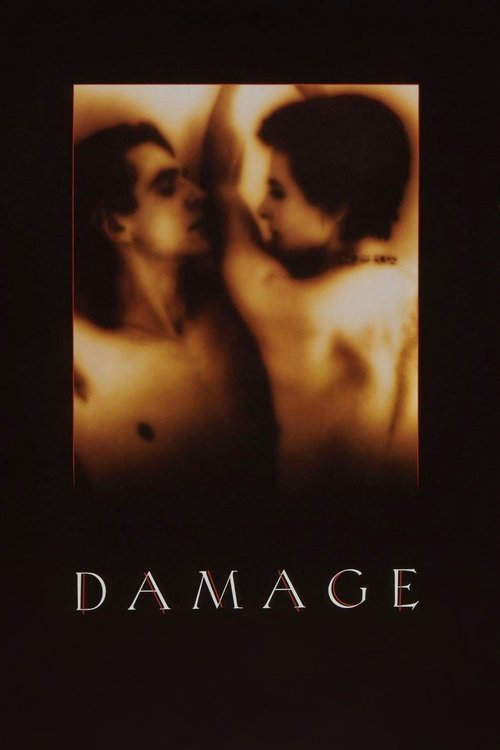
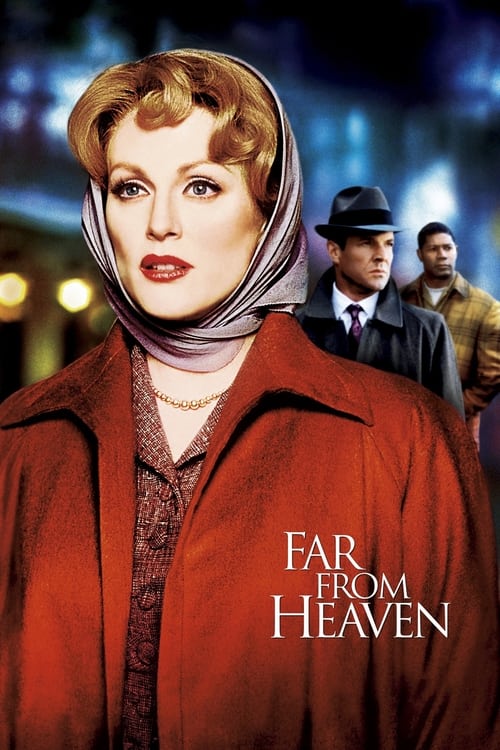
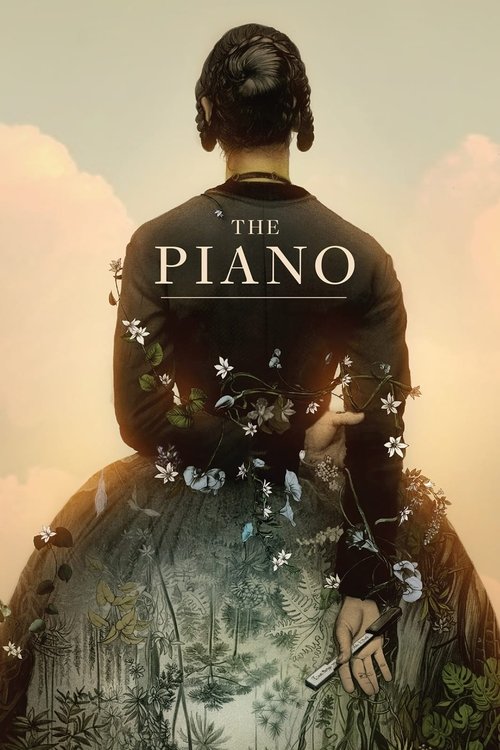
Bovary on Screen: Adaptations and Spiritual Relatives
Film versions of the novel plus movies that find the same provincial claustrophobia and fatal romanticism.


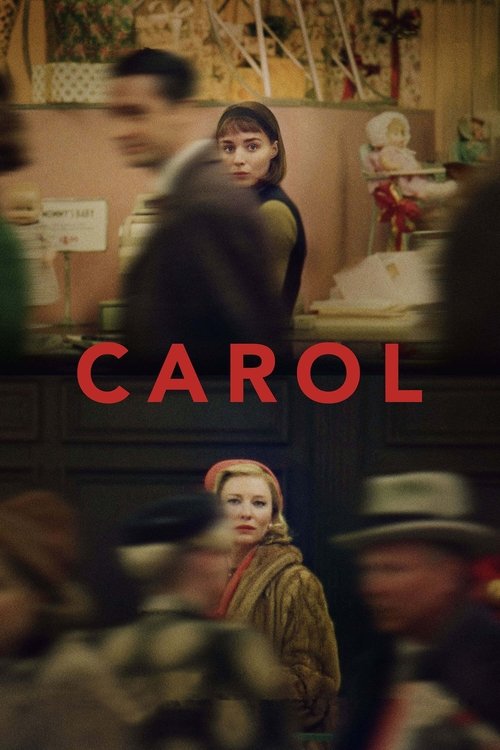
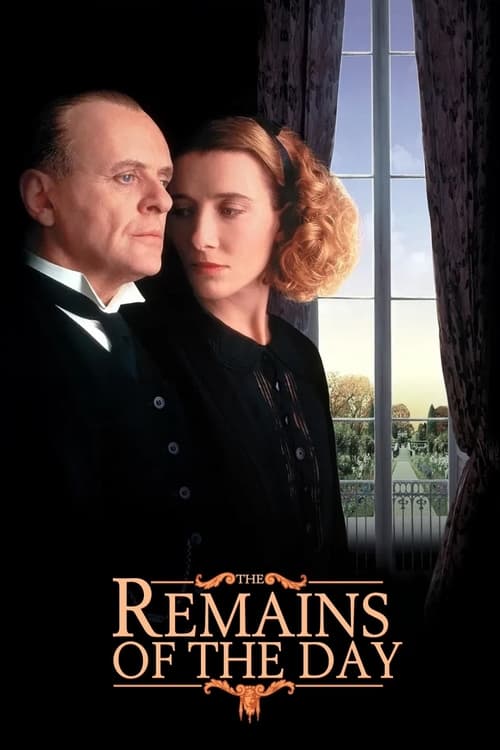

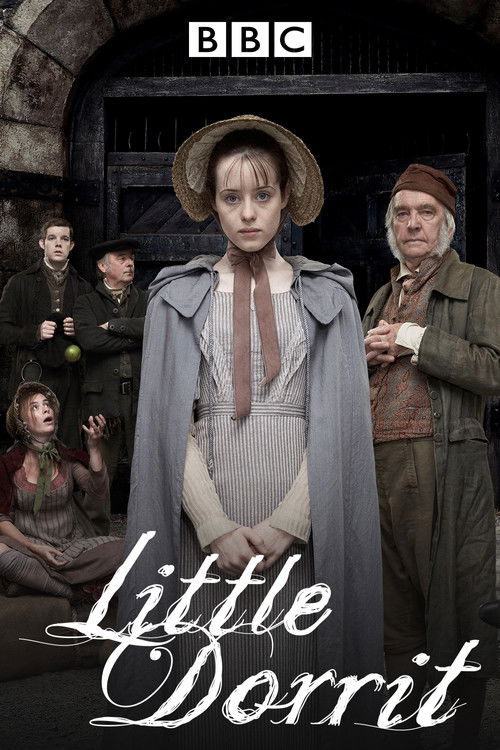
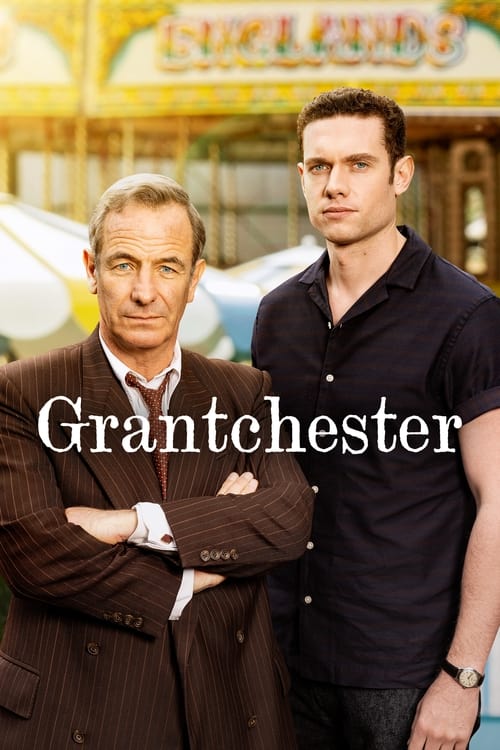
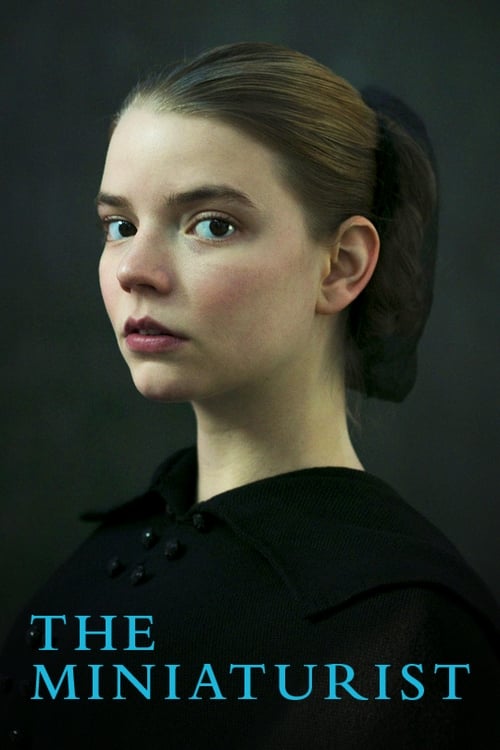
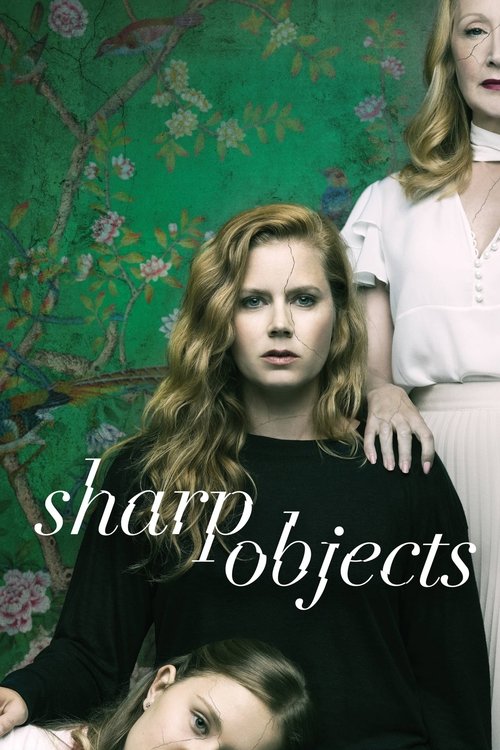
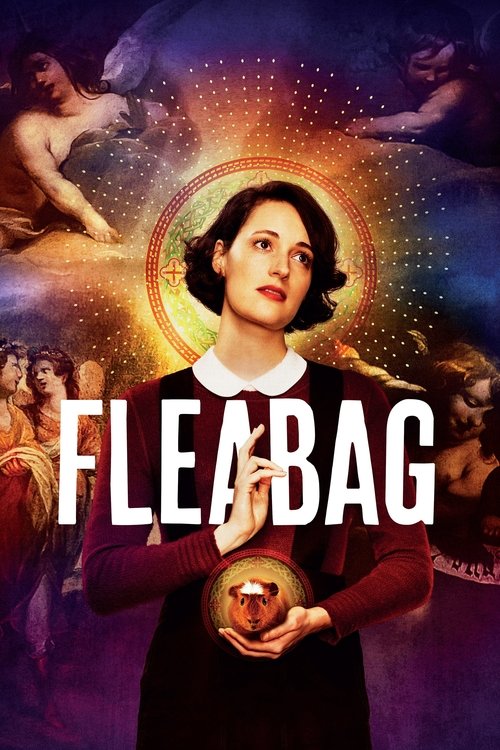
Series That Live Inside the Constraint
Television that puts brilliant, restless women inside suffocating social structures and watches something give way.
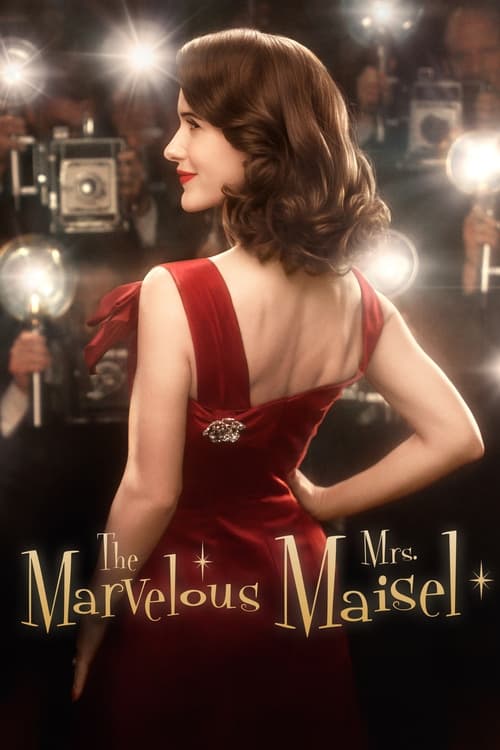
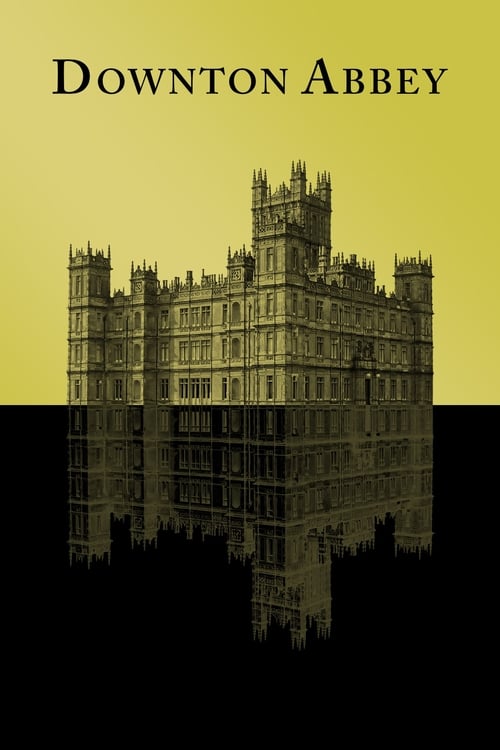
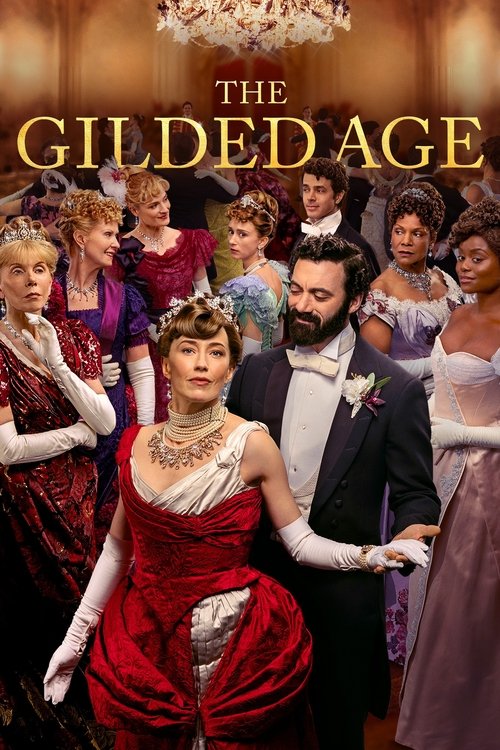
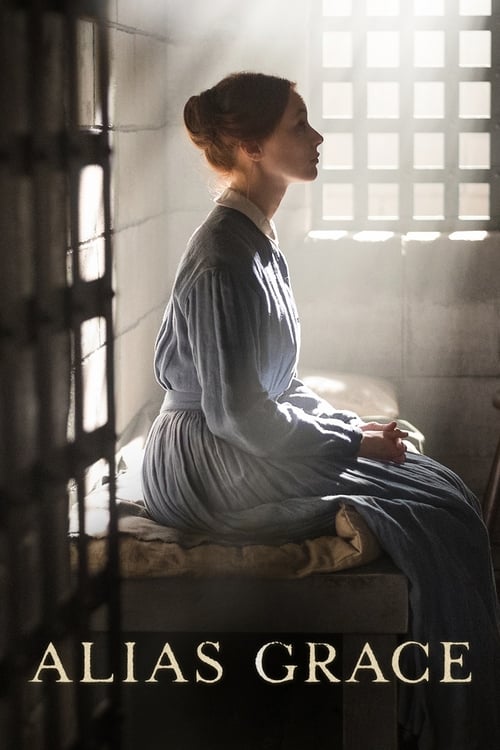
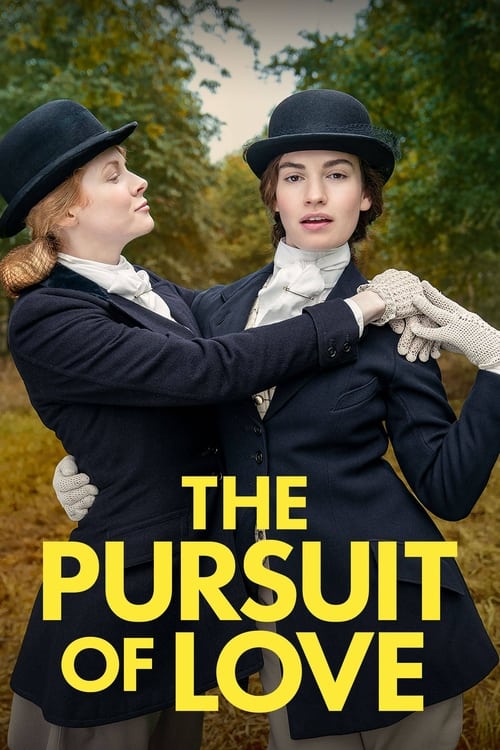

Contemporary Novels for the Same Hunger
20th and 21st century fiction that inherits Bovary's preoccupation: women trapped by expectation, fantasy as survival strategy, irony as the only honest mode.


The Problem Is Not Charles
Readers who blame Charles Bovary for Emma's misery are reading a different novel. Charles is kind, steady, and genuinely loves his wife; he is exactly what the romance novels told Emma she did not want. The system that produced her fantasies, the convent education, the cheap serial fiction, the marriage market, is the antagonist. That is why the novel still reads as social criticism rather than soap opera: Flaubert is not interested in the wrong man but in the machinery that generates the idea of the wrong man.
Portrait of a Lady on Fire Is the Film Bovary Deserved
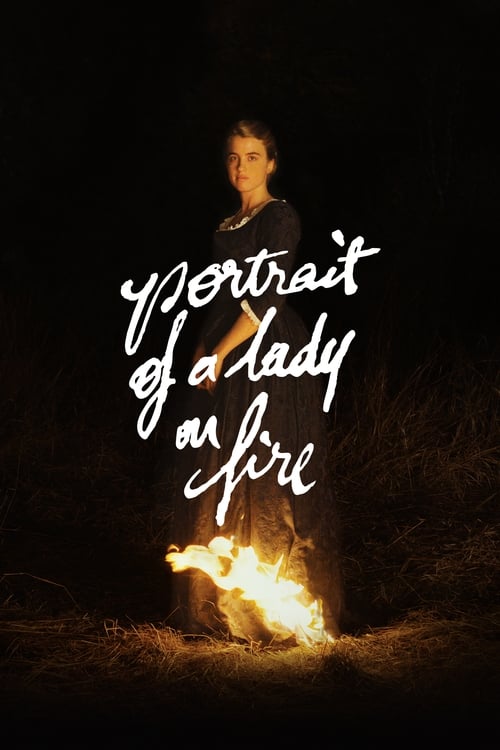
Celine Sciamma's 2019 film never adapts the novel but earns comparison at every scene: a woman of restricted choices, a painter hired to observe her rather than know her, desire conducted in stolen looks inside a social world that will not permit its fulfillment. Where most Bovary adaptations struggle to externalize interiority, Sciamma finds a visual grammar for it. The ending is the only honest one possible given the constraints, which is precisely what Flaubert understood about Emma.
Bovary and Its Afterlife: Key Dates
- 1856Flaubert publishes Madame Bovary in serial form in La Revue de Paris; he and his editors are immediately prosecuted for obscenity. Madame Bovary
- 1857The novel appears as a single volume after acquittal; Flaubert is both vindicated and famous overnight.
- 1877Tolstoy completes Anna Karenina, the Russian answer to Flaubert's question about what bourgeois realism can do. Anna Karenina
- 1899Kate Chopin publishes The Awakening in America; reviewers attack it for the same reasons Flaubert was prosecuted. The awakening
- 1934Jean Renoir directs the first major sound film adaptation of Madame Bovary. Madame Bovary
- 1949Vincente Minnelli's Hollywood version with Jennifer Jones reaches the widest English-speaking audience the story had found. Madame Bovary
- 2000Revolutionary Road by Richard Yates, written 1961, is rediscovered and reprinted; its portrait of a suburban couple destroying each other through misaligned ambition is regularly described as the American Bovary. Revolutionary road
- 2014Sophie Barthes directs an English-language adaptation with Mia Wasikowska, the most visually faithful version to the novel's provincial palette. Madame Bovary
- 2019Portrait of a Lady on Fire wins Best Screenplay at Cannes and becomes the definitive cinematic conversation with Bovary's themes. Portrait of a Lady on Fire
She wanted to die, but she also wanted to live in Paris.Gustave Flaubert, Madame Bovary (1857)