
The Art of Perpetual Reinvention
Madonna Louise Ciccone left Michigan for New York with $35 in her pocket in 1978, and what happened next became one of the defining stories in pop music. Not because the hits were unstoppable, though they were, but because she kept burning down and rebuilding her own image every few years before the internet made that a survival strategy. The blonde ambition of the late 1980s gave way to the erotic provocation of Erotica, then the flamenco-tinged spirituality of Ray of Light, then the floor-shaking electro of Confessions on a Dance Floor. Fans who stayed with her across those shifts were signing up for something more demanding than fandom: they were agreeing to follow an artist wherever her curiosity took her.
The through-line is control. Control of image, narrative, sexuality, and spectacle. Her concert tours are not tours; they are theatrical events on a scale that rock music had never attempted from a solo female artist. Her videos redirected the conversation about what pop music videos could look like. Her willingness to court controversy, from Like a Prayer's burning crosses to the Sex book, was never random. It was always in service of expanding what she was permitted to be.
If you love Madonna, you love the idea that reinvention is a creative act, that provocation can be serious, that pop and high art are not opposites but the same project pursued from different angles.
Essential Madonna
The records and films that define the catalogue
Spectacle as Statement
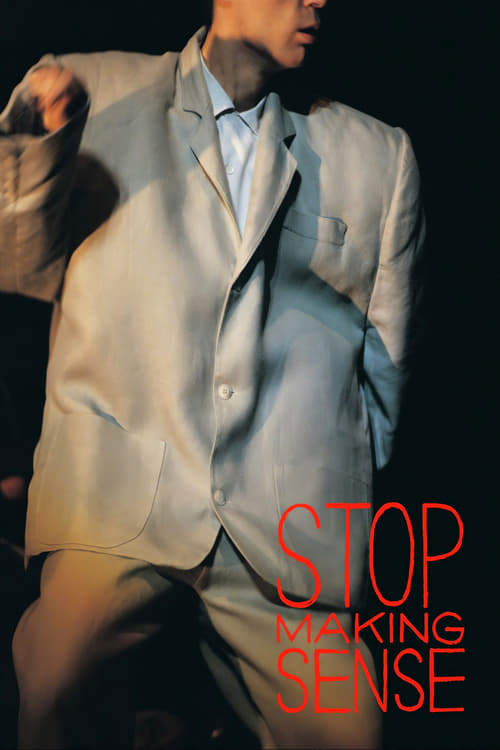
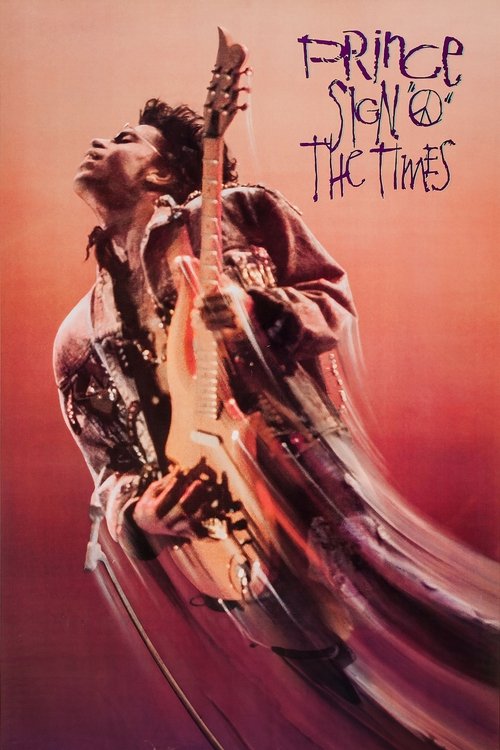
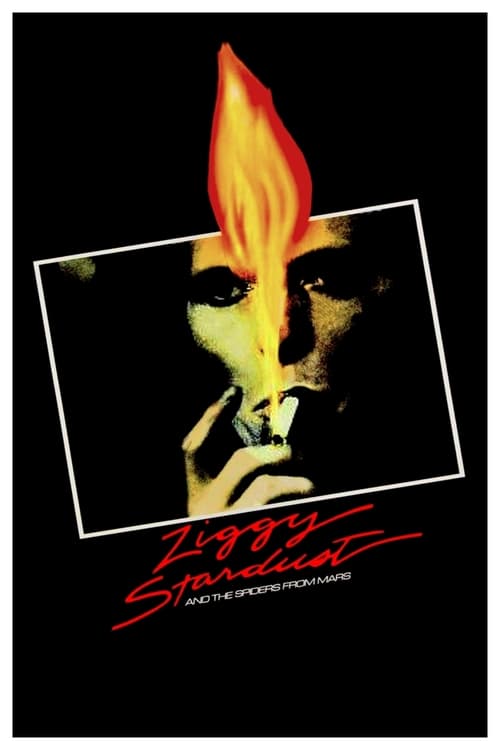
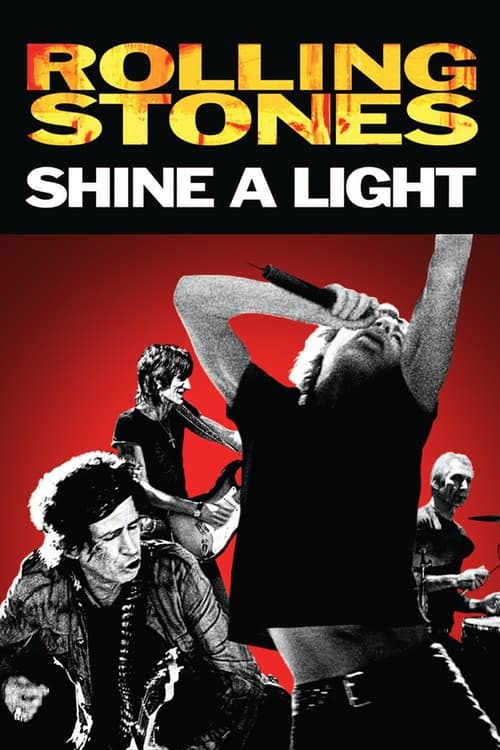
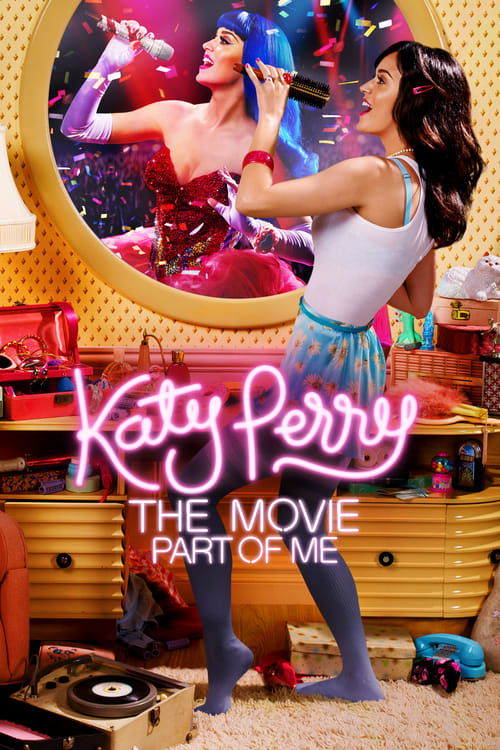
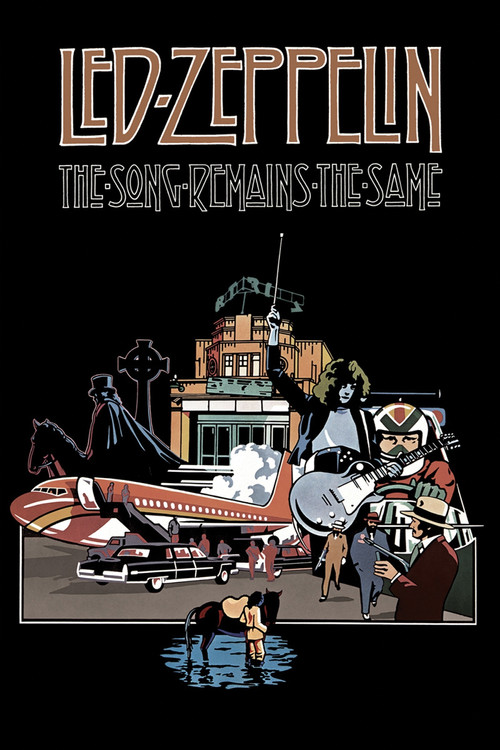
Concert films and live events that treat the stage as a canvas


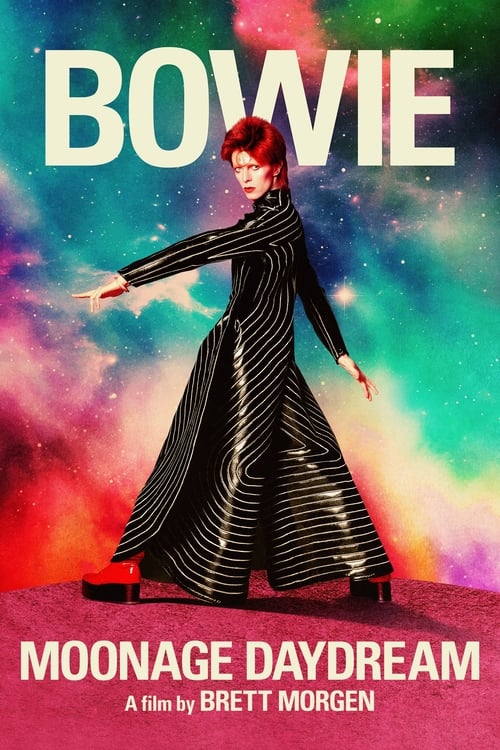
Provocateurs and Image-Makers
Artists who rewrote their own rules and the culture around them
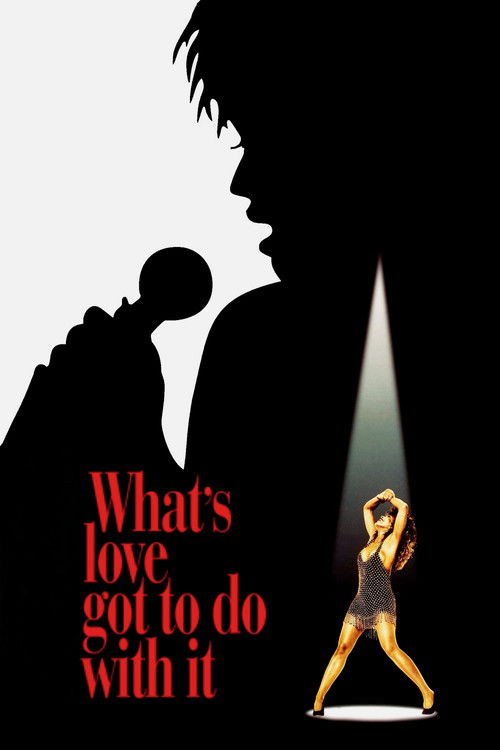
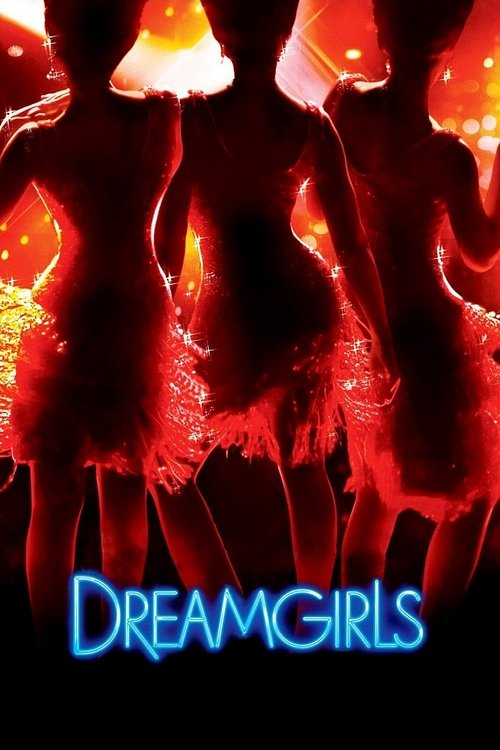
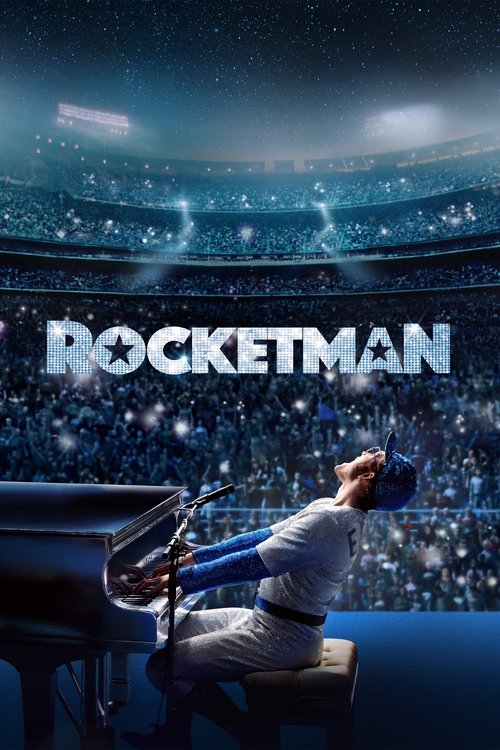

Pop, Power, and New York City
Stories set in the downtown creative world Madonna stepped into
Dance Floors and Electronic Ambition
Music built on the same four-on-the-floor drive


Ray of Light is the album that rewards the most attention
People write off Ray of Light as the spiritual phase, the one where she went to yoga and discovered William Orbit. That framing undersells it badly. The production is technically astonishing even now: compressed, layered, humid. The songs hold together as a sequence in a way the more celebrated Like a Prayer does not. 'Frozen' and 'The Power of Goodbye' are among the best ballads she ever recorded, full stop. If you have only heard the singles, sit with the album start to finish and hear what electronica and confessional pop can do together.
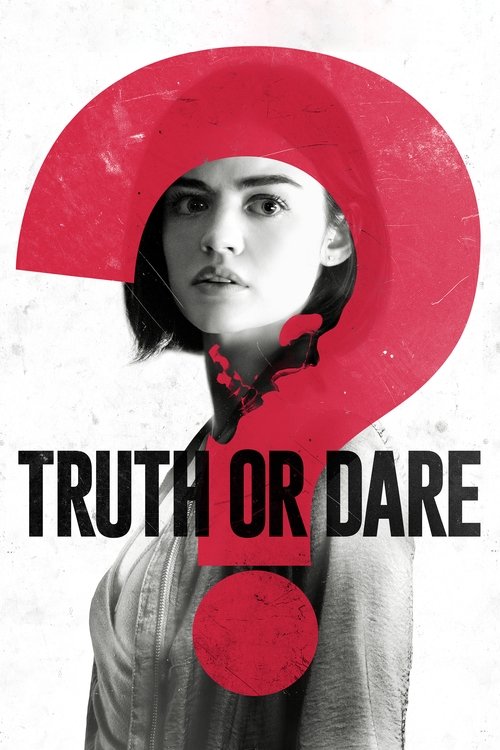
Truth or Dare remains the definitive pop documentary
Every music documentary made after 1991 is working in the shadow of Truth or Dare. The access is unprecedented, yes, but the more important thing is the control: she understood that surrendering the camera was itself a power move. The film is as much about performance and persona as any of her actual performances. When artists talk about managing their narrative, this is the document they are all consciously or unconsciously referencing.
Confessions on a Dance Floor is her most underrated late-career move
By 2005, critical opinion on Madonna had calcified: the work was either too provocative or too safe, the reinventions too calculated. Confessions cut through that completely. It is a pure dance record, unashamed and relentlessly paced, borrowing from ABBA and Giorgio Moroder without apology. The 'Hung Up' single is one of the few times in pop history where a sample becomes the entire argument for a song and the argument wins. The album deserves better than being treated as a late comeback.
The entry point is not Like a Virgin, it is the Immaculate Collection
New listeners almost always start with Like a Virgin because it is the famous one. That is understandable and also slightly wrong. The 1990 compilation The Immaculate Collection gives you the first decade at its most concentrated, sequenced with real intelligence, and it captures a run of singles that has very few peers in the history of commercial pop. 'Material Girl' through 'Vogue' in one sitting tells you almost everything you need to know about who she was and what she was after.
She figured out that the most radical act in pop was not to break the rules but to keep rewriting them herself, so no one else could set them for her.CrossBinge
Five Decades of Reinvention
- 1983Debut album launches the downtown-club-to-radio pipeline Madonna
- 1984Like a Virgin makes her a global phenomenon Like a Virgin
- 1989Like a Prayer reframes the relationship between pop and controversy Like a Prayer
- 1991Truth or Dare sets the template for the celebrity documentary Truth or Dare
- 1992Erotica and the Sex book arrive simultaneously, pushing every boundary at once Erotica
- 1998Ray of Light fuses electronica and introspection; she wins four Grammys Ray of Light
- 2000Music consolidates the electronic turn with a country detour no one expected Music
- 2005Confessions on a Dance Floor is a full-album statement for the streaming era before the streaming era Confessions on a Dance Floor
- 2012MDNA Tour becomes one of the highest-grossing concert tours in history
- 2019Madame X experiments with Afropop and fado; commercial indifference, critical re-evaluation ongoing Madame X