
Released in 1971, Master of Reality is the record where Black Sabbath stopped being a blues-rock band that played loud and became something genuinely unprecedented. Tony Iommi had lost the tips of two fingers in a factory accident; to ease the pain of playing, he detuned his guitar to C# and fitted his strings with thimble-cap prosthetics. The result was a lower, heavier, muddier sound than anything else on earth. Geezer Butler's bass became a physical force. Ozzy Osbourne's voice, thin and wailing, floated over the concrete like smoke. Bill Ward played drums like a jazz drummer who'd been handed a wrecking ball. The three songs that matter most here — "Sweet Leaf," "Children of the Grave," and "Into the Void" — collectively invented doom metal, stoner rock, and proto-sludge before any of those words existed. If you love this record, you love the sensation of music as weight: slow riffs that feel structural rather than melodic, tempos that drag on purpose, and a worldview that is bleak without being nihilistic. You are also, almost certainly, looking for that feeling everywhere else.
Essential Black Sabbath
The core catalog for anyone starting from Master of Reality
The Riff Lineage: Doom, Stoner, Sludge
Albums that heard Master of Reality and built entire worlds on top of it
Iommi wasn't supposed to be able to play guitar at all after the accident. The prosthetics changed his touch, his string gauge, his tuning. The disability produced the sound. The sound produced a genre.Tony Iommi on the accident that shaped heavy metal
How the Sabbath Sound Became a Genre
- 1968Black Sabbath form in Birmingham, UK, out of the blues-rock band Earth
- 1970Debut album Black Sabbath released; the title track introduces the tritone riff that will define the genre Black Sabbath
- 1970Paranoid released the same year; Iron Man and War Pigs become radio staples Paranoid
- 1971Master of Reality released; the tuning drops to C#, the tempo slows, and the template for doom metal is set Master of Reality
- 1972Vol. 4 continues the heaviness; Iommi's guitar work becomes more complex Vol. 4
- 1992Sleep release Sleep's Holy Mountain, the first major Sabbath-lineage doom record
- 1993Kyuss release Blues for the Red Sun, founding stoner rock in the California desert Blues for the Red Sun
- 2003Sleep's Dopesmoker released after years of label delays; a single 63-minute riff
- 2013Black Sabbath release 13, their reunion album, returning to the Master of Reality low tuning 13
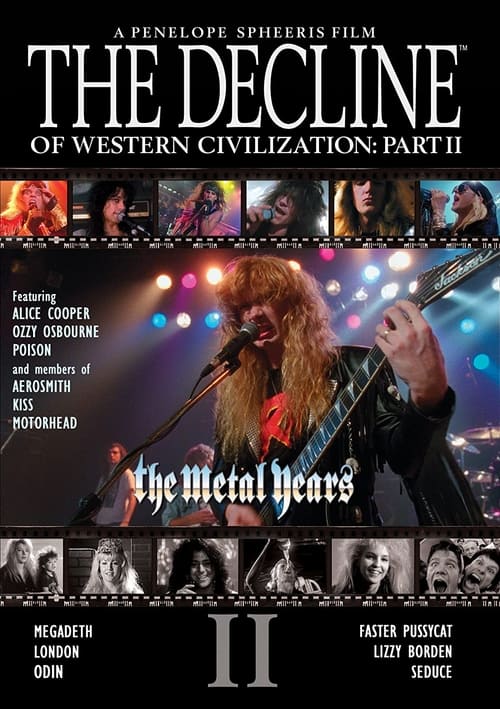
Music Documentaries Worth Your Time
Films about the culture, the bands, and the scene that Master of Reality spawned or belongs to


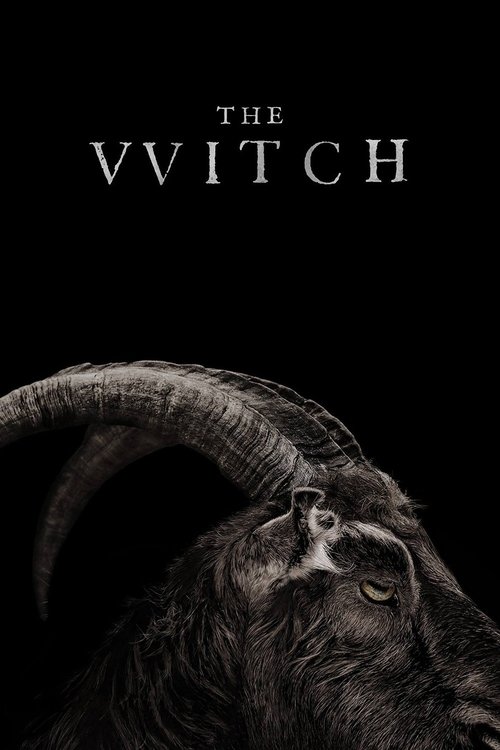
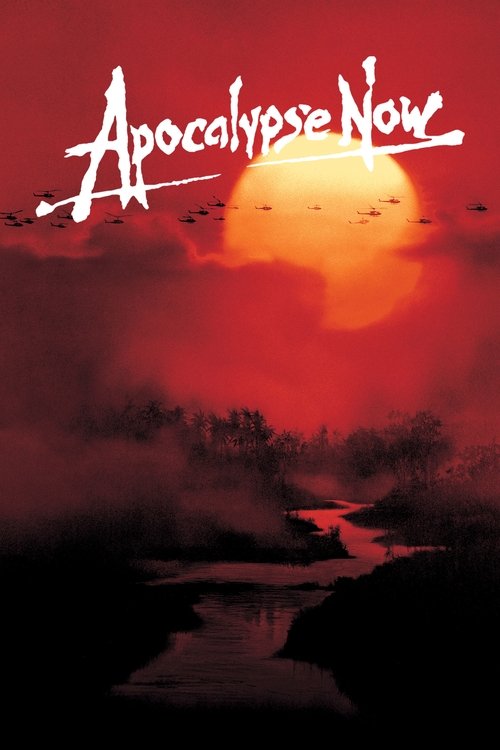
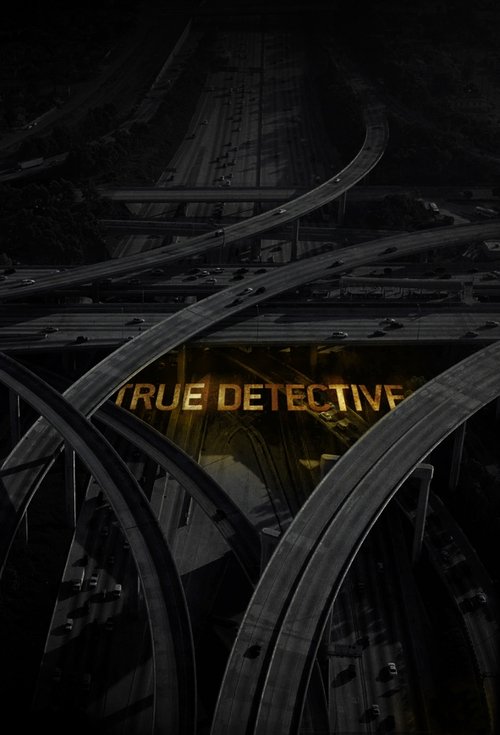
Films and Series with the Same Weight
Cinema that shares the dread, the slow burn, and the working-class grime of Sabbath's Birmingham








Novels for the Same Headspace
Books that share the dread, the occult atmosphere, or the working-class weight of early Sabbath



The Birmingham Factor Is Not Incidental
Black Sabbath did not emerge from a scene of bohemian art students or coastal music money. They came from an industrial West Midlands city full of foundries, factory lines, and postwar poverty. Iommi lost his fingertips in a sheet-metal press. That context is in the music. The heaviness is not a pose. When you hear Master of Reality as a product of that specific place and class, the music opens up: it is people who knew what it meant to work with metal making music that sounds like metal. Peaky Blinders is the most culturally adjacent piece of long-form storytelling that captures the same region, the same class register, and the same aesthetic darkness.
Sleep's Dopesmoker Is the Purest Descendant
If you want to follow the Master of Reality riff philosophy to its absolute logical conclusion, the destination is Sleep's Dopesmoker: one song, 63 minutes, a single descending riff that the band refuses to hurry. It was recorded in the early 1990s, rejected by London Records for being uncommercial (correct), sat unreleased for years, and eventually came out in 2003. It is the most extreme expression of what Iommi started in 1971. Most listeners find it tedious. For the right person, it is a meditative experience.
The Ozzy Osbourne Solo Years Deserve a Fair Hearing
The standard critical consensus is that Ozzy's solo work (particularly Blizzard of Ozz and Diary of a Madman, both 1980-81) was good because Randy Rhoads was a brilliant guitarist, and Ozzy was along for the ride. That reading undersells Ozzy's ear for melody and his instinct for the theatrical. These records kept the Sabbath spirit alive during the Dio era and gave an entire generation of American metal fans their entry point. They are not Master of Reality, but they are the same songwriter's voice in a different room.