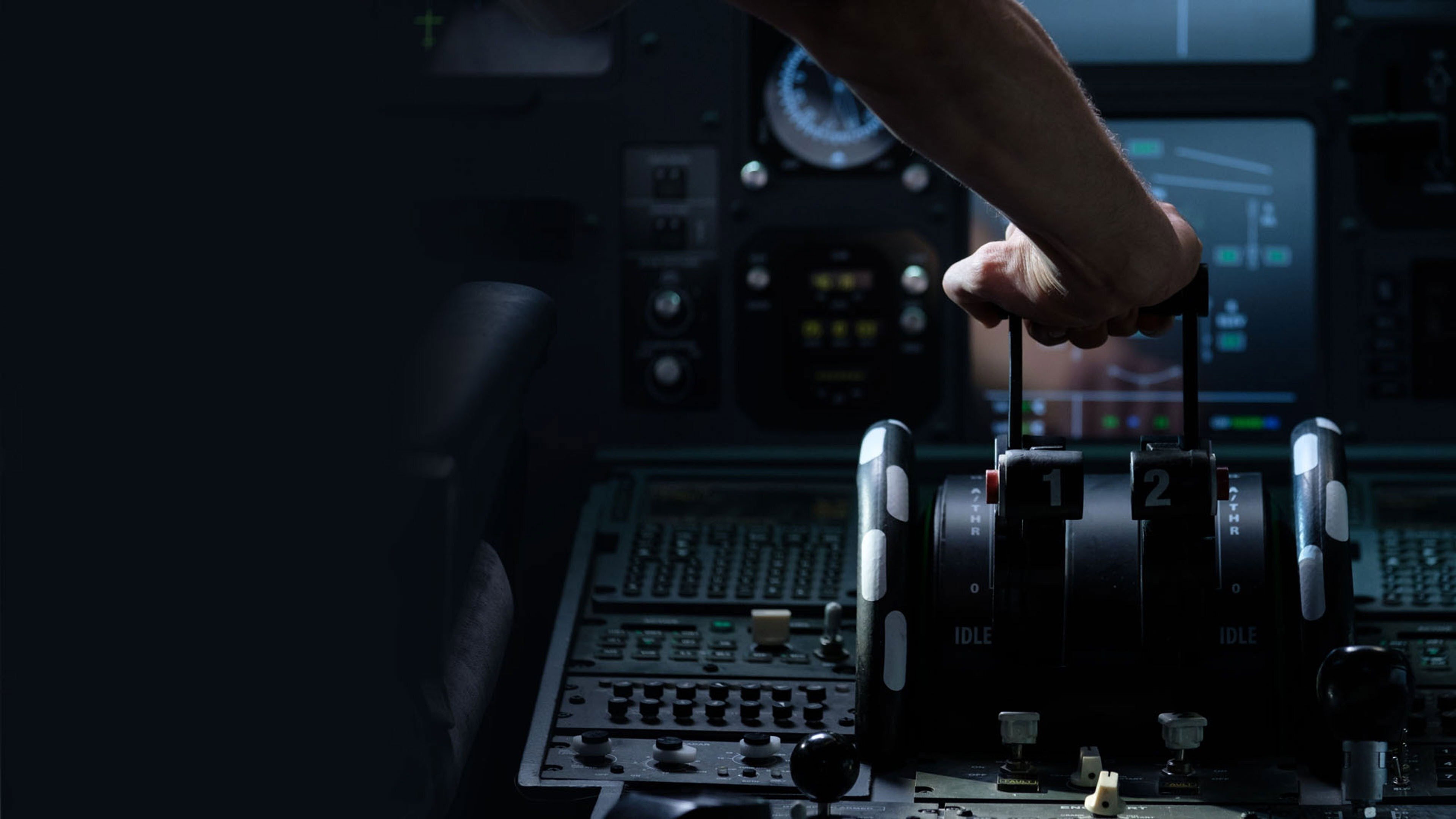

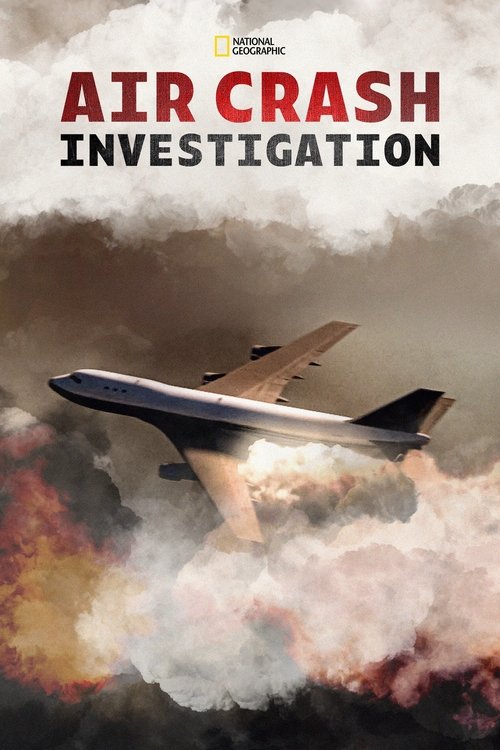
Mayday (known as Air Crash Investigation in most of the world) has spent over two decades doing something that almost no other documentary series manages: it makes forensic procedure feel urgent. Each episode reconstructs a real accident or near-miss, layering cockpit voice recorder transcripts, flight-data readouts, and testimony from survivors and investigators until the sequence of events clicks into horrible clarity. The appeal is not morbid fascination with disaster. It is the satisfaction of a locked-room mystery solved, combined with a quiet respect for the investigators who turned wreckage into safer skies. Fans of the show tend to love the same things across every medium: procedural rigour, institutional drama, the gap between human intention and mechanical reality, and stories where the stakes are measured in lives rather than points.
Other Investigations Worth Your Time
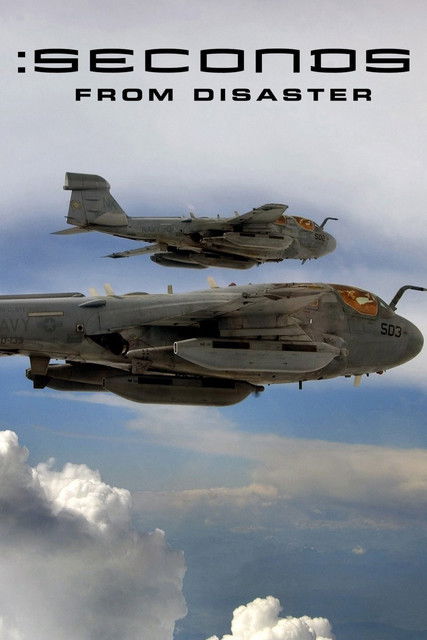
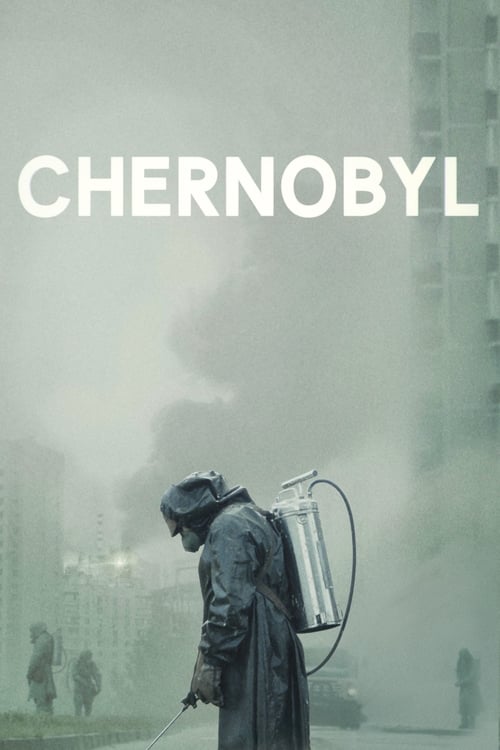
Documentary and dramatised series that apply the same accident-reconstruction logic to medicine, industry, engineering, and crime.




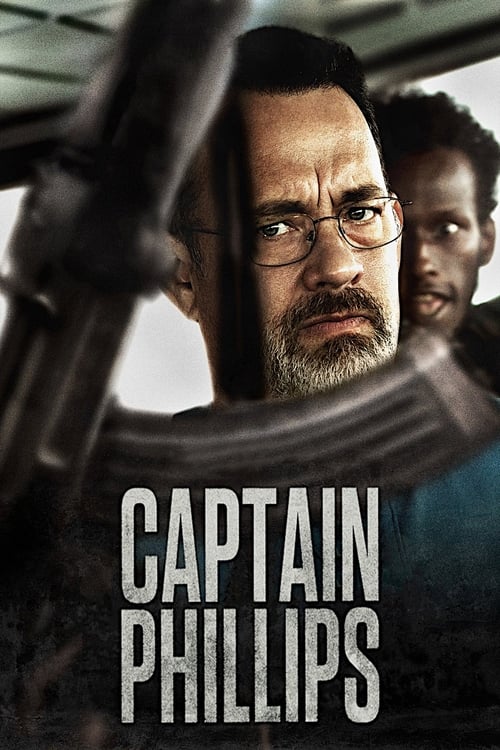
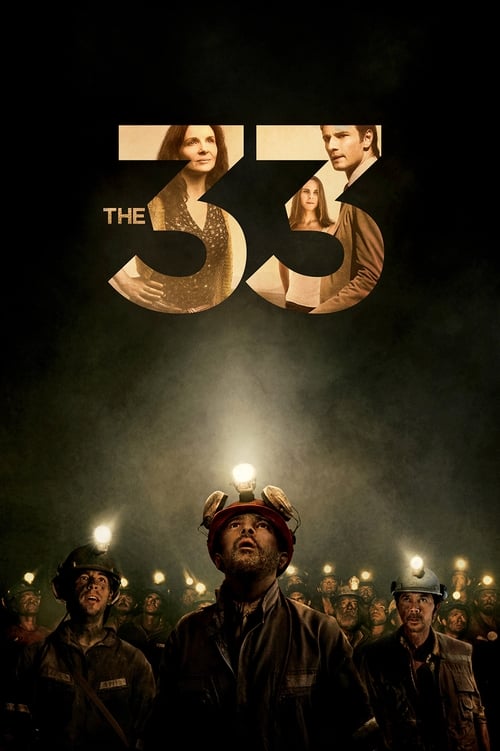
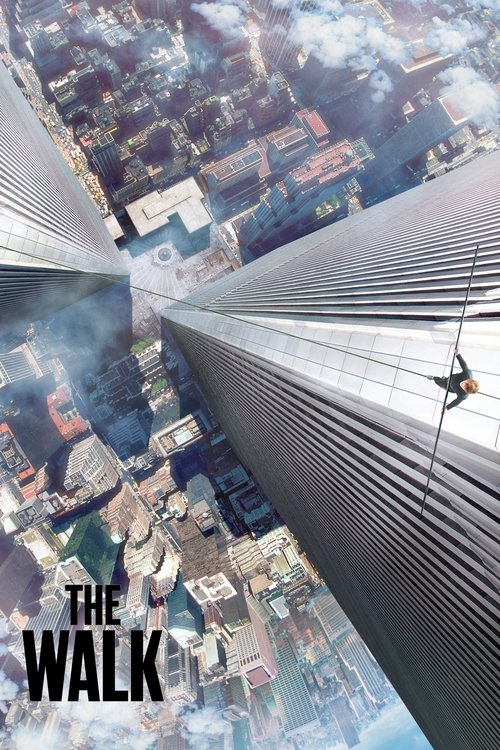
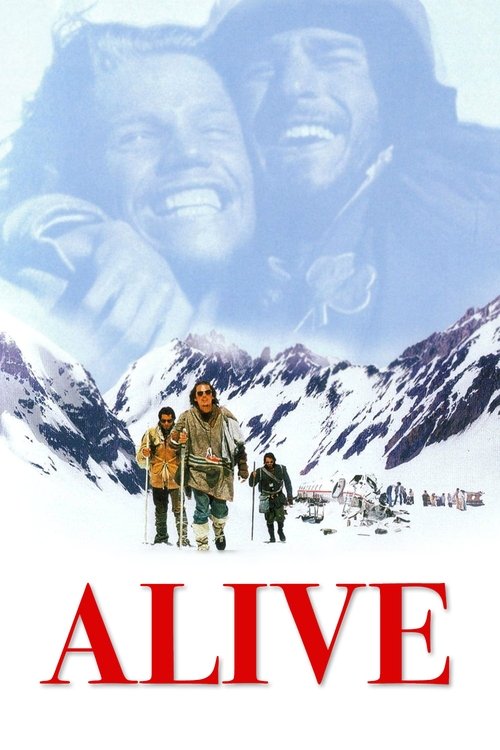
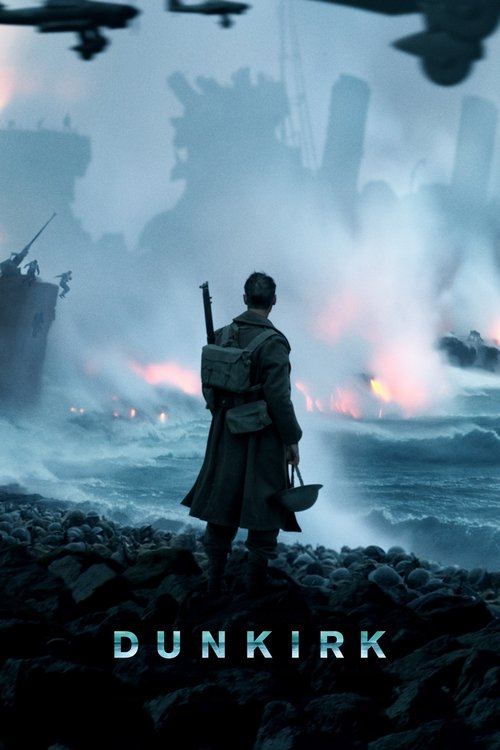
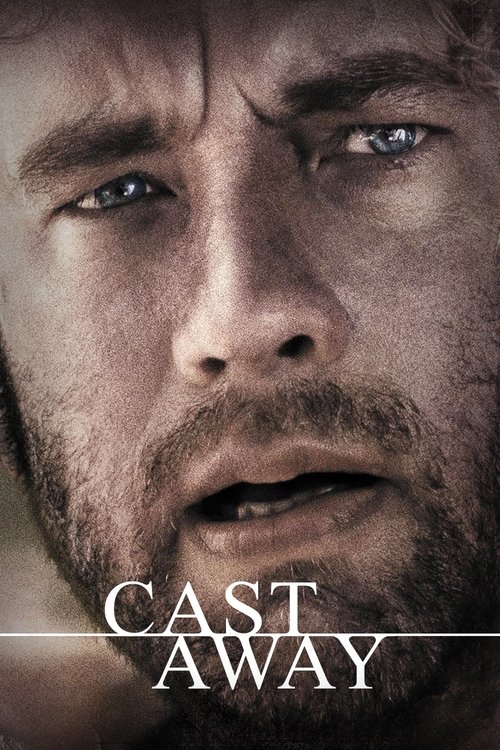
Films That Put You in the Cockpit
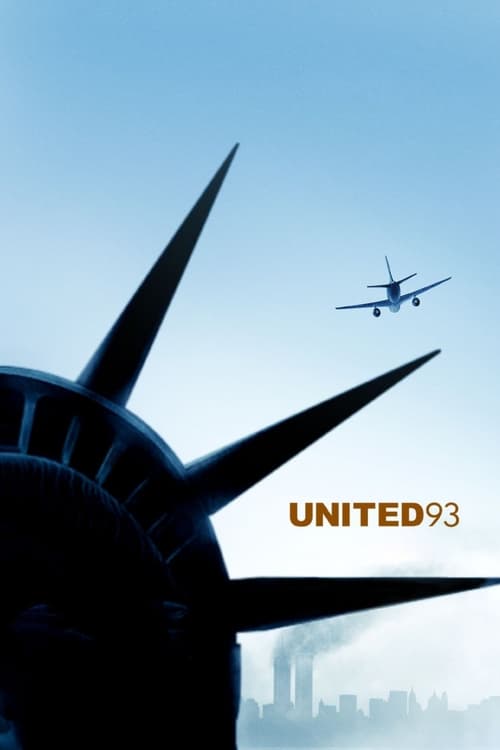
Feature films built around aviation emergencies, institutional pressure, and the split-second decisions that determine who survives.

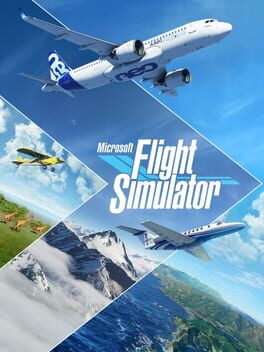
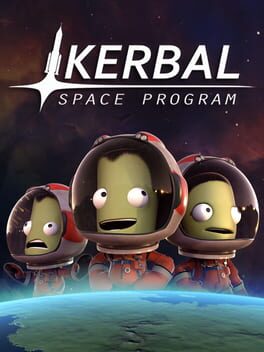
Games: Systems Under Pressure
Simulators and management games where understanding complex interlocking systems, and keeping calm when they break, is everything.


The NTSB Report Is the Best Narrative Structure in Television
Every Mayday episode follows the same three-act arc: the flight, the disaster, the investigation. That structure is borrowed directly from accident-investigation reports, and it turns out to be almost perfect for storytelling. The reconstruction moves backwards from wreckage to root cause, so the audience is solving a puzzle in real time. Most drama manufactures tension artificially. Mayday inherits its tension from the historical record.
Sully Is the Closest a Feature Film Has Come to the Mayday Feeling
Most aviation disaster films milk the spectacle. Sully is almost perversely interested in the aftermath: the NTSB hearing, the simulator replays, the question of whether Sullenberger made the right call. That institutional second-guessing, the formal review of a split-second decision by people who had ninety seconds to think about it, is exactly what Mayday does every week. Eastwood and Tom Hanks understood that the real drama is the investigation, not the splash.
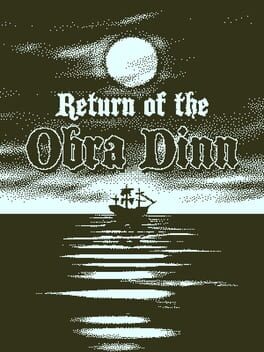
Return of the Obra Dinn Is the Game Mayday Fans Were Born to Play
Lucas Pope's insurance-investigator puzzle game asks you to reconstruct exactly what happened to every crew member aboard a ghost ship, using fragmentary evidence and a magic pocket watch that shows the moment of each death. The logic is forensic: you accumulate partial information, form a hypothesis, and check it against new evidence until the full picture snaps into place. Any Mayday viewer who has watched investigators piece together an accident from CVR fragments and radar tracks will feel immediately at home.
Aviation Safety: From Black Boxes to Modern CRM
- 1956Grand Canyon mid-air collision prompts the first serious push for a national airspace system in the United States.
- 1958The FAA is founded. Mandatory flight recorders (black boxes) begin to be required on commercial aircraft.
- 1977Tenerife airport disaster: the deadliest aviation accident in history, caused by miscommunication and runway confusion. It reshapes crew communication standards worldwide.
- 1979Crash of American Airlines Flight 191 at Chicago O'Hare; NTSB recommendations accelerate inspection requirements for engine pylons.
- 1989United Airlines Flight 232 crash-lands at Sioux City. The crew's improvised control technique, using differential thrust, saves 185 of 296 passengers and becomes a landmark crew-resource-management case study.
- 1994Crew Resource Management training becomes a formal FAA requirement for US commercial carriers.
- 2003Mayday premieres on Discovery Channel Canada, beginning its reconstruction of major accidents for a global audience. Mayday
- 2009US Airways Flight 1549 lands on the Hudson River. Sully Sullenberger and Jeff Skiles demonstrate real-time CRM under maximum pressure. Sully
- 2015Germanwings Flight 9525 is deliberately crashed by the co-pilot; the accident triggers revised cockpit-occupancy rules across European carriers.
- 2019Two Boeing 737 MAX crashes (Lion Air JT610 and Ethiopian Airlines ET302) ground the MAX fleet worldwide and expose flaws in how automation interacts with pilot training.
The goal of every investigation is not to assign blame but to understand what happened so completely that it cannot happen again.National Transportation Safety Board guiding principle, paraphrased