
Before the lasers and the stadium spectacle, Pink Floyd found their deepest sound in a Hampshire studio with an echo unit and no blueprint. Meddle (1971) is the record where the band learned to inhabit space rather than fill it: five shorter experiments on Side A and then, filling all of Side B, the twenty-three-minute "Echoes," which moves from underwater blip to soaring cathedral and back without a single wasted second. The fan this album made is someone who hears music cinematically, who treats an LP as a single sustained experience, who wants the hairs on their neck to stand up from texture and atmosphere rather than from a chorus hook. That fan tends to drift, hungrily, toward anything that shares that unhurried, exploratory confidence: progressive rock peers, krautrock drift-merchants, post-rock builders, long-form films, literary science fiction, and the best of 1970s British cinema.
Essential Pink Floyd
The albums that bracket and complete Meddle's vision, from the Syd Barrett years to the Wall.
The Long-Form Drift: Albums That Take Their Time
Records built around sustained mood, side-long suites, and the courage to let an idea breathe.
Cosmic Rock and Krautrock Companions
The German and space-rock contemporaries who were building the same architecture from a different direction.
Echoes begins with a single piano note pinged through a Leslie speaker, and for the next twenty-three minutes the band builds a world around that blip. It is the most patient piece of rock music ever recorded.On Meddle, Side B
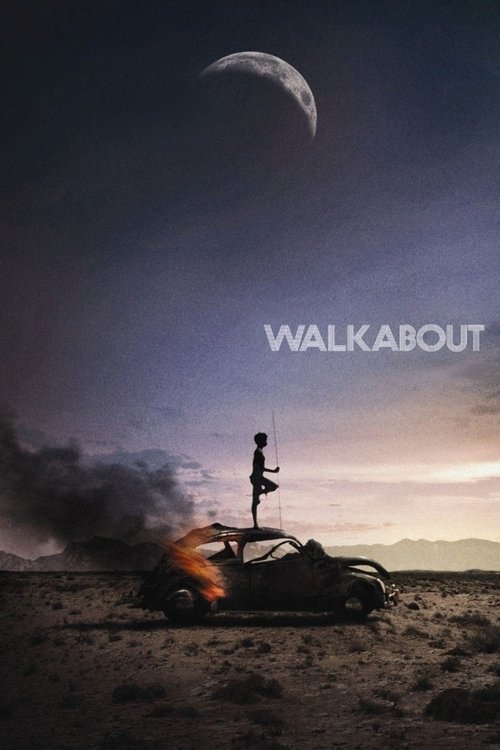
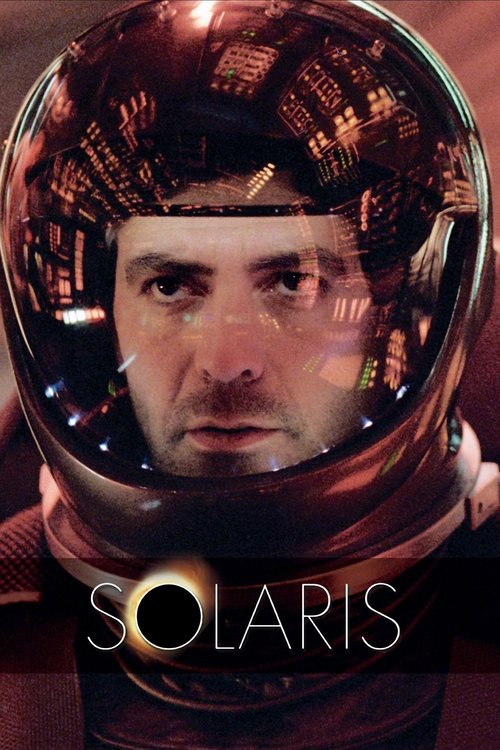
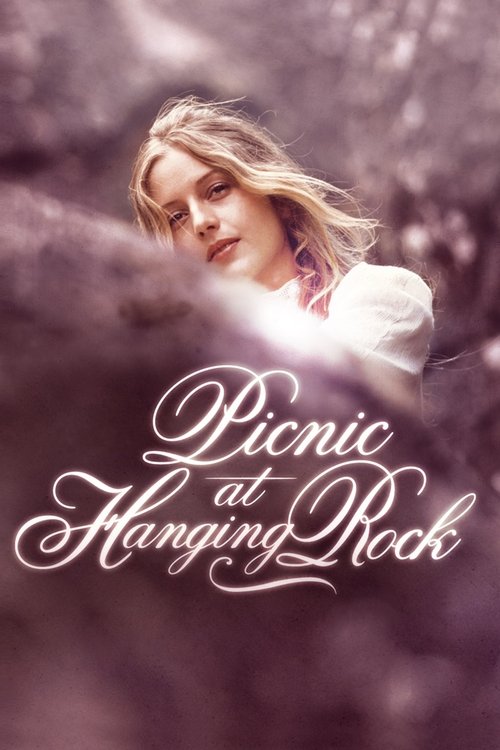
Films That Share the Frequency
Cinema from the same era and sensibility: slow, immersive, visually authored, not in any hurry to explain itself.


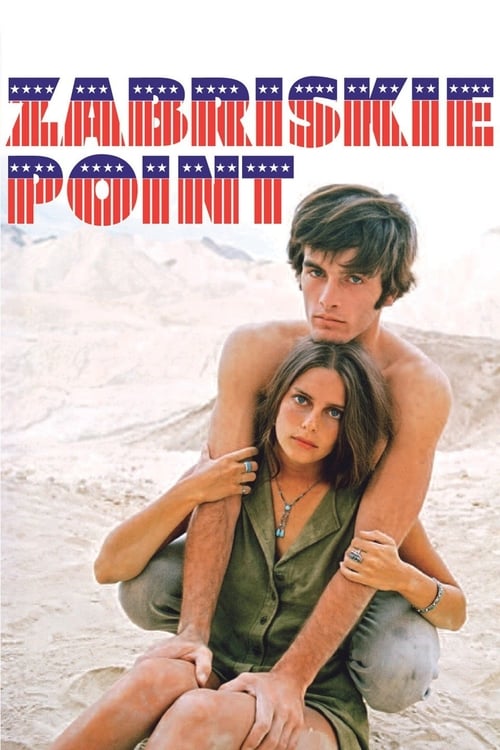

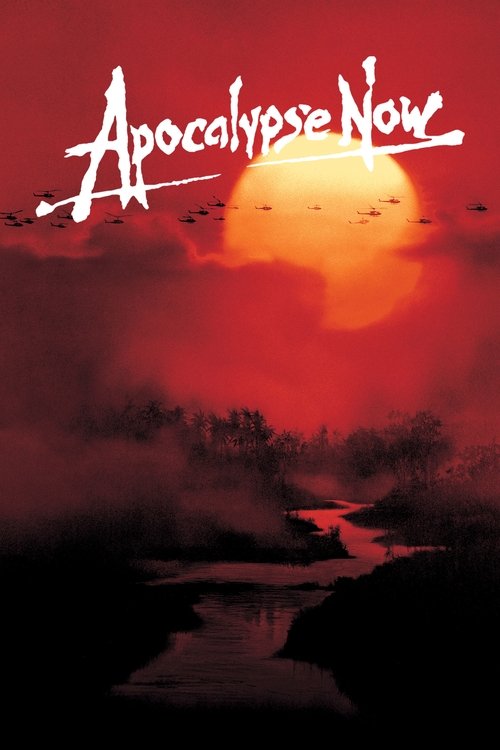
Music Documentaries and Concert Films
The best footage of the bands that defined this era of live, exploratory rock performance.

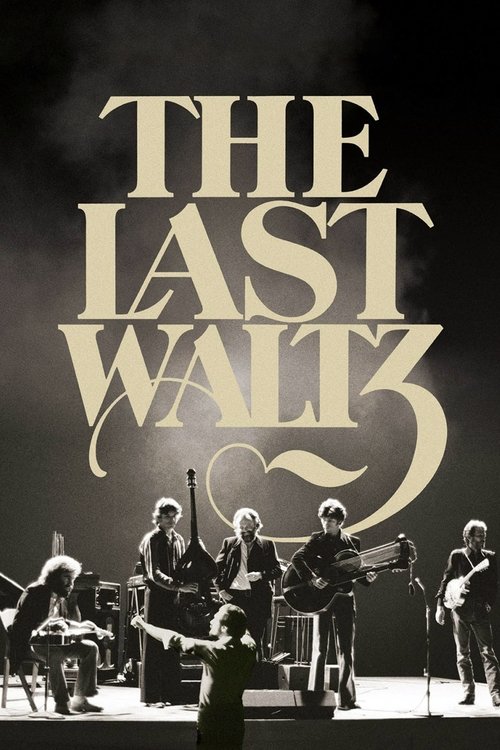
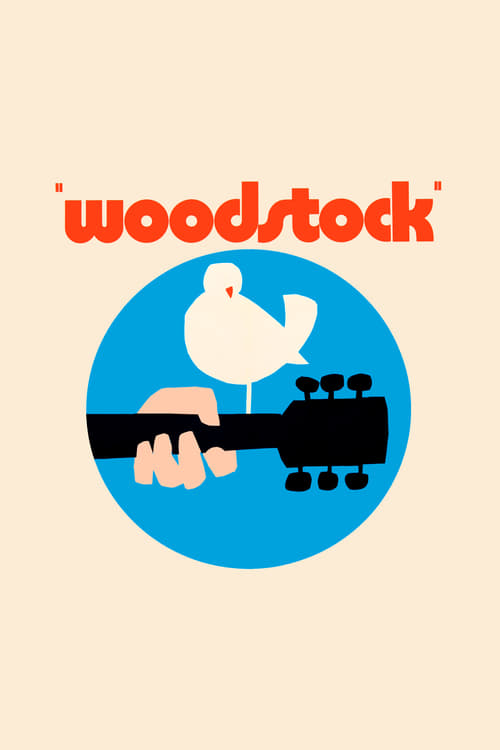
Books for the Listener Who Hears Visually
Science fiction, literary fiction, and music writing that occupy the same reflective, exploratory register as Meddle.


"Echoes" Is the Greatest Piece of Music Pink Floyd Ever Recorded
Not The Dark Side of the Moon's "Money," not "Comfortably Numb," not "Shine On You Crazy Diamond." Those are great songs. "Echoes" is a different category of achievement: a self-contained world that opens with nothing and closes with nothing, and somewhere in between makes you feel genuinely planetary in scale. The mid-section breakdown, where the guitars become seagulls and the whole thing turns atonal and strange, is the most daring move the band ever made on record. They never quite had the nerve to go that far again.
2001: A Space Odyssey Is the Film Meddle Wants to Be
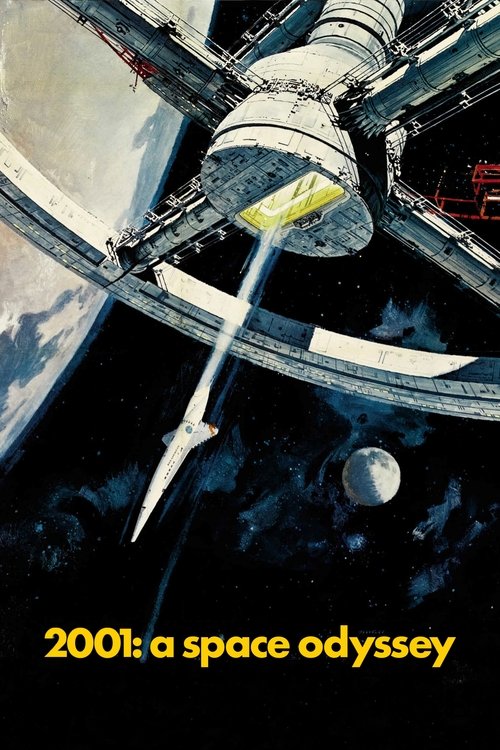
Kubrick's film and Floyd's album share an obsession with the idea that the most profound experiences require patience, silence, and a willingness to feel briefly lost. Both use sound as architecture. Both refuse to comfort the audience with constant action. When the Floyd played "Echoes" over the Jupiter and Beyond the Infinite sequence of Kubrick's film (a bootleg sync-up fans have circulated for decades), it fit suspiciously well. That is either coincidence or proof that certain imaginations run in parallel.
A Chronology of the Long-Form Rock Ambition
- 1968Pink Floyd release their second album, abandoning Syd Barrett's pop brevity for longer, stranger experiments. A Saucerful of Secrets
- 1969Krautrock emerges in West Germany; Can record their debut.
- 1969King Crimson's debut redefines what a rock band can sound like. In the Court of the Crimson King
- 1970Floyd release a side-long orchestral suite, their most ambitious work yet. Atom Heart Mother
- 1971Meddle is recorded and released. "Echoes" fills Side B. Meddle
- 1971Yes release Close to the Edge a year later, cementing the prog template. Close to the Edge
- 1973Dark Side of the Moon becomes a cultural monument; progressive rock reaches its commercial peak. The Dark Side of the Moon
- 1974Tangerine Dream release Phaedra, applying synthesizers to the same spacious logic. Phaedra
- 1977Punk arrives and the critical establishment declares prog dead; the underground keeps going.
- 1994Slint's Spiderland, already three years old, is discovered by a new generation as the template for post-rock. Spiderland