

Markus Schleinzer's Michael (2011) is one of the most unsettling films of the twenty-first century precisely because it refuses to be horrifying in any conventional way. Shot in the flat, procedural register of a workplace drama, it follows an insurance clerk named Michael who keeps a ten-year-old boy locked in his basement, and it never flinches, never editorialises, never scores the action for dread. The camera simply watches. Schleinzer spent years as a casting director for Michael Haneke, and the influence shows: this is a film about the terror of the banal, about how monstrous things can be compartmentalised behind spreadsheets and ski weekends and Christmas dinners. The through-line a Michael fan chases is this refusal of catharsis. No confession, no psychology lecture, no rescue-story satisfaction. Just the unbearable weight of watching something that should never be normalised presented with clinical calm. It is the cinema of implication: what is not shown is more devastating than what is. If that kind of rigorous, morally uncomfortable discipline appeals to you, the works below will find you.
Same Stillness, Same Dread
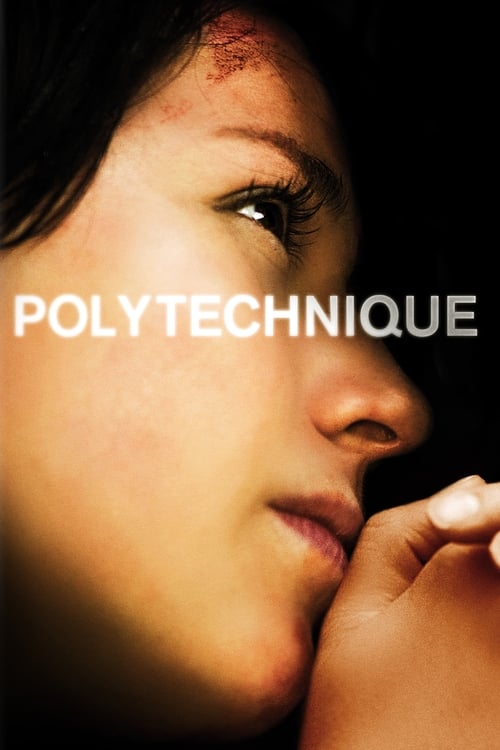
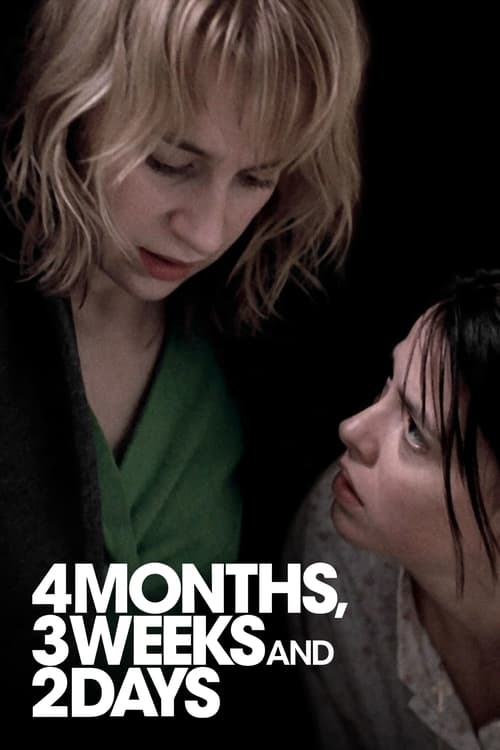
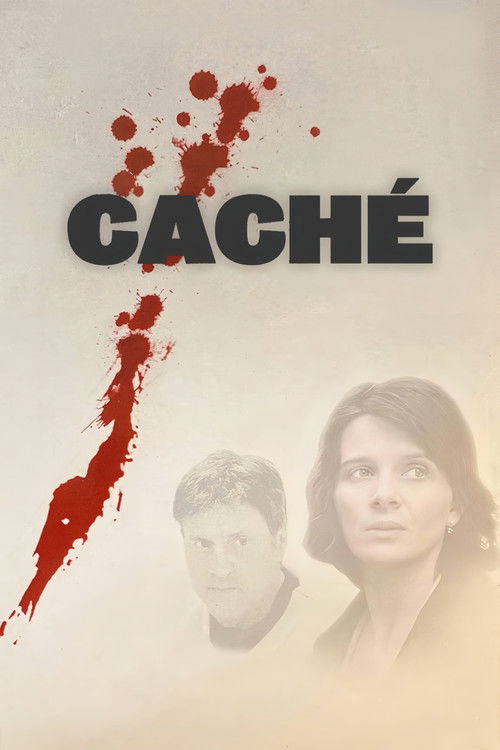
Films that share Michael's cold-observer register and refusal of easy moral release



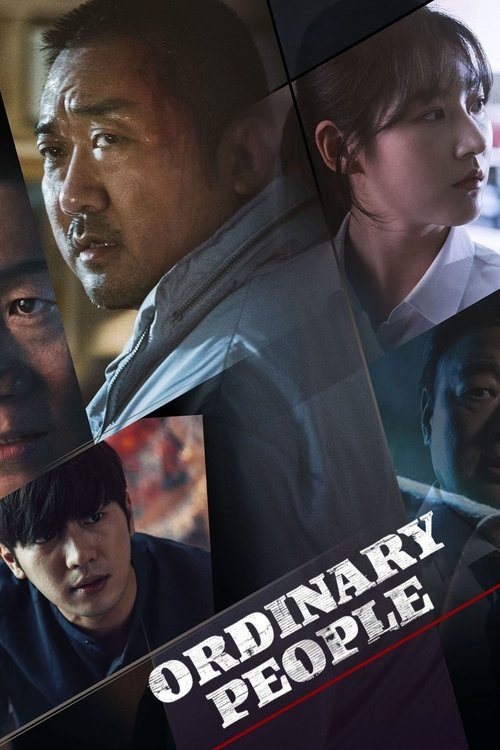
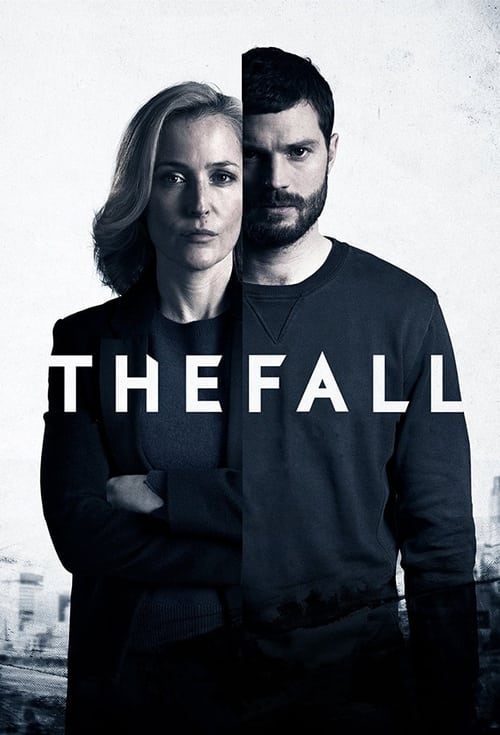
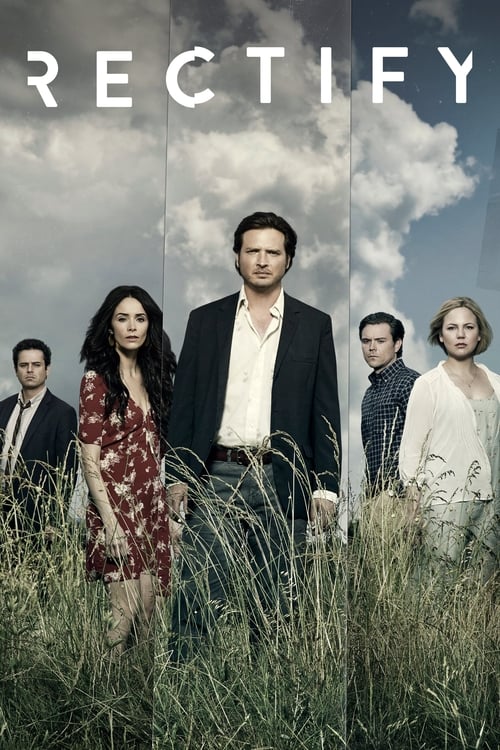
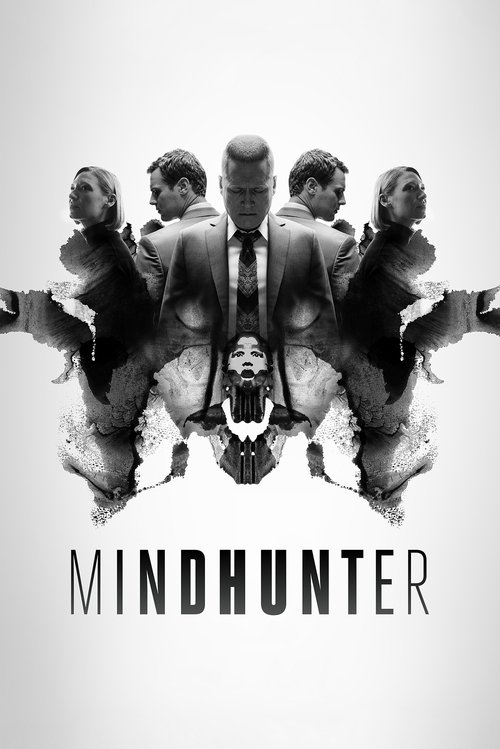
TV That Refuses to Look Away
Series built on the same principle: ordinary exteriors concealing extraordinary violence or moral collapse



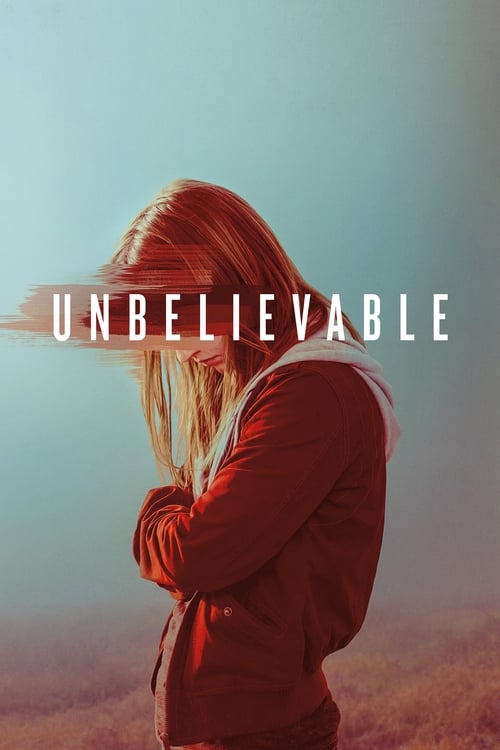

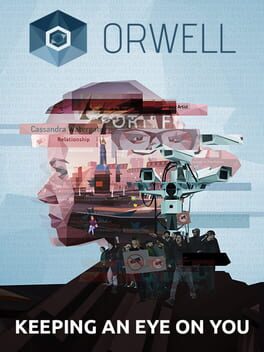
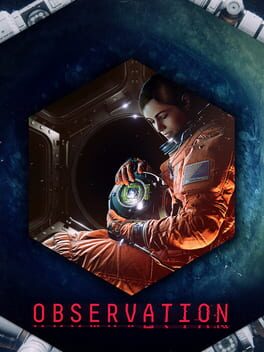
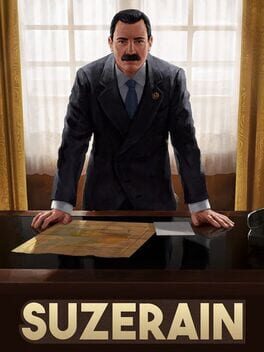
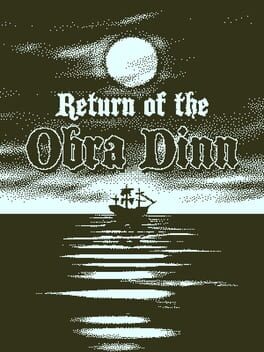
Games About Complicity and Dread
Games that put you uncomfortably close to systems of control, captivity, or moral implication

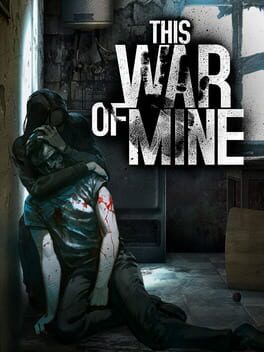
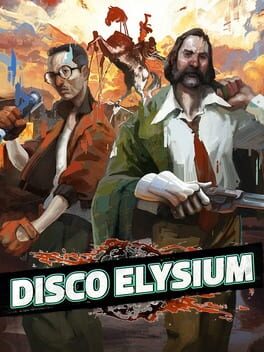
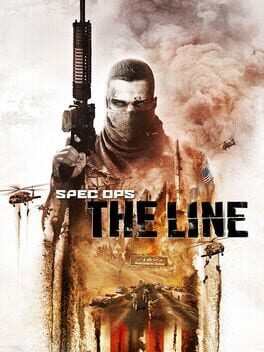

The Haneke School Produced Its Sharpest Pupil Here
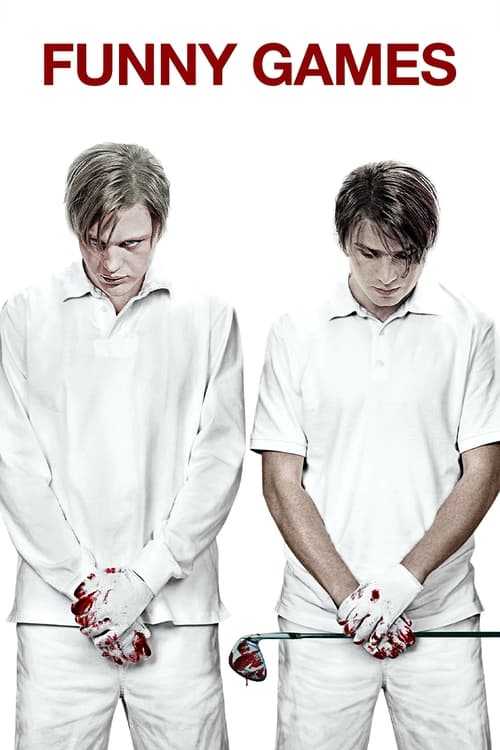
Schleinzer spent years as Michael Haneke's casting director, and Michael is not derivative of that apprenticeship, it is its own argument. Where Haneke often aims his camera at the audience with a provocateur's knowingness, Schleinzer removes himself almost entirely. There is no wink, no self-aware frame. The result is something arguably more disturbing than anything in Funny Games: a film that does not seem to know it is a film.
The Most Important Scene Is the Christmas Dinner
When Michael brings his captive to a family Christmas, the film reveals its true subject: not the monster, but the social fabric that makes monsters invisible. Relatives chat, children play, nobody notices. Schleinzer does not underline this. He simply holds the shot. The horror is that it looks exactly like Christmas.
Restraint Is Not the Same as Detachment
Critics sometimes describe Michael as cold or affectless, but that misreads it. The film is not indifferent to the boy. It simply refuses the false warmth of conventional victim-centred narratives, which often inadvertently aestheticise suffering. By keeping the camera level, Schleinzer demands that viewers generate their own moral response rather than borrowing the film's. That is a form of respect, not coldness.
The Ending Is the Only Honest One Available
Without spoiling the specifics: Michael ends not with justice, not with revelation, but with continuation. Life goes on, systems reset, paperwork is filed. It is a genuinely radical choice in a landscape where films about abuse almost always culminate in exposure and consequence. That refusal to deliver reckoning is the final, coldest argument the film makes.
Cinema's Reckoning with the Ordinary Perpetrator
- 1955Fritz Lang's last German film presents a murderer as a product of society, not a monster apart from it.
- 1960Psycho reframes the killer as the mild-mannered boy next door, shifting the horror of crime into the domestic. Psycho
- 1962Nabokov's novel, already eight years old, begins to reshape literary fiction's tolerance for an unreliable, self-serving abuser-narrator.
- 1997Haneke's Funny Games announces the Austrian school of uncomfortable spectatorship. Funny Games
- 2001We Need to Talk About Kevin begins a wave of literary fiction told from the parent of a perpetrator's perspective.
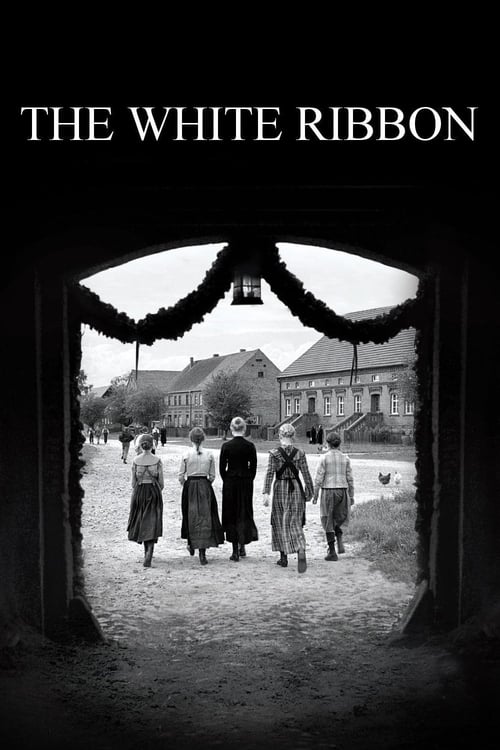
- 2009The White Ribbon wins Cannes Palme d'Or, establishing European slow-cinema moral inquiry as a major mode. The White Ribbon
- 2011Michael premieres at Cannes Un Certain Regard, bringing the flat-perpetrator-POV approach to its logical conclusion. Michael
- 2013Papers, Please makes complicity interactive: the player runs a checkpoint, makes small bureaucratic choices, enables atrocity. Papers, Please
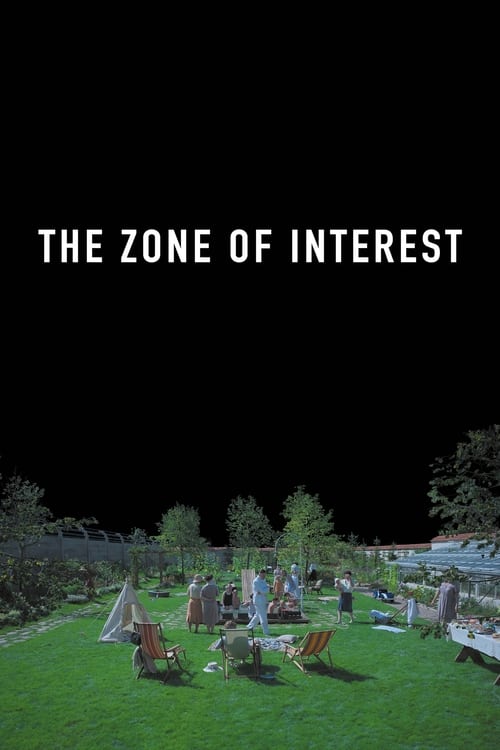
- 2023The Zone of Interest applies the same observational grammar to the Holocaust, winning the Academy Award for Best International Film. The Zone of Interest
The scariest thing in Michael is not what happens in the basement. It is what happens at the office on Monday morning.CrossBinge