

Midsomer Murders has been running since 1997, outlasting its original star (John Nettles as DCI Tom Barnaby) and spawning a second Barnaby (Neil Dudgeon as cousin John) without ever losing its essential character: a glorious English village full of fetes, feuds, and an improbable body count. What fans return for is not procedural rigour but atmosphere. The show is fundamentally comic, in the old sense: order disturbed, order restored, the world safely absurd by the closing credits. Every episode is a kind of puzzle-box set in a Britain of thatched roofs and buried resentments, where the vicar is a suspect and the jam competition is a motive. If you love that formula, the works below follow the same thread, across television, film, books, games, and music.
British Crime, Same Village Energy
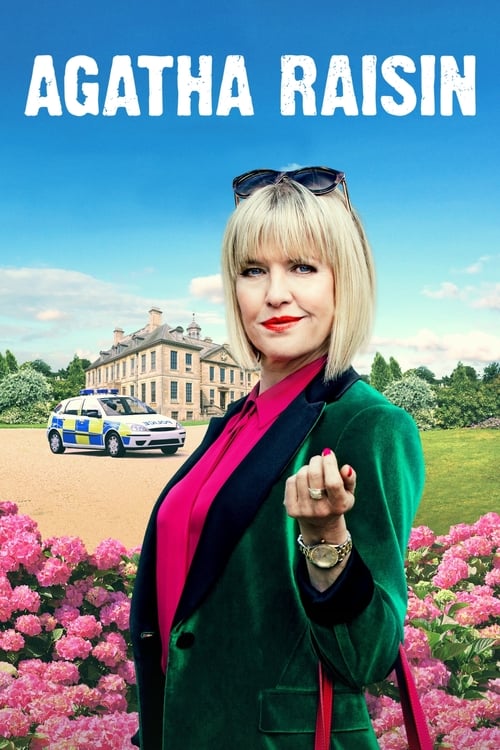
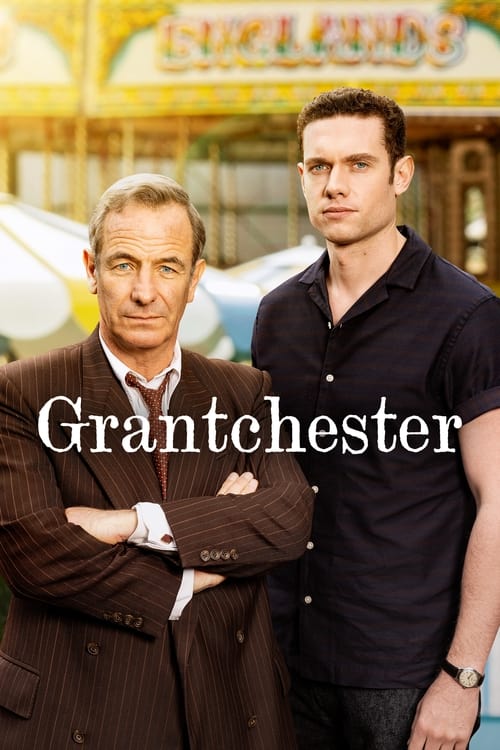
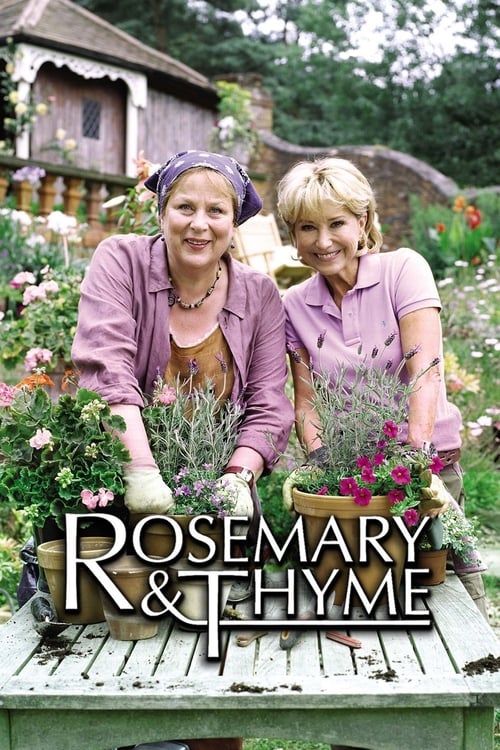
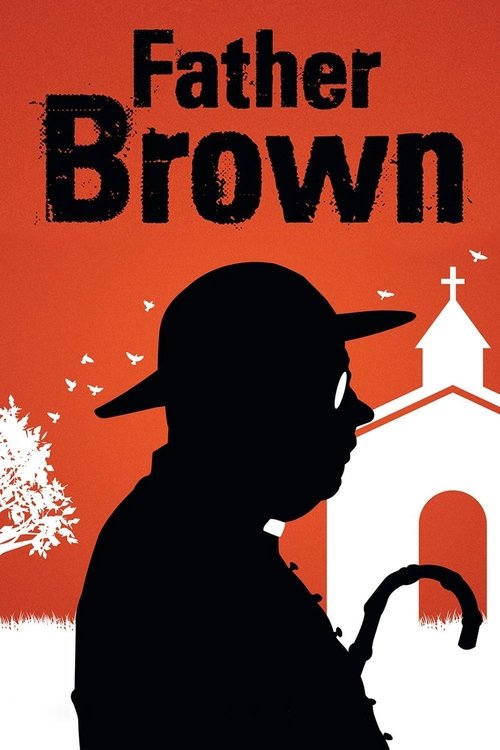
Series that share the cosy-but-deadly DNA: small communities, large secrets, wry tone.


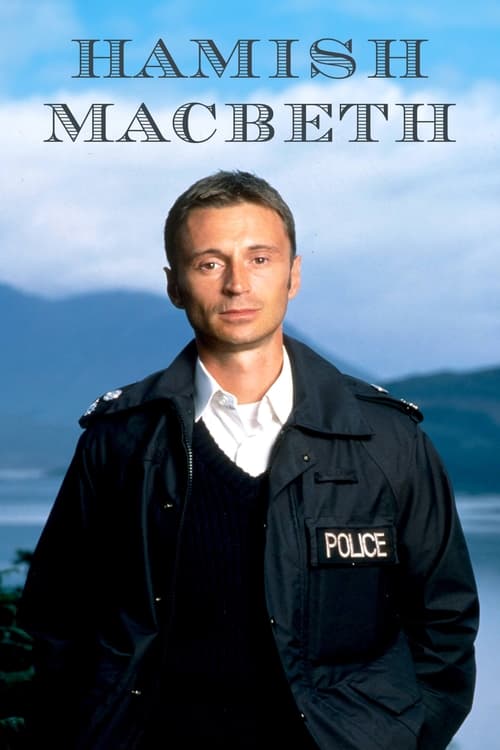
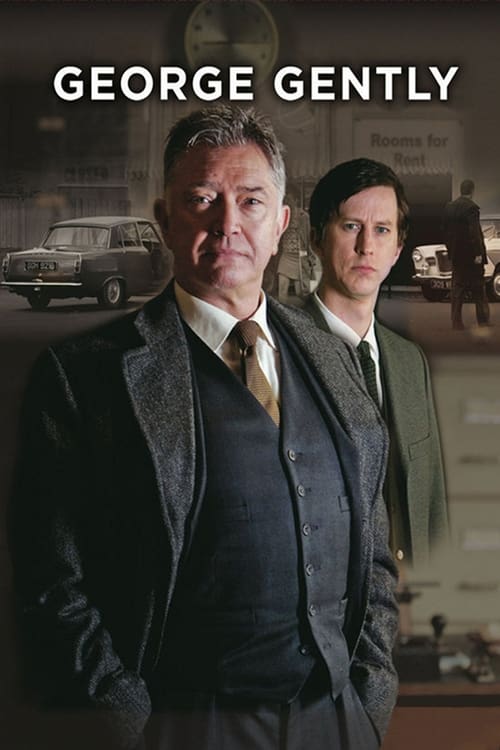
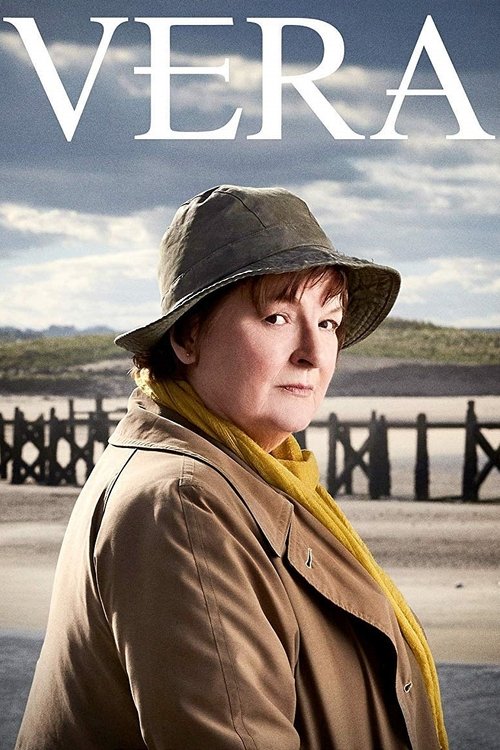

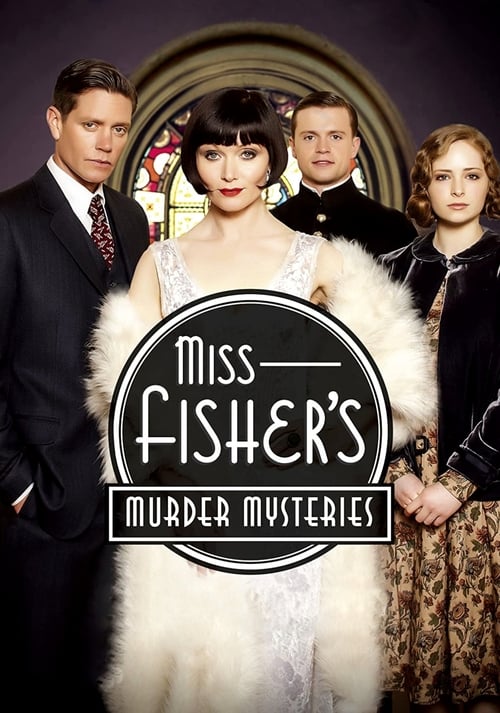
From the Screen to the Page: Cosy Crime Fiction
The books the series grew out of, and the authors who perfected the form.


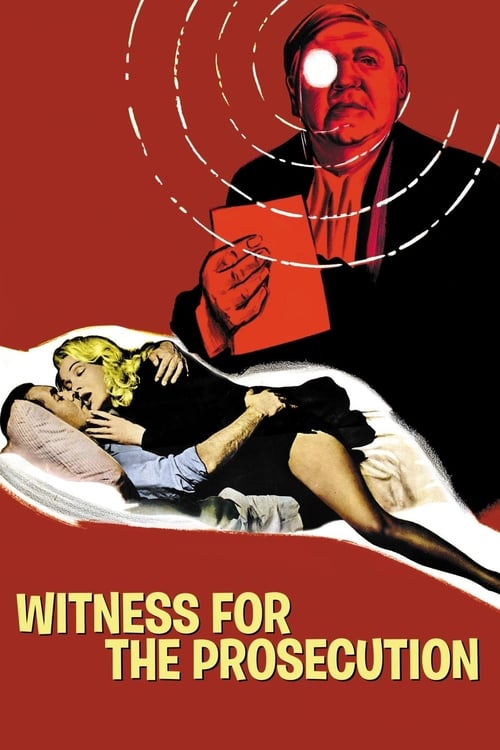
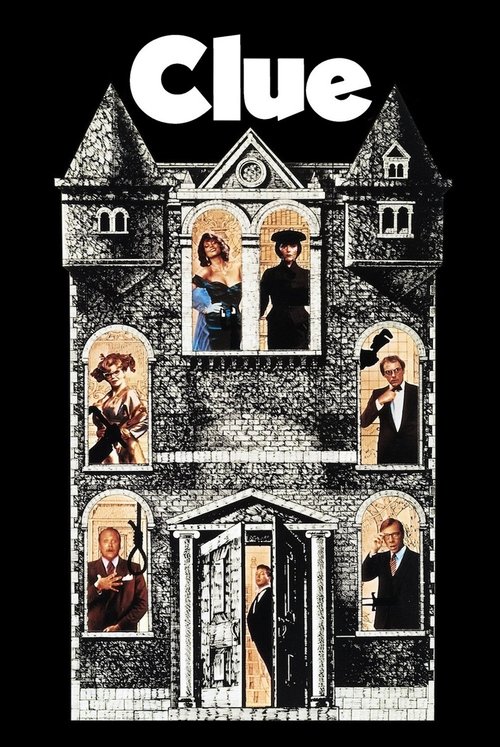
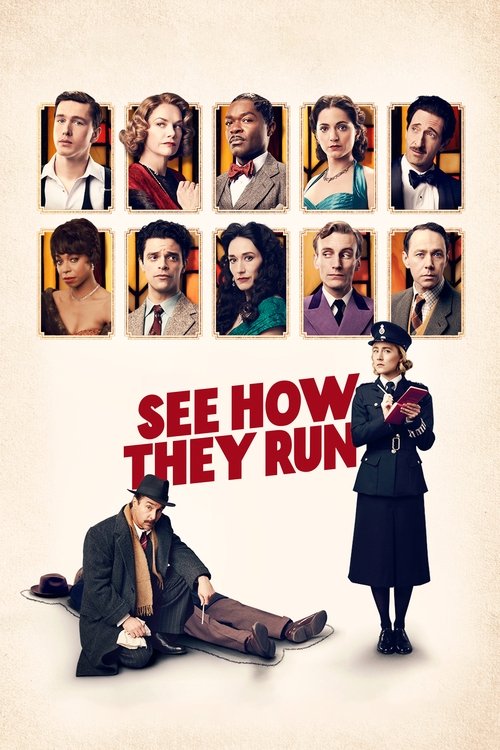
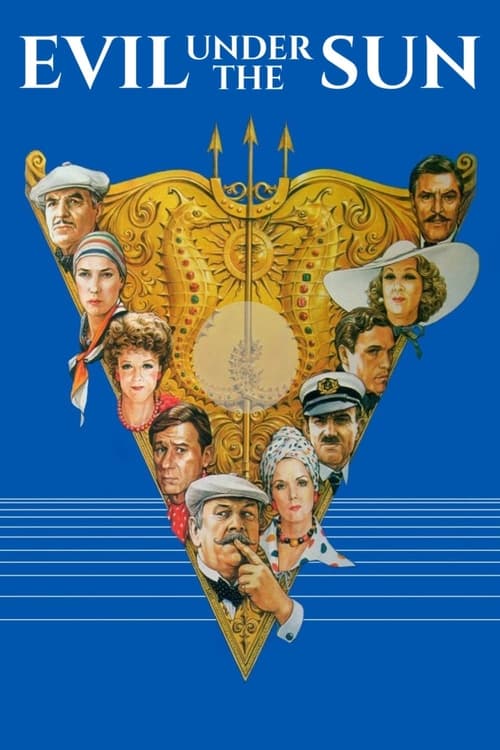
Classic Whodunits on Film
Movies that play the same game: a closed circle of suspects, a detective who sees what others miss.
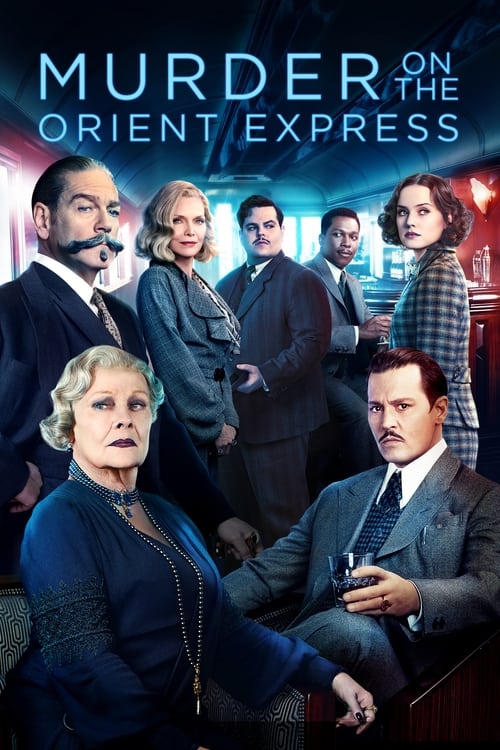
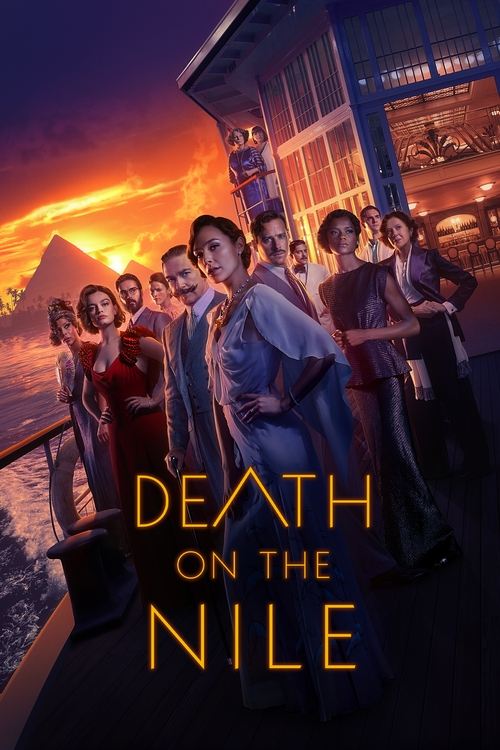


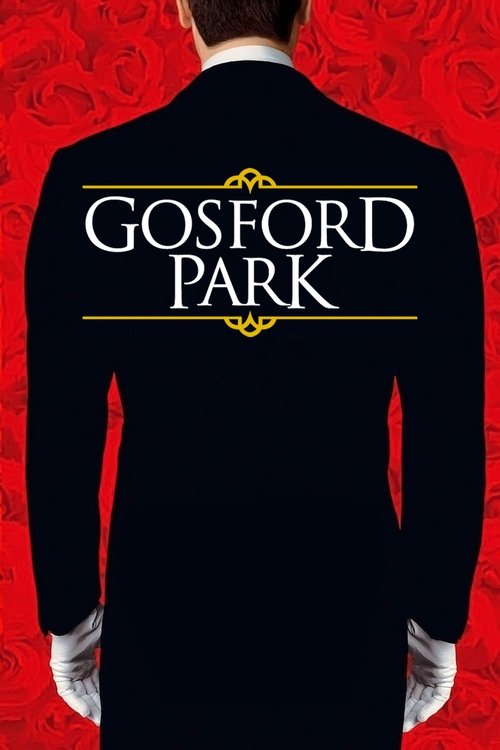
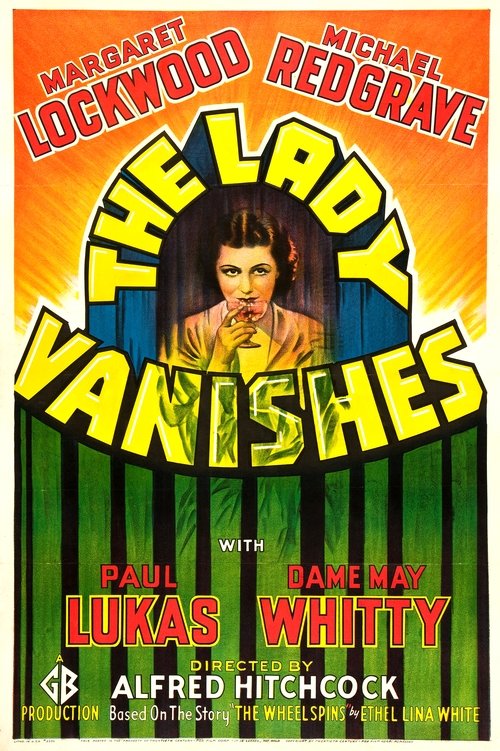
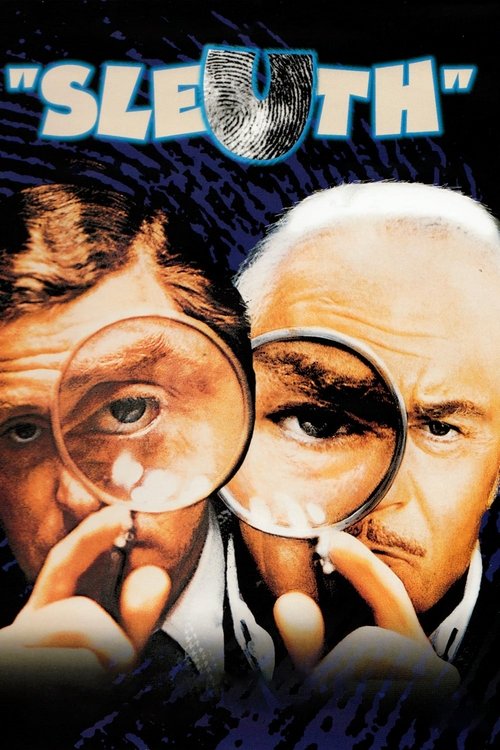
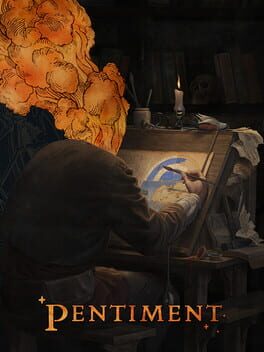
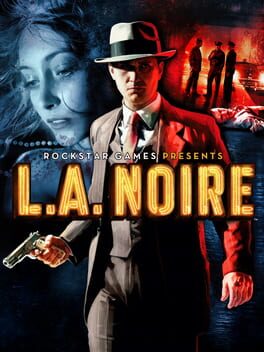
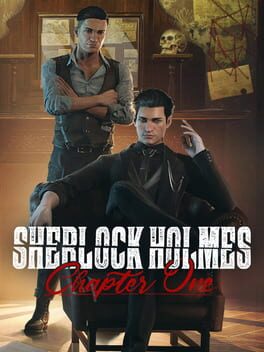
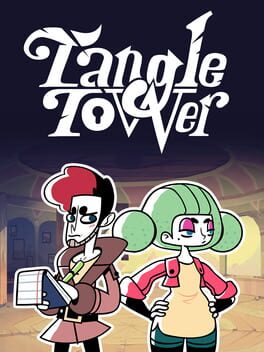
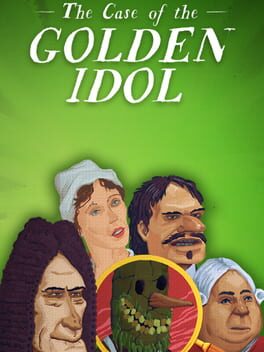
Puzzle and Mystery Games for the Armchair Detective
Games that reward careful observation, deduction, and the same patient logic that solves a Midsomer case.
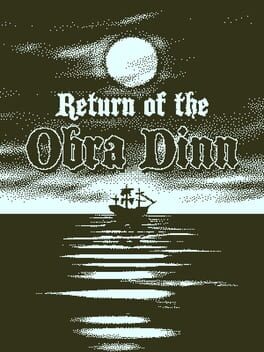
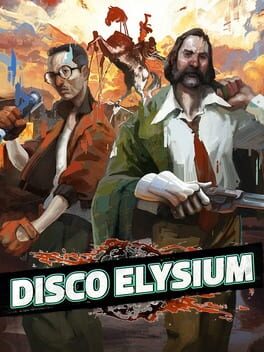


The Body Count Is the Joke
Midsomer Murders is not trying to disturb you. With over a thousand deaths across its run, the show has long since crossed from crime drama into something closer to farce, and the creative team knows it. The pleasure is in the artifice: the improbable murder weapon, the suspect list that includes every eccentric in the village, the mild detective who treats each corpse with the same unruffled professionalism. Agatha Christie perfected this mode in print. The show simply brings it to the countryside in colour.
A Brief History of the Cosy Crime Genre
- 1920Agatha Christie publishes her first Poirot novel, establishing the template for the 'closed circle' whodunit. The Mysterious Affair at Styles
- 1930Christie introduces Miss Marple, the observant village amateur who outsmarts the professionals.
- 1984ITV's Inspector Morse adapts Colin Dexter's Oxford detective novels, bringing highbrow cosy crime to British television. Inspector Morse
- 1987Caroline Graham publishes the first Midsomer novel, creating the world that would become the TV series.
- 1997Midsomer Murders premieres on ITV with John Nettles as DCI Tom Barnaby. The village of Causton is open for business. Midsomer Murders
- 2011Neil Dudgeon joins as John Barnaby, extending the series into a new decade without missing a step.
- 2019Rian Johnson reinvents the whodunit for contemporary cinema audiences. Knives Out
- 2021Richard Osman's retirement-home detective club sells millions of copies worldwide, proving cosy crime has never been more popular.
The village of Midsomer is not a real place, but it describes something real: a peculiarly English belief that manners and murder can coexist, that the worst crimes can be solved over a pint, and that nobody is quite who they seem.CrossBinge editorial
Cosy Crime Is a Form, Not a Compromise
Critics sometimes treat the genre as comfort food for people who find real crime too upsetting. This misses the point. The cosy mystery is a formal exercise, as strict in its way as a sonnet. There must be a detective of character, a community with history, a crime that disrupts the social order, and a resolution that restores it. Working within that form is not a retreat from ambition. Return of the Obra Dinn applies exactly the same structure to a ghost ship, with the same satisfying precision.
The British Countryside Is Its Own Character
Part of what makes Midsomer work, and what unites the best recommendations here, is a strong sense of place. The village, the manor house, the market town: these are not generic settings but specific worlds with their own hierarchies and grudges. Death in Paradise transplants the same logic to Guadeloupe and it works for the same reason. Gosford Park gives you the English country house as a social ecosystem, observed with ruthless affection. Setting is not background; it is the engine.
The Detective Who Does Not Brood
The modern crime drama defaults to the damaged detective: the alcoholic, the haunted, the brilliant-but-broken. Midsomer Murders is a conscious refusal of that mode. Tom Barnaby, and John after him, are good-natured, professionally competent, happily married men who happen to investigate murders. This is rarer than it sounds, and it changes the whole register of the viewing experience. Father Brown works the same way. So does Agatha Raisin, though with considerably more chaos. The equilibrium of the detective is what makes the puzzle feel safe to inhabit.