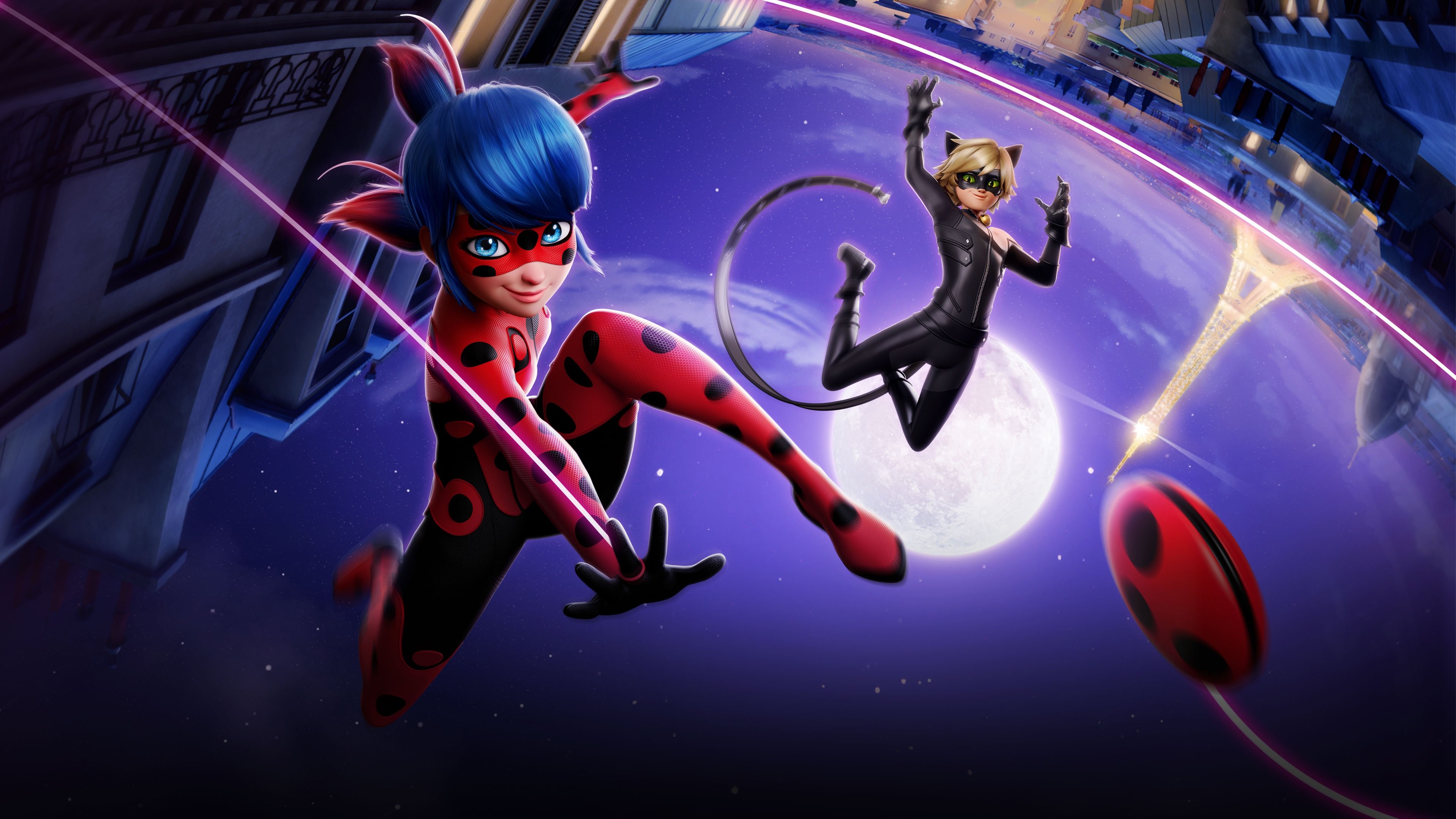

Miraculous: Tales of Ladybug & Cat Noir is built on one of the oldest engines in romantic storytelling: two people who are perfect for each other, kept apart by a secret they each keep from the other. Marinette loves Adrien. Cat Noir loves Ladybug. They are the same two people. The show runs entirely on that irony, and it earns every moment it wrings from it. Set in a heightened, sun-drenched Paris full of akumatized villains and magical jewelry, Miraculous pulls off something genuinely rare: it works for young kids as bright superhero action, and it works for teenagers and adults as a slow-burn romance with real emotional stakes. The series blends French elegance with Japanese magical-girl DNA and Western superhero convention, and the result has accumulated a global fandom that treats it with the same devotion usually reserved for prestige live-action drama. If you love this show, you love the identity-secret device, the found-family warmth, the aesthetic of transformation sequences, and stories where growing up and saving the world happen at exactly the same time.
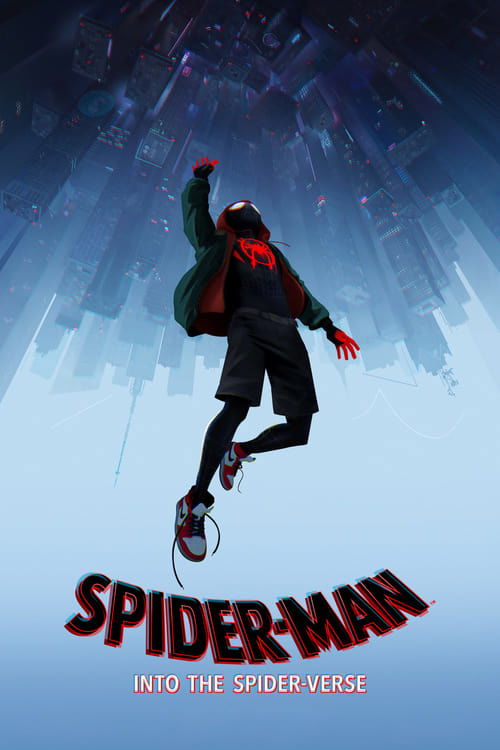
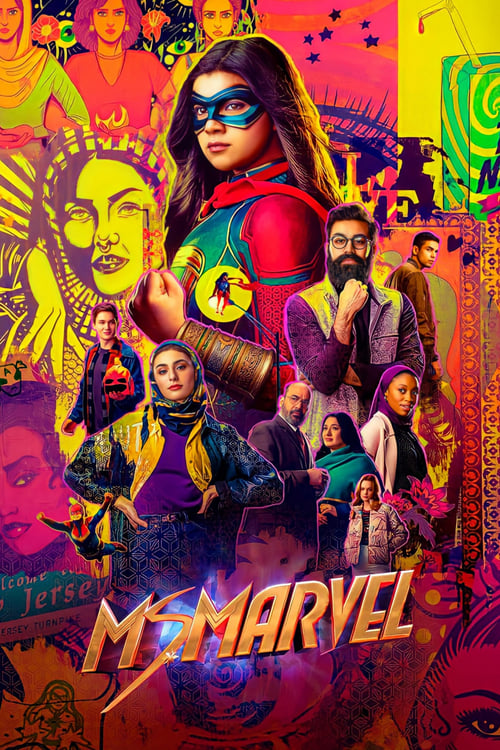
If you love the secret-identity romance
Stories where the barrier between 'who I am in costume' and 'who I am at school' is the whole emotional engine.


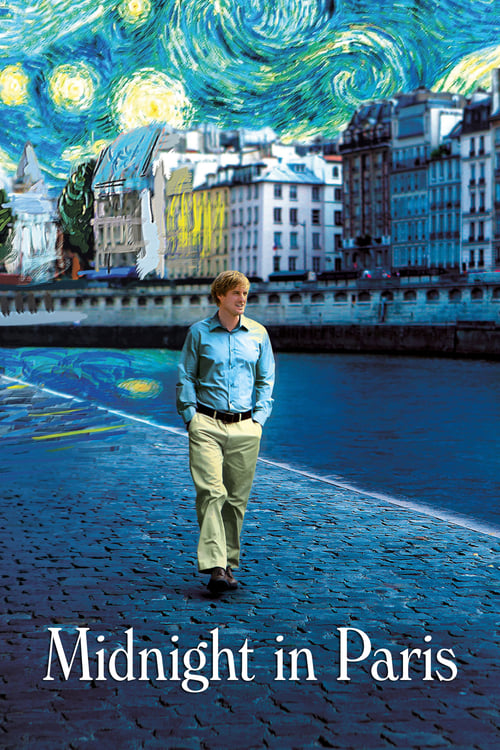
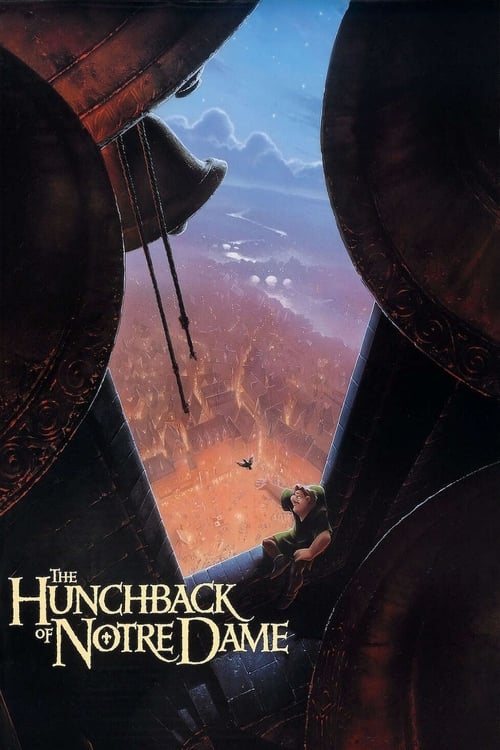
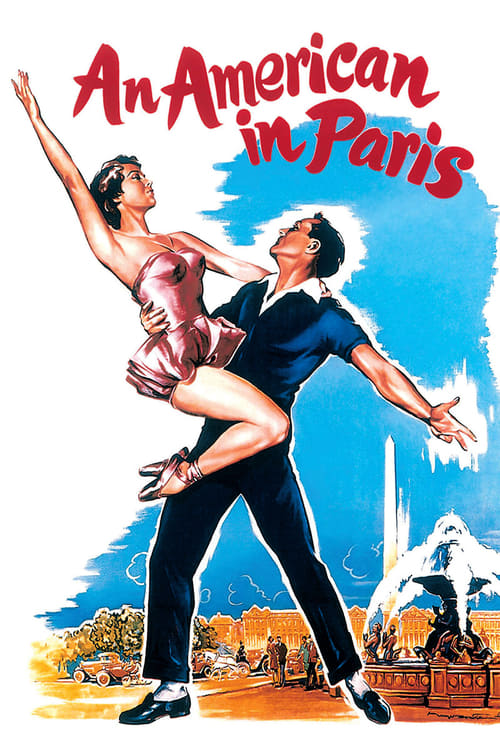
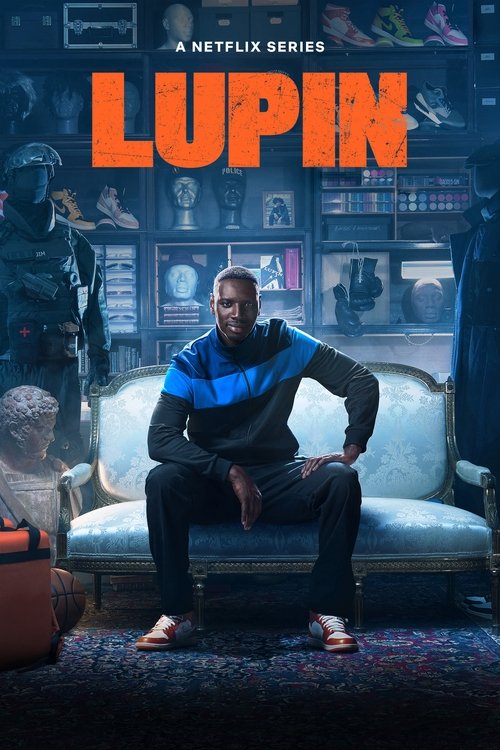
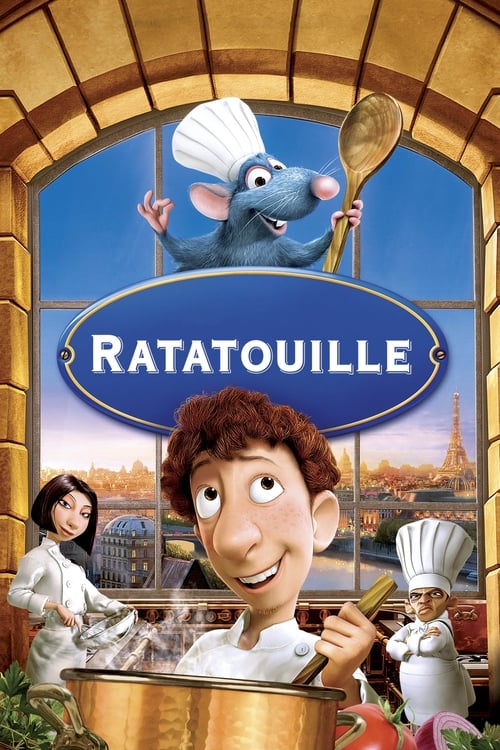
If you love Paris as a character
Films, series, and books that treat the city the way Miraculous does: not a backdrop but a mood, a living co-star.


If you love the magical-girl transformation sequence
Series and films that perfected the ritual of ordinary person becoming extraordinary, costume and all.
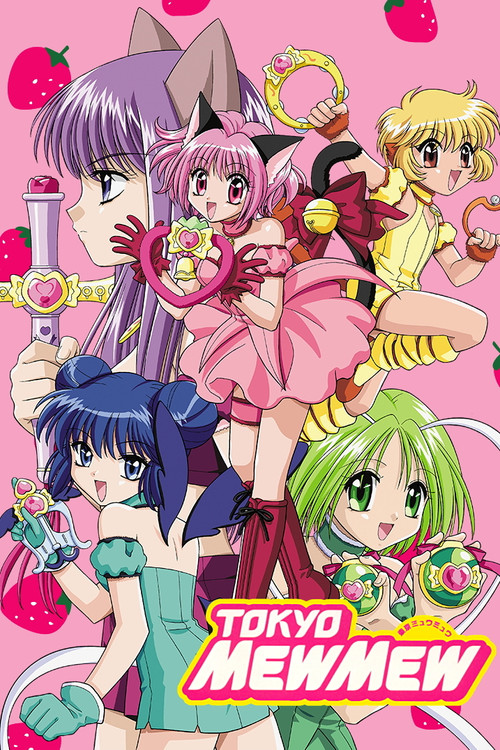
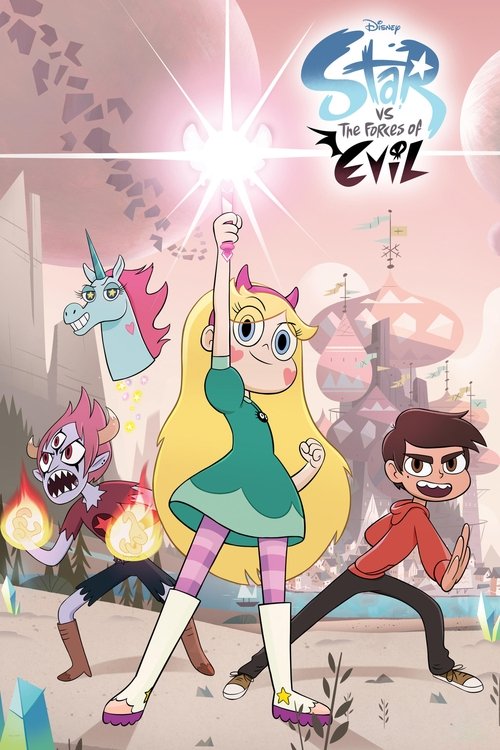
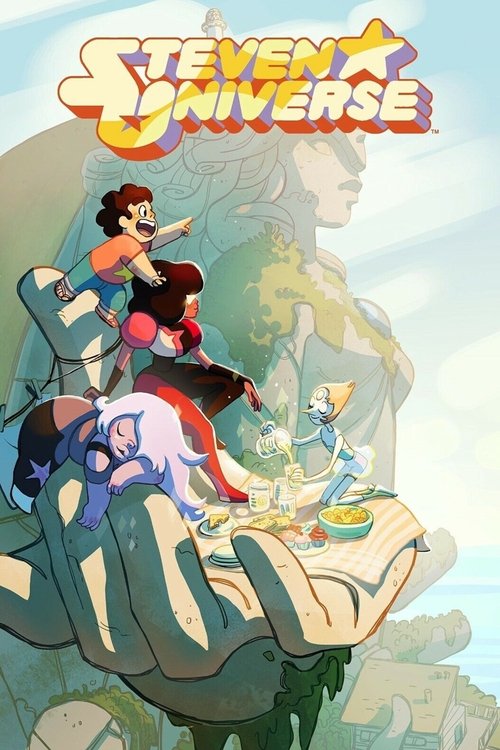
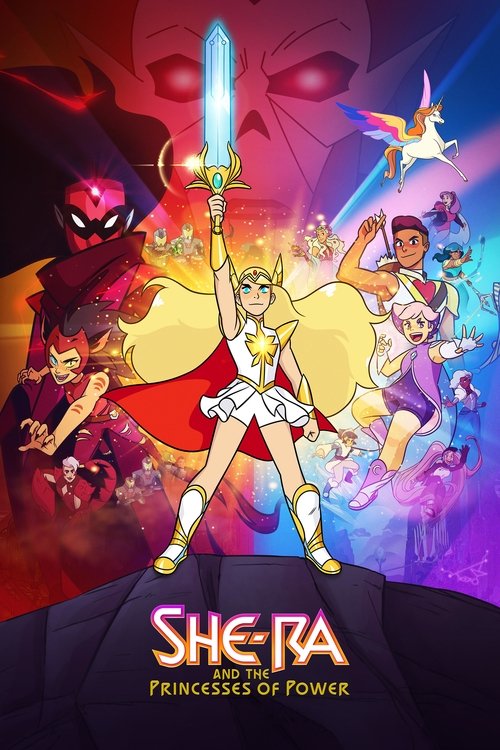
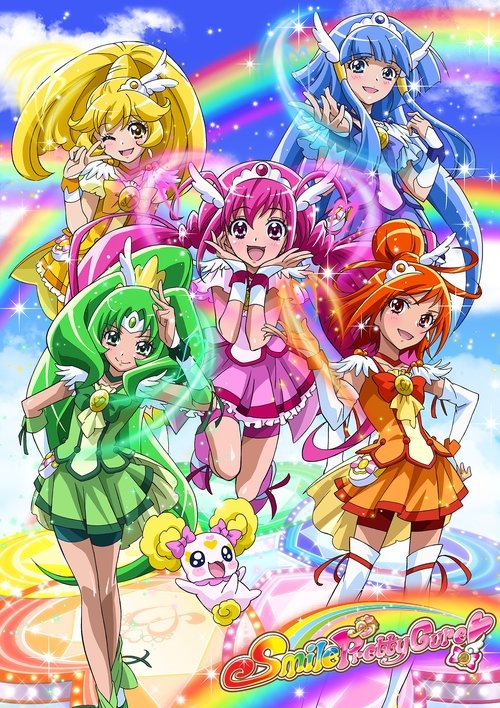

Cross-media: games, books, and music for the Miraculous fan
The same themes: partnership, hidden identity, Paris aesthetics, and emotional stakes played completely straight.

The show's real subject is competence, not power
Ladybug is written as someone who earns her wins. She improvises, she fails on the first attempt, and the Lucky Charm item she gets is never obviously useful until she figures out how. That design choice sets Miraculous apart from most superhero cartoons aimed at kids, where the hero simply hits harder than the villain. Marinette is allowed to be excellent at things that are not punching, and the series respects that excellence as much as any fight sequence.

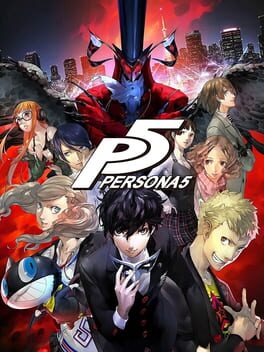
Persona 5 is the Miraculous game you never knew you needed
Both series give you a secret society of masked heroes operating in a recognizable real city, a romance that is tangled up in those masks, and a villain who is tragically close to someone the hero loves. Persona 5's Tokyo and Miraculous's Paris share the same visual energy: neon, rooftops, fashion-forward aesthetic. The emotional register is heavier in Persona 5, but the DNA is close enough that fans of one reliably become fans of the other.
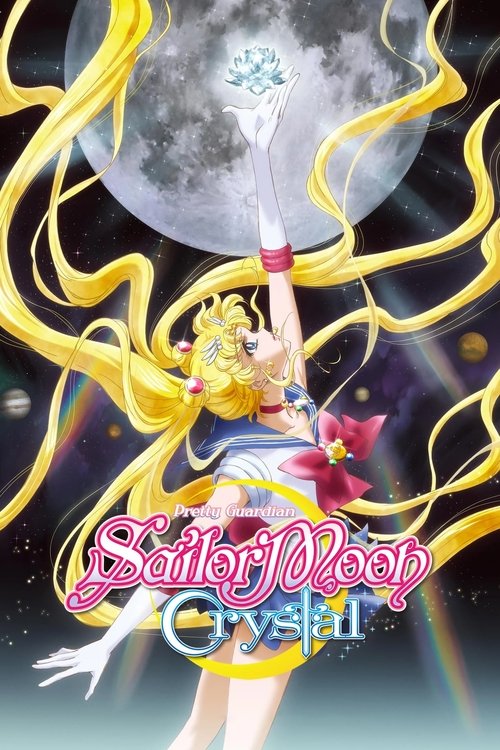
Sailor Moon is the ancestor, not the competition
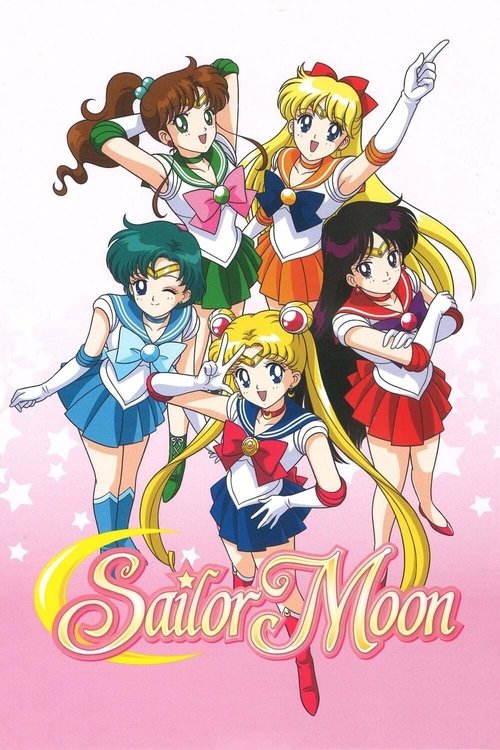
Miraculous owes an enormous debt to Naoko Takeuchi's series: the transformation, the civilian alter-ego romance, the urban setting, the found partnership. But Thomas Astruc's show makes one key structural reversal: both leads are superheroes, and both hide their identities from each other. That bilateral secret is the innovation that turned the Sailor Moon formula into something genuinely new. Watching Moon first makes Miraculous feel like a witty reply.
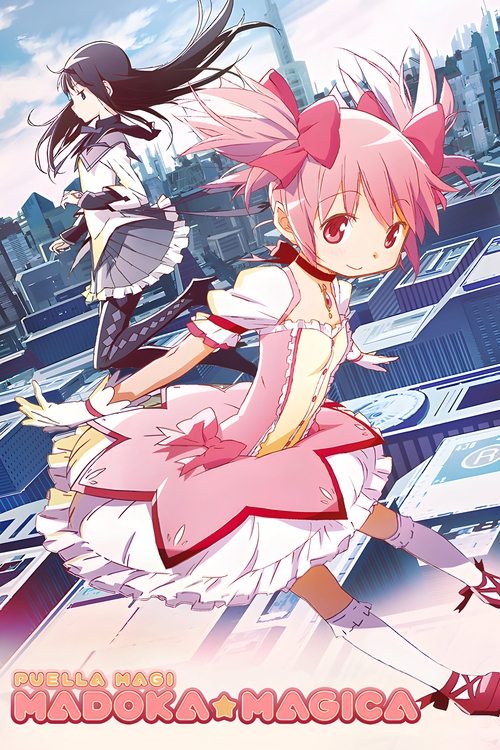
Puella Magi Madoka Magica is the dark-mirror version of this genre
If Miraculous is the genre operating in full warmth and safety, Madoka is what happens when the same genre machinery is turned toward tragedy. Both shows feature girls chosen by a magical creature to fight a recurring evil, both center a pivotal friendship, and both ask what happens when the rules of the game turn out to be different from what the heroes were told. Madoka is not a replacement for Miraculous; it is a conversation partner for older fans ready for the genre to get serious.
The magical-hero timeline: from Sailor Moon to Miraculous
- 1992Sailor Moon begins serialization in Nakayoshi, establishing the modern magical-girl superhero template.
- 1996CardCaptor Sakura launches and refines the genre: a child collector, a rival/partner, a slow-burn romance across the whole run.
- 1998The Sailor Moon anime ends its original run; the template is now canon worldwide. Sailor Moon
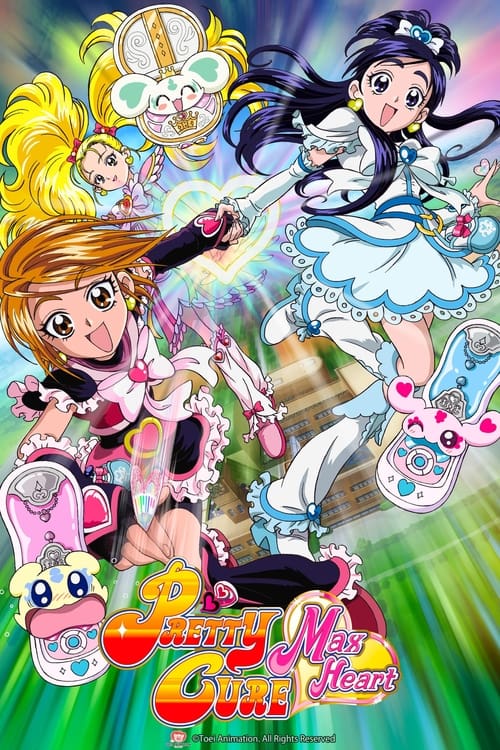
- 2004Pretty Cure begins its long franchise run on Japanese TV, proving the genre can sustain indefinite seasonal renewal. Pretty Cure
- 2011Puella Magi Madoka Magica deconstructs and reconstructs the genre in 12 episodes, raising its ceiling for adult audiences. Puella Magi Madoka Magica
- 2012Thomas Astruc first pitches the Miraculous concept; early designs circulate as a Japanese-style animated short. Miraculous: Tales of Ladybug & Cat Noir
- 2015Miraculous: Tales of Ladybug & Cat Noir premieres, blending French production, Japanese magical-girl structure, and an unprecedented bilateral secret-identity romance. Miraculous: Tales of Ladybug & Cat Noir
- 2020Miraculous World specials expand the universe beyond Paris for the first time.
- 2023The Miraculous movie premieres on Netflix, retelling the origin with musical sequences and a self-contained arc. Miraculous: Ladybug & Cat Noir, The Movie
The genius of the show is that the audience knows the secret. We watch two people fall for each other twice over, as civilians and as heroes, and neither of them knows it. That is a comedy and a tragedy happening at the same time, and it is almost impossible to stop watching.CrossBinge editors