

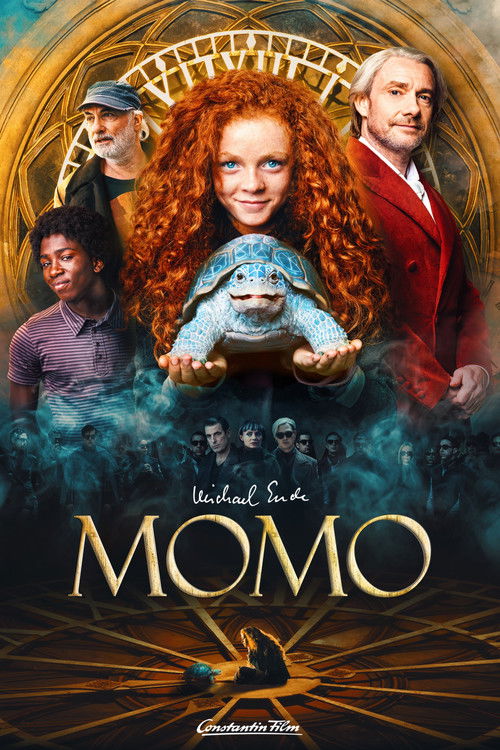
Michael Ende's Momo (1973) is a philosophical fairy tale for all ages about the slow theft of human interiority. The Grey Men, those silky-suited agents of the Time Savings Bank, don't rob people at gunpoint; they simply persuade them that efficiency is virtue, that leisure is waste, and that saving time now will pay dividends later. The result is a world drained of conversation, play, and love. Against this creeping grey entropy stands Momo: a homeless, ragged girl whose only gift is the ability to truly listen. Ende builds his critique of consumer capitalism and existential hurry into a story that reads as urgent fable, nightmare comedy, and tender myth all at once. The through-line fans chase is this: fiction that takes slowness, presence, and imaginative attention as radical acts, wrapping that argument inside worlds strange enough to make you feel the stakes.
Momo Itself: The Book and Its Screen Life
The source novel and the adaptations that put its world on screen.

Books That Chase the Same Light
Novels where time, attention, and the inner life of children push back against grey adult machinery.


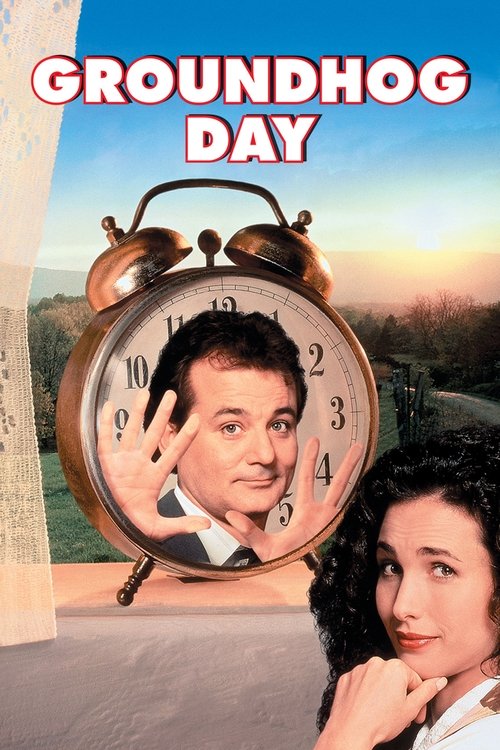
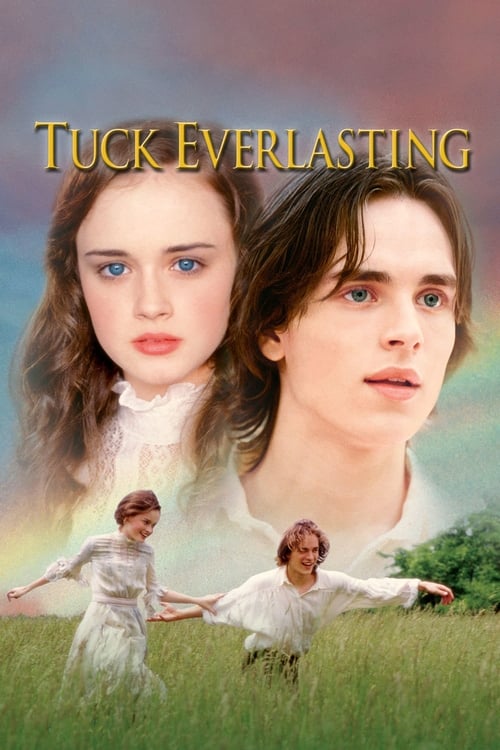
Films Where Time Is the Real Antagonist
Cinema that weaponises clocks, schedules, or the loss of presence against its characters.

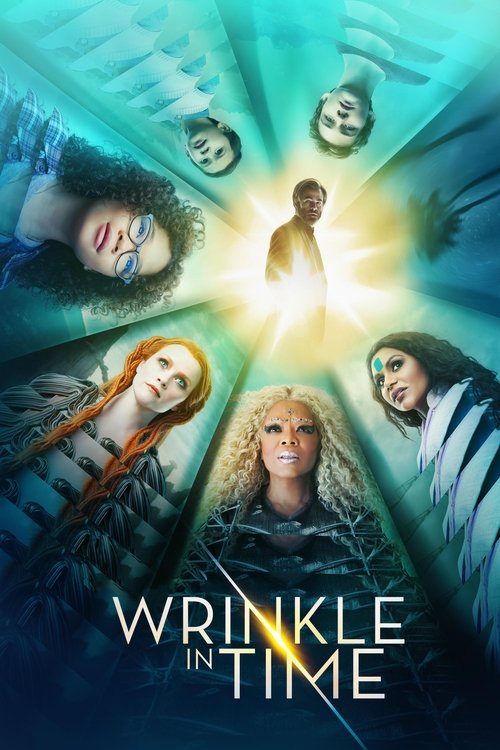
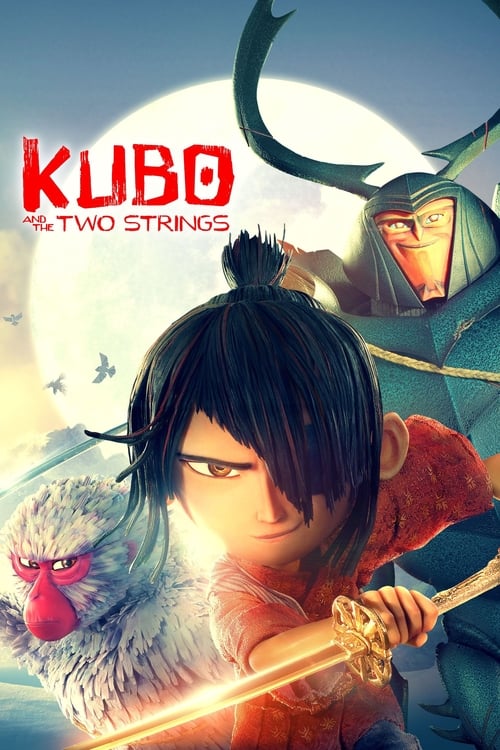
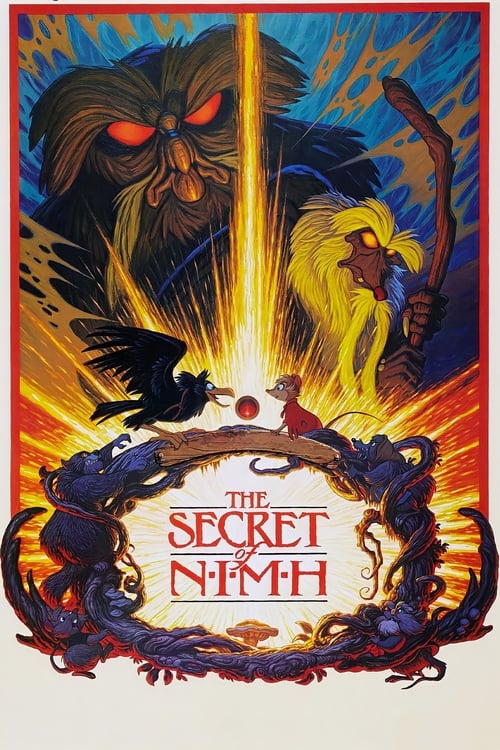
Series That Slow the World Down
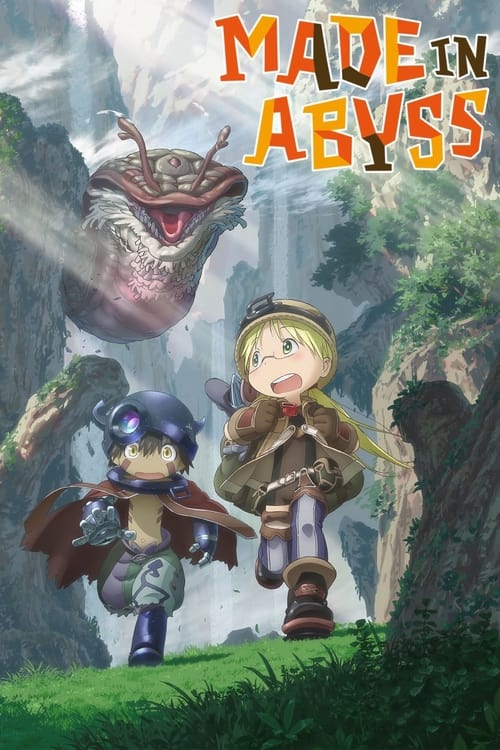
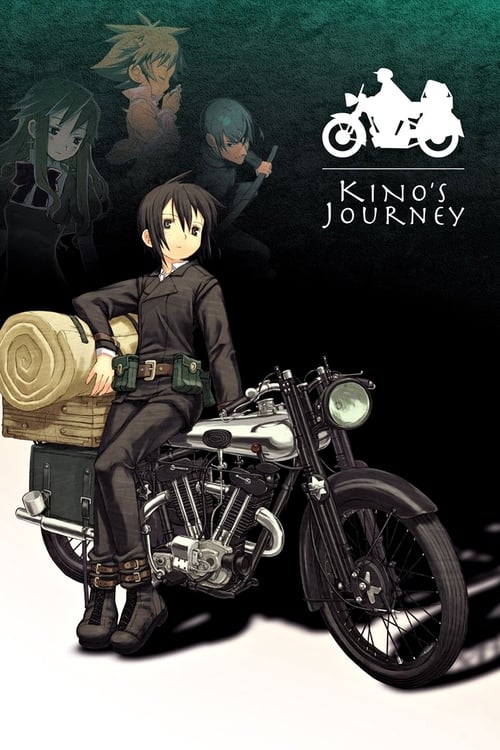
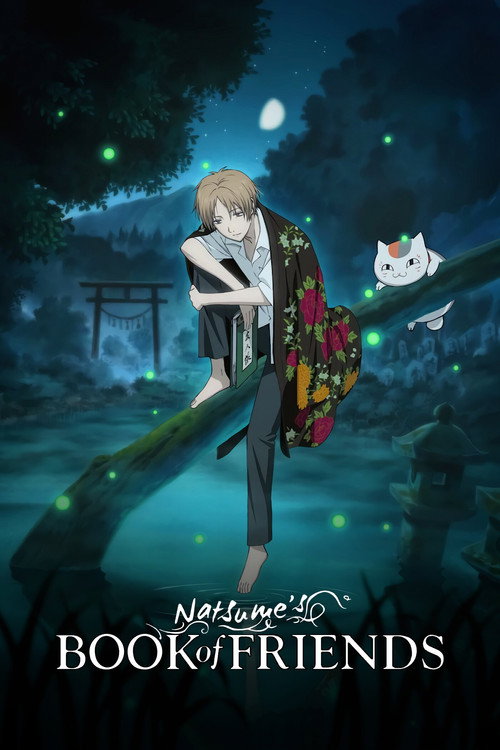
Television and animated series with that same quality of enchanted stillness beneath their plots.


Games About Presence, Memory, and Time
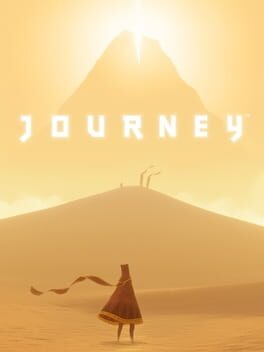
Games where slowing down, listening, and paying attention are the actual mechanics.





The Grey Men Are Not Villains: They Are a System
Ende's masterstroke is that the Men in Grey are never cartoonish. They are polite, logical, and they make sense. Their arguments for time-efficiency sound reasonable because they are the arguments every productivity culture makes. That is what makes Momo so durable: the horror is banal, structural, and recognizable long after you have closed the book. Disco Elysium pulls off the same trick with its political apparitions; the systems of failure in that game are not evil geniuses but hollow ideologies that have learned to speak.
Ende and Miyazaki Are Working on the Same Problem
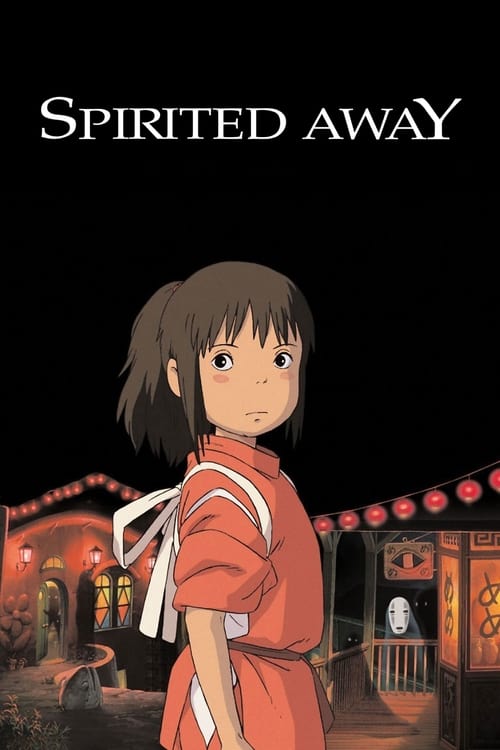
Both Momo and Miyazaki's peak films frame industrial modernity as a force that consumes the inner life of children and the natural world simultaneously. Chihiro's parents become pigs the moment they gorge without thought; the Men in Grey harvest hours the same way. Spirited Away is not an adaptation of Momo, but it is the closest any film has come to the same emotional grammar: a girl alone in a strange economy, keeping herself whole by refusing to forget who she is.
Momo and the Stories Around It
- 1961Norton Juster publishes the boredom-as-catastrophe fable
- 1968Kino's Journey author Keiichi Sigsawa is born; the series later echoes Ende's wandering-observer form
- 1973Michael Ende publishes Momo in German; wins the Deutscher Jugendliteraturpreis in 1974
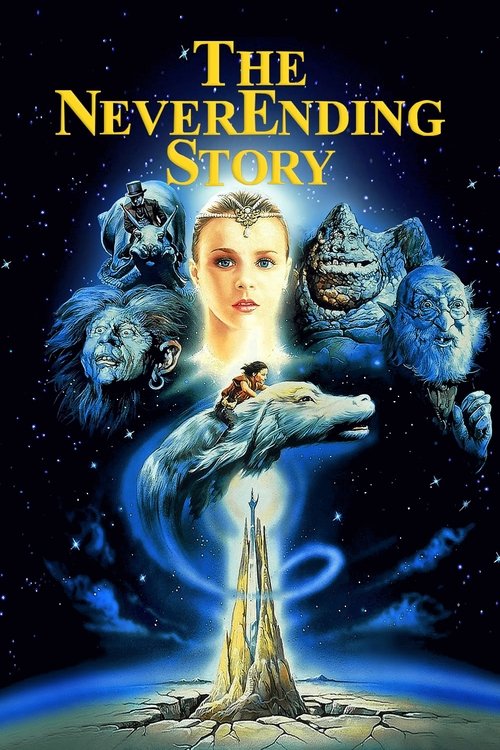
- 1979Ende publishes The Neverending Story, deepening his critique of imagination under threat The Neverending Story
- 1984Wolfgang Petersen adapts The Neverending Story; Ende famously disowns it The NeverEnding Story
- 1986Johannes Schaaf's film adaptation of Momo reaches international screens Momo
- 2001Miyazaki's Spirited Away enters theatres, independently arriving at Ende's emotional territory Spirited Away
- 2005Mushishi begins its broadcast run; Ginko's listening-as-power becomes a template for contemplative anime
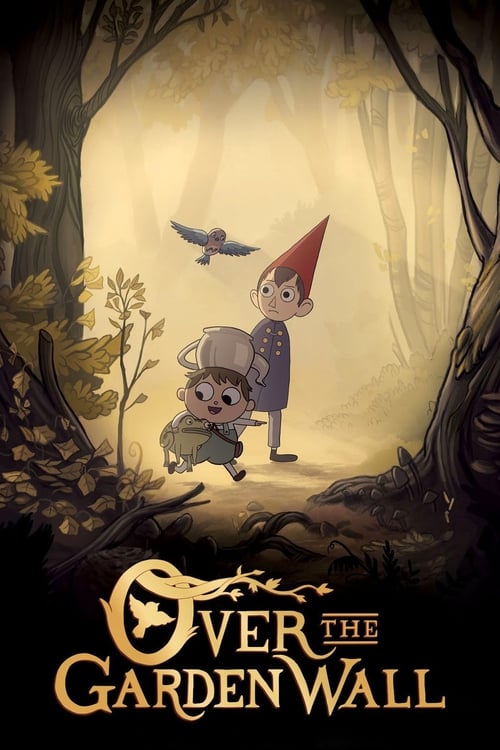
- 2014Over the Garden Wall brings Ende's enchanted-forest dread to American animation Over the Garden Wall
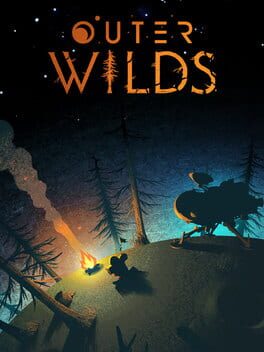
- 2019Outer Wilds makes time-loop discovery its entire grammar; the sun dies every 22 minutes and the only answer is to pay attention Outer Wilds
Momo could listen in a way that made slow-witted people have flashes of inspiration. Not because she said or asked anything that put such ideas into their heads, but because she listened in a way that made people capable of saying things they would never have dreamed of saying.Michael Ende, Momo (1973)