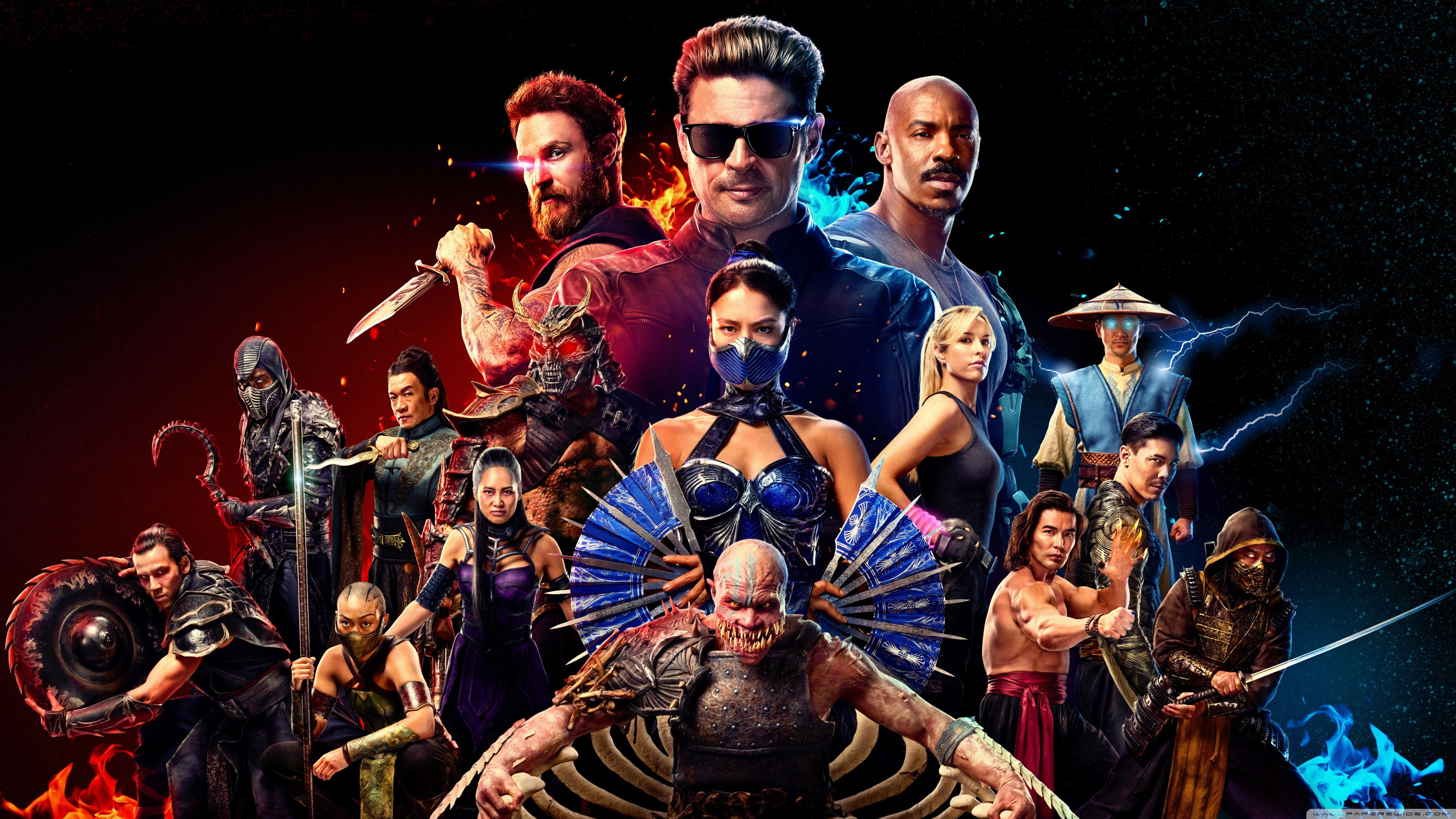

Mortal Kombat II (1993) did not invent the fighting game, but it defined what the genre could be when violence was treated as spectacle, mythology, and dark comedy simultaneously. The follow-up to the original arcade hit expanded the roster, deepened the lore of Outworld and Shao Kahn, and introduced Fatalities so grotesque they triggered a US Senate hearing. What fans actually chase is that specific cocktail: a martial-arts tournament premise that plays completely straight while delivering content that is operatically over-the-top; a visual style that borrows from Hong Kong cinema, ninja pulp, and heavy-metal album art at the same time; and a world that rewards lore obsession without requiring it. That combination, earnest mythbuilding wrapped around pure carnage, runs through the best of this magazine.
Essential Mortal Kombat
The core games a Mortal Kombat II fan should work through, from origin to reinvention.
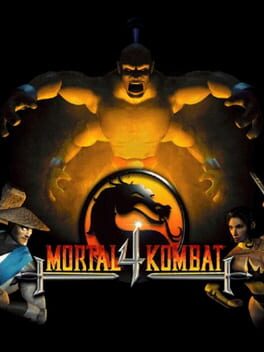
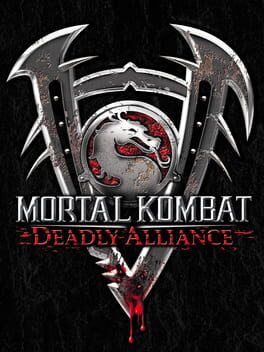
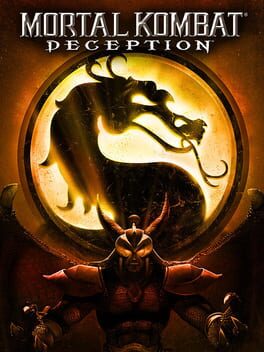
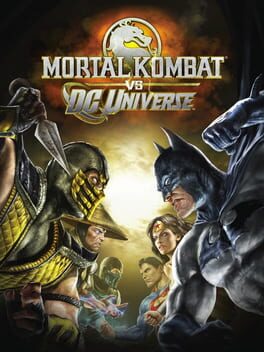
The Tournament Films
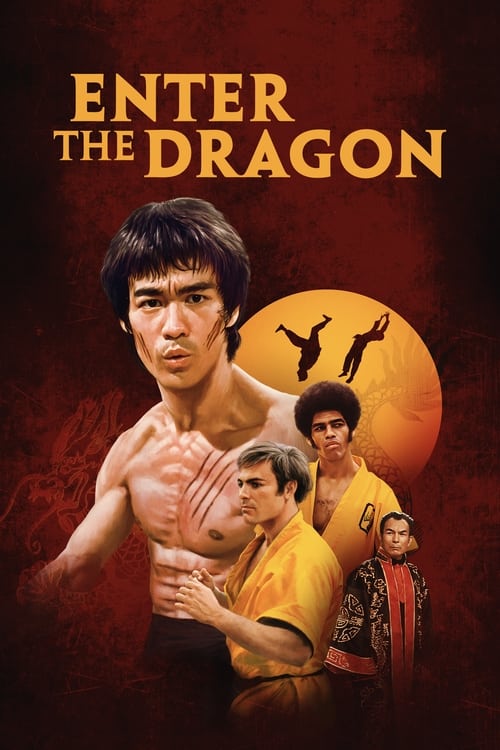
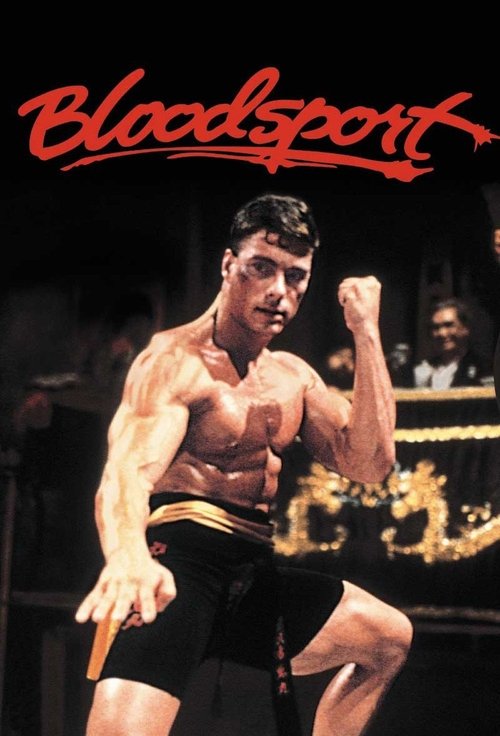
Movies where martial artists are thrown into high-stakes combat arenas, real or mythic.
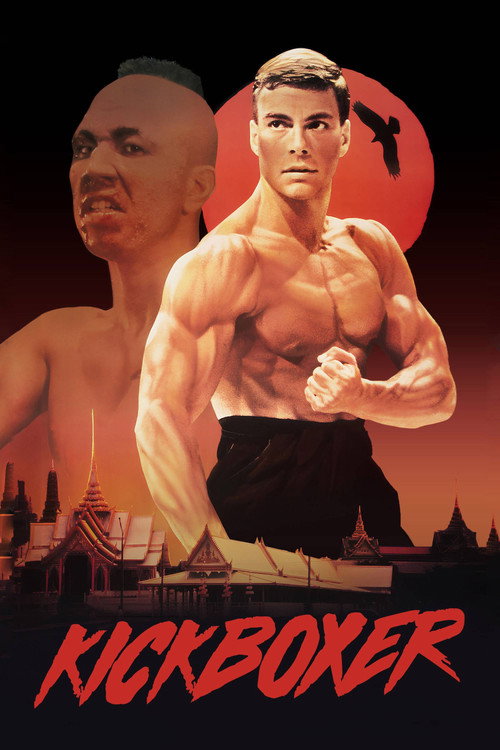
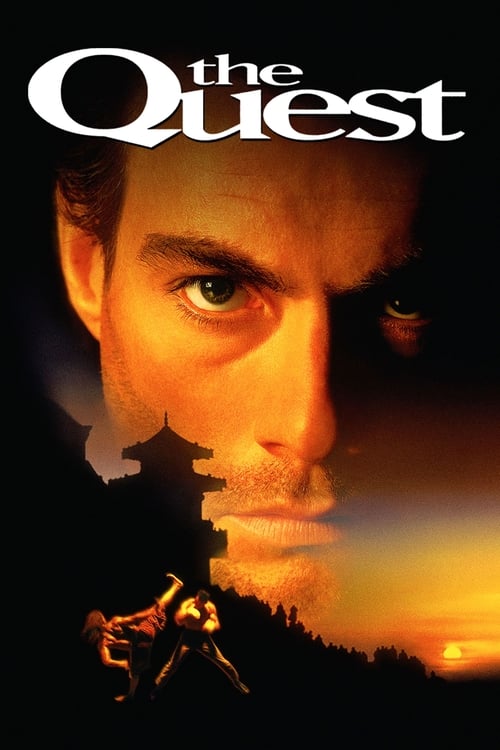
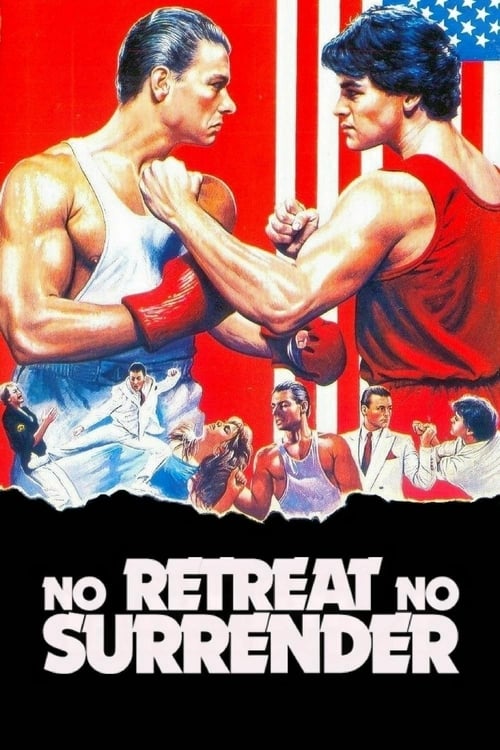
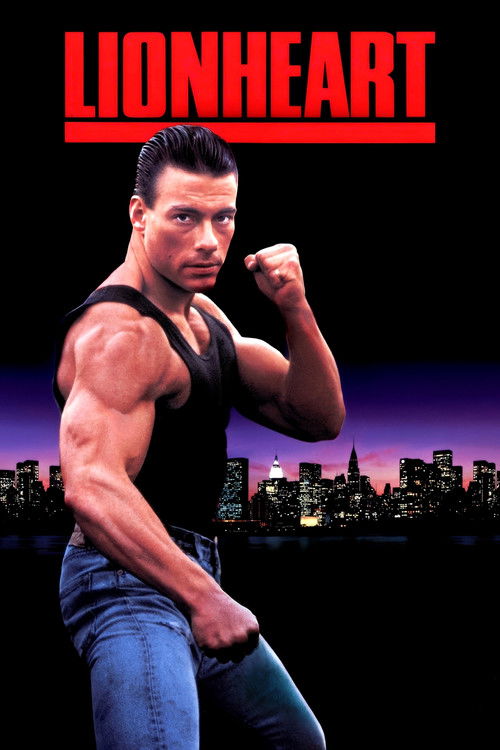
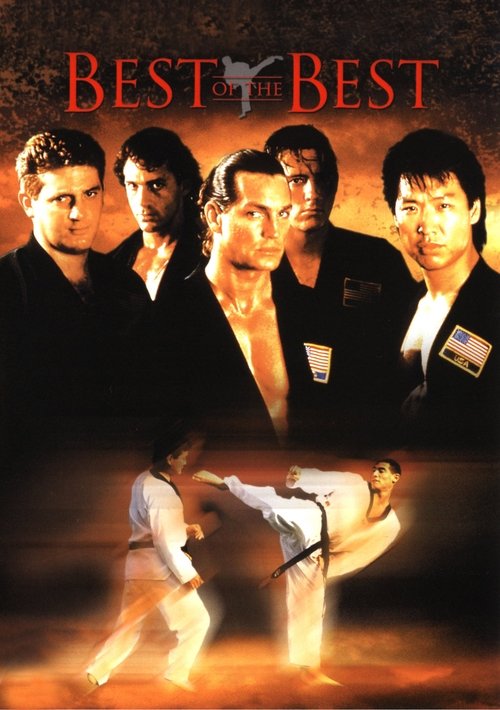
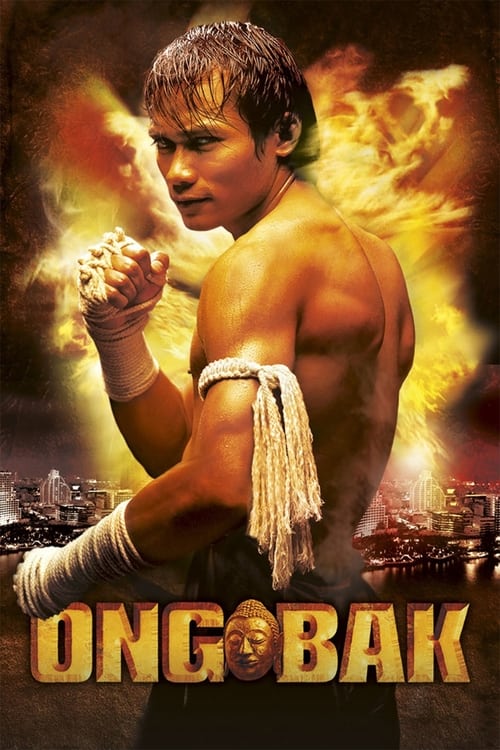
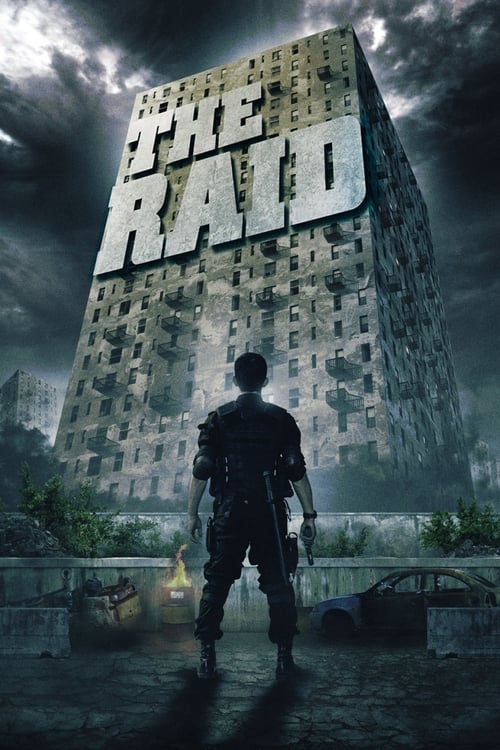
Fighters on Screen: Essential Series
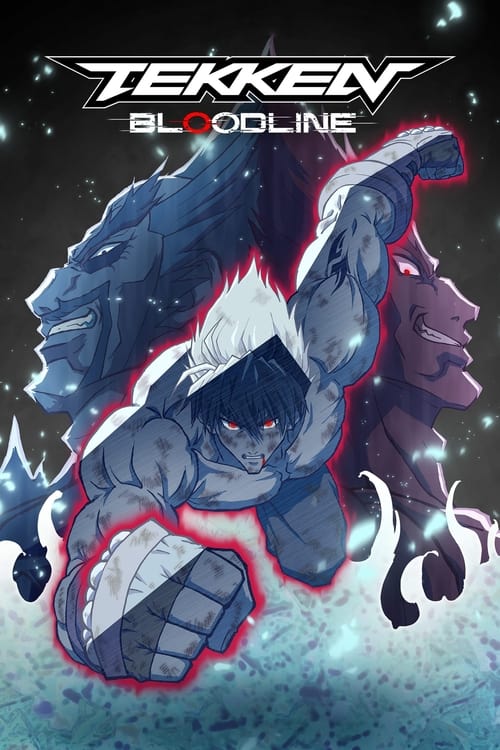
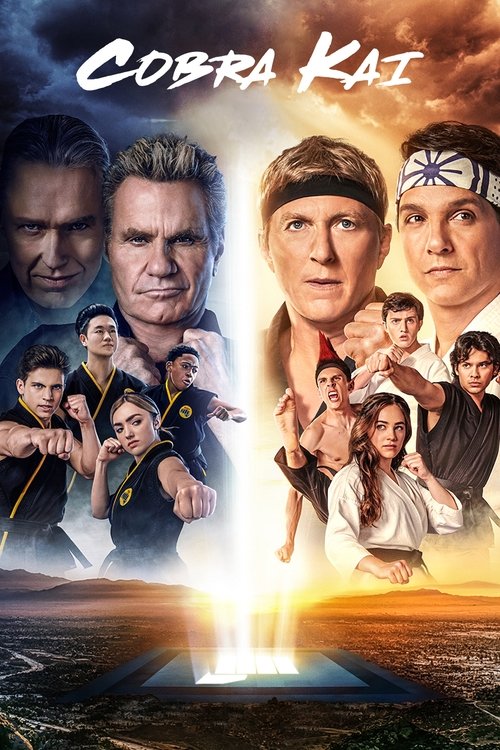
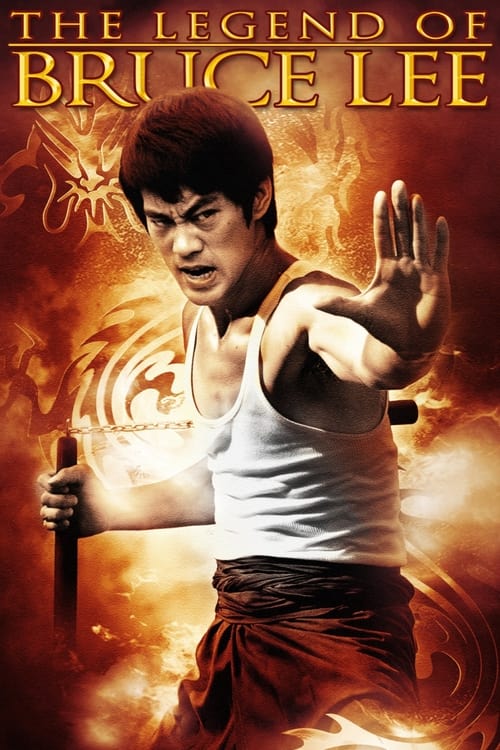
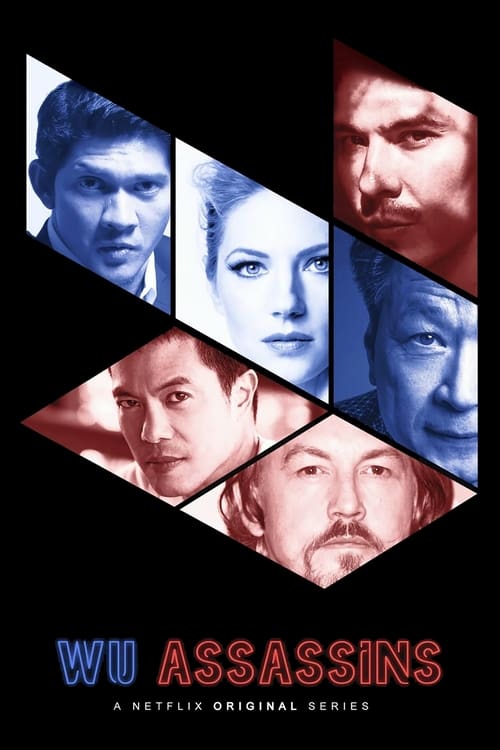
TV shows that capture the tournament structure, martial-arts mythology, or brutal-but-fun tone.
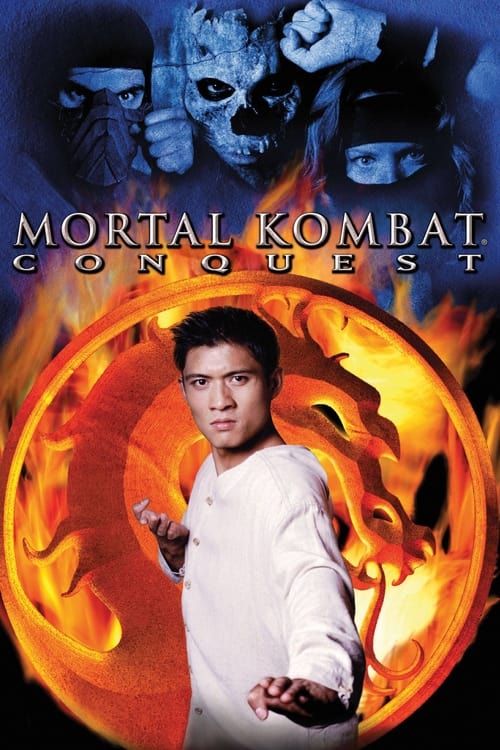
The Fighting Game Canon
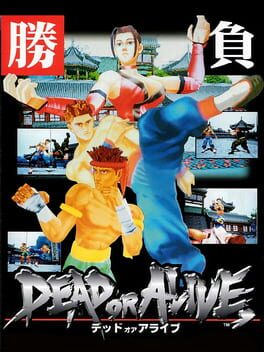
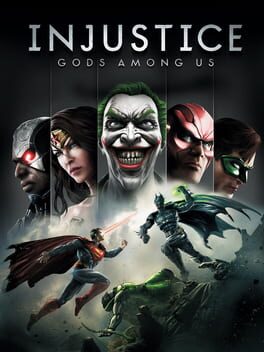
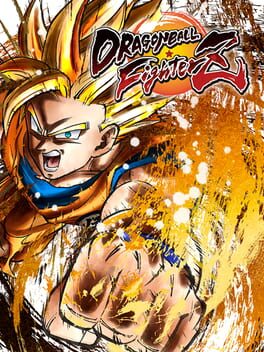
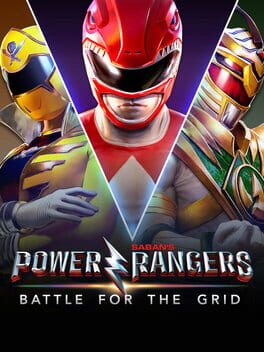
Games that share Mortal Kombat II's DNA: roster depth, lore investment, and satisfying brutality.
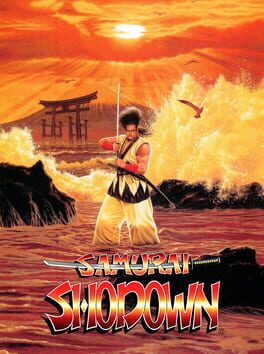
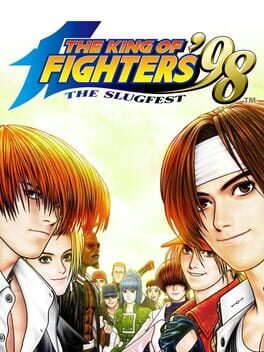
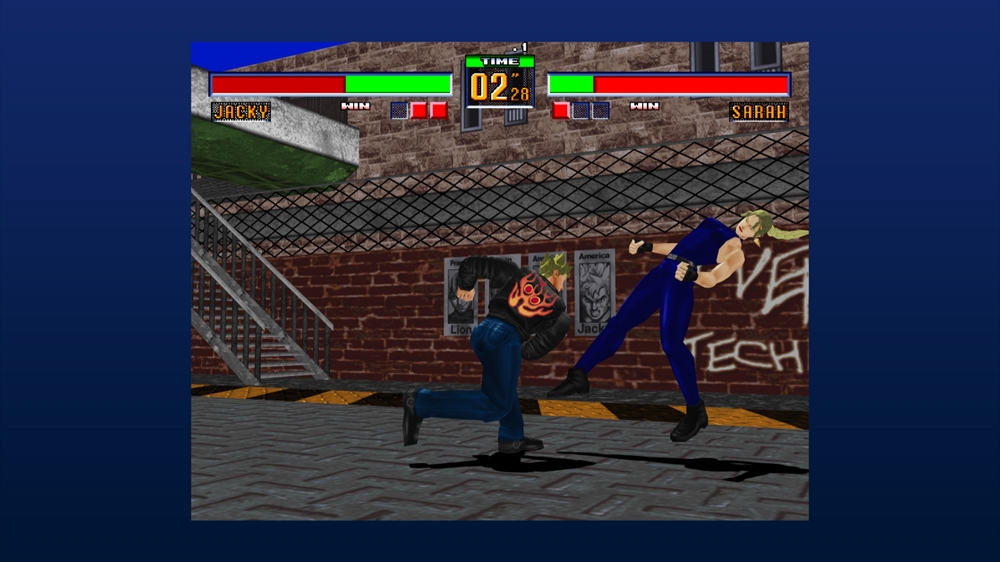
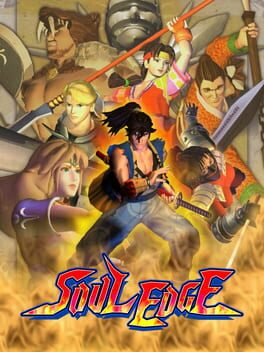
Shao Kahn Is a Better Villain Than Almost Any Game Has Produced Since
Shao Kahn works because he is never explained into sympathy. He is a conqueror who wants to absorb your realm, he announces himself with a taunt, and he hits harder than anyone you have fought before. The refusal to give him nuance is the point. Good arcade-era bosses communicated their menace through gameplay first and backstory second, and Kahn embodies that hierarchy completely. Most modern game antagonists forget which order those elements should arrive in.
The 1995 Film Is Genuinely Great at What It Is Trying to Do
The original Mortal Kombat film (1995) is not an accident. Director Paul W.S. Anderson understood that the game's appeal was Hong Kong-inflected tournament action with a pulpy mythology layered on top, and he executed exactly that at a consistent tonal register. The fight choreography holds up, the Liu Kang versus Shang Tsung finale is earned, and the film never winks at the audience or apologizes for its source material. It remains a high-water mark for video game adaptations, not because it transcends the genre but because it fully commits to it.
Fighting Games Are the Medium Where Mythology Runs Deepest per Pixel
No other game genre packs as much implied history into a character select screen. A Mortal Kombat II roster slot carries a faction, a home realm, a grudge, and a Fatality before you press a single button. The lore is delivered through friction: you learn who Baraka is by losing to him, and you learn what he represents by reading the story mode later. This layered delivery, sensation first, meaning second, is what separates the best fighters from action games with nicer graphics.
Mortal Kombat: A Franchise Timeline
- 1992The original arcade cabinet debuts, built on digitized actors and pushing the limits of acceptable content. Mortal Kombat
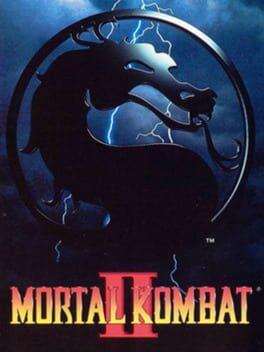
- 1993Mortal Kombat II launches in arcades, doubling the roster, expanding Outworld, and introducing Friendships alongside more extreme Fatalities. Mortal Kombat II
- 1993US Senate hearings on video game violence, triggered partly by Mortal Kombat, lead directly to the creation of the ESRB rating system.
- 1995Paul W.S. Anderson's film adaptation releases to strong box office, becoming one of the most successful video game movies of its era. Mortal Kombat
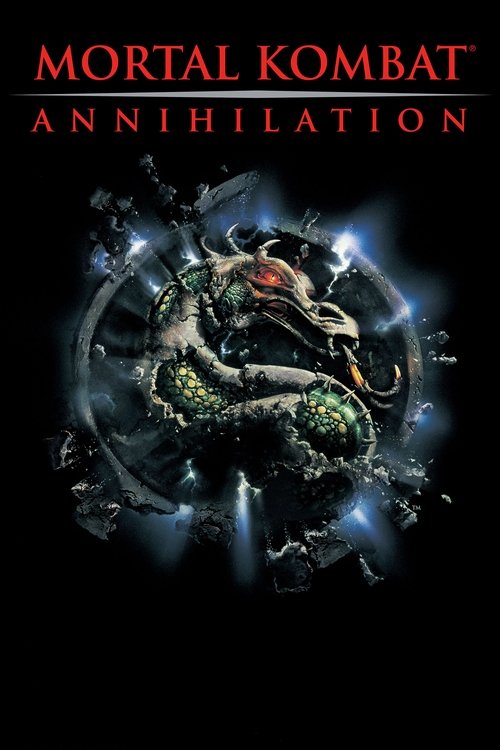
- 1996Mortal Kombat: Annihilation attempts to expand the film universe but struggles with its compressed timeline. Mortal Kombat: Annihilation
- 1998Mortal Kombat: Conquest brings the lore to live-action television. Mortal Kombat: Conquest
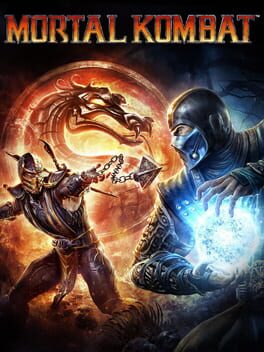
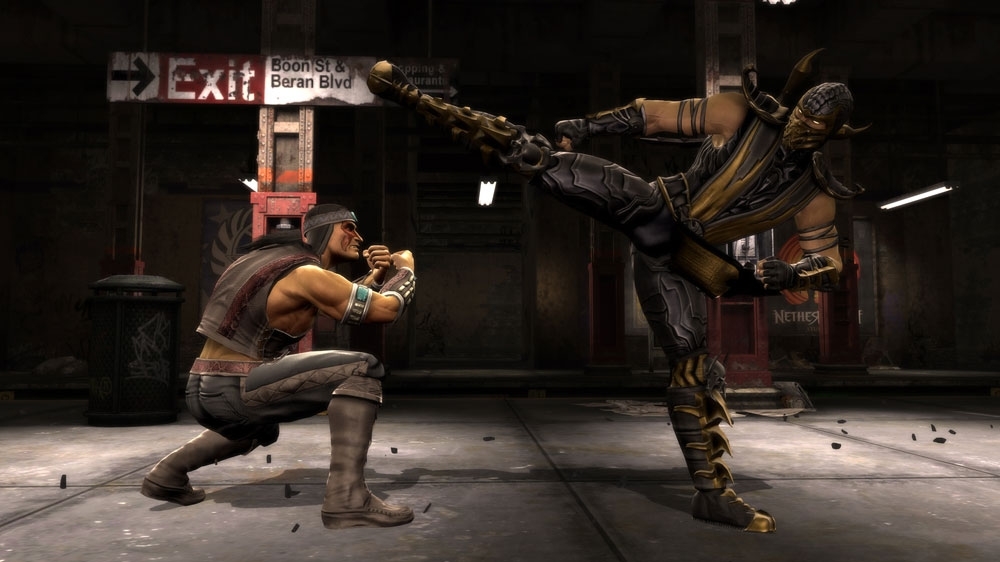
- 2011NetherRealm's reboot retcons the timeline and introduces a full cinematic story mode, setting the template for the series going forward. Mortal Kombat (2011)
- 2015Mortal Kombat X introduces generational storytelling, with legacy characters' children entering the roster. Mortal Kombat X
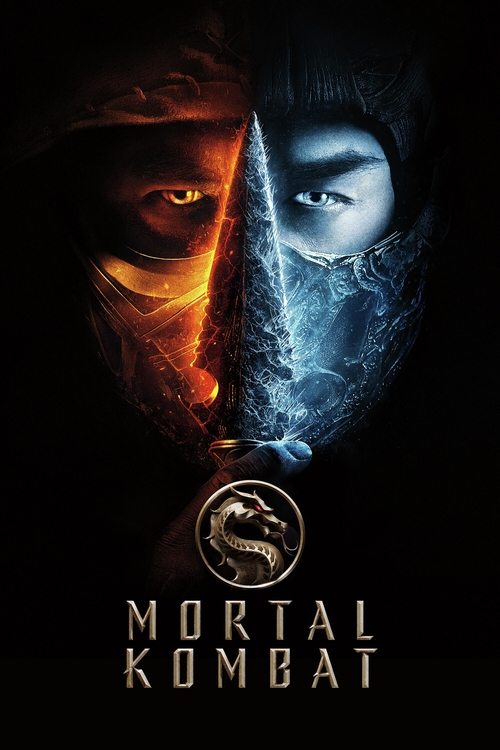
- 2021A new Hollywood adaptation reboots the film series with updated choreography and a younger cast. Mortal Kombat
- 2023Mortal Kombat 1 launches a new canonical timeline with Lui Kang as keeper of time, resetting the universe once more. Mortal Kombat 1
FINISH HIM.Mortal Kombat II, 1993, the two words that defined a generation of arcade culture